 Teleférico do Alemão: mobilidade urbana ou apropriação mercadológica?
Andréa Azambuja, Coordenadora da Rede em Rio de Janeiro
Em 2011, foi inaugurado, no Rio de Janeiro, o primeiro transporte de massa por cabos do Brasil. Aliando a aventura da locomoção suspensa à paisagem privilegiada, o Teleférico A, instalado no Complexo no Alemão — imenso agrupamento de favelas marcado pela violência e pelo tráfico de drogas — alterou o imaginário coletivo a respeito da região, transformada em local de visitação. Considerando o propósito do projeto — facilitar a mobilidade dos moradores —, no entanto, sua eficácia é questionável.
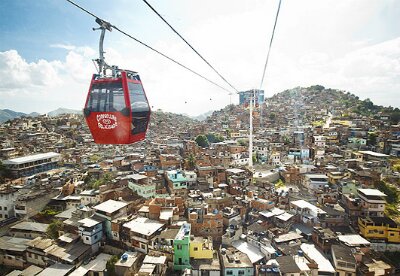 O Teleférico do Alemão, como é chamado, possuí seis estações; da primeira, integrada ao sistema ferroviário, à última, leva-se cerca de 20 minutos, metade do tempo utilizando-se outros meios de transporte. Todas oferecem serviços de utilidade pública (como bancos, correios, assistência social) e contêm sistema de aproveitamento de energia solar — tudo construído e operado com cerca de 70 por cento de mão de obra local. Apesar de outros aspectos sociais, econômicos, ambientais e urbanísticos positivos, entre os quais destaca-se também a gratuidade — os residentes têm direito a duas viagens por dia —, nada parece justificar o investimento colossal, de cerca de R$ 2 020 000 000.
Segundo pesquisa do IPEA, fundação pública federal vinculada à Presidência da República, apenas 1/3 da capacidade do teleférico é explorada. Apesar de ter sido projetado para transportar 30 mil passageiros diariamente, apenas 11 mil o utilizam, 25 por cento deles visitantes — ou seja, menos de 13 por cento dos 69 mil habitantes do Alemão aproveitam o transporte, mesmo sem precisar pagar passagem.
A localização das paradas, no topo de morros — sendo que o bairro, 1 770 631,36 m² de declives, escadarias e deslizamentos, não possui estrutura de circulação interna — é a principal causa da subutilização. Sem linhas de ônibus de conexão, a maioria da comunidade continua utilizando os serviços anteriores (que criou por conta própria), como moto-táxis e kombis apenas. Afinal, não faz sentido pagar para subir o morro, para então descê-lo.
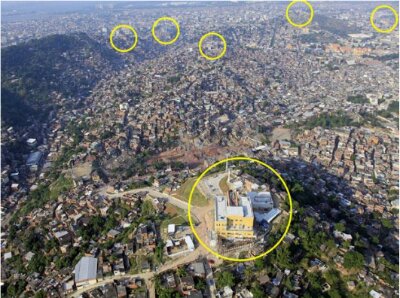 Ainda de acordo com o IPEA, "não se tomou conhecimento da existência sequer de uma pesquisa básica de demanda. Além disso, as pesquisas de mobilidade da região encontram-se desatualizadas, impossibilitando seu uso". Em pesquisa direta com residentes para tese de Mestrado em Engenharia Urbana e Ambiental da PURC-Rio, a engenheira Lídia Duarte Santos não apenas confirmou a desinformação, como apurou novos dados: 76 por cento dos entrevistados preferiam que o dinheiro tivesse sido aplicado em outras áreas, como educação, saúde e saneamento. O Complexo do Alemão tem o IDH mais baixo da capital e questões mais urgentes que um teleférico para lazer, e os moradores bem sabem disso — mas o governo preferiu ignorar.
Até os benefícios relacionados ao turismo — provavelmente o único ponto de concordância entre poder público e cidadãos — são questionáveis. Em geral, os passeios ao complexo se limitam à viagem nas gôndolas, sem qualquer interatividade; os visitantes, então, não se aproximam de fato da realidade, o que poderia ajudar a derrubar estereótipos, mas se afastam ainda mais — a conhecida espetacularização da favela. Como mostra uma pesquisa da Fundação Getúlio Vargas sobre o morro da Dona Marta, ainda, o turista gasta pouco no morro, no máximo R$ 5,00. No Alemão, onde os índices de violência aumentaram desde 2011, deve ser ainda menos.
Ao projetar um serviço público milionário, o mínimo a se fazer é entender as demandas da população. No caso do Teleférico do Alemão, o que era para ser um projeto de mobilidade parece mais uma apropriação mercadológica, mais uma área de exploração comercial baseada numa falsa ideia de progresso, na humanização pelos olhos externos. E ser um ponto de "entretenimento" no subúrbio definitivamente não era prioridade. Close.
Fotos: Folha de São Paulo, G1.
Permalink to this discussion: http://urb.im/c1507
Permalink to this post: http://urb.im/ca1507rjp
The Alemão cable car: urban mobility tool or marketing stunt?
Andréa Azambuja, Rio de Janeiro Community Manager
In 2011, the first aerial lift used for mass public transportation in Brazil was inaugurated in Rio de Janeiro. Combining the adventure of a gondola lift and the beautiful view, Teleférico A was installed in Complexo do Alemão — a huge complex of slums known for its violence and drug traffic — changing the social imaginary about the region and transforming it into a tourist attraction. Considering the project's purpose — facilitating the mobility of residents — its effectiveness remains questionable.
The teleférico do Alemão has six stations. From the first one, integrated with the rail system, to the last, the journey takes about 20 minutes, half the time it takes using other forms of transport. All of the stations offer utilities such as banks and post offices, and contain solar energy systems – everything was built and is operated by a workforce of approximately 70 percent locals. Although there are other positive aspects, including the fact that residents are entitled to two free trips a day, nothing seems to justify the colossal investment of approximately R$ 220 million (USD $65 million).
According to research by the IPEA, a Brazilian public foundation linked to the Presidency, only one-third of the lift capacity is being used. Although it was designed to carry 30,000 passengers daily, only 11,000 use it. Twenty-five percent of the passengers are non-locals, and less than 13 percent of the 69,000 inhabitants of Alemão take advantage of the lift, despite the fact that they receive free tickets.
The main reason for this lack of usage is the location of the stations. They are at the top of hills, but the neighborhood, a large area of slopes, stairs, and landslides, doesn't have the internal mobility structure required. Without any buses connecting the Teleférico, most of the community continues to use just the old services that they created themselves, such as motorcycle-taxis and vans. After all, it makes no sense to pay to go up the hill, to then come down.
According to the IPEA, "there was no basic research done on the community needs." Talking directly with Alemão's residents for a thesis in Urban and Environmental Engineering that would result in a Master's Degree, engineer Lydia Santos not only confirmed the misinformation, but also found new data: 76 percent of respondents would have preferred that the money be applied in other areas, such as education and sanitation, as Alemão has the lowest HDI of the capital, and more urgent issues than a gondola lift system for leisure.
Even the benefits related to tourism — probably the only point of agreement between government and citizens — are questionable. In general, the tours to the slums are limited to travel on the gondolas, without any interaction with residents. Visitors therefore do not get to know the reality, which could help break down stereotypes, but instead experience the familiar spectacle of the favela. Also, as shown in a survey by Fundação Getulio Vargas on the Dona Marta slum, tourists spend very little money during their tour in the favela, approximately R$ 5 (USD $1.50). In Alemão, where violence has increased since 2011, the amount is probably even less.
When designing a public service that costs millions, having an understanding of residents' demands is a requirement. In the case of the Teleférico do Alemão, what was supposed to be a mobility project seems more like marketing stunt, a "humanization" through outside eyes. And providing entertainment is not a priority. Close.
Photos: Folha de São Paulo, G1.
Permalink to this discussion: http://urb.im/c1507
Permalink to this post: http://urb.im/ca1507rjp

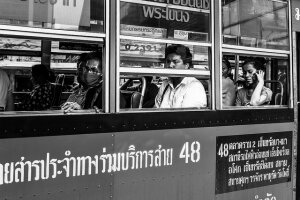 July 2015 — Public transportation systems hold a city together. A system's efficiency, affordability, and reliability define whether citizens can travel easily for work, education, daily errands, and leisure. Public transportation has the potential to open up new opportunities for the urban poor, but at the same time runs the risk of maintaining or even exacerbating geospatial inequalities. With burgeoning urban populations, the question of transportation becomes ever more critical with regard to cities' carbon footprints.
 Tricycle boom offers alternative to public transportation in Lilongwe
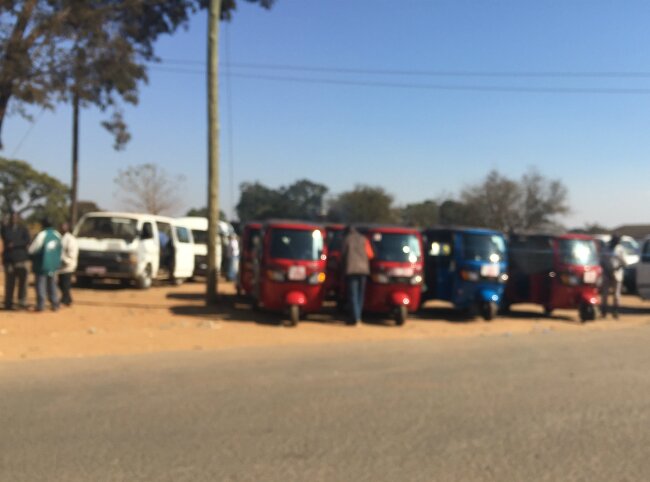 Market liberalization saw the boom of privately-owned minibuses and buses taking over the road transportation sector. Without any official city lines, urban transportation in Lilongwe was quickly taken over by minibuses operating along all sorts of routes in the city at fixed rates. While the minibuses and taxis have provided Lilongwe's residents with some form of reliable but costly and inefficient transport, tricycles (commonly known as BAJAJ) are providing a new alternative to public transportation.
 Politics, passengers and practice: There's a lot riding on Johannesburg's BRT
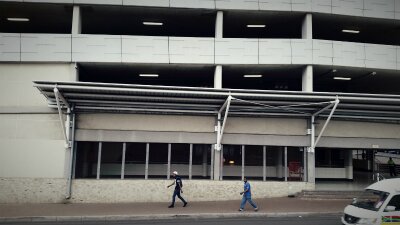 Spatial transformation has also been significantly predicated on public transport. With the Gautrain Rapid Rail Link, the Gauteng Freeway Improvement Programme and associated e-tolling, and municipal Bus Rapid Transit (BRT) infrastructure underway in Johannesburg and the Gauteng Province, the
 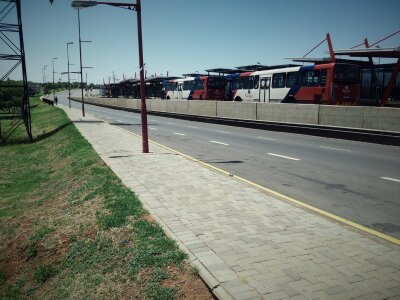 Coming perhaps at a tail end of the focus on corridor development in planning, and potentially also sharing many of its criticisms, the so-named "Corridors of Freedom" has intended to employ Johannesburg's flagship BRT initiative to create Transit Orientated Development along key corridors. One of the key potential benefits of the BRT is its ability to respond to the qualitative dimensions lacking in more broad, abstract spatial frameworks, such as supporting social dynamics, need and economic opportunities at neighbourhood level, and facilitating new and less segregated forms of identity and community. However, this potential must still be realised and ensured, for the corridor approach can lead to gentrification and transport stations can become the focus of commercial development, such as the case in Bangkok. In Johannesburg, the largely private sector-led and profit-driven Gautrain Rapid Rail Link, the ambitious sister initiative of the BRT, already shows similar trends to the Bangkok case and is almost completely disconnected from supporting opportunities at a local scale.
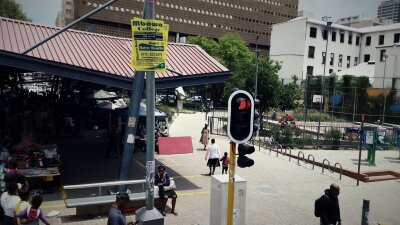 There is a lot riding on Johannesburg's BRT, both politically and in terms of providing meaningful urban responses to all of these oversights. Johannesburg will probably also lead the way in which it will be taken up across the rest of the country. Participation, imagination, and experimentation with new spaces and typologies are therefore crucial. They should help to bridge the city scale focus with the local scale, as well as emphasise planning for the social and economic dimensions of the spatial alongside the provision of transport infrastructure.
 Lost opportunities in development
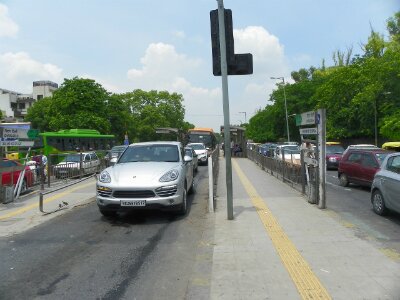 How might this diversity become part of the "smart cities" discourse that is prevailing in India with the recent outlay of Rs 98,000 crore (USD $15 billion) by the government to execute 100 Smart Cities? This was one of the many questions being addressed at CONNECTKaro, part of a global series of events focused on sustainable transport and urban development that the EMBARQ network organizes and hosts. CONNECTKaro 2015 was held on April 15-16 at India Habitat Centre, New Delhi, and centered around how inclusive transport strategies and improved mobility and access can become an integrated aspect of Smart Cities.
 Regulating buses to ensure safe commutes
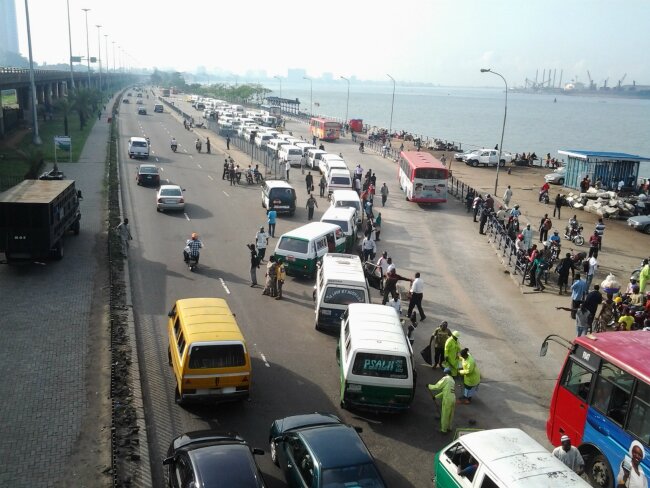 The BRT is currently 22 km long, and the next phase extension will increase its length by 13 km. These 35 km of bus rapid system are part of the total 5,000 km of Lagos' road network. Although the system is expansive, the existing danfo transport system clearly needed to be improved. Some of the initiatives to do so have focused on improving safe commuting and ease of commuting through policy decisions. A common practice of the danfo system was to drive with the bus doors open, while passengers and conductors hung from the side when the buses were filled above capacity in order to maximize income. This posed a serious danger for commuters. An rule was created indicating that all buses had to desist from such practices, and load according to the vehicle's capacity.
 حمل و نقل عمومی یا بزرگراه؟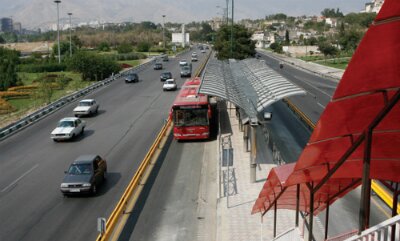

 Un nuevo modelo de negocios en el transporte Caraqueño
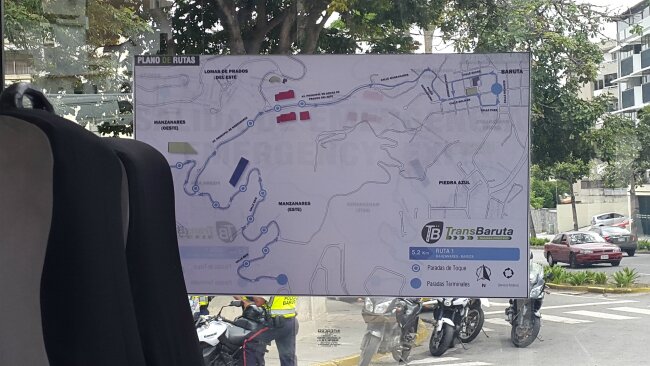 Las políticas públicas en la materia, amparadas bajo un Plan Nacional dedicado al transporte, denominado Misión Transporte, han creado nuevos sistemas interesantes en la ciudad tales como el Metro Cable de San Agustín, el "Cable Tren de Petare" o el sistema TRB BusCaracas. Estos sistemas, sin lugar a dudas, han mejorado la movilidad en rutas troncales y brindado innovación en el acceso al transporte público en zonas anteriormente marginadas de nuevas inversiones en materia de sistemas masivos.
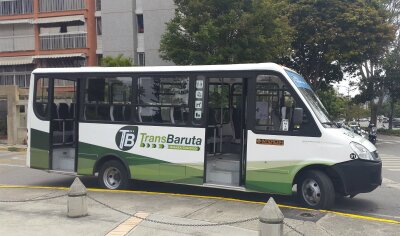 De estos 3 pilares, me voy a detener en el último, debido a su complejidad de implementación, para detallar algunos aspectos importantes. En primer lugar, todas estas iniciativas incluyeron la negociación, a veces sacrificando la premura de sacar adelante la política pública, entre los diversos actores (gobierno, transportistas y usuarios), para elaborar un Convenio Marco, incluido posteriormente como ordenanza municipal, para establecer las normas de negocio que rigen el sistema. En este convenio marco se tomaron en cuenta aspectos fundamentales como la creación de un fideicomiso, cuyo monto inicial es aportado por el gobierno local, con el objetivo de crear un ciclo micro financiero que permita renovar las unidades, ampliar la cantidad de rutas servidas, implementar nuevas tecnologías para modernizar el servicio y brindar planes de incentivo social al transportista. Adicionalmente, esta negociación permitió introducir normas adicionales a las contempladas en leyes nacionales, cuyo objetivo es fortalecer la capacidad de fiscalización de la autoridad sobre los concesionarios que se encuentran explotando las rutas formales establecidas.
 Regularización de Bici-taxis
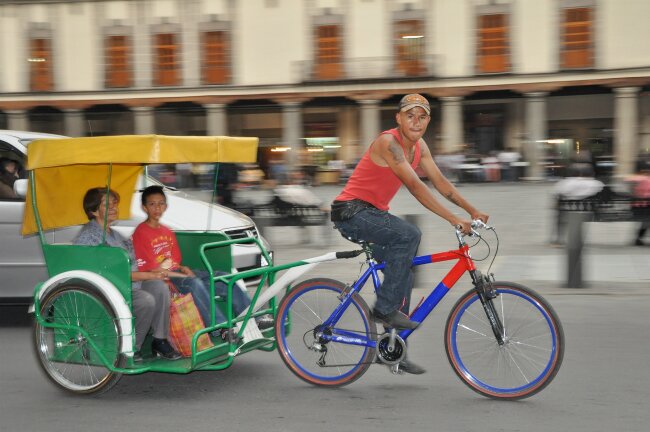 Este tipo de transporte, además de ser más barato y personalizado en comparación con el transporte público, genera empleos en la localidad. Se ha identificado en Xochimilco como una alternativa de ingreso para los jóvenes que no han logrado vincularse con el mercado de profesionistas, o bien para los que se encuentran cursando sus estudios a nivel de preparatoria y universidad.

 Problemas en la implementación del MIO en Cali
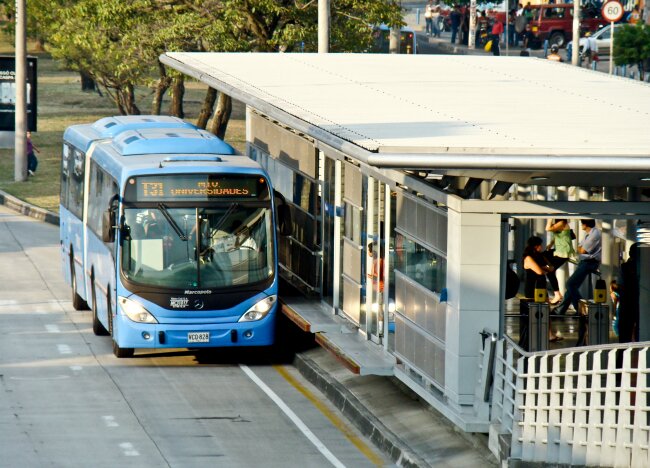 Esta implementación sin una planificación clara ha generado una serie de fuertes conflictos que hoy distan muchos de estar resueltos. Por un lado se encuentran los conductores de busetas tradicionales. Hace ocho años, existían 4950 buses privados de trasporte urbano, agrupados en unas 25 empresas. Hoy quedan todavía 653 buses agrupados en 10 empresas. Además, operan unos 400 buses que operan sin licencia. Los buses tradicionales debían ser comprados por las operadoras del MIO, y chatarrizados, pero este problema se ha visto ralentizado por las fuertes dificultades financieras que han experimentado las operadoras.
 Mengurai kemacetan Surabaya dengan SMART
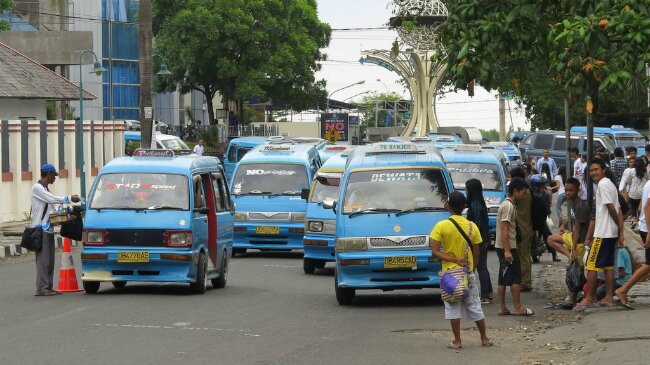 Selama ini angkutan umum yang tersedia dikategorikan dalam tiga jenis yaitu kereta api, bis kota dan mikrolet. Namun demikian ketiga jenis angkutan umum tersebut masih mengalami permasalahan dalam hal pelayanan, kehandalan dan manajemen. Transportasi publik Surabaya sulit diatur sebab masih terlalu banyak operator pada setiap trayek sehingga sulit dikendalikan; pembagian trayek dan sistem setoran yang tidak jelas sehingga tidak ada pihak yang bertanggung jawab atas pelayanan terhadap trayek tertentu. Contohnya Mikrolet banyak dimiliki oleh perorangan sehingga menyulitkan pengaturannya. Namun demikian kini, sejak bulan Maret 2015 telah terbit peraturan yang mengharuskan tiap angkutan perorangan dan barang harus berbadan hukum. Peraturan ini juga menyediakan insentif bagi pemilik angkutan yang berbadan hukum sehingga mereka hanya harus menyetor sekitar 30 persen dari total setoran. Dengan demikian mereka dapat menerapkan system tarif yang lebih murah.
 Xe buýt công cộng cho học sinh: Facebook đã giúp cải thiện chất lượng dịch vụ như thế nào?
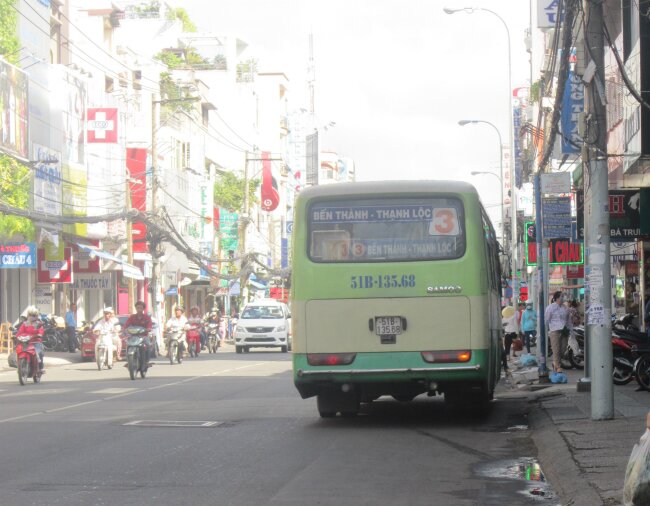 Xe buýt công cộng – trợ cấp giá vé, nhưng bỏ rơi chất lượng
 Car-free Sundays launch a movement in Mumbai
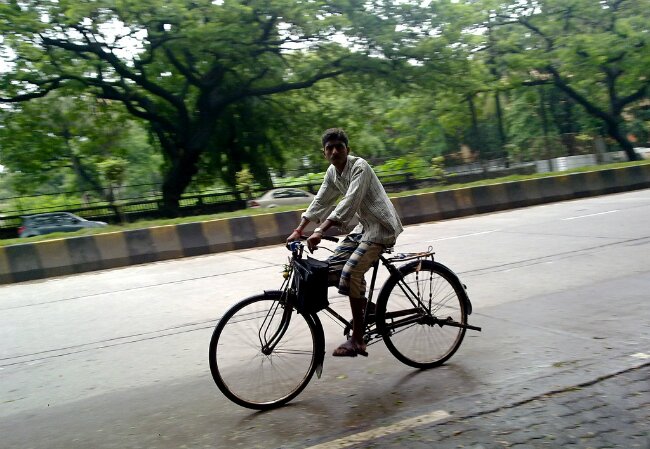 Now, every Sunday morning, a normally busy, noisy stretch of Mumbai's roads is closed off to traffic. Families stroll the open lanes taking part in games or exercise activities. Kids try out bike riding, and yogis practice downward-facing dog. Car-free days are small steps in a larger effort around India to take back streets for walking and cycling and move toward more sustainable forms of transport.
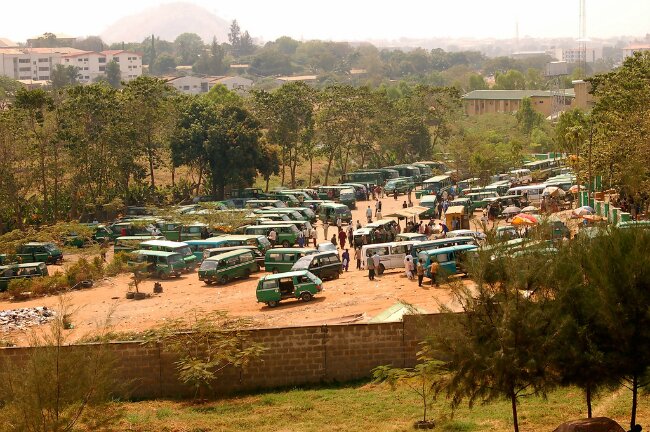 Taxis are a relatively cheap mode of transportation in Abuja. A ride that costs 3000NGN (USD $15) in Lagos costs roughly 300NGN (USD $1.15) in Abuja. Also, taxis in Abuja often run as shared cabs as opposed to chartered cabs, keeping costs low. As such, to ease transportation problems in Abuja, the government purchased 1 000 taxis under the Subsidy Reinvestment Program two weeks after the implementation of the mini-bus restriction. Also, although the new policy restricted mini-buses to some routes, it also introduced over 700 high-capacity ones to operate in the city center. Finally, there is policy in the works to harmonize taxi fares for different routes to enable commuters to enjoy more affordable commutes.
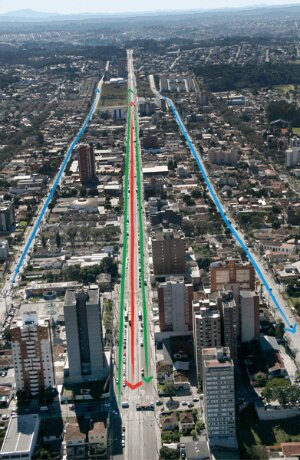 Desde então, a população do município triplicou, e o transporte não acompanhou. Pelo contrário, está em crise, traduzida na escassez de ônibus, no aumento de tarifas (e carência de investimentos) e em intermináveis congestionamentos (não por coincidência, é a capital brasileira com maior número de carros por indivíduos), entre outros problemas.
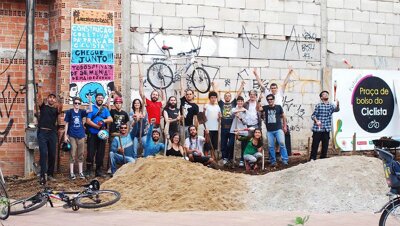 Outro grupo que discute a integração metropolitana é o Observatório de Metrópoles, rede cooperativa de pesquisadores de urbanismo dedicada a compreender as aglomerações urbanas e a produzir pesquisas pensando o crescimento de forma interdisciplinar. Uma delas resultou no e-book Curitiba: transformações na ordem urbana, que investiga os processos de periferização e segregação socioespacial, propõe novos ângulos de análise e discute perspectivas para o futuro. Panorama esse totalmente dependente do transporte – como o jornal Gazeta do Povo publicou, mencionando o Observatório, "O adolescente que mora na periferia e não pode desfrutar dos equipamentos do município maior, que está a seu lado, não vai se desenvolver tanto quanto pode. O operário que passa mais de duas horas de seu dia num coletivo não vai frequentar as aulas de Educação de Jovens e Adultos à noite, porque é impossível suportar tamanha jornada".
 Protestos criativos fortalecem luta por transporte em comunidades isoladas
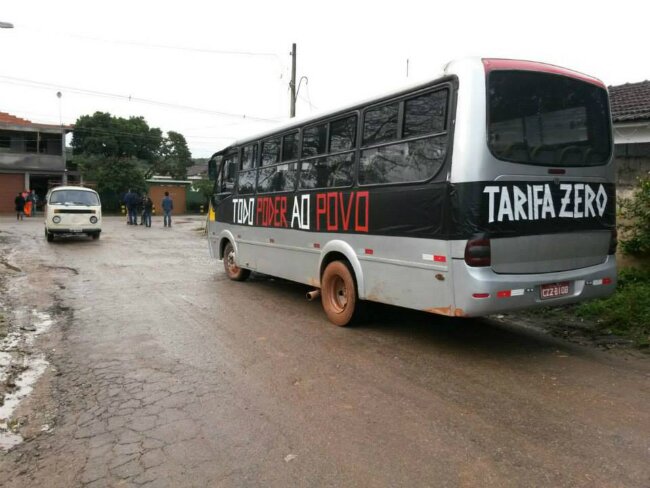 Para se chegar ao centro da cidade partindo da comunidade de Ponte Seca, por exemplo, é preciso caminhar por estrada de terra e depois viajar três horas de ônibus até o Terminal Bandeira.
 Segundo o Plano Diretor Estratégico (PDE), aprovado em 2014, o distrito de Marsilac está inserido em Zona Rural, com regras para Contenção Urbana e Uso Sustentável da terra.
 Addressing transportation and logistics for Nairobi residents using non-motorized means
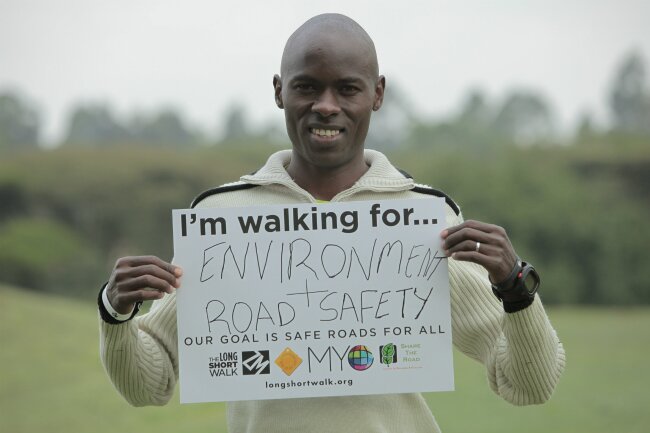 Walking remains the primary mode of transportation to and from work every day for more than 50 percent of Nairobi residents. Though less than 20 percent of Nairobians own private vehicles, the current transportation infrastructure is designed overwhelmingly in their favor. At least 60 percent of the city's population commutes using non-motorized means, predominately walking and bicycling. On March 7th, 2015 the Nairobi City Council released its Non-Motorized Transportation (NMT) policy to redesign the city's integrated spaces of transportation.
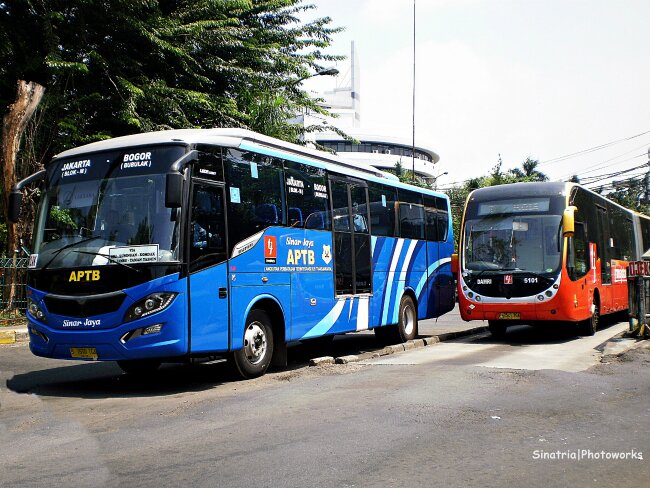 Litman and Burwell menyatakan bahwa keadilan dalam transportasi berarti mendorong penyediaan alat transportasi bagi kelompok-kelompok yang secara ekonomi, sosial dan fisik terpinggirkan. BRT dalam hal ini belum mampu menjangkau wilayah-wilayah dimana banyak masyarakat miskin tinggal terutama di daerah Jakarta Utara. Selain itu TransJakarta memiliki kelemahan dalam hal konektivitas dengan moda transportasi lain dimana banyak calon penumpang harus berganti kendaraan menuju koridor utama TransJakarta. Akibatnya calon penumpang harus membayar lebih mahal untuk transportasi yang harusnya murah dan mudah. Untuk itu pemerintah saat ini mengambil kebijakan untuk menyediakan feeder atau bis pengumpan dari wilayah-wilayah yang tidak dijangkau BRT serta memperbaiki lebih banyak jalur pejalan kaki (pedestrian) dengan alasan banyak dari masyarakat yang tinggal di daerah miskin bekerja dekat dengan tempat tinggalnya.
 مترو أنفاق القاهرة: وسيلة مواصلات منخفضة التكلفة وآمنة لسكان القاهرة الفقراء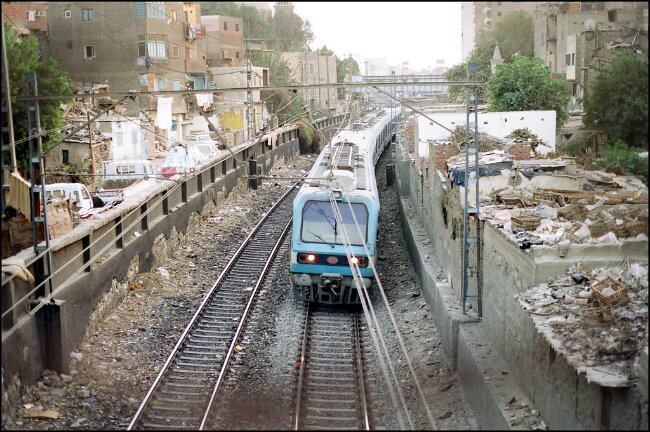
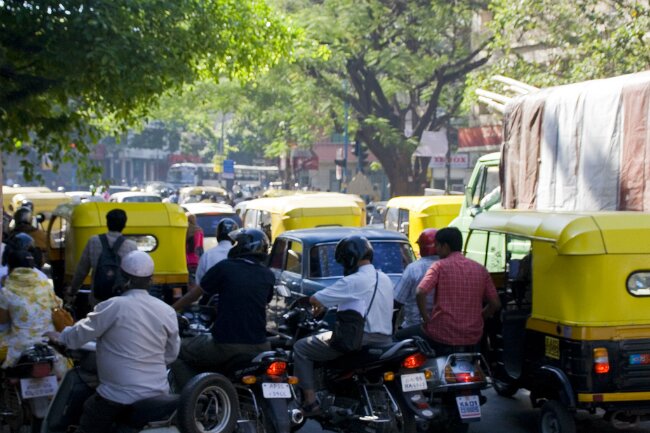 In 2011, Bangalore's Directorate of Urban Land Transport proposed a congestion charge — a measure that has helped cities from London to Singapore get commuters to leave their cars at home. "Improvements in public transport are required, but at some point, we also have to put in place travel demand measures. Congestion pricing is one of those measures," she said. This wasn't the first time Bangalore had considered such measures, and many cities around India are similarly weighing these types of car taxes to ease congestion, reduce pollution, and entice people to use public transportation more.
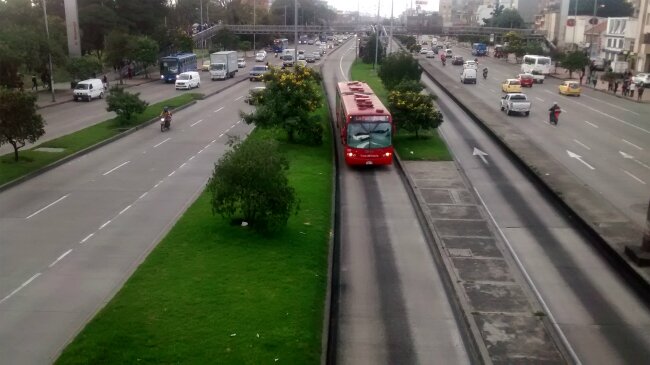 Finalmente, en el año 2009 se adoptó un plan que integraría todos los sistemas de transporte de Bogotá, incluyendo el futuro metro, cuya construcción aún no ha comenzado. La ciudad fue dividida en 13 sectores, y cada uno de ellos se asignó a un operador. Tos pasajes serían válidos en todo el sistema, incluyendo el Transmilenio, aunque se cobraría una mínima tasa en cada transfer. Aunque el plan contemplaba la incorporación de las empresas operadoras tradicionales y de sus empleados, estas se opusieron con fuerza al mismo. En el año 2010 un paro masivo prácticamente paralizó Bogotá durante tres días. Diversas crisis políticas y financieras ralentizaron la implementación del plan, y no fue hasta agosto del 2012 cuando las primeras líneas del sistema integrado comenzaron a funcionar.
Comments
Cities as engines of change
I like it that waste enterprises are fast evolving in various parts of the world into serious businesses. In my country th challenge however is related to markets. There are a few markets for waste. The way to go would be value addition. It would be interesting to read about waste value chains and maybe a turn around to a more formal systematized business.
Carrot and sticks
Hi Carlin,
indeed solving transportation problems takes both carrots and sticks. Many people like to use their cars for reasons such as social prestige, etc. But it is true that very often public transportation is not convenient, or even safe. Bangalore has roughly the same size as Bogotá, and they seem to share similar problems. In Bogotá the subway is still only a preliminary project, and the BRT, which was initially extremely successful, has been bogged down by delays, corruption and cost overruns. There is not local passenger train system (no passenger trains exist in Colombia). In 1998 they created the Pico y Placa system, which restricts circulation of private cars and most taxis for two days each week, depending on their license plate. The measure has proven to be largely ineffective. Many individuals bought a second car to dodge the rule. Congestion charges are currently being considered. Still, coercive measures must be accompanied by improvements in the public transportation system.
Bogota experience
Hi Jorge, it's really interesting to hear from you in Bogota, because your city is always hailed as a great example of one that really made the BRT and other public/non-motorized transit options work. I'm curious to know more about what happened with the BRT or if you think there's any way to enhance this project or make it work. The reason I ask is because while you mention that there isn't a train system, many transport experts I've spoken to in India say that the bus system is actually where cities like ours should be investing their money The investment is much lower and the timeframe is much quicker. If the issues with the BRT in Bogota are related to over-budget costs and delays, couldn't the same thing happen with something like a train project? I think congestion charges are needed no matter what to curb car growth, which is hard to reverse once people go down that path.
Thanks for all the insights!
BRT Jakarta
Hi Widya,
Great piece. I wonder when the BRT started in service? Why the tickets are quire expensive in your opinion is it because it is privatized or because of the general energy costs in the country which of course adding up the transportation prices.
Thank you
Carrot and sticks
Hi Carlin, hi Jorge,
Jorge, Transmilenio was inspired in Curitiba's BRT system, and the city faces the same problems you mentioned about Bogotá. While the public transport system is going through a serious crisis, not coincidentally Curitiba is the Brazilian capital with the highest number of cars per individuals – what made me think of your article, Carlin. What should be the cause and what should be the consequence?
Making an exercise and thinking if the congestion charge would be applicable in Curitiba, I couldn't avoid thinking that would be a bit schizophrenic, as Brazil has a national policy to encourage the purchase of cars. So I was curious: Carlin, while Bangalore and India in general deal with the traffic issue, is there any tax incentive campaign in the country that aggravates the problem? Furthermore, do you think Bangalore's public transport system (even with the metro) is efficient enough to validate this initiative? Is it sufficient to transport all these people would be leaving their cars at home?
Thanks :)
Sistema de transporte Integrado
Hola Jorge,
Muy interesante la propuesta sobre el Sistema de transporte Integrado. La ciudad de México tomó el ejemplo de Bogotá como referente para implementar el Metrobus, que al igual que en Colombia tuvo que negociar con las empresas de autobuses; logrando que estos ya no circularan sobre las mismas vías en donde circula el Metro Bús. En la Ciudad de México se ha aumentado el número de líneas que cubren las diferentes regiones de la Ciudad, y es el sistema de transporte público que mayor conexión tiene con la periferia de la ciudad; no obstante aún permanecen muchas zonas aisladas en donde la población no tiene acceso a un sistema de transporte integrado que permita una movilidad de calidad y eficiente. Me parece muy buena alternativa aunque costosa el vincular los diversos medios en pro de la movilidad.
Hello Jorge,
Very interesting proposal on the integrated transport system . Mexico City took the example of Bogota as a reference to implement the Metrobus , which like in Colombia had to negotiate with bus companies in order to make these no longer circulate on the same streets in which circulates the Metro bus. In Mexico City it has increased the number of lines that cover different regions of the city, even the periphery of the city ; however there are remote areas where the population does not have access to an integrated transport system that allows a good mobility . The integration of the transport system is a very good alternative although costly, it links different means of transport towards mobility
Community power
Hi Shaima, great questions. BRT or TransJakarta started in January 2004 and is operated by company under the city government. It is expensive for two reasons I think. First it is not well integrated with other transportation mode so people need to transfer few times to reach the corridor. It is not the ticket per se is expensive, but the efforts to make it there that’s makes it expensive. For average people BRT ticket is affordable, but then now several minibuses with AC are allowed to use BRT lanes and they charge more. This is also disadvantaging the poor. Secondly, even though the e-ticket now is implementing, BRT does not provide a single trip ticket for one or two times users so they have to pay full price. Lack of optional tickets for passengers becomes burden also. In the case of energy cost, it does not become an issue in BRT system as many of the BRT uses gas. The price itself is lower because of government subsidy.
Felipe, you have an interesting case on how protests and people power can bring such changes. May I know how they organize themselves? Who are really in charge of the protests and make government finally agreed to provide busses?
I also noticed that this month’ s articles gives strong argument on how community largely can turn things out and made their points heard by the authority as can be seen in Curitiba. Can I also ask Andrea that with so many organizations pushing forwards their agendas, how the government responded? Or do the government gives not only channel but also some political power to realizing each groups’ plans? thank you
Walking through town
Very interesting article, Hilary. It's amazing that the majority of the population walks to work in Nairobi.
Does this means that people walk for several hours every day?
I'm curious because in Sao Paulo people spend, on average, nearly three hours in daily commutes, riding buses, trains, cars. But it would be impossible to do it walking!
lost opportunities in policy translation
Priyanka interesting piece on review of policies and how great policies tend to lead to missed opportunities due to lack of proper integration and institutional implementation. I completely agree that without proper analysis of the complexities and integration of all dimension, great policies wash out and are implemented in a half baked manner which lessens its effect. I would like to point out though that while nothing in perfect, better integration can improve the impact. For instance the BRT in Lagos with all its success has drawbacks, but sufficient planning identified the risk of private vehicles using the designated lanes and policy and measure to curb that was put in place but still the policy for BRT due to inadequate integration missed out on efficiency structures and BRT scheduling infrastructure to help the system run more effectively and as a reliable alternative to private commuting. Would you say though that a lot of the wasted opportunities can be due to lack of political will to do the needful and perform due diligence?
El supuesto mejor sistema
Transmilenio de bogotá no es malo, es pésimo, es un monumento a la improvisación, no es justo que se pague un pasaje tan caro para recibir un servicio tan malo, no hay seguridad no hay frecuencias, los buses siempre pasan llenos, aparte de que es contaminante es ruidoso, su mantenimiento es caro y la empresa dice que "está en quiebra" cómo no va a estar en quebra si la empresa privada se lleva el 95% del pasaje y no lo invierte en mejoras? lo peor es escuchar a su dueño enrique peñalosa decir que esta porquería es mejor que el 99% de los metros. El sistema BRT es lo peor.
Hola Diego, gracias por tu
Hola Diego, gracias por tu comentario. Al igual que tu, sufro de los problemas del TM. No exageras en tus críticas. En las horas pico, la situación es sencillamente terrible. Y lo malo es que las cosas probablemente empeoren, y mucho, antes de que mejoren.
Lo trágico es que el TM fue un sistema modélico cuando se inauguró. Incluso sirvió de modelo a otros BRTs, como el de la gigantesca Ciudad de México. Sin embargo, mientras que en México le han dado el mantenimiento necesario, y se han inaugurado línea tras línea, en Bogotá el sistema en seguida se quedó demasiado pequeño, y por problemas de mala gestión, de mala planeación, y, desde luego, por corrupción, no se amplió al ritmo necesario. El sistema ahora no da abasto. No hay ni suficientes líneas, ni suficientes articulados, ni suficientes alimentadores. Los avances se producen a paso de tortuga, mientras los bogotanos padecen las consecuencias. Fíjate también en el SITP, que solo ahora empieza a arrancar en serio. Hoy hemos visto la noticia de que al fin se pueden usar las tarjetas en todos los puestos...
También es correcto que se trata de un sistema relativamente caro para los pasajeros, mucho más que el de México, por ejemplo.
El TM se ha convertido en un ejemplo de lo que siempre repetimos en estas páginas: todos los sistemas urbanos deben ser mejorados y ampliados, con inversiones suficientes y constantes. No vale un gran impulso inicial para luego dejar que lo hecho se vaya deteriorando.
Mi opinión es que una capital como Bogotá necesita también un metro. Pero lo malo es que la primera línea está todavía a al menos 5-10 años de puesta en funcionamiento, si es que se hace. Y las obras serán una pesadilla, que empeorará las cosas temporalmente. Entre tanto, no queda otra que invertir fuertemente en el TM, ampliándolo de forma sustancia, que mejorar el SITP, y finalmente integrar todos los modos de transporte de una forma efectiva.
RT jorgebela
Hola gracias por responder, la verdad no exagero, es el peor sistema, y aunque suene increíble se le ha invertido mucho dinero para ampliar su capacidad modificando estaciones y comprando biarticulados que no estaban en la idea inicial.
La única forma que veo que se pueda hacer algo por ese sistema es enviar más buses, pero esa empresa es tan cerrada de mente que no acepta propuestas de nosotros los usuarios inconformes. Incluso desde mañana 5 de septiembre van a quitar paradas de varias rutas en una estación del centro mas dos rutas.
La única solución que yo veo es hacer el Metro, pero la corrupción, política y dueños de transmilenio han impedido que se haga. transmilenio no tiene arreglo.
Add new comment