 Morte e vida da São Paulo abandonada
Felipe Villela, Coordenador da Rede em São Paulo
Em apenas uma noite, 1,5 mil famílias deixaram de ser sem-teto e 16 edifícios abandonados voltaram à vida na cidade de São Paulo. Entre os dias 12 e 13 de abril deste ano, quase 6 mil pessoas decidiram não mais esperar por ajuda do governo e começaram um processo coletivo para conquistar moradia digna.
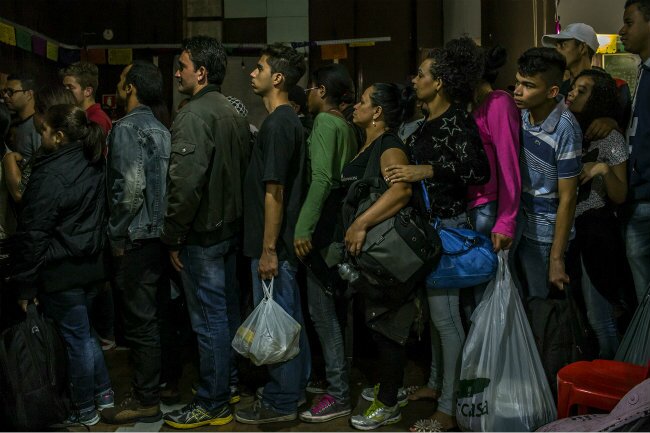 A ação marca os 19 anos do massacre de 21 sem-terra pela polícia militar em Eldorado dos Carajás, município no Estado do Pará, durante manifestação do MST (Movimento dos Trabalhadores Rurais Sem Terra). Desde então, todos os anos durante o Abril Vermelho movimentos sociais que lutam por condições dignas de moradia e trabalho, tanto na cidade quanto no campo, fazem novas ocupações de imóveis que não cumprem função social.
No Brasil, o uso de qualquer propriedade privada é condicionado ao interesse coletivo e por isso deve cumprir função compatível com direitos sociais de toda população. A Constituição da República Federativa prevê que o Estado tem obrigação de garantir necessidades vitais básicas aos trabalhadores urbanos e rurais, entre elas o direito à moradia. Especificamente no caso de imóveis urbanos, seu uso é regulado pelo Estatuto da Cidade, e deve ser em prol do bem coletivo, da segurança e do bem-estar dos cidadãos.
A despeito da lei, a quantidade de imóveis residenciais sem uso em comparação com o grande número de pessoas sem casa é uma contradição alarmante nas grandes cidades brasileiras. Em 2000, na Região Metropolitana de São Paulo (RMSP) faltavam 360 mil casas enquanto mais de 674 mil domicílios estavam vagos. A relação entre imóveis vagos e déficit habitacional chegava a 187,12%, segundo o IPEA. Naquela época, a maior quantidade de domicílios vazios em relação ao total de residências estava na região central da cidade de São Paulo, local com o maior número de equipamentos de saúde, educação, lazer e cultura, a melhor infraestrutura de transporte e a maior oferta de empregos.
"Trabalhador precisa ficar perto do trabalho, dos serviços públicos", afirma Carmem Ferreira, líder do MSTC (Movimento Sem-teto do Centro). Por isso o movimento participa de ocupações na região central da cidade desde o fim da década de 1990.
Durante o Abril Vermelho, MSTC e outros grupos ligados à FLM (Frente de Luta pela Moradia) ocuparam 10 prédios no centro. Outros três imóveis foram ocupados na zona norte, um na zona leste e dois na zona sul (veja mapa completo aqui).
 Atualmente, o centro não é mais o lugar com o maior índice de domicílios vagos na cidade. No entanto, o valor do metro quadrado subiu 189% entre 2000 e 2010, frente a um aumento de 135% no município em geral, conforme dados da prefeitura. O maior custo da moradia provocou aumento do déficit habitacional, que na RMSP chegou a mais de 782 mil unidades em 2010, de acordo com levantamento da Fundação João Pinheiro.
A grande dificuldade para produzir habitação popular no centro, segundo o governo, é o alto custo dos imóveis. No entanto, movimentos de moradia acusam administradores públicos de não fazer vale a legislação que obriga toda propriedade privada a cumprir função social. No centro da cidade, por exemplo, há prédios abandonados que acumulam dívidas em impostos que superam seu valor de mercado. Mesmo assim, não são desapropriados.
Para chamar atenção para esta omissão do governo, e também por necessidade, grupos organizados de sem-teto ocupam imóveis sem uso.
"Trabalhamos pela dignidade do cidadão e por políticas efetivas. Queremos que o poder público enxergue que é possível fazer uma política transformadora", diz Ferreira, do MSTC. Close.
Fotos: Mauricio Lima, Jornalistas Livres; Sergio Silva, Jornalistas Livres.
Permalink to this discussion: http://urb.im/c1506
Permalink to this post: http://urb.im/ca1506spp
Life and death of abandoned São Paulo
Felipe Villela, São Paulo Community Manager
It took only one night for 1,500 families to leave homelessness behind and for 16 abandoned buildings to come back to life in São Paulo. In the night between April 12th and 13th 2015, almost 6,000 people decided not to wait for government help, and started a collective process to achieve suitable homes.
This event, called Red April, has taken place annually since April 1996, when the police killed 21 rural workers during a Movimento dos Trabalhadores Rurais Sem Terra (Rural Workers Without Land Movement) protest in northern Brazil. In remembrance, social movements fight for satisfactory housing and employment protest by occupying real estate that does not fulfill its social function.
In Brazil, every private property has its use constrained by public interest and therefore must be compatible with the social rights of the whole population. According to the City Statute, the government is obliged to satisfy the basic needs of workers, including the right to housing. Urban real estate is therefore required to promote the collective good, security, and citizens' well-being.
Regardless of the law, the number of properties not in use compared to the high number of homeless people is a striking contradiction in Brazilian cities. In 2000, the Metropolitan Region of São Paulo faced a shortage of 360,000 homes, while more than 674,000 residences were vacant. This means that vacant domiciles corresponded to 187 percent of the housing deficit, according to IPEA. The highest vacancy rates were in the central area of the city, which is where job opportunities, public hospitals and clinics, schools, museums, and the best transport infrastructure are all located.
"A worker needs to be close to work, to public services," says Carmem Ferreira, a coordinator at the Movimento Sem-teto do Centro (Homeless Movement of the Center). This movement has therefore been taking place in the central area of the city since the late 1990s.
In this year's Red April, Ferreira's group and others connected to the Frente de Luta pela Moradia (Housing Struggle Front) took over 10 buildings in the city center. Three more buildings were occupied in the northern part of the city, one in the east and two in the south (see map here).
Today, the city center no longer has the highest percentage of vacant homes in São Paulo. Nevertheless, the price per square foot rose by 189 percent between 2000 and 2010, while just 135 percent in the city as a whole. Higher prices raised the housing deficit to 782,000 in the metropolitan region in 2010, according to Fundaçao Joao Pinheiro.
The government reports that the high cost of real estate is the greatest barrier to housing production in the city center. However, social movements argue that authorities do not enforce the law that requires every private property to fulfill its social function. In the central area, for instance, there are abandoned buildings that accumulate debts in taxes that exceed their market value. Even so, the buildings are not expropriated.
Organized homeless groups occupy these properties to draw attention to the government omission, as well as to meet their urgent need for a home. "We struggle for citizen dignity and for effective housing policies. We want the government to see that a transformative policy is possible," says Ferreira. Close.
Photos: Mauricio Lima, Jornalistas Livres; Sergio Silva, Jornalistas Livres.
Permalink to this discussion: http://urb.im/c1506
Permalink to this post: http://urb.im/ca1506spp

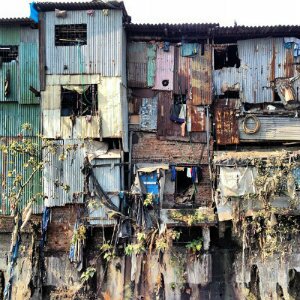 June 2015 — The next few decades will see unprecedented population growth in cities, creating new political, economic, social, and environmental conditions that will, in turn, drive new approaches to sustainable development. Across the Global South, informal communities and sectors face the greatest uncertainties as to the future, as they are excluded from basic services, securities, and rights. Yet these gaps and uncertainties also provide informal communities the greatest urgency for change, along with the freedom from more established systems to experiment and shape developments in the cities around them.
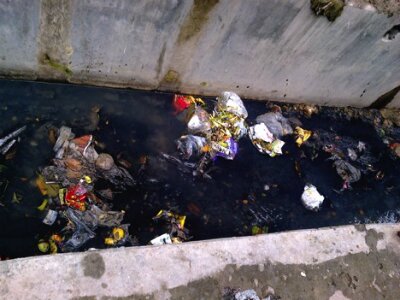 The key to Waste Concern's (WC) activities has been simple technology and community education. They initially started training families in informal settlements how to separate waste at the source and how they could transform waste into fertilizer. WC then created the framework so that the compost these families produce can be sold back to WC. Keeping the needs of the community in mind, large Indonesian composting drums were brought in to conceal the waste and minimize odor. Several families use one drum, and each month earn up to Tk. 950 (USD $12) per drum of compost. This project has allowed Waste Concern to expand to more affluent residential areas, where they started a similar door-to-door training and waste collection program. This is done at a price that allows them to cross-subsidize their operations. The organization has also opened its own composting premises for their Solid Waste Management program. Their approach was to start composting programs on a small scale and then to form partnerships with the municipality for larger projects. Waste Concern is now in the process of formulating a larger integrated waste management program between 19 cities, including Dhaka, in cooperation with their municipalities' Private-Public-Community Partnership Schemes.
 En la economía deprimida de Caracas, ¿cómo evoluciona la innovación?
 Sin embargo, en economías que sufren de grandes depresiones económicas por la inflación devastadora, los conceptos de "innovación" y "economía" se derivan como dos conceptos ajenos uno al otro, divorciados de esa fuerza ingeniosa que se ven en Nueva York o Silicón Valley. Así que, en economías deprimidas. tales como ha ocurrido en Caracas desde Mayo del 2015, nos preguntamos, ¿cómo se vería la innovación?
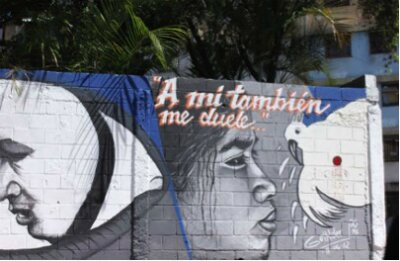
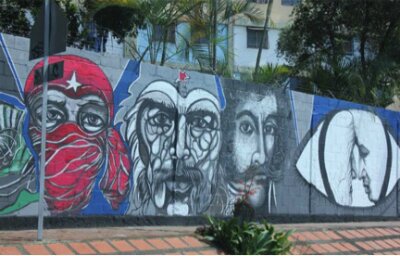 El 23 de Enero, entonces, predomina como el espíritu fantasmal de una ciudad plagada por las muertes de los pasados gobiernos derrotados, dictaduras militares y destrezas filosóficas. Hasta el nombre de este lugar representa la muerte de una dictadura militar, dura y que reprimía los derechos que hoy en día tanto valoramos dentro de la declaración de derechos humanos en el ámbito global. Es, en sus paredes, donde aparecen imágenes de una paz plagada por conflicto y violencia con otras imágenes de soldados muertos y mártires de las luchas en tiempos pasados. Cada artista encuentra su tema, y democráticamente utilizan ese espacio libre para denotar su realidad. El arte de murales exhibe los puntos de vistas de una Venezuela que tiembla de opiniones paradójicas pero emblemáticas de la pobreza que vive el país.
 The future of waste: from trash to cash
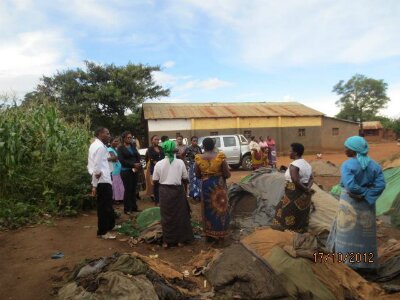 Waste management is increasingly becoming a challenge for Lilongwe's residents. The local authority can barely collect all of the waste that is generated — a 2008 study showed that the city could only collect and safely dispose of 30 percent of the city's waste. As the problem worsens and the population continues to grow, Lilongwe may soon become a city of trash.
 Bangalore NGO gives local youths tools to improve slums
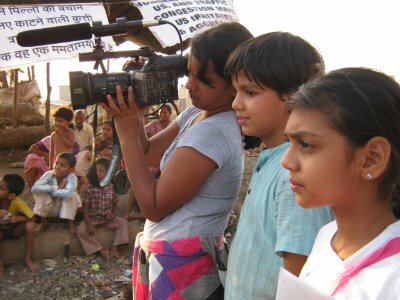 The Association for Promotion of Social Action (APSA) in Bangalore has been working to empower children and families in the city's poorest sections to become change agents in their areas. ASPA focuses on an integrated development approach that asks the community to take a collective stand, increasing their bargaining power on political, social and economic issues. For children in these areas, becoming part of the process to improve their circumstances is often a new endeavor, but central to APSA's belief in a child's right to participate. To get them there, APSA has had to devise creative strategies to build the involvement of young people in civic duties.
 Who is planning for? Planning with urbanisation and informality in Johannesburg's Spatial Development Framework
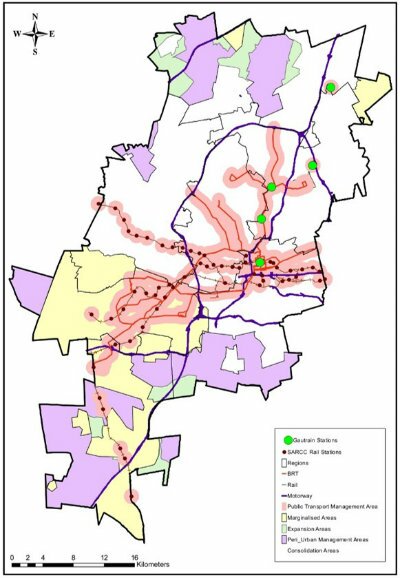 Briefly explain the role of Johannesburg's SDF.
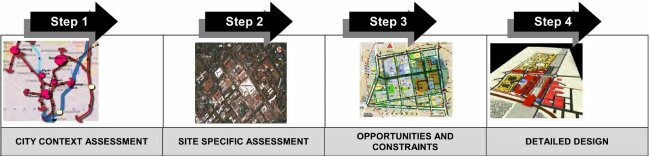 Is the SDF the most appropriate tool to address these challenges?
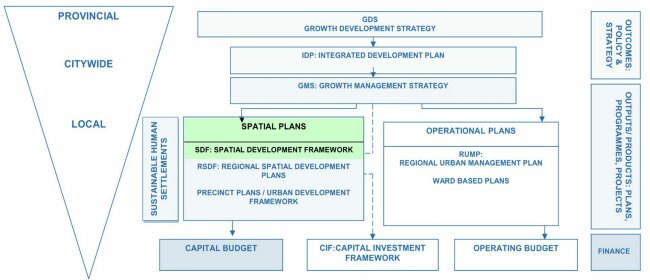 How innovative is the SDF in offering sustainable solutions?
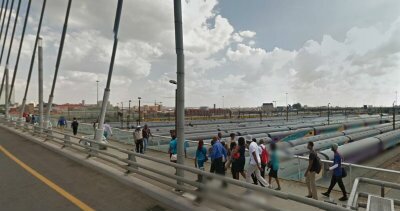 What are the major obstacles in implementation?
 Jaminan kesehatan untuk si miskin perkotaan
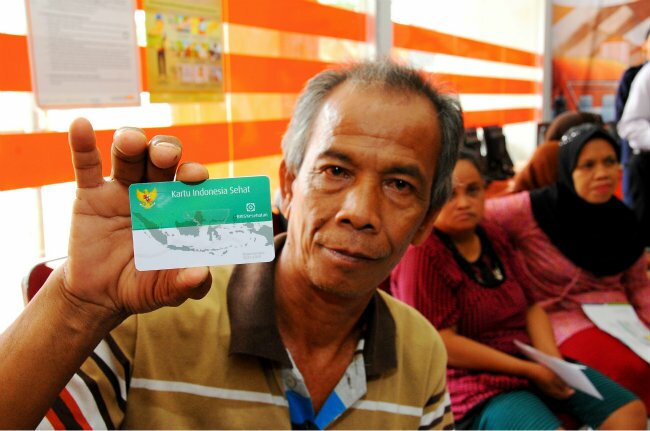 DKI Jakarta dibandingkan dengan daerah lain di Indonesia memiliki tingkat pertumbuhan ekonomi tertinggi mencapai 5.95 persen di tahun 2014. Meski demikian pertumbuhan ekonomi tersebut belum diikuti oleh pemerataan kesejahteraan yang ditandai oleh kesenjangan antara masyarakt miskin dan kaya masih tinggi sehingga masih sulit untuk menekan angka kemiskinan. Terdapat beragam bentuk jaminan sosial yang pernah dilaksanakan pemerintah seperti Jamkesmas, Bantuan Langsung Tunai (BLT), Asuransi Kesehatan (Askes), Jaminan Sosial Tenaga Kerja (Jamsostek), Taspen dan lain sebagainya. Namun demikian beragam program ini belum mampu secara efektif membantu masyarakat terentas dari kemiskinan.
 Proyecto Hermes: combatiendo la violencia escolar
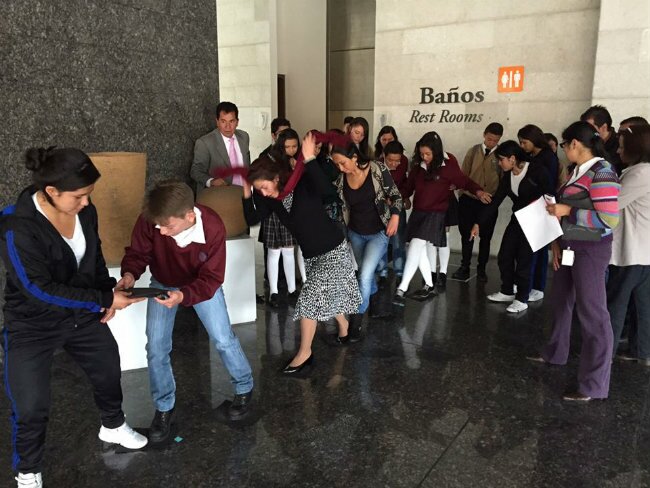 La Cámara de Comercio de Bogotá lanzó en el año 1999 un innovador programa destinado a combatir el conflicto escolar, que en el año 2001 ya adquirió el nombre por el que se le conoce en la actualidad: Programa Hermes. El objetivo del programa es la reducción de la violencia buscando mecanismos alternativos a los métodos punitivos tradicionales que han demostrado ser poco efectivos. Para ello se ha buscado involucrar no solo a los alumnos, sino también a sus familias, a los educadores y a los funcionarios administrativos de los colegios que participan. Uno de los aspectos más innovadores del proyecto Hermes es alertar a los directivos y a los educadores de que ellos pueden ser también fuentes de conflicto, o causa de la agravación de los mismos. También se ha buscado dotar al proyecto de una estabilidad institucional y financiera que asegure su continuidad, pues un problema grave en este tipo de iniciativas es que no son sostenibles a medio y largo plazo, por lo que tampoco son efectivas.
 El objetivo del proyecto es dotar a las entidades educativas de las herramientas y los conocimientos necesarios para combatir de forma autónoma el problema. El trabajo se estructura en varias fases: En la primera se realiza un diagnóstico y de apreciación de la realidad. En esta fase se abren espacios de reflexión por parte de todos los actores involucrados. La participación de los propios jóvenes en esta fase de diagnóstico es un componente esencial del programa. La siguiente fase es la de formación de docentes, a la que sigue la de formación de los propios estudiantes. Entre los jóvenes se forma un equipo de alumnos tutores que reciben formación específica por parte de la Cámara. La formación incluye la adquisición de habilidades sociales alternativas al uso de la violencia. Posteriormente se inician las fases de formación más especializada, en Métodos Alternos de Solución de Conflictos (MASC). Finalmente se lanza una fase de continuidad que establece las relaciones institucionales necesarias para la continuidad del programa.
 Quíron: empoderando a educação brasileira
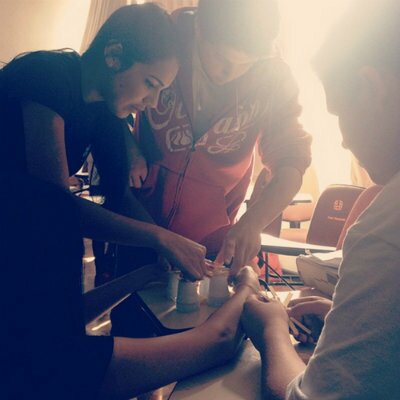 "Na nossa visão, a escola muitas vezes se torna um espaço onde há medo de errar, o erro é punido, há pouco espaço para experimentação e há sempre uma única resposta certa. Esse modelo é replicado no processo como o jovem se vê, o que é um grande problema", diz Daniel Dipp, um dos sócio-fundadores da Quíron, organização de ensino complementar e participativo com o objetivo de empoderar pessoas e formar protagonistas. "Criamos a Quíron para transformar o ensino no Brasil, para estimular o indivíduo e a diversidade, e precisávamos impactar jovens em desvantagem", continua.
 کوچه ای بهتر در محله ای فقیر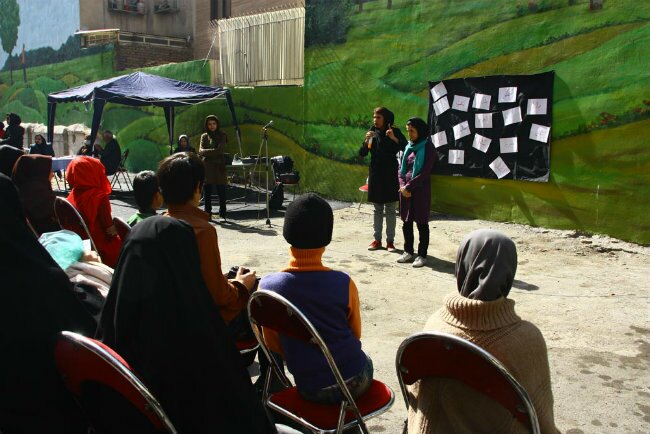
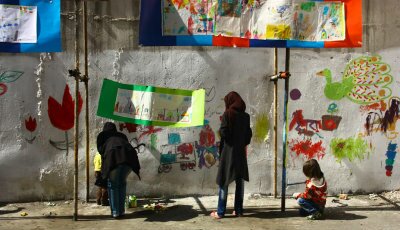
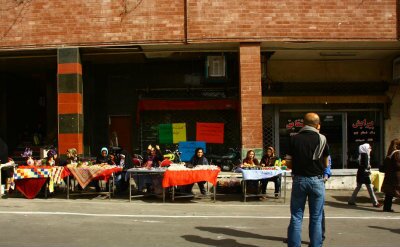

 Informal settlements: mediators between economic growth and human development
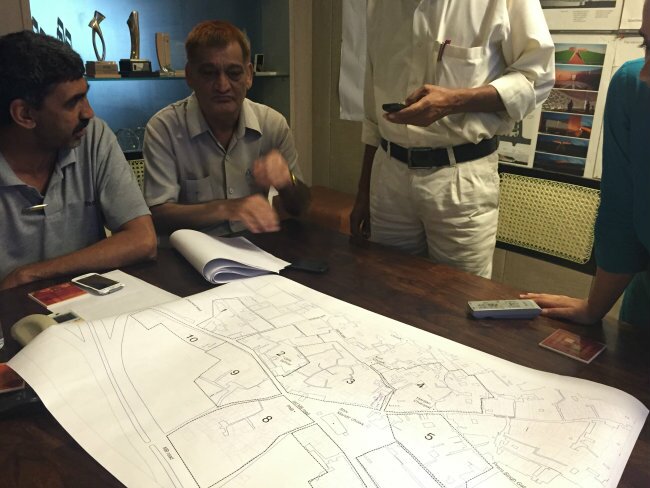 However, as stated in the pilot study on LAP for Delhi (an Indo-USAID FIRE (D) project), the Implementation of LAP raises many questions regarding stakeholder consultation: how can consultants overcome stiff resistance from residents/occupants in carrying out surveys — resistance that arises due to fear of demolition of "illegal/unauthorized" construction? How can they carry out a systematic stakeholder consultation process while preparing the LAP? More importantly, how can consultants raise the awareness of the residents/occupants to engender participation and include the under-represented?

 مشروع قومي يستهدف الشباب لتطوير العشوائيات في القاهرة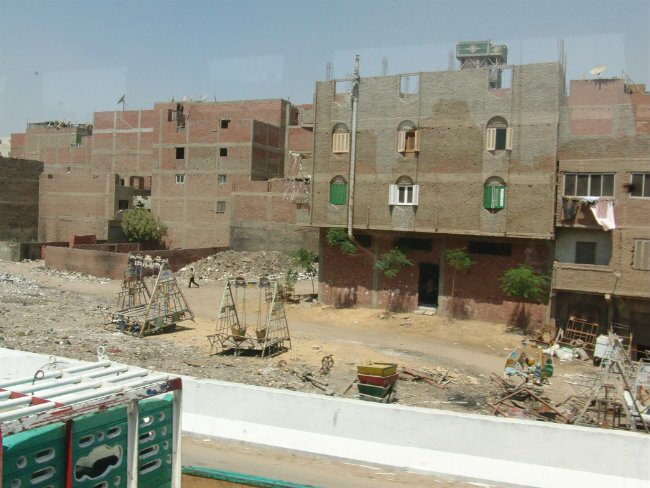
 Model pengelolaan wilayah kumuh di Surabaya diawali dengan program KIP (Kampung Improvement Program) tahun 1969 hingga 2000 yang melakukan penataan kampung dan wilayah kumuh melalui perbaikan infrastruktur dasar seperti akses jalan, jalan setapak di perkampungan, penghijauan, tempat pembuangan sampah dan mengatur limbah serta membuat gorong-gorong. Hasil dari program ini adalah perbaikan rumah-rumah di kampung secara mandiri, kebersihan lingkungan dan asri karena banyaknya tanaman dimana-mana. Kekuatan dari program ini sendiri adalah adanya partisipasi masyarakat dari sejak proses perencanaan hingga implementasinya dan kerjasama dengan pemerintah daerah sebagai mitra sejajar. Tingkat kemandirian dan swadaya masyarakat juga besar sehingga program ini dapat berlanjut meski dana dari Bank Dunia telah lama habis.
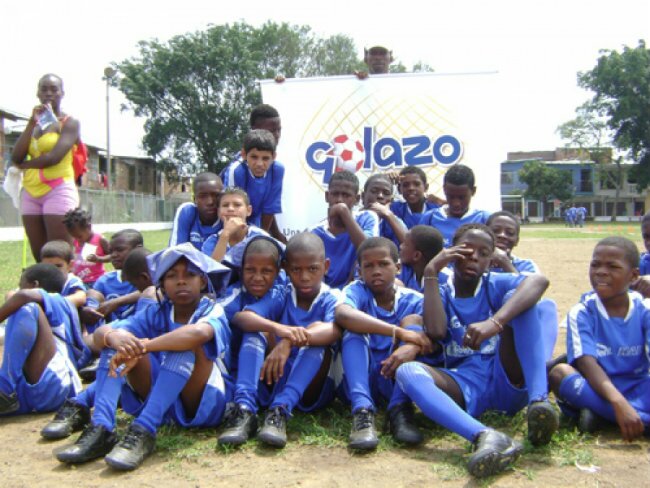 En este sentido la Fundación Carvajal ha lanzado el Proyecto Golazo, que se desarrolla en los barrios El Retiro y la Comuna 18. Este proyecto alcanza a unos 500 niños entre las edades de 6 y 16 años. Cuenta con el apoyo de otras ONG como Ayuda en Acción y la Agencia Presidencial de Cooperación Internacional.
 Por una cultura de reciclaje de la Ciudad
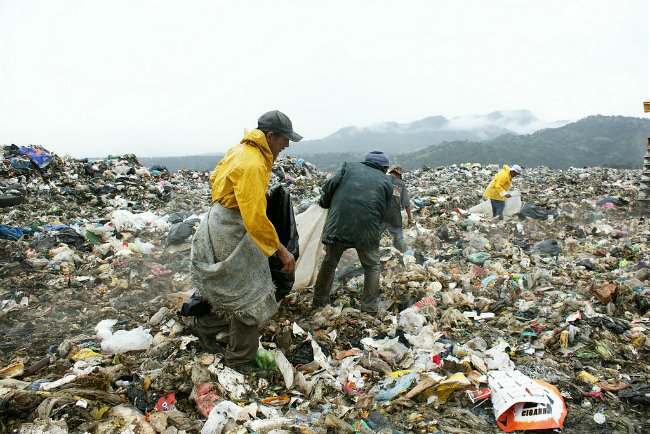 Ante este contexto, desde el año 2012 el Gobierno del Distrito Federal cuenta con un Plan Verde del cual se desprenden una seria de acciones de reciclaje. Una medida que están tomando es la separación de residuos sólidos, en donde ciertos días de la semana el camión de la basura recoge desechos orgánicos y el resto de los días desechos inorgánicos. Así mismo, el Plan Verde difunde información sobre hábitos de consumo, invitando a la población a comprar productos que tengan el emblema de reciclaje o con empaques naturales: de cartón, de papel o vidrio; evitar comprar productos sobre empaquetados y disminuir la cantidad de plásticos utilizada. Por su parte, dentro del Plan, se encuentra la estrategia "No tires lo que aún vale, mejor recíclalo", la cual genera mercados temporales de intercambio en diversos puntos de la ciudad, en donde la gente puede cambiar sus artículos de reciclaje bajo un sistema de puntos para la adquisición de alimentos frescos de productores locales. Ejemplo de esto es el Mercado de trueque y el Reciclatrón que recibieron residuos inorgánicos, así como eléctricos y electrónicos, que son reutilizados por diversas empresas de reciclaje como materia prima.
 From carts to trucks: efficiency in waste management
 The Lagos State Waste Management Authority (LAWMA) is responsible for waste management across Lagos. The agency currently takes advantage of public-private partnerships, which have modernized and formalized waste cart pushing. Through extended services made possible by these private service providers, the system has been developed to allow waste collection through modernized means that ensure proper disposal of waste even from remote areas. Various methods exist for waste collection — inner-city areas with narrow roads are reached via mini skip trucks and automotive tricycles instead of wheelbarrows and push carts. This allows for more collection per area, adds ease and dignity to the process, and ensures proper disposal to official landfills since each operator is accountable to a regulating body that enforces good practices and monitors service delivery. Because of the former indiscriminate system of informal refuse collection and the ensuing challenges, LAWMA's current system ensures that waste materials are classified into categories such as medical, industrial, and domestic, and disposed of appropriately.
 Services are provided through direct collection by LAWMA, through indirect collection (on behalf of LAWMA) by the private sector, and through franchising. Franchising and private servicing provide an opportunity for informal waste collectors to enter the formal economy. This is beneficial for many reasons, including the fact that it allows for standardized and increased payment, as the waste management agency has a unified pricing system per tonnage, as opposed to indiscriminate pricing in the informal economy. It also encourages women to get involved in the sector, as the collection activities have been mostly automated, as opposed to the intense exertion of cart-pushing.
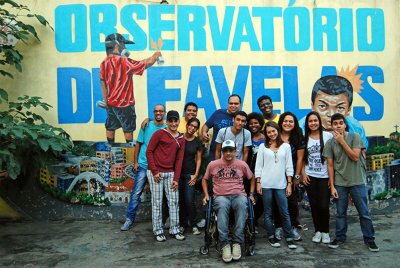 Fundada por intelectuais oriundos das comunidades, hoje a organização concentra 70 colaboradores de origens distintas, que atuam em mais de vinte projetos divididos em cinco áreas: Comunicação, Cultura, Direitos Humanos, Educação e Políticas Urbanas. O mais antigo é o Conexões de Saberes, que fortalece os vínculos entre zonas em vulnerabilidade e 33 universidades federais e incentiva a permanência qualificada dos universitários de origem popular na graduação. Para isso, oferece apoio financeiro e metodológico aos estudantes, que, em contrapartida, devem produzir conhecimentos científicos e planos de intervenção em seus territórios — um fluxo importante de experiências e demandas entre o ensino superior e as periferias urbanas.
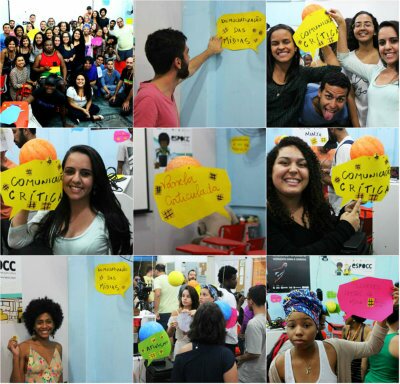 A Espocc tem apoio da Petrobras, da Brazil Foundation e do ICCO e
 Innovations in health care access for Nairobi residents
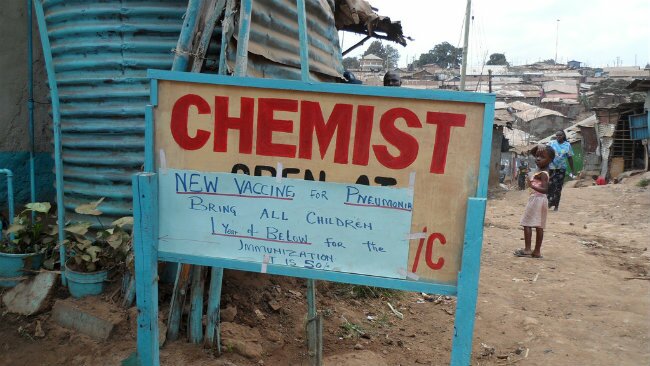 Though Kenya has consistently improved the quality and scope of health care coverage across the country, many challenges remain. For example, since 1990 the nation's maternal mortality ratio has declined from 490 to 400 deaths per 100,000 live births as of 2013. Under-five mortality has also declined from 99 to 71 deaths per 1,000 births from 1990 to 2013. Yet, the greatest burden of disease, or disability-adjusted life years lost to premature mortality and disability, in 2012 remained those associated with maternal, neonatal, and nutritional causes.
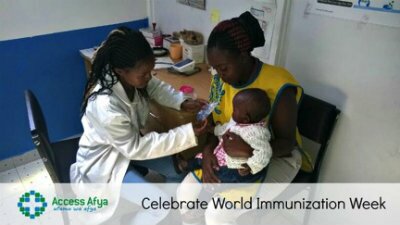 The clinics offer onsite consultation, diagnostics; electronic patient records maintenance and dispense medications. Patients pay for services and medications as well as having the option to buy related health and hygiene products. This revenue works to ensure sustainability of the direct medical services provided on-site and to keep the cost of accessing direct care low.
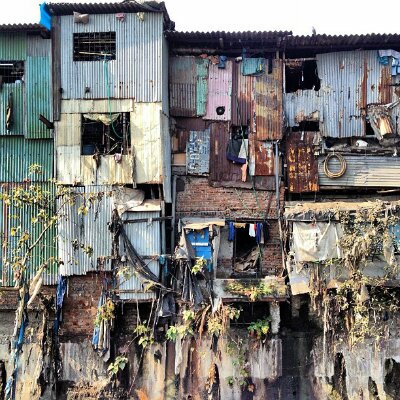 In December 2014, Mumbai's Urban Design Research Institute (UDRI) decided to reach out to the global community to gather innovative proposals for addressing Dharavi's issues. The core idea of
 "BCA — Tác nhân thay đổi": Nơi lan toả động lực để thay đổi cộng đồng
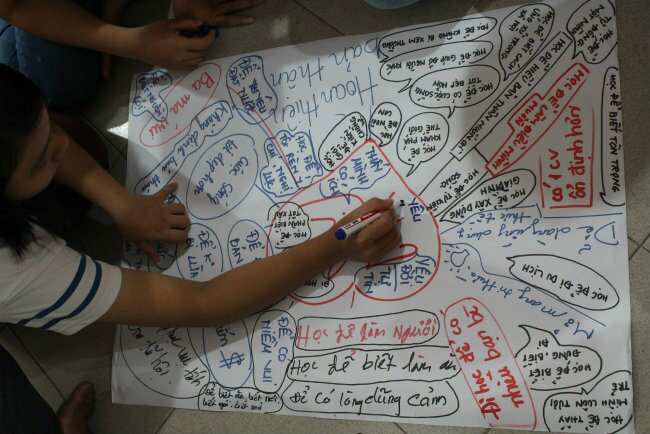 BCA — tạo ra động lực thay đổi một cách bền vững
Comments
BCA working on people's self esteem
Hi Tam Nguyen,
Thanks for your article. These days I was reading an article about the work of psychiatrist James Gilligan, who has a very interesting thesis that describes violence as an attempt to replace shame with self-esteem. It made me think a lot about the power of our exclusionary realities in people most deep essences and personalities. I think one of the most serious problem we face is that people in vulnerable situations are often seen as part of a homogeneous and stereotyped mass, and they are made to believe that a change is not possible. Unfortunately, at least in Brazil, traditional public education seems to reinforce that – it doesn't stimulate critical thinking and it doesn't encourage people to make way for new perspectives. That's why initiatives as these one are so important. While preparing youngsters to think beyond the problems' surface and propose solutions in practical ways, they work in theses kids' self-esteem, make they stronger, show them that they have the power to intervene and to conquer, show they are valuable, creative and powerful human beings – and maybe this is the strongest tool one can have to fight for a better life.
Linking students from the Favelas
Andréa, I enjoyed a lot your article. It is amazing how this laboratory came true from the initiative of intellectuals of the community. It would be interesting to know more about how these intellectuals launched the proyect and obtained the financial resources in order to create the asociation and support students of the favelas. More over, I was wondering if you could explain what happens when students finish the academic programe, is there any strategy to link them to the enterprises or the labor market?
LAWMA project
Dear Olatawura
Great piece giving idea on a very persistent issue as waste management. I wonder how much is the per capita payment for this service provided by LAWMA despite it was franchised and if the employees working in this project are trained and their safety is maintained before practicing such services?
Best!
training/cost
Thank You shaima. The personnel are trained before engaging there are strict specification to be met before the contract is awarded. Specific number of trucks to ensure the areas can be fully covered and many checks along the way to ensure efficiency including resident feedback. How well this sources are utilized however, is unclear. Citizens seem not to be proactive or aware of this option. Regarding the fees, as far as I understand, this is basically per tonnage/ location. The tariff is lower in low income areas and costed per waste bin picked up monthly.
Linking students from the Favelas
Hi María Fernanda, thanks for asking!
Observatório de Favelas, in its most early origin (before having this name even), began as a program of IETS – Instituto de Estudo do Trabalho e Sociedade (Portuguese for "Institute for Labour and Society Studies"), an initiative of Rio de Janeiro's government (of its Labor and Employment "delegation") to strengthen the relationship between researchers, policymakers and other stakeholders committed to the fight against poverty. The IETS is a Civil Society Organization of Public Interest, a title that facilitates the creation of partnerships with all levels of government and public agencies and allows public and private actors to contribute with financial donations (discounted of its income tax payments).
When Observatorio de Favelas (actually, what it would become OF) was an IETs program (funded by private partners through discounts in their tax), it was a group of researchers hired to work in two levels: producing research (to enlarge the qualified knowledge of the slums and urban phenomena) and training local researchers (that's when they created "University Network Program for Popular Spaces", which in the future would turn into Conexões de Saberes). Over the years, these researchers got more and more engaged with the community and expanded their operations a lot, so they decided to become an autonomous entity.
At this point, they had already formed new researchers, had already been in contact with lots of community leaders and scholars throughout the city, and also had made relations with various companies and government representatives. It's likely that in the beginning they had to dedicate time and work voluntarily to establish partnerships, but this changed. Today, they are supported by many many partners, from private companies and NGOs to the government: http://of.org.br/parceiros/ . It was something progressive: the more partnerships they had, more manpower they could hire to train new workforces and to start new projects.
Regarding Conexões de Saberes, the program goal is to make students keep their studies at the university, to avoid them to give up. The idea is that they apply for master's degrees, PhD, Postdoctoral... and I'm sure they are supported to compete for scholarships in their educational institutions too. In this case, this is already an strategy to link them to the labor market, as they are pursuing an academic carrer. In addition, many of them continue to work for OF after graduating, but I don't know whether they are paid or not. I'm not sure either if Observatorio scholarships are directed only for undergraduate students or to MS, PhD... too. I've asked them by e-mail and let you know asap.
To finish, regarding Espocc, it's kind of the same: the program goal is education, forming youngsters. All the students are enrolled in school or are just starting university (the age range is roughly from 14 to 20), so the focus is to study, not to work. As part of the practical education, they do internship, what usually takes part in Diálogos, Espocc agency. Some Espocc classes are held in partners headquarters (advertising agencies, TV channels) and, as a result, students do a lot of contacts with professionals who are already in the labor market. I don't know, however, if there are any subsequent programs focused on officialy inserting these youngsters into the labor market. I'm gonna check that and, as soon as I have further information, I'll let you know.
I'm sorry for my infinite answer, I hope it helps! :)
What are the major obstacles in implementation?
In Johannesburg as in São Paulo, It really does seem like the greatest challenge for the urban poor to achieve substantive citizenship is to make the elite agree on material redistribution. For instance, here in city’s central area there are lots of abandoned buildings as well as many organized homeless groups with the right expertise to “renovate” them. Nevertheless most of government actions favor buildings’ legal owners, as a way to ensure their right to speculate with urban property.
Trash to Cash
Hello Wonderful, your article is very interesting, its inspiring to see how individuals without government support are working to improve their environment. You mentioned the initial project helping turn trash to cash is over, I wonder if there was any plans from the authorities to incorporate this system into their waste management plan as they aren't covering all areas. Pushing this mechanism large scale seems like a viable option to prevent lilongwe being overrun by waste.
Add new comment