 کوچه ای بهتر در محله ای فقیر
مریم امیری
Maryam Amiri, Tehran Community Manager
تخریب و بازسازی بافت های فرسوده شهری، غیر از مشکلات اقتصادی و فرهنگی که برای ساکنان قدیمی و جدید محله ایجاد می کند، از نظر کالبدی نیز خطرات و مشکلاتی به دنبال دارد. در تهران، یکی از نمونه های شکست خورده از تخریب کامل محله پروژه «نواب» است که در دهه 1370 انجام شد. این طرح بافت محله فقیرنشین «سلسبیل» را به طور کامل تخریب کرد به جای آن و حول بزرگراهی که همزمان احداث شد، آپارتمان های مسکونی سربرآورد.
ساکنان قدیمی سلسبیل دیگر نتوانستند پیوندهای اقتصادی و اجتماعی تخریب شده را بازسازی کنند. بسیاری از آنها به مناطق حاشیه ای تر و فقیرنشین تر رانده شدند. علاوه بر این محله جدید خطرات کالبدی جدیدی آفرید. فضاهای بی دفاع در فضاهای رها شده پشت آپارتمان های بلندمرتبه یکی از این خطرات است.
فضاهایی که جای مناسبی برای انواع جرائم مانند مصرف مواد مخدر ، دزدی و زورگیری شده است. این فضاها به ویژه برای زنان و کودکان خطرآفرین است.
سازمان باهمستان با آگاهی نسبت به این مشکل، پروژه خلاقانه ای در یکی از کوچه های پرمسئله این محله اجرا کرد که پروژه «کوچه بهتر» نام داشت. ایده کوچه بهتر متعلق به جیسون رابرتز است که برای نخستین بار در آمریکا اجرا شد. اساس ایده این است که به جای برنامه ریزی بالا به پایین، خود مردم در هر جایی می توانند محل سکونت خودشان را بهبود بخشند. این رویداد تجربه متفاوتی از مشارکت گروههای محلی و متخصصین حوزه شهری برای بهبود زندگی شهری بود.
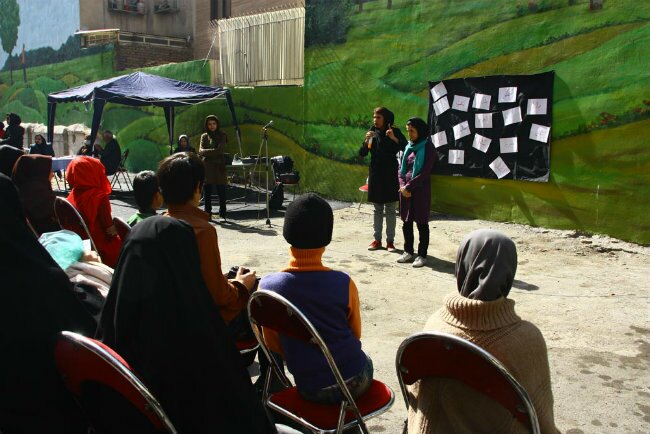
در روز 10 اسفند 1391 این طرح اجرایی شد. چهار ماه پیش از آن، اعضای باهمستان کارگاههای متعددی با زنان، کودکان، سالخوردگان و اصناف مختلف محله برگزار کردند. هدف این کارگاهها کشف مهمترین مشکلات محله بود که هر گروه با آن دست و پنجه نرم می کند. همچنین هماهنگی های لازم با مدیران شهری صورت گرفت.
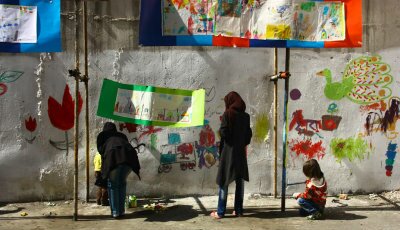
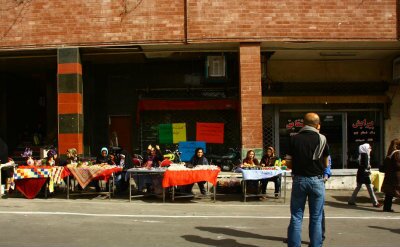
رنگکردن و زیباکردن کوچه، انجام بازیهای جمعی و گروهی، ایجاد غرفههایی برای فروش محصولات کارآفرینان محل، صنایع دستی و خوراکی، ایجاد فضای سبز در کوچه، اجرای تاتر به صورت مشارکتی، کاهش آلودگیهای صوتی و محیطی بخشی از اقدامات انجام شده در این پروژه بود. همه این اقدامات توسط خود مردم محله انجام شد.
هدف پروژه علاوه بر بهبود وضعیت کالبدی محله و از این رهگذر بهبود وضعیت امنیت ساکنان، به کار گیری ظرفیت مشارکتی آن ها و استفاده از آن به عنوان موتور محرکه اصلاحات شهری دیگر در محله بود.
چهارماه پس از این رویداد، مدیران شهری تغییرات مثبتی در این کوچه صورت دادند. این برنامه و فرایند شکل گیری آن، موجب تشکیل گروه های محلی شد که پیگیر تحقق خواسته های خود از شهرداری شدند که بخشی از آن ها از جمله احداث پارک و رنگ آمیزی کوچه محقق شد.
Permalink to this discussion: http://urb.im/c1506
Permalink to this post: http://urb.im/ca1506tep
A better block in a poor neighborhood
Maryam Amiri, Tehran Community Manager
Tehran, 16 June 2015
It has been shown that deconstruction and reconstruction projects in deteriorated urban areas can lead to severe economic, social, and even physical consequences for residents. In Tehran, one of the most notorious examples of these is the "Navvab Project," through which Tehran's Municipality demolished the texture of Salsabil, a poor neighborhood, and instead constructed a new highway, rebuilding new residential apartments around the highway. The neighborhood was suddenly separated into two different parts, and residents could no longer rely on their social and economic connections. Most of them were exiled to other poor neighborhoods or marginalized areas outside of the city since the new apartments were unsafe: they had been built in a way that formed new indefensible urban spaces and made the neighborhood less safe, especially for children and women. These spaces were largely used as areas for crime, like drug dealing, robbery, and mugging.
To address this issue and the difficulties residents were facing, the Bahamestan Institute launched an innovative project, called "Better Block," in part of the neighborhood. The idea, originally belonging to Jason Roberts, was shaped around an opposition to the "up down" view of urban planning. According to this new idea, communities can actively engage in the reconstruction process and provide real-time feedback. In Iran, this plan offered a unique participation experience for groups of local residents and urban experts working to improve living condition for the residents of high-poverty and high-crime neighborhoods.
The upgrading project took place on February 25th, 2014, but before, the Bahamestan Institute held several workshops with groups of women, children, adolescents, and elderly residents to find out what the most important challenges are for each group. Activists also met with urban managers at local levels to build consensus.
On the chosen day in February, lots of work was done, all by the residents. They painted and beautified the block, played games, put on theater plays, established booths for local sellers, and found solutions for reducing noise and environmental pollution, and increasing green spaces.
This significant level of resident participation was very important. All of the physical and security-related improvements on the block are the beginning of future structural urban reforms in whole neighborhood, all of which will proceed with the residents.
Four months later, local urban managers have taken positive actions and changed some of the dangerous spaces of the block. Moreover, the Better Block project has provoked local groups to establish unions to follow up on requests to the municipality and other formal urban administrations. The construction of a new local park and the promotion of neighborhood safety were two main requests that residents succeeded in achieving following their efforts with this project.
Permalink to this discussion: http://urb.im/c1506
Permalink to this post: http://urb.im/ca1506tep