 Um Rio mais fluído sobre trilhos?
Andréa Azambuja, Coordenadora da Rede em Rio de Janeiro
Rio de Janeiro, 27 abril 2016
Em menos de quatro meses, os Jogos Olímpicos de 2016 oficialmente chegarão ao Rio de Janeiro, após cerca de oito anos de planejamentos urbanos questionáveis, construções superfaturadas e muita controvérsia. Muitas das obras aceleradas para o evento são relativas à mobilidade e, agora, prestes a ser totalmente entregues, estão sendo mais aguardadas do que qualquer prova esportiva.
Uma das mais comentadas é a rede de veículos leves sobre trilhos (VLT), modal não poluente movido à eletricidade, pioneiro no estado. O VLT carioca também é um dos primeiros do mundo projetado sem a tecnologia catenária, que usa cabos e fios suspensos para captação de energia – os veículos contam com um sistema próprio de geração, pelo solo, que, além de não utilizar combustível fóssil, armazena a força gerada no processo de freagem, sendo, assim, ainda mais sustentável e econômico.
O VLT carioca, que deve ser inaugurado oficialmente no próximo mês, terá aproximadamente 28km de extensão, divididos em seis linhas, com quatro estações principais e 42 paradas. Ao todo, serão 32 "bondes" em ação, durante 24 horas, sete dias por semana, todos equipados com ar condicionado e integrados com o Aeroporto Santos Dumont, barcas, trens, metrô, ônibus, teleféricos e BRTs. A expectativa é que transportem até 300 mil indivíduos por dia, com velocidade de 18km/h nos trechos mais difíceis e, durante a madrugada e em perímetros menos concorridos, de até 50km/h.
Uma das grandes novidades do novo meio transporte é o modo de pagamento: a compra da passagem será feita do lado externo dos veículos – que não contarão com catracas, roletas ou cobradores –, e a tarifa será validade voluntariamente pelos próprios passageiros, num leitor digital. Talvez uma opção improvável para a cidade até pouco tempo atrás, a iniciativa incentiva uma mudança expressiva no comportamento do usuário, uma nova civilidade baseada na boa-fé, uma experiência interessante num país conhecido pelo "jeitinho brasileiro".
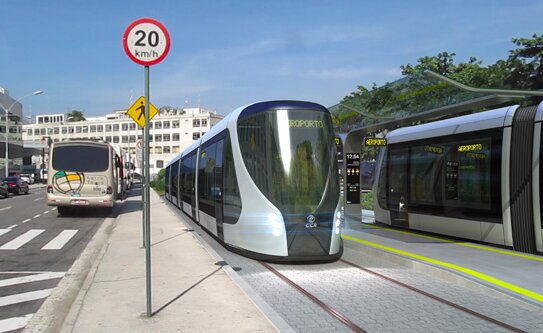
A rede de VLTs carioca faz parte do Porto Maravilha, um amplo projeto municipal para revitalizar a zona portuária e seus entornos, e resgatará as lembranças dos primeiros bondes elétricos da capital, que começaram a circular em 1892. Em muitos pontos, o itinerário dos veículos será o mesmo de 160 anos atrás, todos terão mecanismos de controle de ruído para minimizar o impacto das vibrações em prédios históricos e até uma buzina especial reproduzirá a campainha dos antigos bondes.
Se a importância do resgate histórico é inquestionável, nestas proporções deixa dúvidas: o VLT é anunciado pela Prefeitura como "a solução de mobilidade urbana que o Rio de Janeiro esperava", custou aproximadamente R$ 1.200 bilhão (R$ 532 milhões com recursos federais do Programa de Aceleração do Crescimento (PAC) da Mobilidade, e R$ 625 milhões viabilizados por meio de parceria público-privada da Prefeitura), mas faz um caminho curto e atende uma parcela extremamente reduzida da população. Enquanto o poder público argumenta que o sistema tirará 60% dos ônibus e 15% dos carros que circulam atualmente no centro, moradores perguntam como devem, em primeiro lugar, chegar à região e bradam que jamais foram consultados sobre suas necessidades. Solução eficiente de locomoção, ou interesses econômicos mascarados de boa intenção? Resta ver o bonde, quer dizer, a Olimpíada passar e aguardar o que o futuro dirá.Close.
Foto: VLT do Rio de Janeiro, pela Prefeitura
Permalink to this discussion: http://urb.im/c1604
Permalink to this post: http://urb.im/ca1604rjp
Rio on rails – is it a better game?
Andréa Azambuja, Rio de Janeiro Community Manager
Rio de Janeiro, 27 April 2016
In less than four months, the 2016 Olympic Games officially arrive in Rio de Janeiro, after about eight years of questionable urban planning, overpriced buildings and much controversy. Many of the construction jobs accelerated for the event are related to mobility – and now that they are about to be fully delivered are being much more anticipated than the sporting events.
One of the most talked about is the network of light rail vehicles (LRV), a non-polluting modal vehicle powered by electricity, a pioneer in the state. Rio's LRV is also one of the first in the world designed without the catenary technology, which uses overhead wires for energy harvesting; the vehicles have their own ground-based energy system, which, apart from not using fossil fuel, stores the force generated in the braking process, making it even more sustainable and economical.
Rio’s LRV, which is to be officially opened next month, will be approximately 28km long, divided into six lines, with four main stations and 42 stops. There will be a total of 32 "trams" in action for 24 hours, seven days a week, all equipped with air conditioning and integrated with the Santos Dumont Airport, barges, trains, subways, buses, cable cars and the BRT. The system is expected to carry up to 300,000 people a day, with a speed of 18km/h in the most difficult passages and, during the night and in less crowded perimeters, up to 50km/h.
One of the great innovations of the new medium transport is the mode of payment: passes will be purchased outside of the vehicles (without turnstiles or collectors) and the fare will be validated voluntarily by passengers themselves in a digital reader. Perhaps an unlikely choice for the city until recently, the initiative encourages a significant change in user behavior, a new civilization based on "good Faith," an interesting experience in a country known for the so-called “Brazilian way” in which individuals are expected to put self-interest and improvization above public concerns and regulations.
Rio's LRV network is part of Porto Maravilha, a large municipal project to revitalize the port area and its environs, and will rescue the memories of the first electric trams in the capital, which began to circulate in 1892. At many points, the route of vehicles will be the same 160 years ago, all of them will have noise control mechanisms to minimize the impact of vibrations on historical buildings and even a special horn to play the bell of the old trams.
The importance of historical rescue is unquestionable, but, at these proportions, it's raises doubts: the LRV is announced by the city as "the urban mobility solution that Rio de Janeiro expected," it cost approximately R$ 1,200 billion, but will run a very short way and serve a small portion of the population. While the government argues that the system will take capacity shares from 60% of buses and 15% of the cars currently circulating in the city center, residents are asking how they should reach the region in the first place and saying they were never consulted about their needs. Is it an efficient solution of locomotion, or masked economic interests for tourists to see? We will have to see the tram, that is, the Olympics passing and wait for what the future will tell.Close.
Photo: LRV, by the City Hall's press agency
Permalink to this discussion: http://urb.im/c1604
Permalink to this post: http://urb.im/ca1604rjp

 Dhaka, 21 September 2016 — Owing to rapid and unsustainable urbanization in Dhaka city, existing roads and transportation system is no longer adequate to endure the city’s population and growing need lower commute time. The traffic congestion in Dhaka city is estimated to cause an economic loss worth about 2 billion US dollars and rising. The big idea to combat this ascending issue is a 2.5 billion US dollar metro project aimed at controlling traffic congestion and providing efficient transport for city dwellers on the busiest route of the city. See more.
 Dhaka’s traffic nightmare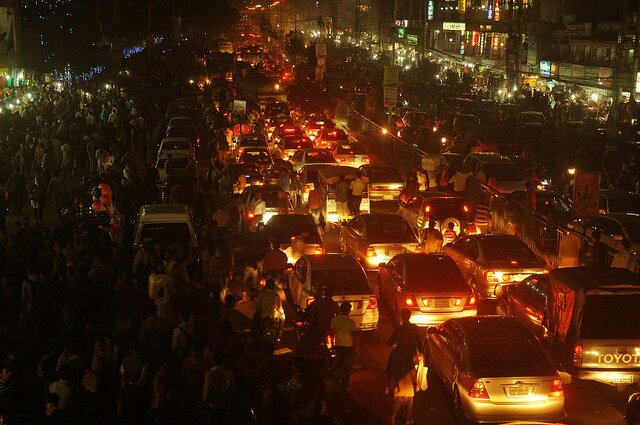

 Grande São Paulo alcança 21 milhões de habitantes mais heterogênea, menos desigual, e muito menos congestionada

 Bogotá como Región: Entrevista a Pedro Ortiz

 IT-enabled systems help Bangalore Traffic Police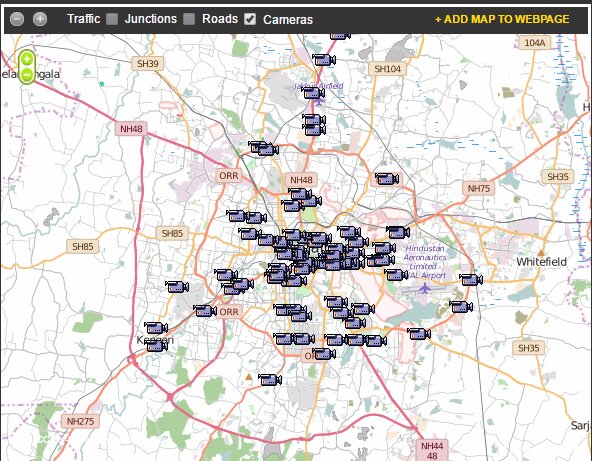

 El "Humano Aumentado" toma sus primeros pasos en Caracas
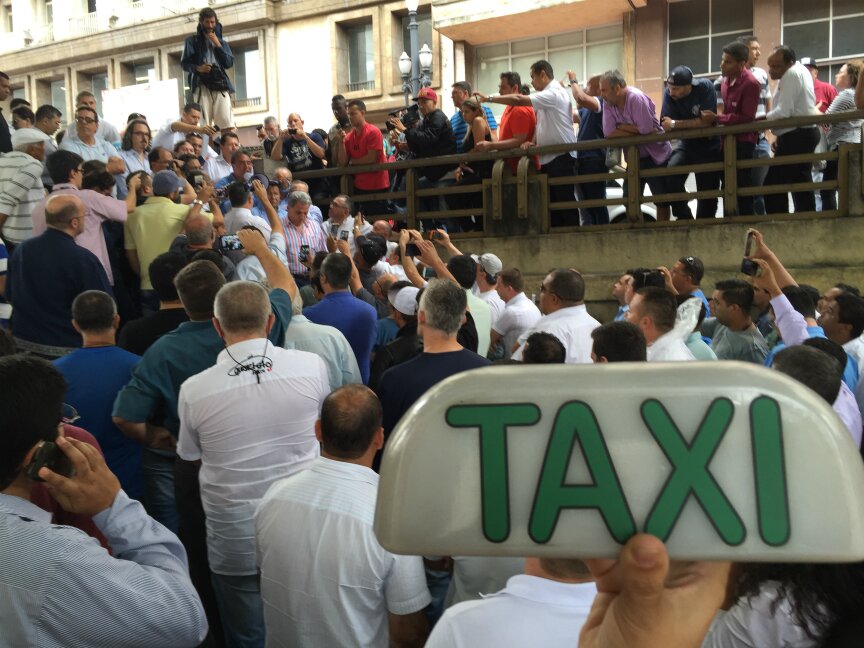 A ideia defendida pela SP Negócios, empresa municipal que estuda novos negócios e parcerias-público privadas, é regular este mercado cobrando pelo uso intensivo do sistema viário da cidade.
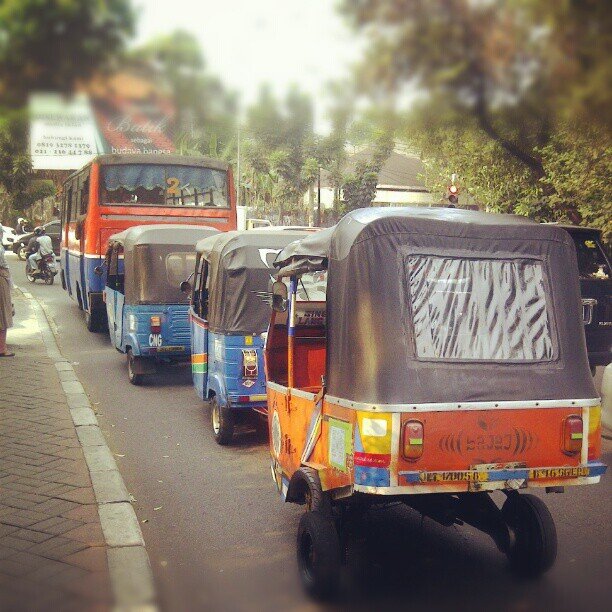
 Bajaj sebagai alternative Transportasi Publik Perkotaan