
Pengarusutamaan gender Melalui Sektor Ekonomi dan Infrastruktur
 Surabaya, 28 March 2016 — Kelompok perempuan di Surabaya masih rentan terhadap perilaku diskriminasi sosial dan ekonomi. Program Pengarusutamaan gender yang diusung walikota Surabaya mencoba menjadi jembatan mengatasi gap antara perempuan dan laki-laki dalam berbagai sektor. Iniasiai Kota Peduli perempuan dan Perempuan Pahlawan Ekonomi diharapkan mampu mewujudkan kota inklusi yang aman bagi semua warganya. Baca lebih lanjut.
Mainstreaming Gender to create a Surabaya for all
Surabaya, 28 March 2016 — Women are still considered a vulnerable group and prone to social and economic discrimination. The gender mainstreaming strategy by Surabaya’s mayor aims to fill in the gender gap to reduce inequalities between men and women in every sector. Two related programs were launched called Women Friendly City and Women Economic Heroes and both are expected to be able to help make Surabaya an inclusive city. See more.
 Pengarusutamaan Gender Melalui Sektor Ekonomi dan Infrastruktur
Widya Anggraini, Surabaya Community Manager
Surabaya, 28 March 2016
Tiga faktor utama yang mendorong proses urbanisasi di Surabaya adalah upah tenaga kerja, kesempatan kerja dan hubungan keluarga. Dominasi mereka yang datang adalah laki-laki namun seiring waktu jumlah perempuan yang melakukan migrasipun bertambah. Umumnya mereka beralasan mengikuti suami atau saudara ikut ke kota. dari sisi pendidikan, perempuan yang bermigrasi kebanyakan hanya menyelesaiakan pendidikan dasar. Akibatnya perempuan menjadi rentan terhadap perilaku diskriminasi di bidang sosial ekonomi. Tantangan lain yang dihadapi perempuan adalah terkait akses terhadap sumber dana, rentan menjadi korban perdagangan manusia dan kekerasan rumah tangga. Oleh sebab itu, sebagai bagian dari pengarusutamaan gender di Surabaya dan mengatasi permasalahan yang muncul akibat gender makan diluncurkanlah program Kota Peduli Perempuan dan Perempuan Pahlawan Ekonomi.
Program Kota Peduli Perempuan yang dijalankan Badan Pemberdayaan Masyarakat dan Keluarga Berencana (Bapemas dan KB) Kota Surabaya merupakan realisasi dari strategi pembangunan sebagaimana tercantum dalam dokumen RPJMN yang menetapkan adanya peningkatan kualitas hidup, perlindungan perempuan dan anak serta kesetaraan gender. Dengan demikian, segala kebijakan pemkot diarahkan untuk meningkatkan koordinasi kelembagaan dalam proses pembangunan dan meningkatkan pelayanan, perlindungan dan pemberdayaan perempuan. Program ini telah dimulai tahun 2012 dan dilaksanakan sampai tingkat kecamatan, desa dan kelurahan. Pada daerah-daerah ini telah disediakan pos-pos dimana perempuan bisa melakukan pengaduan atas pelayanan publik dan memperolah haknya.
Sementara itu, dalam hal ketersediaan infrastruktur ramah perempuan, ditandai dengan disediakannya fasillitas yang memudahkan perempuan menjalankan aktivitasnya seperti ruang laktasi di area perkantoran SKPD di Surabaya. Himbauan juga disampaikan kepada pengelola pusat perbelanjaan agar menyediakan ruang laktasi. Dukungan dana pada awal program ini sebesar 4,7 miliar dan jumlah ini terus meningkat pada tahun-tahun sebelumnya.
Pengarusutamaan gender di Surabaya dijalankan bukan hanya didorong melalui perbaikan fasilitas pelayanan publik yang ramah perempuan namun juga dengan mendorong kemandirian ekonomi perempuan melalui program Perempuan Pahlawan Ekonomi (PPE). Program ini dilaksanakan dengan menggandeng pihak swasta sebagai mitra mengembangkan UMKM perempuan yang tersebar di Surabaya. PPE akan memilih sosok pahlawan ekonomi yang mampu membawa perubahan dalam keluarga, perusahaan dan lingkungannya. Proses pemilihan dilakukan melalui beberapa tahap dari proses rekrutmen, seleksi, pemilihan, pengembangan dan peluncuran dimana pemenang berhak atas kontrak kerja untuk menyediakan barang/jasa tertentu. Program ini menjadi program unggulan pemerintah sebab memungkinkan adanya kolaborasi antara UMKM perempuan dan pihak swasta yang ikut membantu mengembangkan usaha ekonomi mandiri kelompok perempuan.
Komitmen pemkot Surabaya dalam pengarusutamaan gender tergolong baik jika dibandingkan kota lain di Indonesia. Perhatian terhadap kesejahteraan perempuan sangat tinggi, tercermin dari program-program dan dukungan dana yang ditujukan untuk kesejahteraan perempuan. Pada satu sisi pemerintah mendukung dengan mempersiapkan infrastruktur yang ramah perempuan dan di sisi lain pemerintah menggarap sektor ekonomi untuk peningkatan pendapatan rumah tangga dan menumbuhkan rasa percaya diri perempuan. Program ini secara perlahan telah mampu meningkatkan kesadaran dan kepedulian masyarakat terhadap permasalahan gender di berbagai bidang sehingga Kota Surabaya dapat menjadi tempat yang aman bagi setiap warganya. Tantangan utama program ini adalah merubah mindset aparat pemberi layanan untuk tidak melakukan diskriminasi dan mendorong partisipasi aktif perempuan dalam program pemerintah sebagai bagian dari kunci sukses mendorong terciptanya Surabaya yang nyaman dan aman bagi semuanya. Close.
Foto: Tau Banget
Permalink to this discussion: http://urb.im/c1603
Permalink to this post: http://urb.im/ca1603sui
Mainstreaming gender to create a Surabaya for all
Widya Anggraini, Surabaya Community Manager
Surabaya, 28 March 2016
There are three main driving factors for urbanization in Surabaya: labor wages, work opportunities and family relationships. While men are the dominant migrant group in Surabaya, over time women have also migrated to urban areas due to following a husband or relative. Female migrants usually have lower education levels than men; hence, they are usually lower paid than men. Many of these women end up working as housemaids or factory laborers. Their challenges are different than they are for men. Women have limited access to funding, are prone to human trafficking and subject to domestic violence. Therefore, as part of a city-wide gender mainstreaming effort to overcome gender-related problems, Surabaya launched Women Friendly City and Women Economic Heroes.
Women Friendly City, managed by local government Community Empowerment and Family Planning Agency (Bapemas dan KB), is the realization of a development strategy that was established in the Mid-term Development Planning (RPJMN). The strategy intended to improve quality of life, protect women and children, and create gender equality. According to this, any local policies directed at improving institutional coordination in the development process became focused on services as well as protecting women and empowering them. This program was initiated in 2012 and dedicated units have been provided in which women can make complaints about public services and obtain their rights.
Meanwhile, in terms of the availability of women-friendly infrastructure, the government has started to provide public facilities that enable women to do their activities based on their gender differences and needs. Many of government offices are now equipped with lactation rooms as well as in public spaces. The government also requested shopping center management to provide lactation rooms at malls. Government commitment could also be seen through the budget they prepared for this program: as much as 4.7 billion rupiah for the same year, which is expected to increase in the upcoming years.
Gender mainstreaming in Surabaya is not just driven through the improvement of public services facility but also by encouraging economic independence through a program called Women Economic Heroes (WEH). This program is implemented in cooperation with the private sector as partner to develop women’s SMEs. This program will choose heroes who are able to make changes in the family, business and their environment. The selection process is done through several stages: recruitment, selection, development and idea launching. The winner is entitled to an employment contract for the supply of goods/services. WEH has become a leading program as it enables collaboration between SMEs and the private sector to promote women’s autonomy in the economy.
Surabaya’s commitment towards gender mainstreaming is one of the best among cities in Indonesia. Attention to women is reflected through their programs and budget devoted to increasing women’s welfare. On the one hand, government is support women through appropriate and thoughtful infrastructure to ensure women are able to fully participate in public spaces, and, on the other hand, the government is simultaneously partnering with the economic sector to increase household income and foster women’s economic self confidence. These programs are slowly able to increase public awareness on gender issues happening in various sectors, and it is hoped that this awareness will lead to the creation of safer city for everyone. The main challenge of this program is to change the mindset of government service providers not to discriminate, and to encourage the active participation of women in government programs as part of the key to success. Close.
Permalink to this discussion: http://urb.im/c1603
Permalink to this post: http://urb.im/ca1603sui

 Feminicidade: Quando mulheres tomam as ruas
 Para Camila Borges, voluntária organizadora do Feminicidade, o medo que aflige principalmente mulheres pobres e negras resultou num projeto de lei apresentado este ano na câmara municipal de São Paulo, que propõe que qualquer mulher tenha o direito de pedir ao motorista que pare o ônibus fora do ponto depois das 22h. Assim, podem escolher o lugar aparentemente mais seguro para descer.
 Planning the revolution to stop violence against women
 OBR marks a call for justice, accountability, and change. Each year on February 14, the movement goes global, and cities become spaces for mass collectivism and solidarity to create this change. The movement is recreating public and private space for safety and unity.
 Community-driven initiatives to reduce gender-based violence
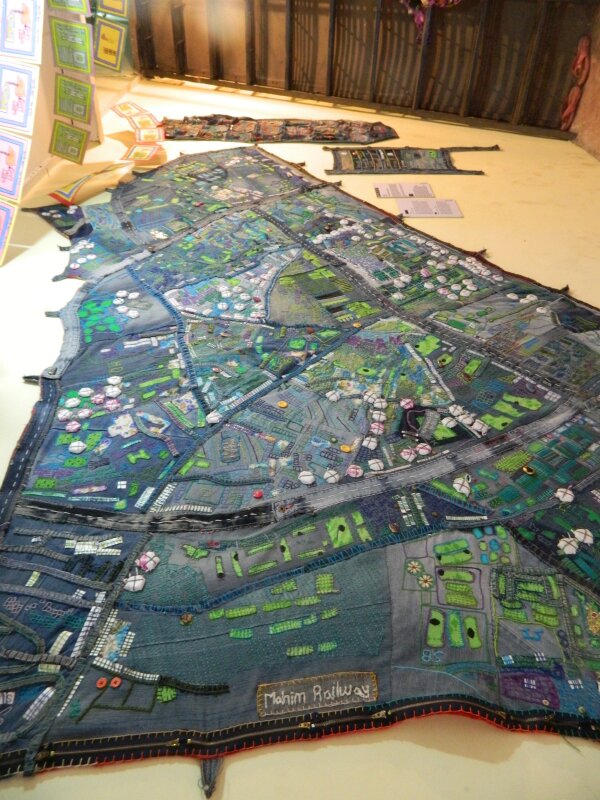 At SNEHA, the Society for Nutrition, Education & Health Action, Nayreen Daruwalla and Professor David Osrin have been working on community programs to reduce gender-based violence in Dharavi, one of Mumbai’s largest informal settlements. SNEHA trains women in the community, known as Sanginis, to help identify and refer cases of gender-based violence to the counseling center. However, the ubiquity and normality of such crimes made it difficult to track the frequency with which they were occurring, except for those who approached the counseling centers.
 Na luta pela igualdade de gênero no Rio de Janeiro
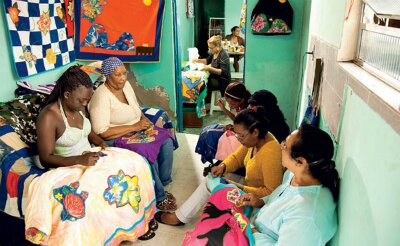 Para promover e fortalecer o protagonismo e a liderança das brasileiras em todas as regiões do país, o Elas mobiliza e soma doações de apoiadores nacionais e de redes internacionais, como Ford Foundation, ONU Mulheres e Instituto Avon, e não apenas investe estes recursos, mas oferece um treinamento 360º em gestão de negócios, com capacitação em áreas como direitos humanos, comunicação, marketing e avaliação de impacto, para citar alguns, e acompanhamento posterior.
 جمعية نهوض وتنمية المرأة تبذل الجهود لتحقيق أهداف التنمية المستدامة في القاهرة

 She Builds. She Serves. She Leads.
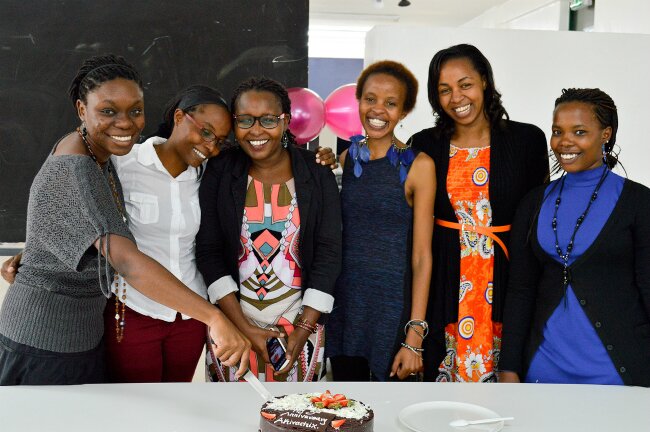 Sustainable Development Goals 4 and 5 target inclusive education goals that afford access and opportunity, and a platform for promoting gender equity and empowerment of women and girls. Combined, these objectives have the potential to address persistent inequalities that contribute to high rates of urban poverty, particularly among Nairobi's female population.
 "Hành trình Sữa mẹ": Câu chuyện về Người cha đơn thân nỗ lực đạt đến Mục tiêu Phát triển Bền vững Toàn cầu
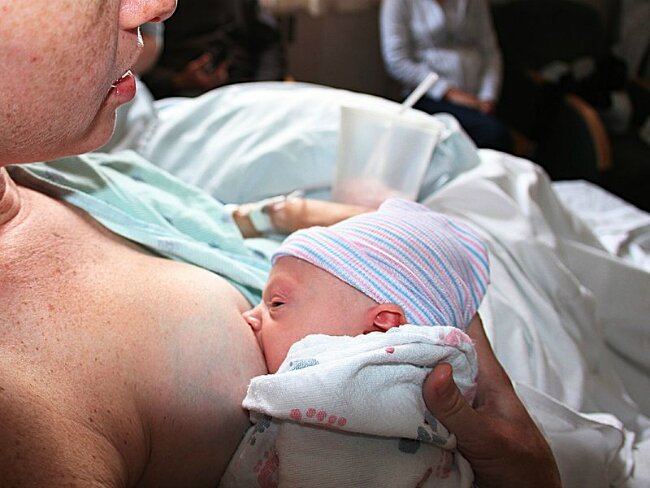 Ngân hàng Sữa mẹ và Hành trình Sữa mẹ
 Digital media initiative aims to improve women's health
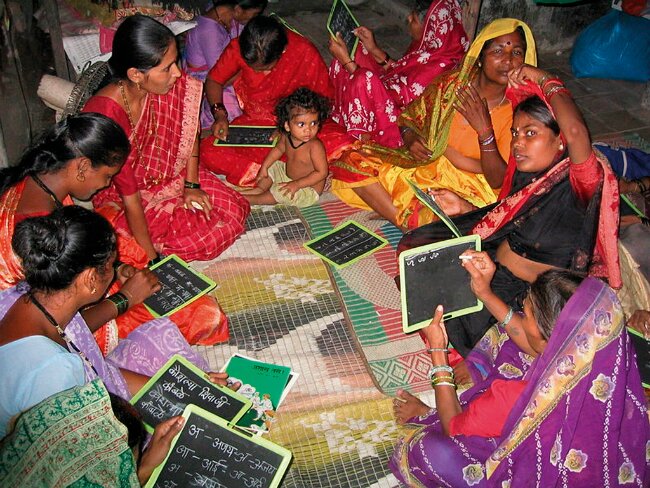 Bangalore-based mDhil, an online medical resource center, has developed videos and mobile campaigns to bring important health information, especially targeting women, to users in the city and beyond. In order to make the information accessible to a variety of patients across socio-economic barriers, mDhil's materials are available in multiple Indian languages. Videos cover a range of topics, from health and wellness to food to ideas for healthier lives. At the heart of the mission, though, is to target women in need of better information about their personal health matters.
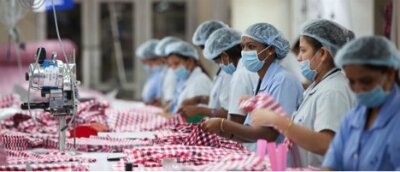 The first step for HERhealth is to approach ready-made garment companies and interact with a small number of factory nurses and female workers to train them on basic health using a peer education methodology. Once approved, the trainers from HERproject start training a handful of workers, called peer educators, who later disseminate their learning to other female workers. Common diseases addressed include anemia and reproductive tract infections, and common areas of education include maternal health, menstruation, personal hygiene, etc. For instance, many women who use pieces of cloth during their periods are taught the benefits of using sanitary napkins. In addition, the women are taught how and why they should boil drinking water and the different types of water-related diseases this simple precaution combats. This not only promotes better health for the women themselves but also for their families and communities, resulting in decreasing rates of diseases like cholera.