 Praça de Bolso do Ciclista
Andréa Azambuja, Coordenadora da Rede em Curitiba
Curitiba, 18 Março 2016
Segundo pesquisa recente do IBGE, o Brasil ficou menos desigual em 2014. De fato, nos últimos anos, o índice de pobreza extrema diminuiu, e foram feitos investimentos importantes em áreas carentes – mas se as periferias não são mais completamente destituídas de infraestrutura como já foram, a dimensão de qualidade de serviços segue extremamente desiquilibrada comparando-se zonas pobres e ricas, e a segregação, em todas as suas formas, ainda é muito presente.
Ao passo que mudanças estruturais profundas, que realmente vão na natureza dos problemas, ainda são difíceis de notar, é fácil perceber a transformação da população, hoje mais disposta a trabalhar por conta própria para construir cidades menos desiguais. Em Curitiba (e, felizmente, parece ser uma tendência mundial), esta alteração tem se traduzido, entre outros, na crescente de ocupação dos espaços públicos – e a Praça de Bolso do Ciclista é um bom exemplo do potencial deste movimento.
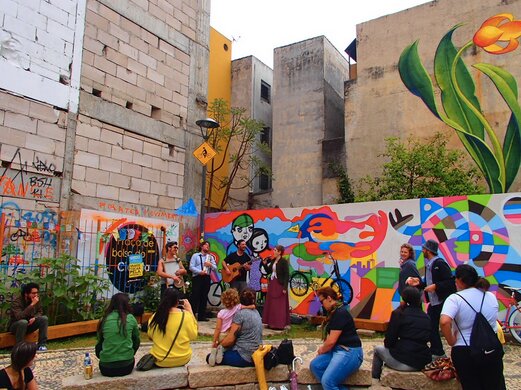
A Praça de Bolso do Ciclista é um espaço público de lazer inaugurado no Centro Histórico da cidade, em setembro de 2014, graças à iniciativa cidadã. Antes considerado um local inóspito, em função da violência e do tráfico de drogas, hoje é querido pela população e vive um momento de integração e efervescência cultural.
Em linhas gerais, tudo começou quando a Bicicletaria Cultural, centro de apoio a ciclistas hoje reconhecido pelo Smart Living Challenge, se instalou na área e começou a movimentar por lá um grupo de cicloativistas interessado não apenas em mobilidade urbana, mas em sustentabilidade e economia de impacto social. Notando o potencial de da esquina em frente à sua sede, abandonada, para virar espaço de convivência, o coletivo providenciou um projeto de construção e, com o apoio da CicloIguaçu, associação de interface com o poder público, procurou a Prefeitura.
Com o aval do governo, que concordou em doar o material que tivesse em depósito e disponibilizar maquinário e apoio técnico da administração municipal, era necessário angariar mão-de-obra. Decididos a usar as próprias mãos, o time inicial começou a marcar mutirões aos fins de semana e, em cinco meses, com o apoio de mais de 200 voluntários, comemorou a conclusão da investida, no Dia Mundial Sem Carro.
Hoje, parece existir um sentimento de pertencimento à praça pelos curitibanos, que nela passaram a participar de debates, espetáculos, oficinas, aulas de Tai Chi Chuan e mutirões de arrecadação e distribuição de agasalhos e comida, para citar alguns. Para organizar as atividades, foi criada uma agenda pública mantida pela Bicicletaria, de acesso livre, assim como todos os eventos realizados – todos podem usufruir de sua horta comunitária, sentar em seus bancos, apreciar os grafites ao redor e contribuir para aprimorar o local.
A construção da Praça de Bolso dos Ciclistas trouxe consigo a revitalização de suas imediações, o que exige adaptação. Nos últimos tempos, em função do barulho, os eventos culturais se tornaram mais escassos, e a crise de segurança ainda é sensível – criar novas formas de entender e se relacionar com a cidade não é fácil, mas é necessário.
Como dizem no filme sobre a construção histórica na cidade, "Espaço público é fundamental para constituição da democracia, porque as pessoas se encontram. Como ponto de encontro, acaba dissolvendo as diferenças sociais. Claro, elas não terminam, mas são apaziguadas. Todo regime de segregação racial se baseia na segregação espacial, acima de tudo. Se as pessoas convivem, este tipo de preconceito não consegue se sustentar". Graças ao coletivo, Curitiba, apesar de seus problemas, hoje é mais inclusiva.
* Aproveite a oportunidade para entender o que, hoje, é chamado de Placemaking. Close.
Foto: Juju pelo Mundo
Permalink to this discussion: http://urb.im/c1603
Permalink to this post: http://urb.im/ca1603cup
Cyclist's Pocket Square: Curitiba's new inclusive space
Andréa Azambuja, Curitiba Community Manager
Curitiba, 18 March 2016
According to a recent survey by the Brazilian Institute of Geography and Statistics, Brazil showed it has made headway in reducing the rate of extreme poverty. Significant investments in underserved areas were made. And while the suburbs are no longer completely devoid of infrastructure as they once were, the quality of services are still extremely unbalanced comparing rich and poor areas, and segregation, in all its forms, is still very present.
While deep structural changes are still difficult to notice, it is easy to see a transformation in a population that is now more willing to work on their own to build less unequal cities. In Curitiba (fortunately, it seems to be a worldwide trend) this has been translated into the growing occupation of public spaces – and Praça de Bolso do Ciclista (in free translation, Cyclist's Pocket Square) is a good example of this movement's potential.
Praça de Bolso dos Ciclistas is a recreational public space opened in Old Town in September 2014, thanks to citizen initiative. Once considered an inhospitable place, due to the violence and drug trafficking, it is now dear to the population and is experiencing a period of cultural effervescence.
It all started when Bicicletaria Cultural, a support center for cyclists now recognized by the Smart Living Challenge, settled in the area and a group of bicycle activists began to take interested not only in urban mobility, but in sustainability and social impact economy. Noticing the potential of the abandoned corner in front of Bicicletaria Cultural’s headquarters as a possible living space, the group provided a construction project and sought the support of the City Hall with the help of CicloIguaçu, an interface association with the government.
With the endorsement of the state government, which agreed to donate the material that it had in storage and lend machinery and technical support from the municipal administration, it was still necessary to hire labor. Set on using their own hands, the initial team began to schedule group operations on weekends and, within five months, with the support of over 200 volunteers, celebrated the completion of the project.
Today, there seems to be a sense of belonging among Curitiba citizens in regards to the square. There, they started participating in actions such as debates, performances, workshops, and meetings to collect and distribute clothing and food for homeless people, to name a few. To organize the activities, a public schedule was set in place by Bicicletaria, with free access for all, as are all events held at the square – everyone can enjoy the community garden, sit in the seats, admire the graffiti paintings, and contribute to the site’s improvement.
The construction of Praça de Bolso dos Ciclistas revitalized its surroundings, but what is now required is adaptation. In recent times, cultural events have become more scarce due to the noise, and safety issues still exist – creating new ways to understand and to relate to the city is not easy, but it is necessary.
As is said in a movie about the historic construction in the city, "Public spaces are essential for establishing democracy, because people meet each other. They help to dissolve social differences. Of course, they do not end, but are eased. Every regime of racial segregation is based on spatial segregation, above all. If people interact, this type of bias can not be sustained." Thanks to everyone, Curitiba, despite its problems, is now more inclusive. Close.
Photo: Juju pelo Mundo
Permalink to this discussion: http://urb.im/c1603
Permalink to this post: http://urb.im/ca1603cup

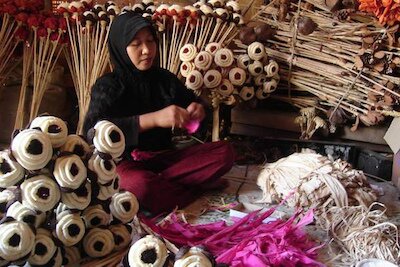 March 2016 — Cities are colorful, vibrant and diverse places, but they aren’t always built or developed to include all of its varied residents. Recently, there’s been a movement to make cities more accessible and livable to all. Given the diversity in urban areas, the idea of “cities for all” incorporates a variety of groups and needs: rich and poor; able-bodied and those with physical challenges; the young and old; and different castes and creeds. Developing the infrastructure and appropriate interventions to meet the needs of these diverse groups has the potential to reduce inequality and increase opportunities to those who are more marginalized.
 Pengarusutamaan Gender Melalui Sektor Ekonomi dan Infrastruktur
 Manteniendo las tradiciones culturales de las comunidades afrodescendientes en Bogotá
 Inclusive urban governance in Chittagong
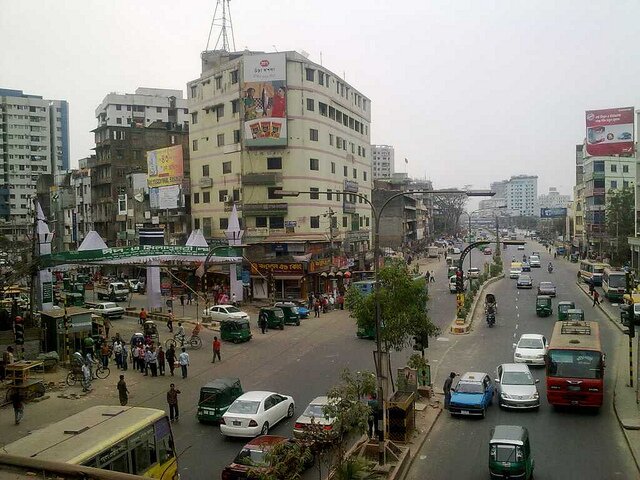 Bangladesh has been struggling to keep pace with the rapid urbanization and develop of its urban infrastructure and services, such as piped water, drainage, sewerage, roads and bridges. This has created serious problems like traffic congestion, pollution, health hazards, and a lowered environmental index. In addition, a number of institutions are involved in the management process of the cities, resulting in overlapping of their functions and lack of coordination. As a result, there has been poor implementation of public services and development projects. This poor urban infrastructure and government functioning has hindered employment opportunities and potential for economic activities. This mostly affects marginalized and lower class people, as they are deprived of the basic services for living, whereas the rich can pay to find other ways to cope with these shortcomings.
 Feminicidade: Quando mulheres tomam as ruas
 Para Camila Borges, voluntária organizadora do Feminicidade, o medo que aflige principalmente mulheres pobres e negras resultou num projeto de lei apresentado este ano na câmara municipal de São Paulo, que propõe que qualquer mulher tenha o direito de pedir ao motorista que pare o ônibus fora do ponto depois das 22h. Assim, podem escolher o lugar aparentemente mais seguro para descer.
 Making Caracas disability-friendly


 Solid waste management key to livable cities for all
 Inclusive waste management systems have the power to transform living environments in informal settlements and create sustainable business enterprises. There are a broad range of activities that can be monetized along the entire value chain, including: separation, sorting, transportation, reuse and recycling, and resource recovery.
 A holistic approach to empower Mumbai’s most isolated
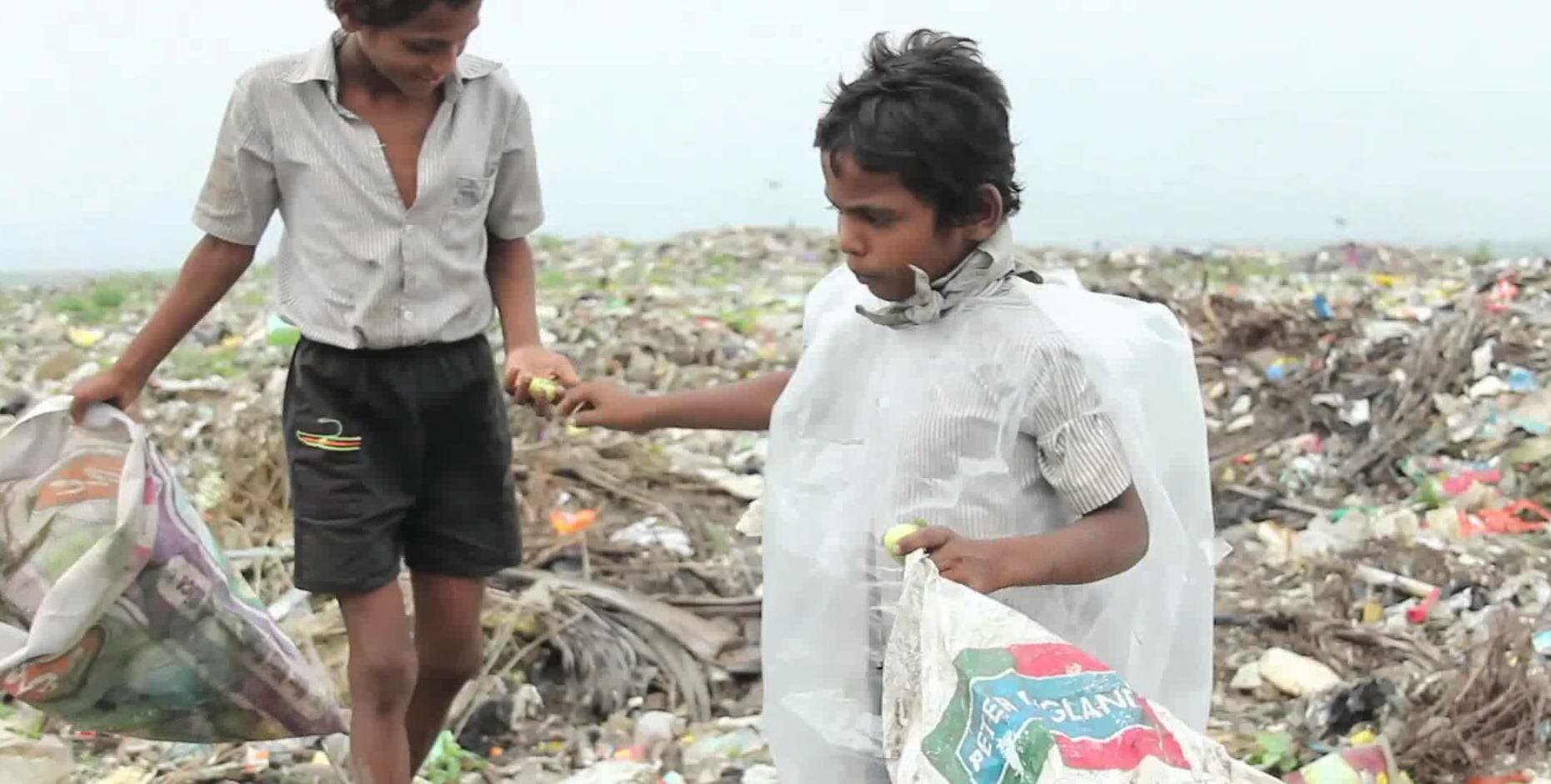 Until recent infrastructure developments—including the construction of an intercity expressway, which now passes through the ward—the area had been geographically disconnected, resulting in poor economic opportunities for its residents. It is home to the site of the largest and the oldest dumping ground in Mumbai, which has recently been closed due to high methane levels, and which was the main source of income for many residents living in this area. The geographic and economic isolation of the ward were compounded when the municipal corporation selected the area to be the main site for Mumbai’s resettlement projects. "The unwanted people of Mumbai... they get displaced and put here," says Tata Institute of Social Sciences Professor S. Parasuraman. The ward has an estimated population of 150,000 to 200,000 resettled new residents, mainly those evicted from slums.

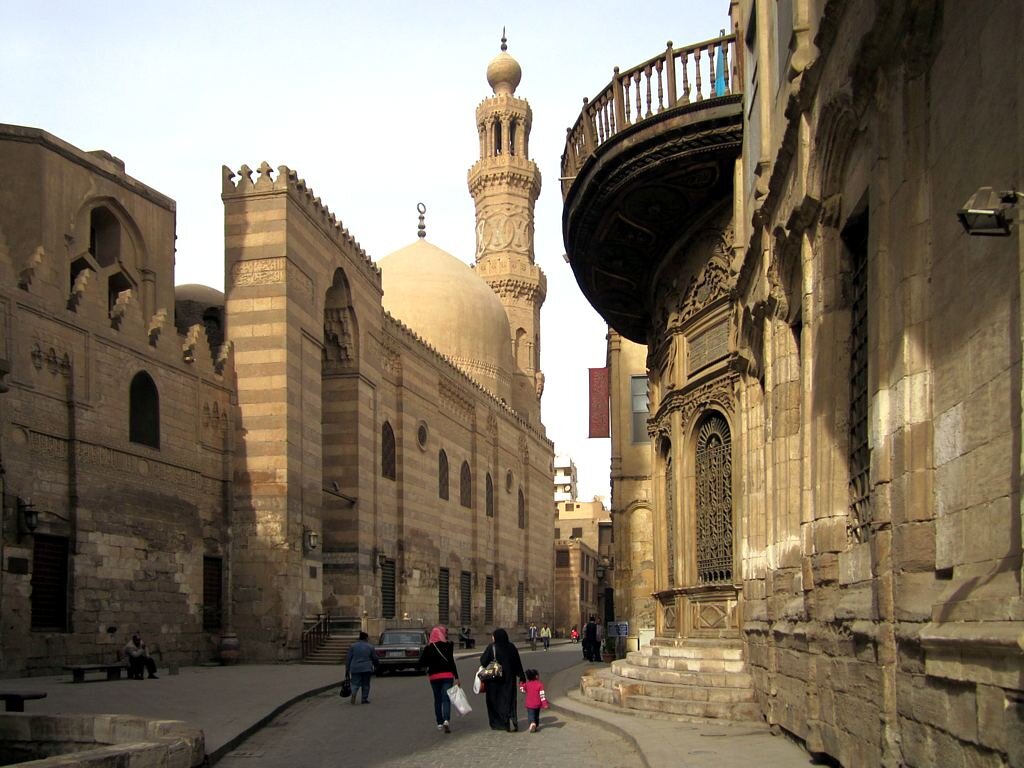

 Building the Public City: Public space and public engagement practices in Johannesburg’s inner city
 Do you think these kinds of activities can impact on social fragmentation and inequality, or offer opportunities to marginalized groups?
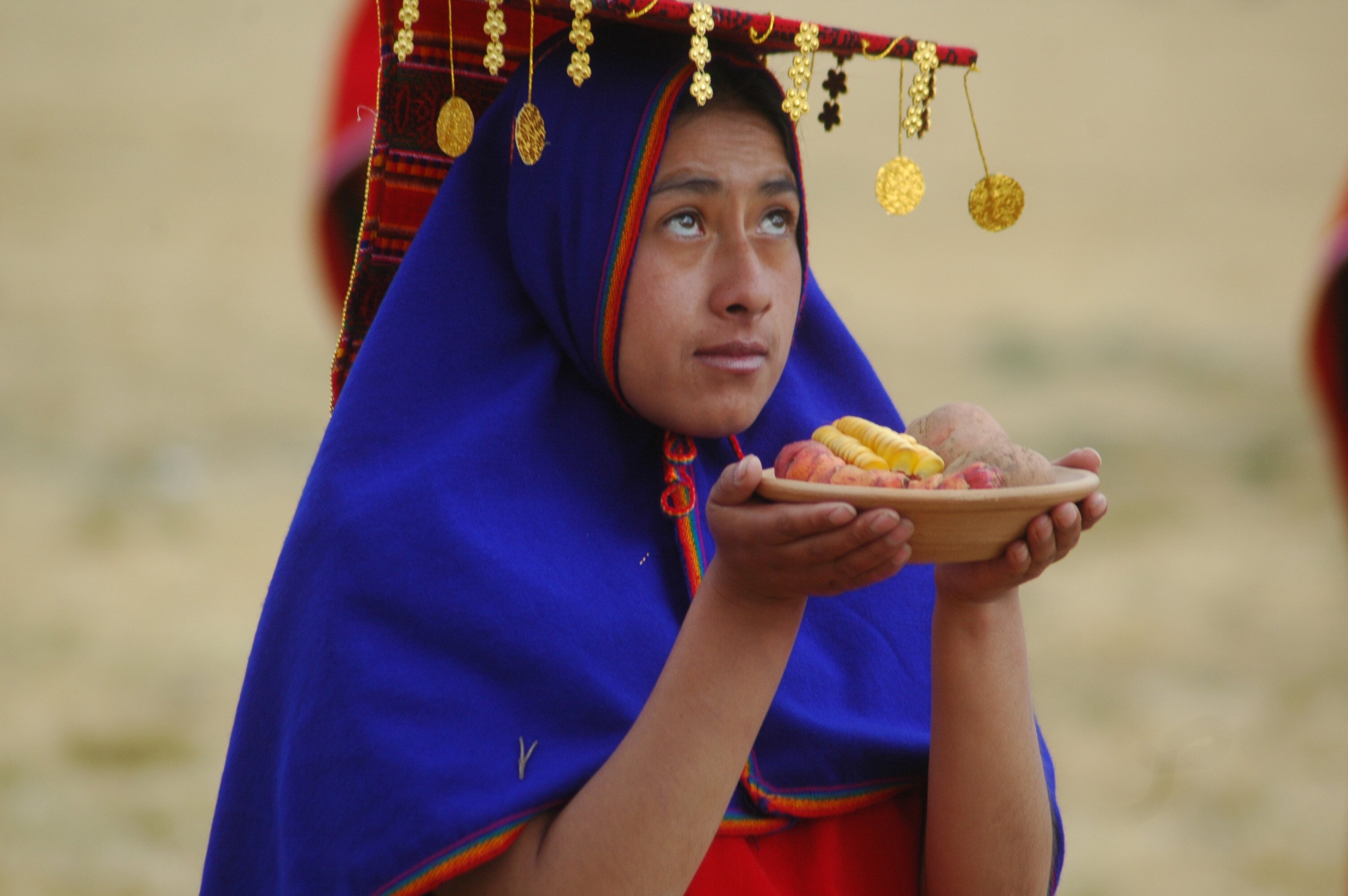 De acuerdo con el informe elaborado por William Sánchez ‘Lenguas nativas con familias de cabildos residentes en contextos de ciudad’, publicado por la Secretaría de Cultura de Cali, con el apoyo de la Corporación Nasayach), el 27,8% de estos indígenas se desplazaron a Cali para huir de los conflictos armados. un 19,3% lo hicieron por motivos personales, como estudios o enfermedad, mientras que el 36,7% lo hizo por motivaciones económicas y laborales. Para estas comunidades no es fácil salir adelante en Cali, como ilustra el hecho de que el 61% su población reciben una remuneración inferior a un salario mínimo mensual, mientras que el 31% recibe un salario mínimo. Tan solo el 3% recibe por encima del salario mínimo mientras que el 4% no recibe remuneración alguna. En la actualidad el salario mínimo en Colombia es de 689000 COP (unos 202 US$). Pero las dificultades económicas no es el único problema al que se enfrentan. La perdida de su identidad y de sus tradiciones culturales es una amenaza muy real. el informe de Sánchez refleja que el 100 por ciento de los Yanaconas, el 84,2 de los Nasa, y el 92% de loas Misak o Guambianos solo habla español. Los Quechua, un 98% y los Inga, con un 72% son las comunidades que aún utilizan sus lenguas ancestrales.
 Mobile app Safetipin bets on big data to push for women’s safety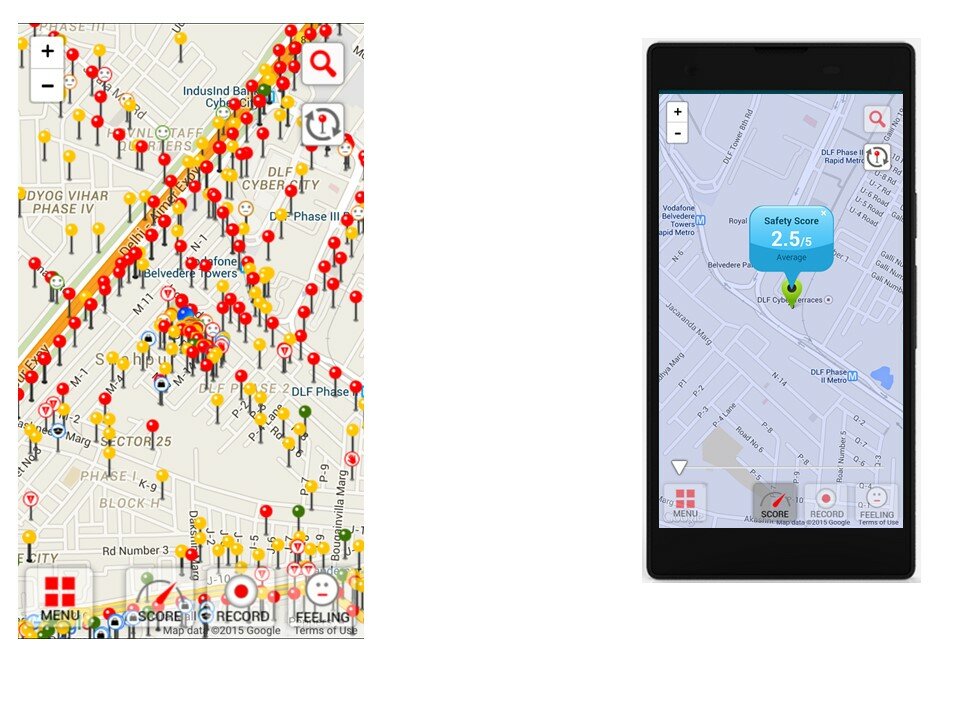

 "Mejoramiento sin barreras," un programa innovador para los discapacitados en situación de pobreza
 Un programa en particular apunta a volver la ciudad más habitable por los discapacitados en situación de pobreza. Llamado “Mejoramiento sin barreras”, está diseñado por el ISVIMED, el instituto social de vivienda y hábitat en Medellín.
 Vivienda social mantiene tradiciones indígenas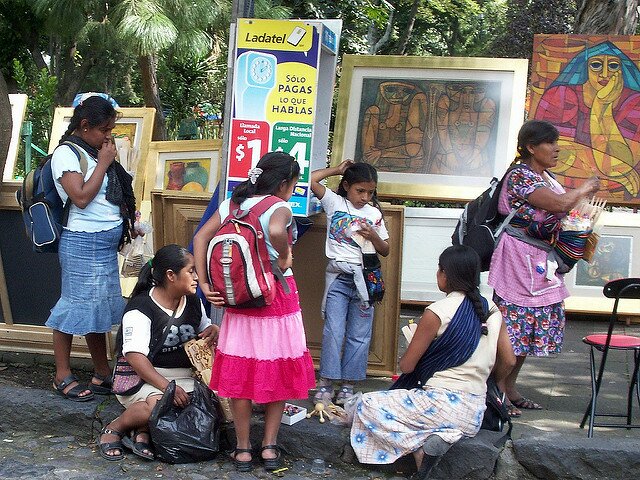

 Thay đổi từ nhà vệ sinh: Một bước tiến gần đến thành phố cho mọi người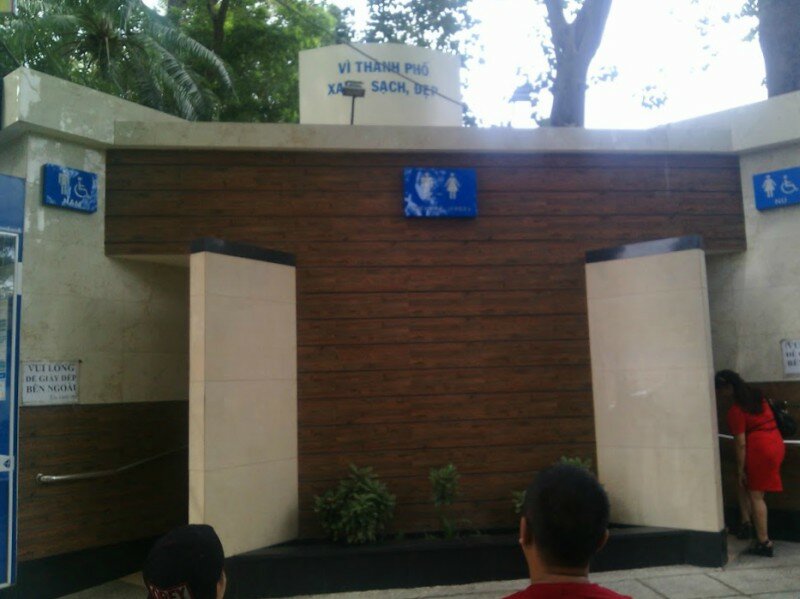
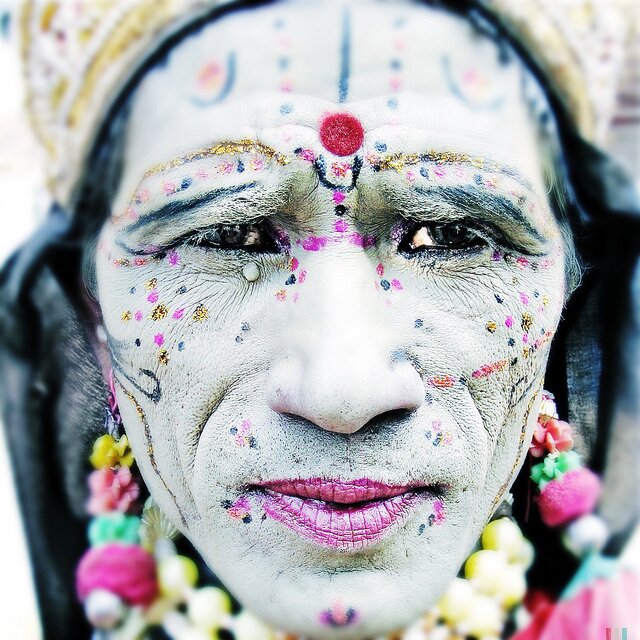 Light House acknowledges the low rates of condom usage in sexual accounts of this population, and the potential risk of the spread of HIV and AIDS to the entire population. Many of the MSMs are married and also have sex with their wives, which only widens the potential for the spread of infection – and to an unknowing population. The key component of the project is to select and train peer educators from the target population itself to make sure that the outreach is effective. This methodology also works to ensure their access to public health services, legal aid support and behavior change from society so that the impact of the project sustains, all in line with the National Strategic Plan for HIV/AIDS 2010-2015. Those who attended workshops and seminars were counseled and provided with condoms and much-needed sex education.
 Inclusion of people with mental health disorders

 How skills training can create better cities
Comments
Akriti Manandhar, Youth Voice Initiative
Hi Akriti ,
Great initiative by YV. I would like to ask how the staff members are paid to have such great educational programmes? Do they volunteer on part time base or they are full time staff .. I believe it is hard to keep the sustainability of the project if there is no remuneration at all for the staff members and teachers..
However, it is a real great initiative.
Inclusion of people with mental health disorder
Dear Aditi,
Well written piece. Nice to see what APD is doing to ensure inclusion of these marginalized group. I am just wondering if the 50,000,000 figures of people with mental disability is not over bloated considering that the population of Karnataka was estimated at 64 million in 2014. Also, while many cases of mental health challenges can be a disability such as schizophrenia, other factors like depression and substance abuse can also be leading factors to mental health, I am assuming that the psycho-social support also targets these group. As cited the stigma attached to mental health disability inhibits many people from seeking appropriate medical help. Here in Lagos, the poor driving of some people along the high way it is difficult to tell if it is a case of mental health or 'survival' strategy but either way, it threatens human's lives. I am waiting for a time when a legislation that allows for mental screening test that will be conducted for drivers in the city on frequent basis will be passed. Thanks for sharing
Problems in relocation
Thank you everyone for the articles. They are all wonderful and i am honestly learn alot from the articles. I found it that some initiatives are very good but lack of political support or lack of capability from the implementer. I think we in development issue will understand that one single movement will not work without active collaboration from civil society, government and in some cases, private sectors.
I particularly interested in Maria Articles. It was very interesting to me as i could see the resemble in Jakarta. Can i ask further about what kind of work were these indigenous people usually do? and i hope you could provide me with some information if there is resistance during relocation process and what happen to their current job? are they happy with it? Thank you and great article Maria. Thank you.
Skills and employment connection
Hi Peter, I agree that the empowerment programs for developing skills is a main strategy in order to improve the city. By this programs, youth will acquire the neccesary skills demanded by the local economy and professional market in order to connect supply and demand. However is there an specific strategy that links the youth of this programs with specific employers?
Re: Skill and employment connection
Dear María, thanks for your contribution. Just to stress that this programs are designed to empower these young people to start their businesses in a bid to empower them and generate further employment. The training are designed to give them that level of independence to start their personal enterprise, so what is more relevant to them is access to capital (seed funding and loans) as well as continuous mentorship and further training opportunities which an institute like Center for Entrepreneurial Develppment, Lagos is already doing.
Add new comment