
Homelessness and informal settlements
 Homelessness in the developing world often takes a different form than in the developed world, but also differs greatly from city to city. In Nairobi, young people make up most of the homeless population, whereas in Rio de Janeiro, minors are excluded from the government's survey on homelessness. In Dhaka, the homeless must pack up their possessions each day because of a law forbidding informal settlements on sidewalks, whereas in Cairo, homeless people live in cramped, unfinished buildings without furniture or utilities. Read on to learn more about homelessness in cities across the developing world, and then join the discussion below.

 Interview with a homeless youth
Katy Fentress, Nairobi Community Manager
Homelessness in Nairobi is not always apparent to the passer-by. By night the streets of central town are not full of people sleeping rough as is often the case in affluent "developed" cities. Even in slums, homelessness is quite contained, with people cramming into tiny huts but not on the beaten paths outside.
There is, however, one part of the population that makes a living in the shadows of Nairobi's streets. These are youth, constantly on the run from the police, many of whom make a bed for themselves when night falls wherever they can.
 The Undugu society of Kenya, a prominent organization in the sector, divides Nairobi's street children into four categories: first there are children who work and live on the street full-time, living in groups in temporary shelters; second there are children who work in the streets by day but go home to families in the evening (this category constitutes the majority of street children in Kenya); third there are children who are on the streets occasionally, such as on the weekends or during school holidays; finally there are "street families", children whose parents are also on the streets. Nairobi's street youth, known as chokora (scavengers), can be seen by day walking through the streets with a sack slung over their shoulder, looking through trash cans.
Earlier this week URB.im photographer Michael Obach went to Nairobi's Westlands neighborhood to talk to some of the young boys who live all of their life on the street. Westlands is one of the city’s mixed neighborhoods in which the rich, the poor and many of those in between coexist in relative harmony. The following are some excerpts from one of his conversations:
MO: What kind of life do you live, how do you get food, where do you sleep and what problems do you face?
Isaac Ogang a.k.a Izzoh: I'm 26 and have lived on and off the streets for 15 years. I live with my friends, my parents are pastoralists in Turkana (Northern Kenya) but they weren't financially strong so I moved to Nairobi when I was eleven, I don't know if I will find my family if I go home.
 I make my money by carrying a gunnia (gunny sack) and picking up plastic, paper and metal. This gives me enough to get some food. I also eat what I find on the streets and in dustbins. We all pick out the good food, put it in tins and cook it in the evening on a fire. We try to sleep in abandoned houses or construction sites but most of the time we are kicked out and have to make do with bags and cartons. As time goes by you get used to sniffing glue, everyone on the streets sniffs glue or uses something else. We use this for many reasons: because we get cold, because we don't have shelter, because we are hungry and because the mosquitoes are disturbing us.
I make about 100 shillings a day (a bit more than a dollar). Some of the boys here don't feel this is enough so they end up stealing too. When the police comes we have to be on our toes. They often stop and harass us. Sometimes they arrest us for no reason. In Kenya corruption is real, if one of us goes to prison we come together and go to the police station; we can't go without money though. There we meet the bigger heads and we talk to them nicely and give them some money and they release our friend.
MO: What organizations have tried to help you and your friends out of the streets?
Izzoh: When I came to Nairobi I attended the Don Bosco Boys school. Apart from them, there is also IAfrika, the Undugu society and Jamii Bora. There are also other religious organisations like Made in the Streets that works in Eastleigh and others that try to help youth like us but I have not seen them here in Westlands.
MO: In what way do these organizations try to help you?
Izzoh: At Don Bosco I remember they taught people carpentry, mechanics, engineering, wiring and other skills that would get them jobs. They also wanted to train kids to help other kids out of the streets. I was with them until standard 8 but then I ran away.
 MO: How do you feel these organisations could improve the work they do?
Izzoh: I think that for these organizations to improve they must coordinate their work with the government. The NGOs cannot cover all of the street kids of Nairobi (around 60,000).
We've chosen a new government now and we have a constitution. We are Kenyans like other Kenyans and we feel our Ward representatives should register us and start a project. Here in Westlands, we are about 400 street boys. The government should send the small children to schools. Us, we already do so much cleaning and recycling around the city, why can't they make our work formal? We would like to be able to register ourselves as a cooperative, maybe get a loan so we can buy a lorry or carts to collect the rubbish for recycling. We are the main recyclers in this city, if we could just do this in an official way it would be easier to help ourselves instead of having to ask people for food.
 Will creating "cities within cities" help Mumbai's homeless?
Carlin Carr, Mumbai Community Manager
This week we speak with Abhishek Bharadwaj, founder of Alternative Realities, an organization that advocates on behalf of Mumbai's 200,000 homeless. We discuss who is homeless, what the barriers to housing are, and some innovative solutions that include creating "cities within cities."
How do you define homelessness?
Homeless, according to me, are people who do not have a roof. For our convenience's sake and for policy people to understand, we have defined homeless very simply as people who are living in the open and the place where they live does not belong to them. It's important to have the correct definition, because in urban scenarios, you have slum dwellers who are living in slums, and you also have people who are living on the pavement but who have built some structures and have been officially recognized by the local government.
 You make a distinction between the pavement dwellers and the homeless. Does the government make this distinction?
The government has only one distinction: people who are census households and people who are not census households. So people who are not census households are homeless, according to the government. With this definition, unnotified slums would not be considered as census households, and, therefore, would be considered homeless. If you take this definition, the number of homeless increases a lot.
What is making people homeless in Mumbai?
One thing is clear, the change in use of land and the price of land is making people homeless in terms of evicting them multiple times.
I'll give you one example from Navi Mumbai: there are around 60 families who have been living there for the last 25-30 years, and now there is a flyover where these people had been living. When the flyover was being built, their structure, which was semi-permanent, was removed. They went from a semi-permanent structure to being homeless after three evictions, which never gave them the opportunity to build any structure. This is happening all over the city, and the difference in Mumbai — compared to Delhi — is that there are many families who are homeless in Mumbai.
What are some solutions?
The Mumbai Municipal Corporation and the Navi Mumbai Municipal Corporation are suggesting to build self-sustained satellite locations, or a city within a city. For example, there's a theater, multiplex, restaurants in Bandra, so you don't have to go to Colaba. This is very interesting. For these self-sustained cities within cities, you also need labor. If you have a big apartment building where there are 100-150 apartments, you need 50 domestic help in that location. And that help is coming from the homeless. So why not create high income, middle income and low-income housing right there. Unfortunately, no low-income housing ever caters to the people who are earning low in the city. The first thing to be done is to do an Income Census for the homeless, which has never been done. See their capacity to pay. Second thing is that the government is saying we don't have land. But in Navi Mumbai, there's a huge railway station that's three or four floors. They upper levels have been given to offices, but you could take railway stations in Mumbai — Dadar, Victoria Terminus, Churchgate — and build up to create a couple floors of homeless housing. It would also be a revenue generator for the city.
What is the city's relationship to the homeless and what is the biggest thing the city can do to have a positive impact on the lives of the homeless?
When the city is getting built — big infrastructure like roads, flyovers, buildings — it's the homeless that is doing the work. They are the foundation of the city. Once the people settle into these newly built areas, they need other services to be in place; then, again, homeless come into play. Then, again, we demand them. They move from the foundation to the lifestyle of the city.
That's why the authorities will never be able to be able to drive them out of the city. It's a demand of the city, that's why they are here. Mumbai Municipal Corporation has been trying to push them out for years by doing so many raids, but they can't push them out, and this is important. They can't drive them out simply because the city wants them.
 Rumah susun sederhana sewa solusi untuk kampung kumuh?
Widya Anggraini, Jakarta Community Manager
Jakarta's poorest residents live in shanties in the city's open spaces, like under bridges, on riverbanks, and on railways. Jokowi, Jakarta's new governor, is launching a slum-reduction program to build new affordable housing for the homeless. These new settlements have been designed with the community's participation, and will include schools, sports centers, and health centers. This program is a collaboration between the government, private and state companies through their CSR programs, and the slum dwellers themselves.
 Daerah kumuh atau permukiman miskin merupakan fenomena umum di kota besar dunia terutama di Negara-negara miskin dan sedang berkembang. Akibat tingginya urbanisasi dan terbatasnya lapangan perkerjaan menyebabkan tingginya tingkat kemiskinan di kota. Mereka yang tidak mampu mencari tempat tinggal layak hidup sebagai tunawisma yang berpindah-pindah dan menempati bantaran sungai, pinggiran rel kereta api, bawah jembatan tol, tanah-tanah kosong baik disekitar pabrik maupun di pusat kota dan membangun gubuk liar yang kerap menggangu ketertiban umum dan pemandangan. Minimnya pengawasan dari pemerintah di masa lalu menyebabkan kian merebaknya jumlah pemukiman liar dan membentuk perkampungan kumuh. Berdasar hasil Survey RW Kumuh 2011 oleh BPS DKI Jakarta terdapat 392 RW yang dinyatakan kumuh di wilayah DKI Jakarta.
Banyak hal yang harus dilakukan untuk menata Jakarta salah satunya adalah penataan daerah kumuh sebagaimana tercantum dalam RPJK Tahun 2005-2025 yang diarahkan untuk mewujudkan Permukiman Tanpa Kumuh tahun 2020 yang juga merupakan fokus kebijakan Gubernur DKI Jakarta Joko Widodo (Jokowi). Untuk itu dalam rangka mengurangi bencana dan pemulihan fungsi saluran air seperti sungai dan waduk maka pemerintah DKI berencana memindahkan warga yang tinggal di pinggiran Sungai CIliwung dan Waduk Pluit. Kedua rencana tersebut masuk ke dalam dua program besar pemerintah DKI Jakarta yaitu Jakarta Urgent Mitigation Project (JUFMP) dan Program Normalisasi Sungai Ciliwung.
 Kedua program tersebut dipastikan akan membawa dampak besar bagi puluhan ribu keluarga yang tinggal di sekitar waduk dan sungai. Bantaran sungai Ciliwung misalnya telah dihuni lebih dari 30.000 KK yang sudah bertahun-tahun menetap dan mencari nafkah diwilayah tersebut. Tidak berbeda dengan mereka yang tinggal di sekitar Waduk Pluit yang ditempati sekitar 10.000 KK. Lokasi strategis merupakan alasan utama mereka menempati sekitar waduk dan sungai ditambah keterbatasan akses terhadap hunian yang terjangkau merupakan faktor pendorong mereka menempati wilayah tersebut.
Rumah Susun Sederhana Sewa atau Rusunawa dengan konsep kampung deret merupakan upaya baru penataan permukiman kumuh di Jakarta. Sebelumnya pemerintah menggalakkan rehabilitasi kampung yang dikenal dengan program Perbaikan Kampung atau MHT sebagai solusi penataan kampung miskin saat itu yang dievaluasi dan diubah menjadi Program Perbaikan Kampung Terpadu atau MHT Plus sejak 2006. Program ini menitikberatkan pada keterlibatan dan upaya penguatan masyarakat melalui pendampingan dan pembentukan kelompok swadaya masyarakat yang hasilnya ditungkan dalam Community Action Plan (CAP) yang didasarkan pada kebutuhan masyarakat.
 Pembangunan Rusunawa nantinya akan dibebankan pada APBN sedangkan anggaran relokasi warga berasal dari APBD Jakarta. Pemprov DKI juga secara aktif merangkul perusahaan swasta dan pemerintah melalui program CSR-nya untuk ikut serta dalam penanganan pemukiman kumuh di Jakarta beberapa. Lebih lanjut, berdasar keterangan Menteri Permukiman Rakyat, Dian Faridz, konsep Rasunawa tidak akan seperti rumah susun terdahulu namun akan diperbaiki dan dilengkapi dengan sekolah, ruang terbuka hijau, puskesmas dan fasilitas sosial lainnya seperti lapangan olah raga, sanggar tari dan tempat beribadah. Nantinya masyarakat yang menghuni di Rasunawa tersebut juga akan di subsidi oleh pemprov DKI.
Banyak harapan agar pembangunan Rusunawa akan benar-benar membantu mengurangi terjadinya bencana banjir dan adanya penaatan ruang yang lebih baik untuk Jakarta. Jika selama ini pembangunan rusun dan pebaikan kampung kumuh lebih mengarah pada pembangunan fisik dan infrastruktur maka program-program selanjutnya harus mulai merambah pada pembangunan komunitas (community development) secara seimbang dan berkelanjutan untuk menciptakan pemukiman yang aman nyaman dan tenteram.
 Falta de vivienda = asentamientos irregulares: Ciudad Perdida
María Fernanda Carvallo, Mexico City Community Manager
One of the principal problems in Mexico City is the lack of housing. Miguel Hidalgo, one of the wealthiest municipalities in Mexico D.F., contains an area called the "Lost City," where 170 families live in overcrowded homes built with cardboard and scrap metal, without proper sanitation. The government has proposed an infrastructure development project for this area, but paperwork, soil studies, permits, and local government transfers remain to be negotiated. Given that the last four local administrations haven't solved this issue, civil society organizations like Techo may be better suited to provide land tenure, enhance social capital, and empower poor communities in Mexico City.
 Una de las principales problemáticas de la Cd. de México es la falta de vivienda, pues si bien es mucha la demanda por parte de los habitantes, el uso de suelo para el desarrollo habitacional es muy escaso.
De acuerdo a Vigila tus derechos D.F. "en el Distrito Federal, la realización del derecho a la vivienda presenta limitaciones y obstáculos de diversos tipos; [...] Hace falta una política de vivienda con enfoque de derechos humanos y de sustentabilidad, que promueva la coordinación interinstitucional para encontrar soluciones apropiadas a los desafíos del desarrollo urbano, la vivienda y el medio ambiente en la ciudad, incluyendo la situación de los asentamientos irregulares."
Una gran proporción de habitantes viven en asentamientos irregulares puesto que no gozan de la seguridad de la tenencia de la tierra y tienen que hacer frente a la necesidad de tener un techo para vivir. Este es el caso de la "Ciudad Perdida" en Tacubaya, ubicada en un predio propiedad del Gobierno del Distrito Federal en la Delegación Miguel Hidalgo en donde 170 familias hacinadas viven en casas de lámina, cartón y algunas construidas con cemento, pero ninguna de ellas cuenta con drenaje. En el centro del laberinto de Ciudad Perdida se encuentran baños públicos que no tienen la infraestructura necesaria para el saneamiento, por lo que la gente acostumbra a defecar en las coladeras de las calles, que en tiempo de lluvias se inundan y se desbordan. Cuando el sol se mete, la Ciudad Perdida hace alusión a su nombre, puesto que es una manzana que no tiene alumbrado público, como un "hoyo negro" dentro de la gran metrópoli.
Ciudad Perdida es evidencia de altos niveles de marginación que a falta de oportunidades, orilla a sus habitantes a convivir con la delincuencia, alcoholismo y drogadicción.
La administración saliente de la Delegación Miguel Hidalgo en el 2012 propuso al Gobierno del Distrito Federal (GDF) el desarrollo de infraestructura para una unidad habitacional con todos los servicios en Ciudad Perdida. El proyecto buscaba que el GDF transfiriera recursos al Instituto de Vivienda del Distrito Federal (INVI) para que este fuera el responsable de llevar a una constructora y otorgar créditos a las familias asentadas para que pudieran adquirir su vivienda; la cual costaría aproximadamente $300 mil pesos y podrían pagarlos a 30 años. Mientras se construye la unidad habitacional se planea instalar un campamento temporal que aloje a las 170 familias. Con el cambio de administración del gobierno delegacional y local, el estatus del proyecto se mantiene en negociaciones con el INVI y con el Jefe de Gobierno del DF actual. El proyecto que está gestionando el gobierno delegacional puede tener un gran impacto, sin embargo hay que esperar a que los trámites, estudios de suelo, autorizaciones y transferencias del gobierno local sean autorizadas.
 Algunas otras alternativas de solución para dar acceso a las viviendas en la Cd. de México surgen por parte de la sociedad civil. Por ejemplo, la organización TECHO, que busca superar la situación de pobreza en los asentamientos precarios, a través de la acción conjunta de sus pobladores y jóvenes voluntarios. En la fase inicial de intervención se insertan en los asentamientos y desarrollan un diagnóstico en el que se identifican y caracterizan las condiciones de vulnerabilidad; al igual que un primer acercamiento de los jóvenes voluntarios que promueven la participación de la comunidad. En una segunda fase se gestionan soluciones, entre ellas en el ámbito de habitabilidad; se construyen viviendas de emergencia que responden a una necesidad prioritaria, la vivienda de emergencia de TECHO es un módulo prefabricado de 18 metros cuadrados que se construye en dos días con la participación masiva de jóvenes voluntarios y familias de la comunidad. Este proceso se realiza con un enfoque comunitario, que promueve la organización y participación de la comunidad. En una tercera fase, se promueve la implementación de soluciones definitivas en los asentamientos precarios, como la regularización de la propiedad, servicios básicos, vivienda, infraestructura comunitaria y desarrollo local. TECHO articula y vincula pobladores de asentamientos organizados con instituciones de gobierno para exigir sus derechos.
Desde el gobierno o desde la sociedad civil, brindar el acceso a la vivienda es fundamental para garantizar el derecho humano a una vivienda digna y adecuada de todas las personas.
Photo 1: La Jornada, María Luisa Severiano
Photo 2: TECHO
 Atendimento a população em situação de rua no Rio de Janeiro
Catalina Gomez, Rio de Janeiro Community Manager
Segundo a Pesquisa Nacional sobre a População de Rua feita em 2009 pelo Ministério de Desenvolvimento Social e Combate a Fome (MDS), a cidade de Rio de Janeiro tem 4,585 pessoas em "situação de rua". Infelizmente esta pesquisa só tem levantamento de maiores de 18 anos, porem não existe muita clareza sobre o número total incluindo crianças. Este grupo populacional possui em comum a pobreza extrema, os vínculos familiares fragilizados ou rompidos e a inexistência de moradia convencional regular.
 De acordo com a Prefeitura de Rio, entre os motivos que levam as pessoas às ruas, estão alcoolismo e drogas (26 por cento), conflitos familiares (24 por cento), desemprego (18 por cento) e o trabalho de rua (10 por cento). Preocupa que só 20 por cento da população em situação de rua tenham documentação civil básica e que cerca de 80 por cento tenham algum tipo de dependência química, seja de álcool ou de drogas. O que fazer para atender esta população?
Importante ressaltar que o MDS institui a Política Nacional para a População em Situação de Rua em Novembro 2009 para dar uma melhor atenção a esta população. Também avançou na pesquisa nacional para conhecer melhor sua situação e necessidades. Baseado na politica e no mapeamento da população em situação de rua, o MDS vem estabelecendo protocolos de atendimento. Especificamente tem fortalecido os Centros de Referência Especializados de Assistência Social (CREAS) nos municípios brasileiros para que aqueles centros prestem um atendimento de qualidade e possam garantir a mobilização da rede de proteção social e dos outros serviços que compõem o sistema de garantia de direitos a essa população.
Para providenciar um bom atendimento, é preciso que a população de rua seja registrada no Cadastro Único de Programas Sociais. O cadastramento desta população é feito com o novo formulário especial para população em situação de rua aplicado pelo pessoal dos CREAS. O formulário permite conhecer melhor as características deste público, incluindo o lugar de origem e composição familiar de cada indivíduo.
A Secretaria Municipal de Desenvolvimento Social do Rio tem 14 CREAS em operação e coordena perto de 25 iniciativas para atender a população de rua incluindo albergues temporários e centros que oferecem acompanhamento psicológico, refeições, cursos de treinamento e acolhimento temporário de crianças. Muitas destas inciativas são oferecidas por ONGs. Igualmente, oferece vários serviços para crianças e adultos dependentes de drogas. A Secretaria Estadual de Assistência e Direitos Humanos do Estado de Rio também oferece serviços gratuitos em clinicas populares e um centro especializado de assistência sobre drogas localizada em São Cristóbal na zona norte da cidade.
O atendimento a população de rua ainda precisa de grandes melhorias, mais é importante destacar que a Prefeitura está se organizando para providenciar melhores atendimentos e também para trabalhar em parceria com o Governo de Estado, além da rede de ONGs que prestam serviços relacionados.
Photo: Ministerio de Desenvolvimento Social e Combate a Fome
Assistance to the homeless population in Rio
Catalina Gomez, Rio de Janeiro Community Manager
According to the National Survey of People Living on the Streets carried out by the Ministry of Social Development (MDS) in 2009, Rio de Janeiro has around 4,585 homeless people. Unfortunately, this survey only counts adults 18 years or older, thereby excluding homeless children. What we know about the homeless population is that although it's quite heterogeneous, it shares common characteristics including poverty, fragile family bonds, and the absence of permanent shelter.
According to Rio de Janeiro's local government, the main reasons people become homeless include alcoholism and drugs (26 percent), family conflict (24 percent), unemployment (18 percent), and work related to the street (10 percent). The local government estimates that only 20 percent of this population has basic citizen documentation, and that 80 percent has suffers from a drug or alcohol addiction.
The MDS established the National Policy of People Living on the Streets in 2009 in order to better assist this population. The MDS also carried out the national survey to learn about the homeless population's specific conditions and needs, and has been fine-tuning its service protocols based on its results. Specifically, it has strengthened the Special Social Assistance Reference Centers, known as CREAS, so they can assist the homeless population and refer them to the network of social protection services available in their city.
In order to benefit from these services, the homeless population must register at the Unified Registry of Social Programs, known as Cadastro Único. This registry is done by social workers from the CREAS, and includes key information like place of origin and family composition.
Rio's Municipal Social Development Secretariat currently operates 14 CREAS and coordinates about 25 initiatives to assist the homeless population, including shelters and centers that offer psychological support, food, training, and temporary adoption services for children. Many of these initiatives are offered with the help of various NGOs. There are additional services offered to children and adults with alcohol and drug dependency, especially crack cocaine. Rio de Janeiro's State Social Assistance Secretariat also offers complementary services to treat addictions, including free clinics and an assistance center specialized in drug addiction treatment located in São Cristóbal, in Rio's north zone.
The various services for Rio's homeless population still need to be expanded and consolidated. But it is worth recognizing the local government's work and coordination efforts with the State Government and with several local NGOs to provide good quality services to a usually ignored and misunderstood population.
Photo: Ministerio de Desenvolvimento Social e Combate a Fome
 Escaping the informal sector on the streets
Howaida Kamel, Cairo Community Manager
The concept of being homeless in Cairo doesn't follow the traditional patterns seen in the Western hemisphere because of the prominence of Ashwa'eeyat, or slum villages within the city. Most often these are unfinished buildings in which entire families live squashed together in one or two rooms, with hardly any furniture or access to electricity, gas, or running water. The lack of basic services and an adequate standard of living places significant strains on the family. It is common that the children not only perform many of the household duties, but also are left beaten and neglected as their reward. Their only escape from this lifestyle is to run away and find refuge on the street.
The United Nations Office on Drugs and Crime wrote the first comprehensive report on the issue of street children in Cairo and Alexandria. Their report illustrated that homelessness in Egypt is multi-dimensional, and cannot be attributed to one specific cause. The most common reasons included abuse, both in the home and at work, neglect, peer pressure, sensation seeking, and existence of other family members on the street. The report also indicated indirect causes that lead to children fleeing home, such as low income and low education levels in the family, family breakdowns, being forced to drop out of school, large family size, unplanned rural-urban migration, and the declining role of extended families and lack of other social safety nets.
The issue of homelessness in Cairo is not because of lack of physical space, but because of the lack of communal space and social understanding. The National Council for Childhood and Motherhood (NCCM) implemented the Strategy for the Protection and Rehabilitation of Street Children in Egypt in hopes of addressing the needs of the children living on the street, as well as building the capacities of their families and the institutions working in this field. This strategy follows a rights-based approach, which has helped change the perception of these children from criminals evading the law to victims of harsh conditions.
The NCCM has successfully reached approximately 5000 street children and even more practitioners that deal with the medical, psychological, legal, and social manifestations of this phenomenon. The total number of street children is unclear, as the number varies in reports from tens of thousands to 3 million. Estimating these numbers is especially difficult due to the fact that there exists almost no legal record of these children from before they were on the street. In a way, this effectively turns those living on the street into nobodies, compared to their second-class status while living in informal settlements.
Some initiatives have been successful in giving these children an opportunity to reclaim their lives and their futures. The most prominent so far has been the Hope Village Society, which has been in operation for almost thirty years. The organization has three temporary shelters, four permanent shelters, and four reception centers all around the city, located near informal settlements. These centers not only provide shelter as a physical space for basic needs, but also provide supportive programs and productive workshops that develop the children's skills and capabilities. Their mission is to reintegrate children with their families and to help the children cope with the difficulties they faced while living at home.
Organizations like the Hope Village have concluded that the issue of homelessness in Cairo can be addressed by working on the conditions the street children face. However, greater impact could be achieved by addressing the root causes and difficulties in the informal settlements that drive the children to the street in the first place. The informal sector itself is a fallback when the standard channels aren't available. When adequate safety nets are not available in the informal sector, the streets become the last resort.
الهروب من العشوائيات إلى الشوارع
هويدا كامل - مديرة وحدة القاهرة
ظاهرة التشرد في القاهرة تختلف عن نفس الظاهرة في بلاد الغرب بسبب إنتشار العشوائيات بمصر. في أغلب الحالات تتكون هذه العشوائيات من مباني غير مكتملة, تعيش فيها عائلات بأكملها في مجرد حجرة أو حجرتين دون فرش، لا تصل لهم الكهرباء أو المياه الجارية, و ليس هناك طريقة مباشرة للحصول على الغاز الطبيعي. مستوى المعيشة غير ملائم, و مشكلة عدم وجود الخدمات الأساسية في هذه المناطق تضع ضغوطا كبيرة على الأسرة. تقوم الأطفال بتنفيذ العديد من الواجبات المنزلية، و لا يحصلون على أي نوع من المكافأة, بل يتعرضون للضرب والإهمال. لذلك، فمن الشائع أن تهرب الاطفال من المنزل لكي تبحث عن اللجوء في شوارع القاهرة.
كتب مكتب الأمم المتحدة لمكافحة المخدرات والجرائم(United Nations Office on Drugs and Crime) أول تقرير شامل حول قضية أطفال الشوارع في القاهرة والإسكندرية. يوضح تقريرهم أن مشكلة التشرد في مصر لا تنجم عن سبب واحد محدد، بل تنتج من عديد القضايا المختلفة مثل عدم الاهتمام بالأطفال على صغر و معاملتهم بإساءة ، و تواجد أفراد أخرى من عائلاتهم في الشوارع . وأشار التقرير أيضا إلى أسباب غير مباشرة تجعل الطفل يفر من بيته مثل إنخفاض مستوى الدخل والتعليم في الأسرة ، إزدياد أعداد أفراد العائلة, وعدم وجود أي نوع من الفرص الإجتماعية في العشوائيات.
مسألة التشرد في القاهرة لا تنتج من نقص في المساحات لبناء المنازل، لكنها تنجم عن قلة المناطق العمومية الحضرية في المدينة وعجز في الفهم الاجتماعي. المجلس القومي للطفولة والامومة (National Council for Childhood and Motherhood| NCCM) طبق خطة إستيراتيجية لحماية وإعادة تأهيل أطفال الشوارع في مصر (Strategy for the Protection and Rehabilitation of Street Children in Egypt) على أمل التصدي لاحتياجات هؤلاء الأطفال, فضلا عن رعاية أسرهم ومساعدة المؤسسات العاملة في هذا المجال. وقد ساعدت هذه الخطة على تغيير سمعة أطفال الشوارع. كثير من الناس اصبحوا ينظرون إلى هؤلاء الصبيان والبنات كضحايا الظروف القاسية، بعد أن كانوا يروهم كمجرمين خاملين.
نجحت منظمة (NCCM) في مساعدة نحو ٥٠٠٠ طفل في شوارع مصر, وعالجت أيضاً آلاف الحالات التي تدور حول مشاكل طبية، نفسية, قانونية، واجتماعية لظاهرة التشرد. إجمالي عدد أطفال الشوارع غير واضح حيث تختلف الأرقام من تقرير إلى آخر, في حين يقول البعض أن هناك عشرات الآلاف منهم، والبعض الآخر يشير على ان الرقم في الواقع يقرب ثلاث مليون نسمة. تقدير هذه الأرقام مهمة صعبة بسبب عدم حصول هؤلاء الولاد والبنات على بطاقات شخصية قبل أن يهربوا إلى الشوارع, و لذلك، فهم غير قادرين على إثبات شخصيتهم بطريقة قانونية، مما يعيقهم من الإنضمام إلى القطاع الرسمي في المجتمع، و في النهاية يبقى حالهم الإجتماعي مماثل لوضعهم السابق في العشوائيات.
نجحت بعض المبادرات في إعطاء هؤلاء الأطفال فرصة لاستعادة الأمل وبناء مستقبلهم, و من أبرز المنظمات التي تعمل في هذا المجال منذ حوالي ثلاثين عاما هي جمعية قرية الأمل(Hope Village Society). تقع المنظمة بالقرب من المستوطنات غير الرسمية، وتشمل ثلاثة ملاجئ مؤقتة و أربعة ملاجئ دائمة لتلبية إحتياجات أطفال الشوارع الأساسية. كما تشمل أربع مراكز استقبال في جميع أنحاء المدينة لتوفير برامج وحلقات دراسية لتطوير مهارات الأطفال. هدفهم الرئيسي هو إعادة إدماج الأطفال مع أسرهم و مساعدتهم على تجاوز الصعوبات التي واجهوها داخل منازلهم .
أوضحت (Hope VIllage Society) و منظمات أخرى أن مسألة التشرد في القاهرة يمكن معالجتها من خلال تحسين الأوضاع المعيشية للاطفال في الشوارع. مع ذلك، فإن مواجهة المشاكل العائلية والاجتماعية في العشوائيات, التي تدفع هؤلاء البنات والصبيان إلى الشوارع هو الحل أكثر تأثيرا. القطاع غير الرسمي ذات نفسه يعمل كملجأ للفقراء الذين لا يستطيعون أن يعيشوا في المناطق الحضرية بالقاهرة، وحينما تغيب الفرص الإجتماعية من هذه العشوائيات، تصبح الشوارع الملاذ الأخير لهؤلاء الضحايا.
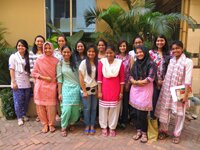 Healthcare for the homeless in Dhaka
Raiya Kishwar Ashraf, Dhaka Contributor
ঢাকা শহরের রাস্তায় প্রতিদিন শত শত গৃহহীন মানুষ রাত কাটায়। বাংলাদেশ সরকারের নির্দেশ মতে ফুটপথে কোন বাসস্থান তৈরি করা নিষিদ্ধ, তাই তারা সারাদিন পথে পথে ভ্রাম্যমাণ থাকে। এসকল নিরাস্রিত মানুষ জীবিকার সন্ধানে জীবন বাজি রেখে বিভিন্ন ঝুঁকিপূর্ণ কাজ করে থাকে, যেমনঃ রিকশা চালান, দিনমজুর, গার্মেন্টস কর্মী, গৃহকর্মী ইত্যাদি। এসকল ঝুঁকিপূর্ণ কর্মক্ষেত্রে তারা প্রায়শই আহত হয়ে থাকে, কিন্তু তাদের চিকিৎসার তেমন কোন সুবাবস্থা নেই। এমনকি তাদের নিম্ন জিবিকায় তারা ন্যূনতম প্রাথমিক চিকিৎসাটুকুও পেতে পারে না। কর্মক্ষেত্রে আহত হওয়া ছাড়াও অনেক সময় তারা অসুস্থ থাকে যা তারা সামর্থ্যের অভাবে চিকিৎসা করাতে পারে না। তাই এসকল গরীব ঝুঁকিপূর্ণ পেশার মানুষদের জন্য বিভিন্ন এন.জি.ও চিকিৎসা এবং জীবনবীমার বাবস্থা করছে। বাংলাদেশে বর্তমানে “গণস্বাস্থ্য কেন্দ্র” এবং “জাগো” নামের দুইটি এন.জি.ও বিভিন্ন ভাবে এসকল গৃহহীন মানুষদের সাহায্য করছে। গণস্বাস্থ্য কেন্দ্রের কর্মীরা কয়েকটি ভ্রাম্যমাণ চিকিৎসালয় তৈরি করে এসকল গৃহহীন মানুষদের চিকিৎসা সেবার বাবস্থা করেছে। এই ভ্রাম্যমাণ চিকিৎসালয়ের ডাক্তারদের অনেকেই এই এন.জি.ওদের কাছ থেকে অনুপ্রানিত হয়ে তাদের নিজেদের ক্লিনিকে গৃহহীনদের জন্য বিনামূল্যে চিকিৎসাসেবা প্রদান করছে।
On the streets of Dhaka you'll find many like Sriti, crouched by her precious shanty, packing up the single blanket she and her mother use to make a tent at night. They cannot leave this behind as they set out to beg for the day because of the government's law against informal settlements on sidewalks. There are 3.5 million slum-dwellers in Dhaka, and thousands more who are undocumented and homeless, lacking the resources even to live in slums. This extreme poverty leaves them without assets or services to call their own. While the government tries to confine slum dwellers within certain areas of the city, these travelling homeless, living hand to mouth, find themselves unwanted, without support, and in crisis. The most acute crisis is that of access to basic healthcare. Their lives on the streets and in makeshift shelters are not located near hospitals, which are usually prohibitively expensive. Engaged in professions as rickshaw pullers, day labors, garment workers, domestic workers and office clerks – these people have the highest chances of injury and the lowest chances of being treated properly, if at all.
 Fortunately, free medical services brought to them by various NGOs and government bodies give them a chance to benefit from this luxury. Programs like the Urban Health Program, run by Gonoshasthaya Kendra (GK), The People's Health Center, a non-governmental community healthcare center, directly serve the needs of the homeless living at high risk. Services are charged according to people's incomes and clinics are located all over the city, with sub-centers in Dhaka's slums. The hospital has a wide network of referral hospitals, specialized clinics, and preventive healthcare programs. When the government evicted slums where GK operated because of gang violence and drug trades, they launched mobile clinics that continued to provide primary healthcare for slum residents. GK also introduced health insurance for their patients – a concept novel to Dhaka's poor.
 Another NGO, the Jaago Foundation runs health campaigns for the students of their volunteer-run, free school. Students come from Mohammedpur, which has the largest slum population in Dhaka. Dental care is one of the most expensive medical services in Bangladesh, normally reserved for the wealthy. Jaago's A Healthy Child, A Healthy Smile program brought in two dentists, who conducted dental check-ups for all 473 students. On International Women's Day, free health checks and medicine were offered to the entire slum. With the collaboration of student volunteers, corporate banks and private doctors, Jaago has been successful in ensuring that the small population they reach are encouraged to follow a strict dental hygiene regime.
 These organizations have started a movement where more well-off citizens can contribute beyond the scope of the projects themselves. The doctor leading the A Healthy Child, A Healthy Smile has offered to provide free dental check up at her own clinic for the children she served through Jaago's program. In a way, these programs have created a snowball effect, involving the private sector in making private medical care available to the homeless. Jaago's annual fundraiser on Children's Day involves student volunteers selling fruit and flowers to raise money and awareness about street children. As these projects expand, hopefully more private practitioners will be encouraged to open their doors to this altruistic movement.


















Follow @urb_im













Latest blog posts
Recent discussions
Retooling 'Cities for Life': New approaches to urban infrastructure and service provision 03.14.2014
Urban planning and design: Laws, regulations, and the informal city 03.03.2014
Food security in coastal cities 02.17.2014
The competition for water 02.10.2014
Violence against children 02.03.2014
Latest comments
- Hazrat Nizzamuddin Basti Urban Renewal Project by AKTC 2 hours 50 min ago
- Lockdown on Parks 3 hours 6 min ago
- Community produces wisdom and knowledge 8 hours 51 min ago
- Energy layers to keep on different scales 1 day 11 min ago
Comments
city within city
Hi Carlin,
the idea of city within city is quite interesting even though maybe in practice is little bit hard considering, as you mentioned, about self-sustained satellite city. Hard because to be called as a city you need some investment to build infrastructure and prepare spaces for recreation or social activities. for this, the government should really have political will to implement it, while at the same time also provide some life skills for the homeless and education for their children. Life skill is needed so that they can start small business (maybe combine with micro finance scheme) so that they do not rely their income based on labor work. My concern also lies in the fact that the homeless often come back to their place (their shanties) after the eviction because its strategic place according to them. They argue if the government find them a new place, it will be far from their work place so that they will need additional money for transportation. But, different country has different character of homelessness. As for land, may I ask how is the land ownership system in India?can you buy land or just rent it?
As for Indonesia, regarding the homelessness, the social and welfare ministry regularly sweeps particular places where homeless will likely to stay and took them into shelters that government have. Many of them are coming from different city, so the government will return them to their hometown for they do not have Jakarta ID also. Meanwhile, the other will be given trainings or just release them. This method has been proven successful in reducing number of beggar and busker but its not enough to solve the overall problem of homelessness and illegal settlement in Jakarta.
Who belongs in the city
Widya, you bring up many interesting discussions here. While I'll answer your thoughts on my piece after, I wanted to respond to what you tell us about Jakarta--that there is such a thing as a "Jakarta ID." This is fascinating--in order to stay legally in the city, you have to have a "membership" to the city, else risk being thrown back out to your village? This must be so complicated--how are they issued? Of course, there must be many people who come from outside Jakarta whom the city welcomes--for educational or work purposes. How do you draw the line of who can and cannot be in the city. Isn't there a larger issue here to ask about "who belongs in our cities?"
As for your thoughts on the proposals for Mumbai, the "city within a city" model is a complicated one. But I like the core notion that Abhishek is proposing, which is that the rich need the poor for labor, so why not create housing that incorporates low-, middle- and upper-income housing. So many other cities have successfully done this. With the current situation, there is essentially no real "low-income" housing that serves the working poor, leaving these workers with two options: live far outside the city and commute in, or sleep on the sidewalks.
One thing that surprised me while reading everyone's posts this week is that Mumbai seems to have way more homeless than most other cities. It is also worth discussing what we are defining as homeless, as I mention in the beginning of my article. I wonder if other cities' governments have a better system for counting homeless than Mumbai does. Here, its only "census households" or "non-census households." If this is what we based homeless numbers on, they would skyrocket above the 200,000 estimated to sleep under the open sky at night.
Lastly, I wanted to respond to Katy's interesting profile of a homeless boy. What it highlights for me is the downward spiral that can happen on the streets--kids start sniffing glue to escape their circumstances, leading to substance abuse, and as mentioned, sometimes crime. This substance abuse by street kids came to my attention a few weeks ago when I wrote on the "Sports and Development" theme (http://urb.im/c130211#quicktabs-qt130211=2). This is an alarming trend, and an area that needs more intervention. These youth are the future, and without connecting them to meaningful future opportunities, there is little incentive for them to take an alternative path. Holistic approaches to dealing with the issue of homelessness need to think beyond shelter; connecting mothers to daycare and youth to skills-training are ideas. This is a complicated issue that needs to be addressed from many different directions.
Right to stay in the city
Hi carlin. Thank you for the interesting questions. It also made me think again who has the right to stay in a city or is there any boundaries if someone wants to live in certain city as Katy mentioned about China, but it is not happening in Indonesia cities. Basically everyone could live and work in any city in Indonesia. The Jakarta ID is just showing that you are the residents of Jakarta, and me for example, I have my Tulungagung ID that shows where I was born. Every citizen will have ID stated where they were born or grown up or reside for a long time. Movement between cities is acceptable in Indonesia. However, the residents of Jakarta for example will have benefits such as certain health care that will not apply for non-jakarta residents. The same concept is applicable to other cities that only the resident with that city ID only will get particular benefit. Basically ID mainly is used for sensus and licensing and it is different from membership. In the past many people have double ID but since e-KTP (electronic ID) one person gets one ID to avoid redundancy especially during election. Moreover, homeless caught during the sweeping will need to show ID and offered to be returned home with government help or to stay in shelter temporarily. Those without ID will get help to get new ID because some of them do not have family left or they will get new ID once the government sent them home as they required, but at the end having ID Jakarta or not is not the main reason someone can reside in Jakarta or not. I hope that answering your questions and let me know if it is unclear for you.
IDs and shelter
I too was rather taken aback by the fact that people in Jakarta have to have IDs to prove they have a right to be there. Apart from China, I wonder how many other countries have a policy of that kind?
Also Widya, I would be very interested to hear more about these shelters. For some reason as soon as I read about them, the word "prison" flashed through my mind. I don't know why that was my immediate reaction. I wonder, are people happy to be taken to the shelters? Are entire communities brought there or is it just individuals that get singled-out? How long do people stay in these shelters and what happens in them while inside and also where do they go when they leave?
Sorry, loads of questions, but I've never heard of something like this so am interested to know more....
Shelters as temporary accommodation for the homeless
Hi Katy. This is definitely far from ‘prison’ image. I visited one of them. So, basically shelter refers to social institutions that accommodate the homeless that usually brought by Social Services after sweeping certain areas. Here is the list of the institutions.
There are different kinds of social institutions such as for children, youth, disable, prostitute and other homeless people who sometimes has mental problem also. Shelters provide services life skill trainings, coaching, food,health service, education, psychological help, etc. This is temporary shelter for about 3-6 months then some can go back to their original home (transportation is given by the government) or start small business in Jakarta or just leave Jakarta to do something else. However the homeless keep coming back to Jakarta, some are seasonal who come during the Muslim holy month Ramadhan or Christmas where many people hold charity events. Furthermore, these institutions are funded by the government through Ministry of Social Afairs for Social Rehabilitation program. Most of homeless who get caught are single person or small family but not communities. Those who formed communities usually are living in big groups living in illegal settlement near the riverbank, dam or train station. My article is about how to overcome these illegal settlements that has been occupied two or three decades near the riverbank and dam that endanger themselves and the city with flood. I hope that answering your questions.
hyperlink
Widya you know how to hyperlink text in comments! I have yet to figure out how to do this...
Provisión de vivienda
Un aspecto importante que me gustaría resaltar es el dilema de la provisión de viviendas urbanas de acuerdo a la planeación de las ciudades, pues bien en México, al igual que en ciudades con el mismo perfil demográfico, el espacio para uso habitacional es muy limitado por lo que los asentamientos informales e irregulares se han ubicado en zonas donde el suelo es de conservación. En este sentido, además de carecer de una vivienda digna, las personas viven los riesgos geográficos de donde se ecnuentran, pues bien pueden ser minas, barrancas, o zonas proximas a canales. Es un gran circulo vicioso puesto que los riesgos son mucho màs asentuados para estos pobladores, por ejemplo son los más afectados en tiempos de desastres naturales; así mismo, las zonas de conservación no tienen la infraestructura para proveer servicios básicos. Por lo anterior, la provisiòn de viviendas para esta población debe de ser integral considerando el impacto en los capitales de los habitantes.
Cities within cities and satellite cities
Nairobi has plans in the pipeline as part of the country's Vision 2030 strategy to create a series of satellite towns in its outlying areas (http://urb.im/nr/121023th) . The aim is to make them be self-contained cities that will attempt to accomodate for the Nairobi metropolitan region's growing population (projected to hit somewhere near the 15million mark by 2030). The idea is to adopt a multi-pronged housing strategy by involving the private sector and to a significant extent, public agencies and cooperative societies etc. Part of the housing that will be constructed is supposed to be affordable to economically weaker sections of society and with accommodation constructed specifically in order to accomodate squatters from Nairobi. The Nairobi draft spacial plan [http://www.nairobimetro.go.ke/index.php?option=com_docman&Itemid=57] has recommended that in every housing scheme taken up by any agency, at least 10 per cent of the saleable net residential land should be reserved for EWS housing.
Whether or not this plan will live to see the light of day (i.e. if the housing will really go to the people it's intended to go to), is yet to be established... but in theory it sounds pretty good!
CITIES WITHIN CITIES AND SATELLITE CITIES
The situations in Nairobi and Mumbai outline the problem that is present in Dhaka. The homeless pack up their shanties every morning and assemble at the New Market square, the central market in Dhaka. Here they wait for contractors coming to employ them as building labors for the day or when they cannot find work as labors, they settle for begging. The Dhaka City Corporation has tried to pass laws that assign these homeless and slum-dwellers into particular regions of the city where NGOs are encouraged to provide services that cater to needs of the inhabitants; incorporating the cities within cities concept. Healthcare clinics and school as those run by Jaago has contributed to that. However, the problem is elsewhere. The distinction between the homeless and slum-dwellers is not made as clearly in these laws and while NGOs and governments provide services for slum-dwellers, people living in shanties are avoided. Their livelihoods depend on the roads and moving them out of these areas is not a suitable solution. This is where the irony lives - their labor helps build the city, while they themselves have to place to live. This problem has solutions though and those brought forward by the contributors here this week show just that! Whether they can be implemented successfully in all our cities is something we will be following closely.
Healthcare for the homeless in Dhaka
Inadequate shelter and the presence of slums are often most visible indicator of poverty in urban settlements in Dhaka. Among urban residents, the urban poor often occupy illegal land with a lack of legal tenure rights, uncontrolled settlements, and live in informal low cost rental housing. As a result, they experience poor housing quality and face the threat of summary expulsion. In addition, informal residents may suffer from police harassment and may ask for bribe while they sleep on pedestrians, roads, and stations. Whole communities, because they are living in illegal settlements, may be excluded from access to basic services for example healthcare facilities, housing, and infrastructure development. The government organization, Dhaka City Corporation (DCC) is working alongside with some NGOs such as JAAGO Foundation to improve the living and healthcare condition of those homeless and slum-dwellers. In fact, to promote the basic infrastructure services for example providing health care facilities enable people to free from diseases and keeps poor people to become active in income generating activities and work hard to survive in the urban settings.
Homeless vs. Informal Settlements
Looking back at all of our different cities, I think we can all agree that there is a definite distinction between communities that live in informal settlements and individuals that live on the streets without even the most basic forms of shelter. Carlin's interview definitely highlights that in Mumbai, as in Cairo, the government only recognizes households that have the proper land titles and are included in the census - everyone else is ignored. While the first population census in Egypt occurred in 1970, it wasn't until the 1990 census that informal communities such as Manshiet Nasser, Imbaba and Shubra were recognized by the government and included. These areas are collectively home to at least two million people today, that's almost a quarter of the city's population.
I found it interesting that Widya's comments on Jakarta's experience with the homeless as an issue of documentation, whether one belongs to the city or from a rural village dictates the services that the government will provide. In Cairo, the majority of government policies and NGO programs are targeted towards the populations that live in informal housing communities because programs are implemented by geographical region. Those who find refuge on the streets in Cairo generally carry no formal documentation, including a state ID, and have no official standing with the government. As a result, the government doesn't feel pressured to provide services for them compared to those living in the informal sector.
Based on the experiences in Cairo, I agree with Carlin's summary that there is a "city within a city", where the demand for the informal sector and the homeless provide services to one another. It is how residents of the city have grown to depend on themselves when the government and other formal networks do not have the capacity to provide for all.
The dangers of satellite/”self-contained” towns outside the city
Hi there, very interesting discussions regarding the homeless population within the URB.IM cities. What first got my attention is that there are different understandings on who the homeless are, and therefore different approaches to benefit them. Rio is more similar to Cairo, where the homeless population is not the same as the one who lives in informal settlements or the one who lacks proper housing. The homeless in Rio, and in Brazil in general, besides lacking a home, also lack family/social bonds that protect them, therefore they are highly vulnerable. So the concept is more towards the social/behavioral condition rather than just not having proper housing.
Regarding the ideas of building towns/”self-contained” towns on the outskirts of cities, I think this is a very dangerous approach. Of course one will have to study each case separately, but usually building satellite towns is a very expensive approach as all urban and social services need to be taken to the new town. Imagine getting new schools, health posts, and good quality services to a new and faraway place. If local governments can’t do it within the limits of cities, how will they be able to serve these new construction projects on the outskirts? The idea is that cities need to be as compact as possible, and they should try to avoid expanding too much otherwise service provision becomes very difficult and expensive. Within many places in the developing world (like in Mexico, Colombia, Peru, Brazil), and also in the developed one (France for example), the creation of housing projects outside of the city limits in the past wasn’t very successful as these projects although produced good quality housing lacked many social services and good connections to the city in terms of transportation so at the end of the day not many people wanted to live there.
alarm bells
Catalina I agree with you entirely. The moment government's start talking about building cities for the poor that are removed from where the affluent live alarm bells should start ringing. The homeless and slum dwellers sleep where they do because they have to be as close as possible to whatever economic opportunities they have. By putting them far away there is always a huge risk of cutting them off from their main source of income generation and thus making the places they live useless.
France, or Paris to be more specific, is a good "historical" example of how less desirable people were all bundled into these mega highrises (the dreaded banlieus) which not only perpetuated economic marginalization but also a form of social marginalization which has resulted in huge levels of discontent which at times bubble up into the riots we have occasionally witnessed in the past decade (a simplistic argument to be sure but I think it captures the essence of it).
In defence of the Nairobi Vision 2030 plan (which again I'd like to reiterate is still on paper so exactly what will happen remains a big question mark) the aim is to accomodate Nairobi's growing population which is set to double over the next decade or so. As such the new towns are not only for the poor but also for educated and white collar collar workers. Each town is set to have a specific purpose which is apparent by the names that have already been assigned to them at this early stage: Aerotropolis, Knowledge-cum-Health City, Cyber City, Transport New Town and Sports City. So basically these are expected to be self-contained economic hubs that will have housing for the poor incorporated into their plans as opposed to the way Nairobi was built in the early 20th century which was almost exclusively along racial lines (whites with whites, Indians with Indians and Kenyans with Kenyans). Once again the exact logistics of how people will be identified, moved from their slums and re-housed, are still very murky so we'll just have to wait and see what happens... watch this space!
Michael replied on Permalink
Questions about homelessness
Very interesting questions and answer. I'm sure the interview with Bharadwaj was more extensive that the parts that we read, and so maybe my questions are answered elsewhere, but to me he seems to be conflating unskilled laborers and domestic help with the homeless. The answers to the second and third questions imply this. If that's true, it's quite a startling thing considering that Mumbai is awash in constant construction (to leave aside domestic help for the moment). Is he saying that ALL laborers are homeless? If so, I'd love to see the studies on that, considering that, as anyone who has visited Mumbai knows, the city's constant sounds of building pretty much never stop, 24/7. Have research studies confirmed this fact about that population?
If not, I think perhaps we should be careful about the details, meaning that it might be more accurate to say that X percentage of unskilled laborers are ALSO homeless. And the same thing goes for domestic help.
Really thought-provoking piece- thanks for writing it!
Stats on Homeless in Mumbai
This is a great point, and I don't think Abhishek's point was to say that all unskilled laborers or domestic workers are from the homeless population. I hope Abhishek chimes in with some statistics from his own studies, but in the absence of that, I'd like to just expand more broadly on the point I think Abhishek is making here. Unlike in many Western cities, where the homeless are often out of work because of difficult financial times, mental illness, etc, in Mumbai, the homeless get up everyday and go to work, like the rest of us. They are the cheap labor that keeps the city moving and provide the services for the rich that they demand: daily car washing, home cleaning, personal cooks, etc. Also, many of the homeless are rag pickers, who make the city cleaner and greener through their recycling efforts. Of course, not all of these laborers are homeless, but I think it's important to understand that the homeless are not simply burdens on the city, but in fact, they are part of the city and they add to its daily grind and movement. I hope this helps clarify!
Add new comment