 Realizando os objetivos de desenvolvimento em Curitiba
Andréa Azambuja, Coordenadora da Rede em Curitiba
Este mês, os Estados-membros da ONU se reunirão para assinar a Agenda de Desenvolvimento Pós-2015, um pacote universal de metas para erradicar a pobreza em todas as suas dimensões até 2030. Através do acordo, que amplia os Objetivos de Desenvolvimento do Milênio (ODM) firmados em 2000, os países assumem o compromisso de implementar planos efetivos de desenvolvimento sustentável baseados numa prioridade mundial: a garantia dos direitos humanos.
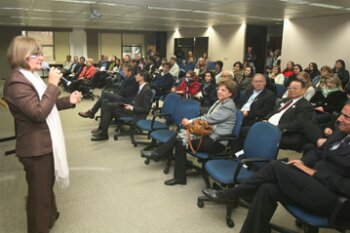 Se é inócuo questionar a necessidade de um esforço multilateral coordenado, com particular incentivo das nações ricas, em prol da prosperidade global, uma dúvida fica no ar: na prática, qual é o impacto deste tipo de acordo para quem faz o "trabalho braçal" na luta por igualdade e por justiça? Pois utilizando as decisões da diplomacia internacional como guias de desenvolvimento local, uma instituição de Curitiba tem garantido que este impacto realmente se configure – e outra tem feito o mesmo, ainda que desvinculada da rotina da ONU.
A primeira é o Nós Podemos Paraná, organização da sociedade civil composta por associações de moradores, universidades, prefeituras, sindicatos, bancos, órgãos do governo e outras representações, com o propósito de fomentar e implementar, em todo o estado, ações concretas de cumprimento aos ODMs de 2000. A articulação é uma representação regional do Movimento Nacional pela Cidadania e Solidariedade, inciativa apartidária para engajar a sociedade na missão sacramentada pela ONU.
As atribuições do Podemos Paraná começaram a se delimitar em 2006, com a realização de círculos de debates voltados à potencialização de projetos locais existentes e ao incentivo do trabalho voluntário, do empreendedorismo e da integração multissetorial. Sob a liderança Serviço Social da Indústria (Sesi/PR), desde então foram realizados mais de 700 Círculos de Diálogos, cursos de mobilização, oficinas de capacitação (Mobilização de Recursos, Aprendendo a Empreender, Elaboração de Inventário Ambiental, entre outros) e congressos – eventos que conectaram mais de 40 mil pessoas.
Também foram criados, com apoio financeiro do Programa das Nações Unidas para o Desenvolvimento (PNUD), 360 Núcleos Locais de Trabalho, e o Selo ODM, certificado para reconhecer a dar visibilidade a práticas-modelo em saúde, saneamento, meio ambiente, educação, habitação, igualdade de gênero... programas de combate à pobreza em toda a sua amplitude.
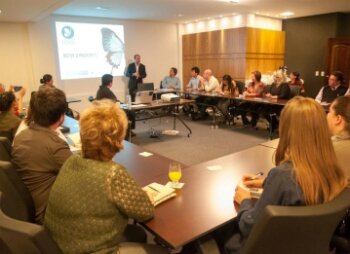 O Instituto Legado também trabalha em sintonia com metas socioeconômicas globais – mas desvinculado das atividades das Nações Unidas –, articulando esforços para coordenar e ampliar o trabalho de empreendedores sociais. Para isso, seleciona organizações que tenham resultados comprovados e oferece tanto um programa de capacitação, treinamento e assessoria voltado à gestão, quanto injeção financeira.
Com o objetivo de fazer de Curitiba um pólo de discussões de relevância nacional e internacional, ainda promove e apoia eventos de Negócios Sociais e Investimento de Impacto, como o Congresso Internacional de Negócios Sociais e Empreendedorismo e a primeira visita de Muhammad Yunus, Prêmio Nobel da Paz, à cidade. Tem dado certo: em três anos de atividade, instituições favorecidas pelo instituto foram vencedoras do Prêmio Empreendedorismo Social da Folha de São Paulo, o mais importante da América Latina, e do Smart Living Challenge da Suíça (caso da Bicicletaria Cultural), entre outros feitos.
Uma das principais metas do Legado é formar lideranças preparadas, que consigam focar em prioridades, manter a sustentabilidade financeira dos projetos, mensurar resultados e, sobretudo, ampliá-los. Se muitos têm apontado, com fundamento, a falta de estratégias precisas de implantação e prestação de contas da Agenda Pós-2015, talvez esse seja um benefício mais claro: a cúpula é uma força-motora que reforça – e expõem globalmente – o preparo dos líderes mais poderosos do mundo, exigindo posicionamentos, atitudes sistemáticas e soluções efetivas – com prazo. Esperemos por elas. Close.
Foto 1: Nós Podemos Paraná: reunião integrada entre Curitiba e região metropolitana/ Credito: Agência Fiep. Foto 2: Projeto Legado inaugura etapa de capacitações / Crédito: Instituto GRPCOM.
Permalink to this discussion: http://urb.im/c1509
Permalink to this post: http://urb.im/ca1509cup
Meeting development objectives in Curitiba
Andréa Azambuja, Curitiba Community Manager
This month, the Member States of the UN will meet to sign the Post-2015 Development Agenda, a universal package of goals to eradicate poverty in all its dimensions by 2030. Through the agreement, which extends the Millennium Development Goals (MDGs) signed in 2000, the countries commit to implement effective sustainable development plans based on a global priority: the guarantee of human rights.
If it is innocuous to question the need for a multilateral coordinated effort, with particular encouragement of rich nations, for global prosperity, a question hangs in the air: in practical matters, what is the impact of this type of agreement for those who are daily doing the work in the struggle for equality and justice? By using the decisions of international diplomacy as guides for local development, one institution in Curitiba has been ensuring that this impact really exists – and another has been doing the same, though it is unassociated with the UN.
The first initiative is Nós Podemos Paraná (We Can Do It Parana), a civil society organization formed by neighborhood associations, universities, municipalities, unions, banks, government agencies and others in order to promote and implement, statewide, concrete actions for achieving the MDGs. The group is a regional representative of the National Movement for Citizenship and Solidarity, a nonpartisan initiative to engage society in the UN's mission.
Podemos Paraná's duties began to be defined in 2006, with the promotion of debates focused on the enhancement of existing local projects and on encouraging volunteer work, entrepreneurship and multi-sectorial integration. Under the leadership of Social Service for Industry (Sesi), it has since organized more than 700 Dialogue Circles, courses, training workshops (teaching Resource Mobilization, Entrepreneurship, Environmental Inventory Development, etc.) and conferences – events that have connected more than 40 thousand people.
With financial support from the United Nations Development Programme (UNDP), 360 work centers were created, as well as MDGs Certificates, which recognize and give visibility to model practices in areas of sanitation, environment, education, housing, gender equality, and anti-poverty.
Instituto Legado is another organization that also works in tune with global socio-economic goals (but with no links to the United Nations), coordinating efforts to guide and expand the work of social entrepreneurs. To this end, it selects organizations that have a track record of proven results, and offers them a training program, advisory services, and financial investments.
In order to transform Curitiba in a national and international center for relevant discussions, the Institute also promotes and supports social business events, such as the International Congress of Social Business and Entrepreneurship, and the first visit by Nobel Peace Prize-winner Muhammad Yunus to Curitiba. It's been working: in the past three years, the organizations supported by Legado have won a number of awards, including the Social Entrepreneurship Award from Folha de São Paulo, the largest award of its kind in Latin America. One organization, Bicicletaria Cultural, won the Smart Living Challenge in 2014.
Projeto Legado's main goal is to prepare entrepreneurs to focus on priorities, maintain financial sustainability, measure results and, above all, expand their work. Though many around the world have reasonably pointed out the lack of precise deployment strategies of the Post-2015 Development Agenda, this may actually be a benefit: the agreement is a force that strengthens – and globally exposes – the skills held by powerful leaders in the world, requiring them to take clear positions and seek effective solutions. We'll see if they're up to the challenge. Close.
Photo 1: Nós Podemos Paraná. Credits: Agência Fiep. Photo 2: Projeto Legado inaugurates the training stage. Credits: Instituto GRPCOM.
Permalink to this discussion: http://urb.im/c1509
Permalink to this post: http://urb.im/ca1509cup
 September 2015 — The post-2015 development agenda is both ambitious and absolutely necessary. How can cities and organizations — from global foundations to community-based NGOs — align their work with the Sustainable Development Goals and other development frameworks in order to coordinate and scale their efforts, increase their impact, and ensure that these critically important goals are achieved?
 India's sanitation crisis needs imaginative design and behavioral change communication
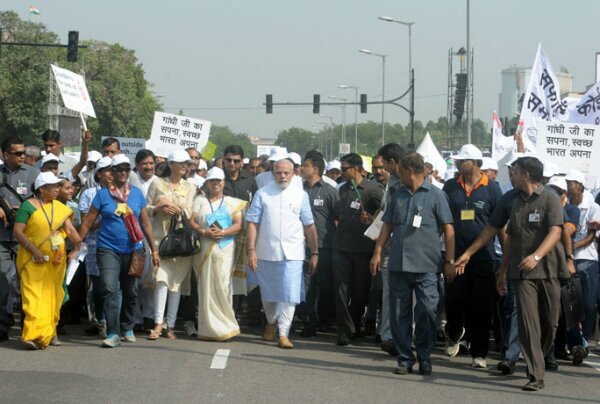 International aid agencies such as WaterAid and the Gates Foundation continue to lobby political leaders to secure greater prioritization of clean water, basic sanitation and hygiene. Some success was achieved when at the Sustainable Development Summit, Global Goals were adopted with Goal 6 dedicated to water and sanitation: "Ensuring the availability and sustainable management of water and sanitation for all." The inclusion of Goal 6 is a major milestone as it commits UN member states to delivering basic access to water, sanitation and hygiene to everyone everywhere by 2030.
 چرا توصیههای بانک جهانی در ایران کار نمیکند؟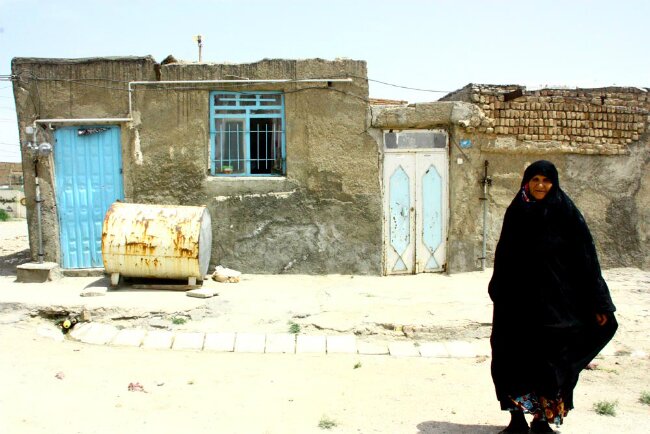


 Ensuring inclusive growth through local dialogue in Accra
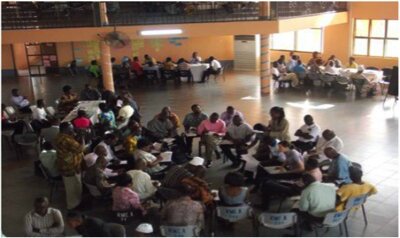 As part of the process to ensure inclusive dialogue, the United Nations (UN) selected Ghana as one of the 50 countries to provide inputs on priorities and feedback on the means of implementation that will define the development goals. This partnership is with the National Development Planning Commission (NDPC) of Ghana. As part of the dialogue process, a series of stakeholder meetings were held in the three Northern regions of Ghana that account for a higher incidence of poverty. Also, deprived communities across the country, especially in urban slums of Accra, Kumasi, and Takoradi (the three largest cities in Ghana), were selected for focus group discussions and consultation with professional groups and civil society organizations.
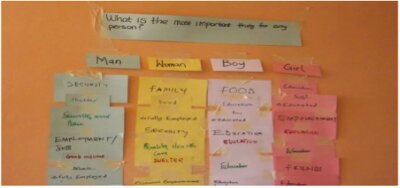 The country consultations have provided opportunity for inclusive dialogue that captures the views of the urban poor towards promoting a global development agenda beyond 2015. It has provided an analytical base, inputs and ideas that build on a shared global vision of ending poverty in all its forms including, urban poverty, and ensuring sustainable cities for all. The urban poor have been given this opportunity to articulate their concerns towards ensuring a better urban future. This has certainly challenged the dominant policy formulation and implementation approach, which is mostly top-down, without regard to local context and needs. Post-2015 must see the Ghanan government, development stakeholders and the urban poor working hand-in-hand to meet the SDG targets to ensure a better standard of living for all.
 Planning between the local and the global in Johannesburg's Spatial Development Framework
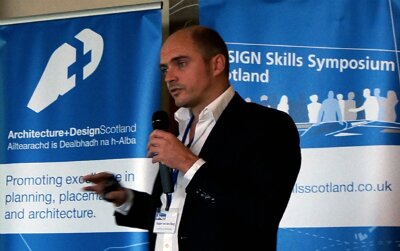 What does your unit do and what does it seek to bring to the Joburg SDF?
 Environmental conservation in the City of Trees
 In 1997, the Abuja Environmental Protection Board (AEPB) was created with the objectives of promoting sustainable development, improving environmental quality, conserving and using natural resources sustainably, and minimizing the impact of physical development on the ecosystem. Amongst the various policies being enforced by the AEPB is the ban on tree felling in the city. Violators of this rule are required to pay a heavy fine of 50 000 NGN (USD $250) per tree, and to plant three trees for every tree removed.
 Peningkatan Kesadaran akan Perubahan Iklim
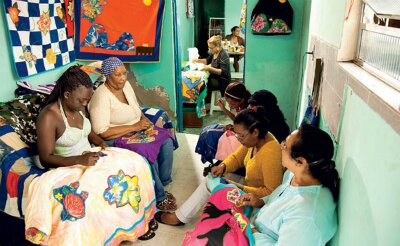 Para promover e fortalecer o protagonismo e a liderança das brasileiras em todas as regiões do país, o Elas mobiliza e soma doações de apoiadores nacionais e de redes internacionais, como Ford Foundation, ONU Mulheres e Instituto Avon, e não apenas investe estes recursos, mas oferece um treinamento 360º em gestão de negócios, com capacitação em áreas como direitos humanos, comunicação, marketing e avaliação de impacto, para citar alguns, e acompanhamento posterior.
 Reducción de la mortalidad infantil en Cali
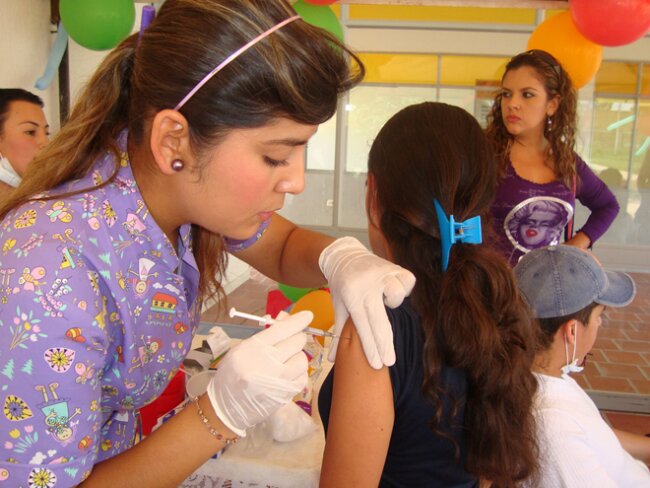 Los Objetivos de Desarrollo Sostenible buscan reducir la mortalidad infantil hasta menos de 25 por 1 000. En Cali en el año 90 la mortalidad infantil era de 200 niños por cada 1 000 nacidos. En la actualidad se ha reducido hasta 9,7 en el año 2014. Cali ya cumpliría, por tanto los ODS. Sin embargo, la inmensa mayoría de los fallecimientos que aún se producen podrían ser evitados. Según el informe Cali Cómo Vamos, hasta el 63 por ciento de las muertes que se produjeron en 2013 eran evitables. También este informe evidencia las fuertes desigualdades territoriales que existen dentro del municipio: las tasas de mortalidad en la Comuna 3 duplican a la media del conjunto urbano. La desigualdad se refleja en todos los aspectos relacionados con la salud infantil. Por ejemplo, el 75 por ciento de los embarazos de madres adolescentes tiene lugar en las comunas más desfavorecidas. La disponibilidad de espacios públicos para jugar es 200 veces superior en las barrios más acomodados.
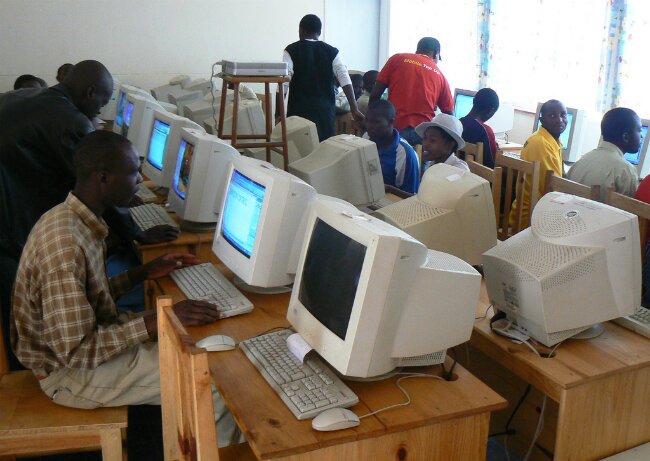 PIN's Ajegunle L.I.F.E project (life skills, ICT, financial readiness, rntrepreneurship) focuses on offering opportunities out of poverty using information and communication technologies (ICTs): it connects the large youth population of the low-income community with wealth-creating opportunities. Started in 2007, the project is based on a train-the-trainer scheme, which ensures sustainability and community ownership. It is designed to train an average of 25 youth each month on business development skills through a PC community ownership scheme. This blog post highlights the success story of Famous, a participant turned staff member, at the British High Commission in Abuja after completing a program internship at the UK Deputy High Commission in Lagos.
 جمعية نهوض وتنمية المرأة تبذل الجهود لتحقيق أهداف التنمية المستدامة في القاهرة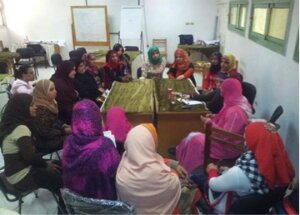

 Sembrando vínculos, cosechando paz
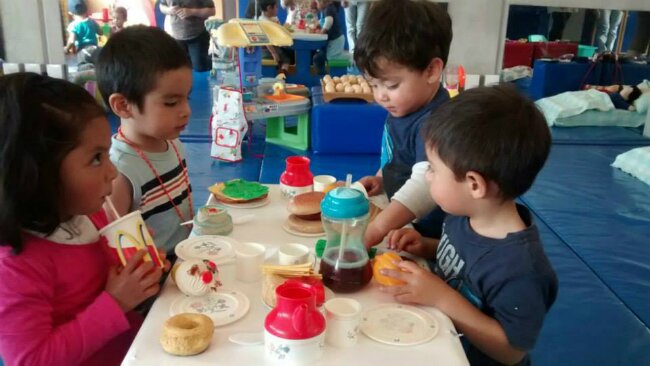 La campaña de UNICEF se enmarca en el movimiento The World We Want, una encuesta global de Naciones Unidas que tiene como objetivo, identificar las necesidades para fomentar un mundo mejor; la cual servirá de insumo alos tomadores de decisiones para el establecimiento de la agenda de los Objetivos de Desarrollo Sostenible posterior al 2015.
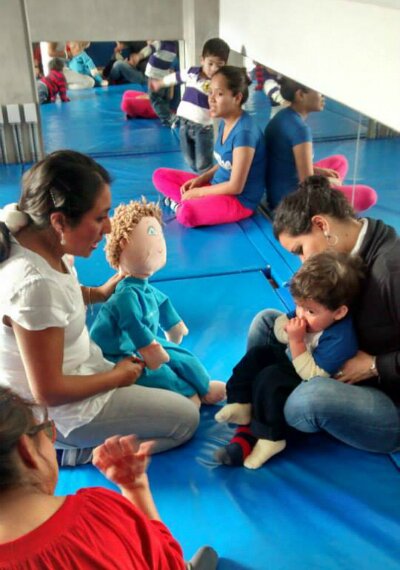 En este marco, el proyecto "Sembrando Vínculos, Cosechando Paz" de DEI Comunidad AC tiene como objetivo, generar lazos afectivos de calidad desde el embarazo y durante la primera infancia entre los bebés y sus cuidadores, a través de centros de "Estimulación Oportuna" y capacitación en "Escuela para Padres" en zonas marginadas de la Ciudad de México. Estudios de neurociencias demuestran que un ambiente afectivo en las familias tiene un impacto económico: baja la incidencia de la violencia, y genera ahorros en salud y seguridad pública. Así mismo, el cariño y el establecimiento de un vínculo afectivo estrecho y positivo del bebé con sus cuidadores más cercanos, mejora en el niño su capacidad académica, entre otras habilidades, y esto a su vez le permite acceder a una mejor calidad de vida.
 Can Mumbai's waste pickers help India meet the SDGs?
 In Mumbai, a city that generates 6,500 tons of waste every day, Sampurn(e)arth believes that the city's massive dumping ground, which the organization says is the largest in Asia, is not only environmentally destructive but also exploitative, both to the people who toil there and to the planet. The current process, says Sampurn(e)arth, involves "extraction, production, consumption and dumping or landfilling, resulting in green house gas emissions, ground water pollution and an ever-increasing strain on natural resource."
 She Builds. She Serves. She Leads.
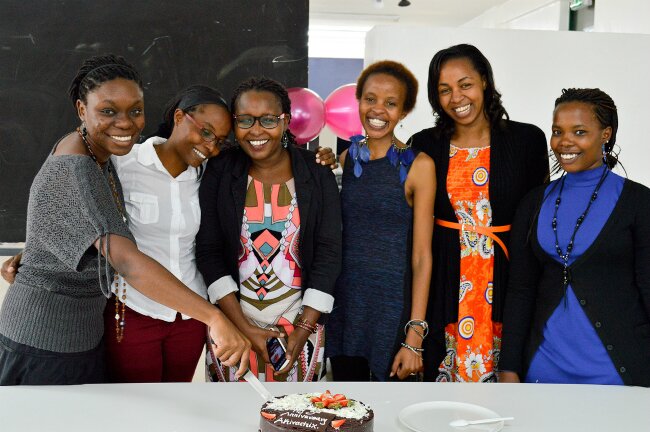 Sustainable Development Goals 4 and 5 target inclusive education goals that afford access and opportunity, and a platform for promoting gender equity and empowerment of women and girls. Combined, these objectives have the potential to address persistent inequalities that contribute to high rates of urban poverty, particularly among Nairobi's female population.
 "Hành trình Sữa mẹ": Câu chuyện về Người cha đơn thân nỗ lực đạt đến Mục tiêu Phát triển Bền vững Toàn cầu
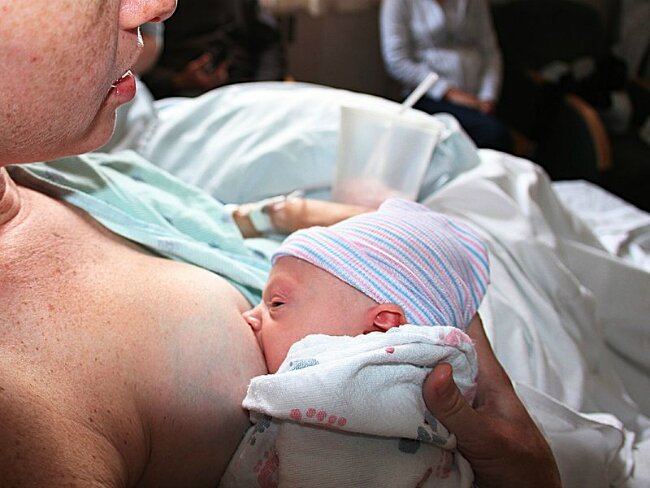 Ngân hàng Sữa mẹ và Hành trình Sữa mẹ
 Yoga para el desarrollo
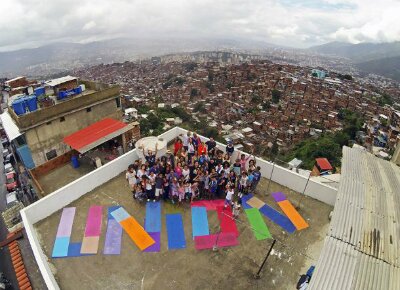 Luego de entender el contexto que da pie al surgimiento de la violencia, y cansados de esperar alguna repuesta institucional, el joven arquitecto Joel Ignacio Valencia, precursor de la Fundación En Los Barrios decide junto con otros miembros de la fundación, hacer algo al respecto. Junto a un grupo de voluntarios y guiados por su investigación sobre la violencia en los barrios, específicamente en el barrio Julián Blanco (ubicado en Petare), deciden introducir una práctica que potencialmente permitirá el cambio de dinámicas comunitarias.
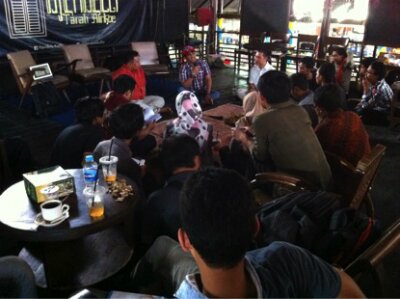 Sebagai bagian dari agenda UN untuk terus mengadakan dialog yang inklusif dan memastikan bahwa agenda pembangunan ini berorientasi manusia maka UN mendorong adanya dialog yang transparan dengan semua stakeholder termasuk dengan masyarakat sipil. Ruang dialog dibuka sehingga rekomendasi yang dihasilkan memiliki dasar yang kuat. Berdasar hal ini, Kemitraan bersama dengan organisasi sipil lainnya seperti INFID dan TII berperan aktif menggali aspirasi dari berbagai wilayah lain di Indonesia. Dalam desain kegiatannya, Kemitraan bergerak melalui tiga pendekatan yaitu (1) pemberian asistensi teknis dan dukungan langsung terhadap pemerintah untuk dapat merumuskan prioritas-prioritas pembangunan; 2) Penguatan peran terhadap pemerintahan daerah dalam merencanakan, melaksanakan dan mengevaluasi agenda pembangunan pasca 2015 dan 3) Penguatan peran kepada OMS agar dapat berpartisipasi secara aktif dalam proses pembangunan sebagai pengawas pembangunan dan mitra dalam perumusan kebijakan.
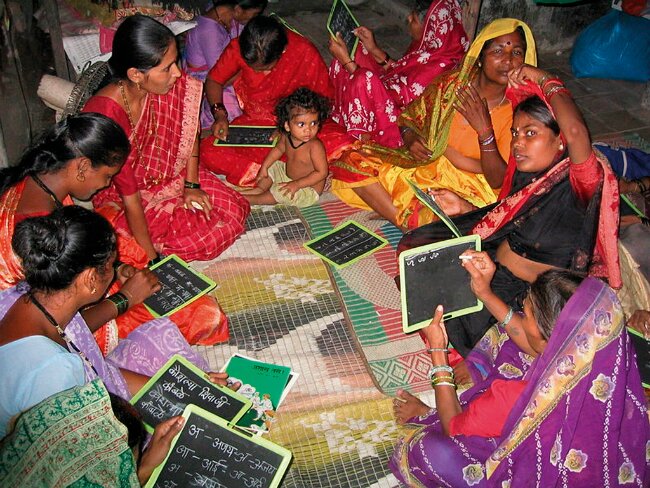 Bangalore-based mDhil, an online medical resource center, has developed videos and mobile campaigns to bring important health information, especially targeting women, to users in the city and beyond. In order to make the information accessible to a variety of patients across socio-economic barriers, mDhil's materials are available in multiple Indian languages. Videos cover a range of topics, from health and wellness to food to ideas for healthier lives. At the heart of the mission, though, is to target women in need of better information about their personal health matters.
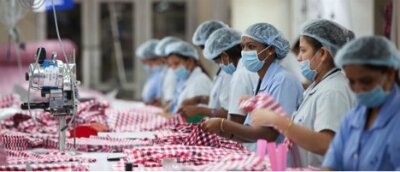 The first step for HERhealth is to approach ready-made garment companies and interact with a small number of factory nurses and female workers to train them on basic health using a peer education methodology. Once approved, the trainers from HERproject start training a handful of workers, called peer educators, who later disseminate their learning to other female workers. Common diseases addressed include anemia and reproductive tract infections, and common areas of education include maternal health, menstruation, personal hygiene, etc. For instance, many women who use pieces of cloth during their periods are taught the benefits of using sanitary napkins. In addition, the women are taught how and why they should boil drinking water and the different types of water-related diseases this simple precaution combats. This not only promotes better health for the women themselves but also for their families and communities, resulting in decreasing rates of diseases like cholera.
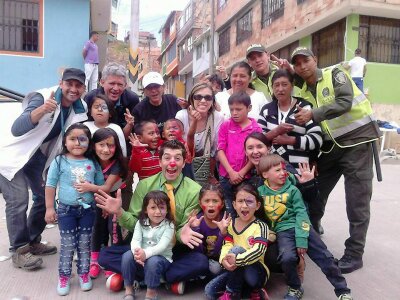 En este proceso, la búsqueda de legitimidad internacional juega un papel muy importante. Es en este contexto en el que se enmarca la importancia que los Objetivos de Desarrollo del Milenio han jugado en la formulación de las políticas públicas durante el mandato de Gustavo Petro, que concluye con las elecciones que se celebrarán a finales de este año. El plan de gobierno de Petro se plasmó en un plan de desarrollo que recibió el nombre de Bogotá Humana. Aunque en este documento la se mencionan en alguna ocasión los Objetivos del Milenio, ha sido en documentos posteriores donde se ha puesto de manifiesto con mayor claridad el interés de la Alcaldía en enfatizar como el programa de la Bogotá Humana ha contribuido a mejorar dichos objetivos.
 El cumplimiento de los Objetivos de Desarrollo del Milenio no ha sido un objetivo exclusivo de Bogotá. Responde a un interés generalizado en el país, así como a iniciativas lanzadas desde el gobierno nacional desde mucho antes de la llegada al poder del actual alcalde, Gustavo Petro. Sin embargo, debido a la situación política particular de la capital de Colombia, los Objetivos de Desarrollo del Milenio han sido utilizados con un mayor vigor tanto como mecanismo de formulación de políticas públicas como de mecanismo de validación política de las mismas, en un entorno político hostil.
Comments
Digital media
Hi Carlin,
I was very much impressed by the number of views that the digital content developed by mDihl has reached. Digital media has the power to subvert even the most established power relationships. We have already seen many examples of just that in the developed world, where entire economic sectors have been turned upside down. But acces to the digital world is still a big challenge in much of the new South. As I started reading your piece, that was the first issue that came to mi mind. I was therefore quite surprised whn I realized that the service has reached so many million users, presumably most of them women. This is a very promising example of how the digital world can empower collectives, liberating them form having to submit to traditional ways of doing things which are often more barriers than help.
Interne access is becomeing ubiquitious and affordable in Colombia too, with extremelly rapid growth rates. But, still, there is a long way to go, particularly in rural areas.
The power of New Media
Hi Jorge,
Well, I was a bit shocked by the numbers, too, but then again, when something is popular in India, the numbers can skyrocket quickly. Mobile phones are everywhere in urban areas. Nearly everyone of every socio-economic class—young or old—seems to have one these days. I find that there’s actually not as much of a desire to have a computer as there is to have a phone, which is used as a form of entertainment as well as a communications utility. It’s not surprising, then, that when there is a video that is filling a certain demand, that the numbers skyrocket (numbers can jump up quite quickly in India!). I think it’s an incredibly powerful resource to be able to share information that is otherwise difficult to discuss or disseminate. I hope Colombia is able to do the same soon!
Violencia en Caracas
Hola Marcela,
una y otra vez Caracas aparece entre las ciudades más violentas del mundo. (http://www.seguridadjusticiaypaz.org.mx/biblioteca/prensa/summary/5-pren...) Sin embargo, este dato no nos debe distraer de la realidad: la violencia es un problema que afecta muy fuertemente a toda la región de Latinoamérica, desde México hasta Argentina. Centroamérica, Colombia, Venezuela y Brasil son los más gravemente afectados en estos momentos, pero no los únicos. Según la Naciones Unidas, un tercio de los homicidios violentos se producen en la región, que solo supone un 8% de la población global.
Las causas son muy complejas, aunque la desigualdad, la disponibilidad de armas, y el narcotráfico probablemente estén entre las mas destacadas a nivel regional. Pero precisamente debido a la complejidad de las causas, también se hace imprescindible encontrar soluciones innovadoras. La que tu destacas es un pequeño paso, pero me ha parecido sumamente interesante. Recuperar el sentimiento de comunidad, y generar la esperanza de que los problemas se pueden resolver son avances muy importantes en comunidades que han caído en la desesperanza y en la desconfianza de los otros.
Las cosas pueden mejorar, como demostró Medellín, ciudad que está a punto de salir de la lista de las 50 ciudades más peligrosas del mundo. ¿Por qué no empezar con pequeñas iniciativas como esta?
Impacto de yoga en la prevención de violencia
Marcela, muy interesante el artículo sobre Caracas. Coincido que para trabajar en la prevención de la violencia social es necesario trabajar con la persona, su "Ser" y su entorno. Sería interesante conocer si en los años en que la organización estuvo inmersa en el barrio, se identificó si las causas de violencia se originaban en problemas intrapersonales. Por su lado, hay alguna evaluación que mida si el impacto de la yoga ha reducido la violencia social del barrio?
Program for Dhaka's garment workers
Hi Sumaiya,
This health program for Dhaka's garment workers is really interesting. I like the idea of it--using the workplace as a means to educate and empower women about their health, which, as you say, has ripple effects that spread to the family as well. The last paragraph intrigued me--the part about the dividends for the company. The women will be stronger workers and more reliable; fewer health issues means more work days. In fairness, I hope the company is also providing for sick days, so that if the women do need to take time off, they are compensated. This is often not the case. Similarly, if they need to visit a doctor, do they receive paid time off? Does this program provide in-house care? The awareness-raising and education program is interesting, though I wouldn't want it to miss out on the key steps of extending formal health benefits to factory workers. Thailand has made some interesting headway here that might be relevant. Thanks for sharing--interesting project!
Galz in Tech
Hi Hilary,
AkiraChix is a really amazing initiative, especially considering that Technology is still a largely "male area", in which women in general are still very discriminated. Reading your article, I was wondering if the university-level program takes place inside one university with girls who are already students, if it takes girls from outside to the inside of some university or, yet, if it is an independent course recognized as higher education. If you have the opportunity, please let me know :)
Her Health Project- Sumaiya
Hi Sumaiya,
Nice article. Health awareness especially for women is part and parcel of the development process. I have a question on this project Herhealth, does the programme also supports the women financially or by in-kind commodities provision? You stated that the women are learning about maternal health, mensuration..etc, so does the programme provides them with Dignity Kit for instance or some food basics on daily base as bottle of milk for example?
Thank you
Focusing on changing attitudes and perceptions, brilliant!
Hi Marcel, interesting approach to reducing violence. Often we say the problem is the people e.g when talking about corruption and violence, but very little of the solutions tend to focus on changing the perceptions and actions of people, quite possibly because it is a long-term result endeavor. It is interesting to see an intervention focused on the people and not on short-term impact, a project willing to invest in a project whose results are likely to emerge only on in the long run.I see they are measuring reach, but I wonder how they are or intend to measure impact.
Local to global
An inclusive process in determining policies or development agenda items is always a good way to ensure adoption and sustainability. However, I was surprised that the top three issues mentioned did not touch on climate change and flooding issues in Jakarta, especially as one of the focus areas is in improving service provision at the local level. Widya, from my limited knowledge I understand flooding is a big issue in Indonesia and climate change and its accompanying effects is certainly a global present concern. So will this mean locally it is not considered a priority issue for post 2015 or that interventions and local capacity to handle it has improved?
Anty Corruption & Violence..
Rulling party e.g.govtment & opposition party & their subsidiriy parties at the grass level if work together against corroption & violence then rules and regulation will must be better.It because they always handling the power of the state.
Add new comment