 O Rio de Janeiro aglutinador
Andréa Azambuja, Coordenadora da Rede em Rio de Janeiro
A tendência das grandes metrópoles é aglutinar outros centros urbanos, e o Rio de Janeiro não foge à regra. Segundo o IBGE, Instituto Brasileiro de Pesquisa e Geografia, seu arranjo populacional engloba 11,9 milhões de pessoas, distribuídas em 21 municípios, num intenso fenômeno de urbanização e globalização que cada vez assume formas mais complexas, não apenas seguindo tendências que já se verificavam, mas totalmente distintas. Assim, em termos de políticas públicas, não se pode pensar de forma isolada, mas em ações integradas e inovadoras entre cidades – o que exige pesquisas e trocas constantes.
É aí que entra o trabalho do Observatório das Metrópoles, que reúne 159 pesquisadores e 59 instituições universitárias (programas de pós-graduação), governamentais (estaduais e municipais) e não-governamentais, sob a coordenação geral do IPPUR, Instituto de Pesquisa e Planejamento Urbano e Regional da Universidade Federal do Rio de Janeiro. Com sede oficial na capital carioca, o grupo vem se dedicando desde 1996 a pesquisar, de maneira sistemática e interdisciplinar, as metrópoles brasileiras e os reajustes estruturais e produtivos realizados, com foco na avaliação de seus impactos sociais, territoriais e políticos – subsídio indispensável ao poder público e interessados para dirigir novas políticas de desenvolvimento.
 O trabalho da organização se estende, ainda, à articulação da academia com o governo e a sociedade civil e, também, à formação de lideranças locais, para que possam intervir diretamente na gestão administrativa de suas cidades. Com o apoio da FASE, Federação dos Órgãos para a Assistência Social e Educacional, da Fundação Ford, da Fundação Rosa Luxemburgo e da Actionaid, seminários, workshops e cursos de capacitação de conselheiros municipais – nos quais são discutidos temas como segregação residencial, violência e saneamento – são realizados regularmente desde 1999, em toda a Baixada Fluminense.
De modo geral, o Observatório se dedica a quatro linhas de pesquisa: "Metropolização, Dinâmicas Intrametropolitanas e o Território Nacional", "Governança Urbana, Cidadania e Gestão das Metrópoles", "Dimensão Sócio-Espacial da Exclusão/Integração" e "Monitoramento da Realidade Metropolitana e Desenvolvimento Institucional". Entre seus produtos (relatórios, manuais, livros, apostilas) mais recentes – todos disponíveis gratuitamente – está o livro "Rio de Janeiro: Transformações na Ordem Urbana", uma análise completa das mudanças ocorridas de 1980 a 2010 e de seus padrões de segregação.
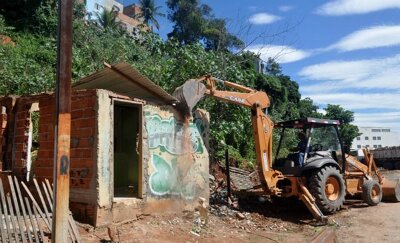
 Um dos aspectos que "Transformações..." aborda são as consequências do ciclo de expansão da economia do petróleo, que continua reconfigurando radicalmente todo o estado, provocando booms populacionais em diversas cidades. É o caso de Macaé, centro das operações da Petrobrás desde a década de 1970, que desde então lida com o problema da ocupação de áreas de risco, entre outras manifestações de sua nova pobreza. Em contextos como este, por exemplo, as análises do Observatório são tão imprescindíveis (as soluções precisam ser estratégicas, efetivas e permanentes), quanto inevitáveis: dada à qualidade e especificidade das informações, serviram de suporte para o desenvolvimento da Política de Urbanização de Assentamentos Precários e para o programa habitacional Minha Casa Minha Vida, de cunho federal.
Talvez o maior trunfo do Observatório seja a multidisciplinaridade. Suas pesquisas, baseadas no monitoramento incessável das políticas públicas, integram áreas distintas do saber, como Sociologia, Arquitetura, Geografia e Ciências Políticas, mas com uma base única de dados. A cooperação dirigida também marca sua atuação executiva, que incorpora atores de diversas esferas e localidades trabalhando para o mesmo fim: a busca de cidades mais justas e democráticas. Faz sentido. Afinal, novas formas de exclusão não se configuram de maneira isolada, mas como resultado de um organismo unificado de exploração. E entendê-lo em sua complexidade, assim como trabalhar em conjunto, é indispensável para que suas facetas mais desastrosas possam ser evitadas.Close.
Fotos: 1. divulgação Terra de Direitos; 2. Desocupação em Macaé – divulgação O Debate.
Permalink to this discussion: http://urb.im/c1511
Permalink to this post: http://urb.im/ca1511rjp
Unifying Rio de Janeiro
Andréa Azambuja, Rio de Janeiro Community Manager
Large cities tend to bring together other urban centers, and Rio de Janeiro is no exception. According to a recent study by IBGE, the Brazilian Institute of Geography and Research, the metropolitan region embraces 11.9 million people distributed in 21 municipalities, an intense urbanization and globalization phenomenon that increasingly takes more complex forms, following not only trends already verified, but also, totally different ones. So in terms of public policy, one can no longer think in isolated solutions, but in integrated and innovative actions between cities – which requires constant research and exchanges.
That is where the work of Observatório das Metrópoles comes in, bringing together 159 researchers and 59 universities (graduate programs), government (state and municipal), and non-governmental organizations, under the overall coordination of IPPUR, Institute for Research and Urban Planning of Federal University of Rio de Janeiro. With registered offices in the capital of Rio, the group has been dedicated to researching the growth of Brazilian metropolises and the structural and productive adjustments that have been made since 1996. IPPUR does this in a systematic and interdisciplinary way, focusing on evaluating their social, territorial, and political impacts – an indispensable aid to public authorities and stakeholders in planning and implementing new development policies.
Observatório’s work additionally extends to the articulation of the academy with the government and civil society and, also, to the formation of local leaders so that they can intervene directly in the administrative management of their cities. With support from FASE, Federation of Agencies for Social and Educational Assistance, Ford Foundation, Rosa Luxemburg Foundation, and ActionAid they have been holding seminars, workshops, and training courses for municipal councilors on a regular basis – where topics such as residential segregation, violence, and sanitation are discussed – since 1999, across all Baixada Fluminense.
In general, Observatório is dedicated to four lines of research: Metropolization, Metropolitan Dynamics and National Territory, Urban Governance, Citizenship and Management of the Metropolis, Socio-Spatial Dimension of Exclusion/Integration, and Monitoring Metropolitan Reality and Institutional Development. Among its latest products (reports, manuals, books, booklets) – all available for free – is the book Rio de Janeiro: Changes in Urban Order, a complete analysis of the changes that took part between 1980 and 2010 and its patterns of segregation.
One aspect that it addresses is the consequences of the expansion cycle of the oil economy, which continues to radically reshape the entire state, causing population booms in several cities. That is the case of Macaé, which became the center for Petrobrás operations in the 70s. Since then, it has since been dealing with the occupation of risk areas, among other manifestations of its new poverty. It is in contexts like this, for example, that Observatório analyzes are crucial (the solutions need to be strategic, effective, and permanent), and inevitable: given the quality and specificity of the information, they become an official support for the development of the Urbanization Policies for Precarious Settlements and for the federal housing program Minha Casa Minha Vida.
Maybe the great strength of Observatório das Metrópoles is its multidisciplinarity. Its research, based on the relentless monitoring of public policies, integrate several areas, such as sociology, architecture, geography, and political science into a unified database. Cooperation is also a mark of its executive role, incorporating actors from diverse spheres and locations working for the same purpose: the pursuit of cities that are more just and democratic. It makes sense. After all, new forms of exclusion do not come alone, but as a result of a unified exploration system. And, in order to avoid its most disastrous facets, understanding it in its complexity and working together is essential. Close.
Photos: 1. by Terra de Direitos; 2. Eviction of house in Macaé – by O Debate.
Permalink to this discussion: http://urb.im/c1511
Permalink to this post: http://urb.im/ca1511rjp

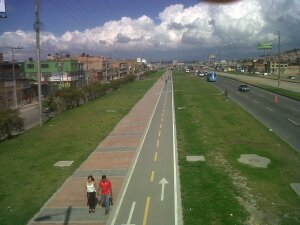 November 2015 — The geographic distribution of communities, resources, and infrastructure defies the neat official boundaries of the developing world's cities, spawning zones of poverty, scarcity, disconnection, and exclusion that are often far outside the strict limits of the city, yet linked to it in essential ways. At the same time, although they may be off the media radar, suburbs and smaller cities have become new loci of poverty and deprivation. This discussion zooms out from our usual focus on the core issues of the megacity -- big, dramatic, seemingly well understood -- to examine this new distribution of urban poverty, the methodological shifts required to bring it into focus, and the strategic and programmatic innovations necessary to address it. Follow the conversation as it unfolds over the course of November and share your thoughts in the comments below.
 Conectar barrios periféricos de la zona nororiental al centro de la ciudad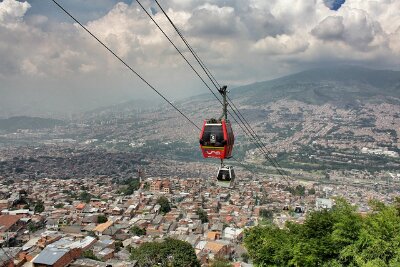

 New Mumbai needs poverty addressed, too
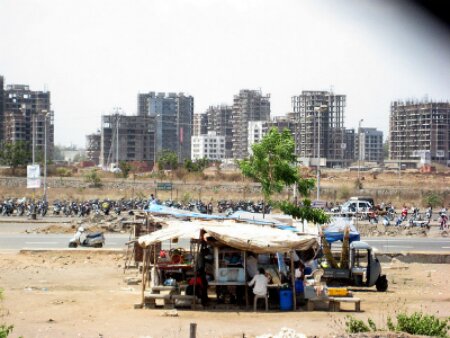 While Navi Mumbai is a planned city with the accompanying benefits, it still faces many issues that Mumbai does, including grappling with poverty. Rarely do NGOs and initiatives focus on tackling poverty in the satellite center; rather, the majority of efforts continue to be poured into the main city of Mumbai.
 Outside Delhi, informal rentals provide affordable housing
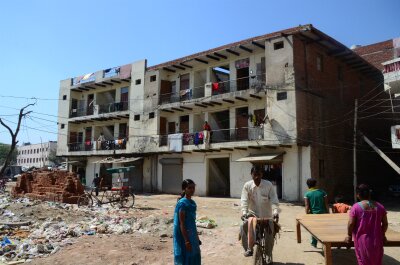 The glass-clad high-rise office buildings and condominiums of Gurgaon, which symbolize wealth and power, hide the city's ugly underbelly. While the Census reports Gurgaon district to have 1.5 million residents, NGO
 Pembangunan Kawasan Gerbangkertasusila Mempertimbangkan Kondisi Sosial Ekonomi Spasial
 Water is life: Peri-urban water supply in Accra
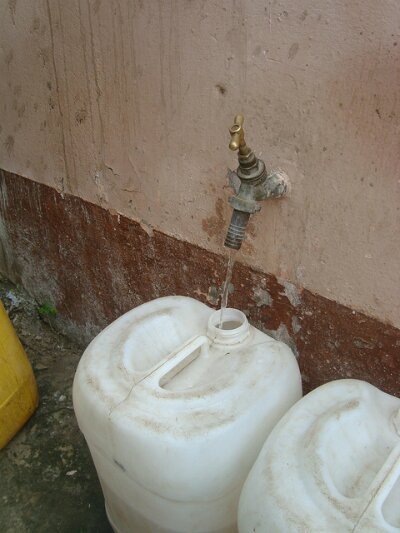 Currently, water supply in Accra is managed by a dual-management system, namely the Ghana Water Company Ltd (GWCL) and Aqua Vitens Rand Ltd (AVRL). The GWCL owns the physical assets and is responsible for providing treated water supply, whiles AVRL is a water utility operator responsible for managing the distribution and revenue from the water supply. These two operators have not efficiently run a water delivery system in Accra due to operational cost and increased urbanization. This has left a large number of people out of reach from the public water supply system. Even though the GWCL is expanding its network system through various on-going projects, such as the Kpong Water supply Expansion project in Accra, it will still take some time to actualize the efficiency in water delivery in the city.

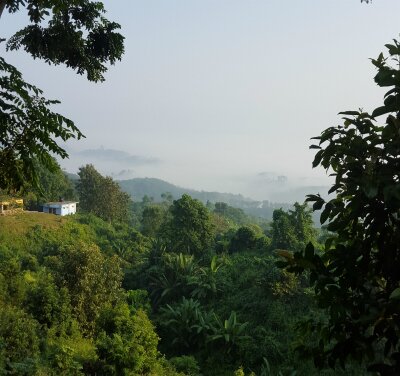 Caritas Bangladesh is a non-governmental organization that works on integrated development, disaster management and human resource development all over the country and has regional offices that undertake different projects pertaining to the respective regional issues. Caritas Bangladesh runs Integrated Community Development Projects in several areas, and CHT is one of them. This initiative not only helps to ensure proper rights to the indigenous people but also empowers them to utilize the abundant available resources and to develop their community. For example, it has helped to recover over 2,500 mortgaged lands and further help the people to utilize their lands for cultivation, as well as other sustainable activities, and even start their own small businesses.
 Infrastructure investments to reduce poverty in Lagos suburbs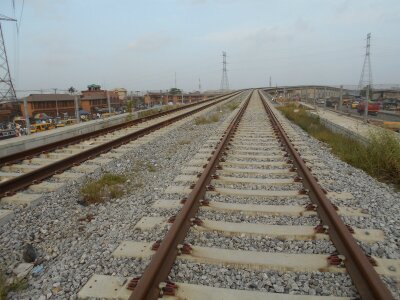

 المدن الجديدة في القاهرة: آفاق اقتصادية واجتماعية جديدة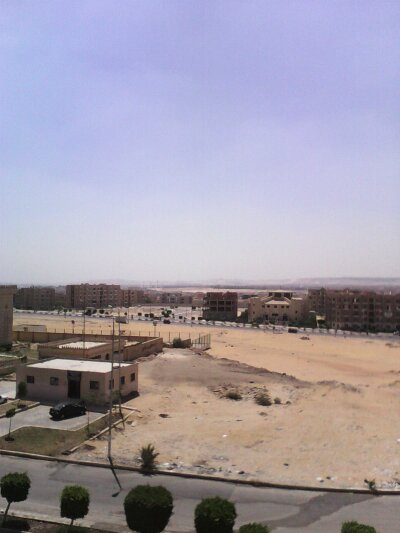

 Problemas de transporte en Soacha, una ciudad conurbada con Bogotá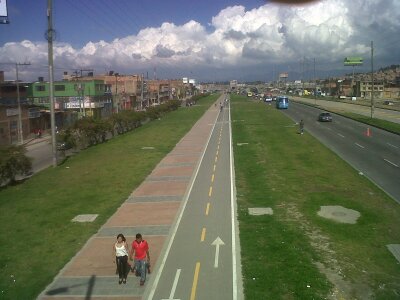

 Building East Africa’s most efficient public transit network
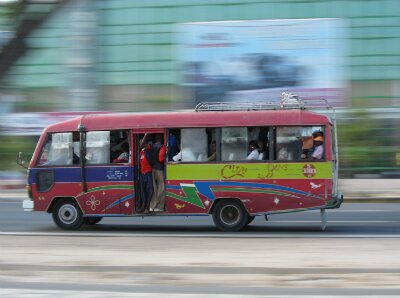 Dar es Salaam municipal authorities and the Government of Tanzania continue to work towards the goal of developing the most efficient public transportation system in the East African Community. In 2012, DART began operating a commuter rail, the first of its kind in sub-Saharan Africa. Targeting suburban commuters, the rail line operates during morning and evening hours, primarily servicing workers heading to the city center.
 TNông nghiệp đô thị: Giải pháp đô thị cho các nông dân thành phố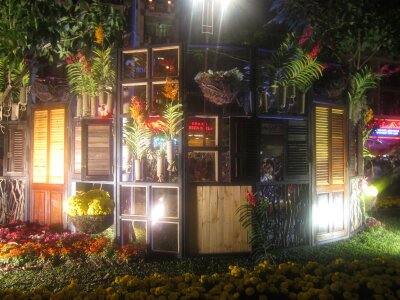
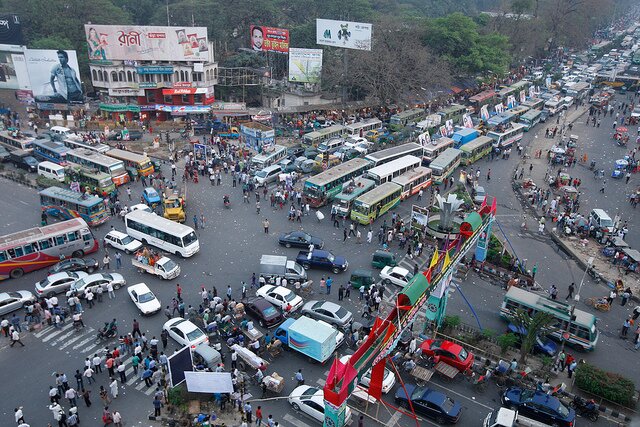 The project team, with the beginning stages almost done, are ambitious about the potential and scope of this system and expect it to be partially running by 2019, initially on a 10-kilometer stretch but covering a 20-kilometer one once it is fully running. Six spacious and air-conditioned coaches will be operating every four minutes, and a commuting time of about two hours is expected to be reduced to 40 minutes. A total of 24 trains are aimed to be running and transporting about 60,000 passengers every hour, picking up and dropping off passengers from 16 points both in and around the city center, enabling smooth transportation within city and outer limits of city. This is much needed because the biggest problem that stems out of extreme levels of traffic congestion in Dhaka is the increasing distance between outer and inner city
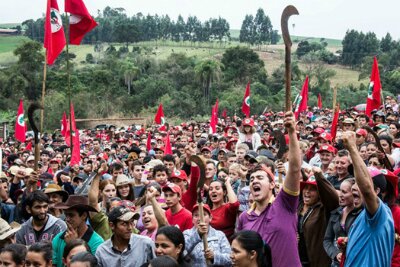 Com participação incessante na exigência de políticas inclusivas – chegaram a entregar ao governo a própria cartilha de emendas e propostas – o grupo foi imprescindível na discussão das Zeis, Zonas Especiais de Interesse Social (destinadas a moradias populares dentro da capital), conseguindo mostrar o potencial do instrumento para evitar a expulsão de famílias frente à especulação imobiliária. Uma maneira de pensar o zoneamento sob a ótica da população de baixa renda que se sobressaiu – e foi aprovada.
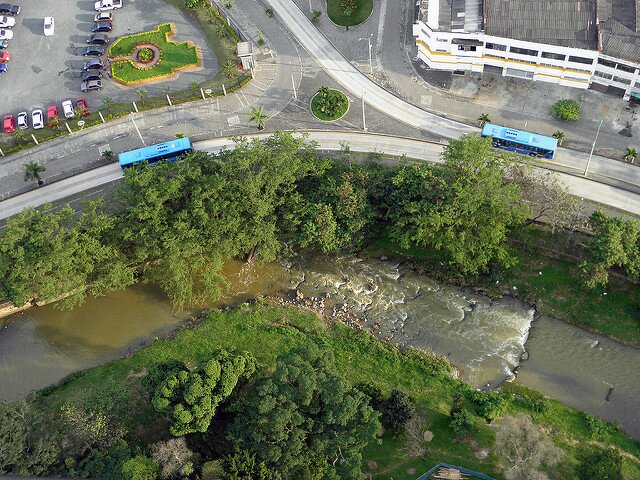 Una parte significativa de las familias que hasta el momento se han instalado en Jamundí son de clase media y media alta, y disponen de vehículo propio. Al tratarse fundamentalmente de una ciudad dormitorio, se produce una enorme cantidad de tráfico rodado en las horas pico. Algunas estimaciones cifran el tránsito diario de vehículos privados por el corredor que une ambas ciudades en torno a los 40000. La consecuencia son constantes trancones que en ocasiones suponen que el tránsito de una ciudad a otra demore cerca de una hora.

 Slum upgrading on the racially divided edges of Johannesburg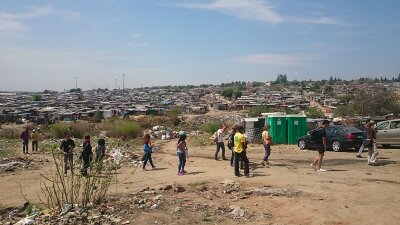
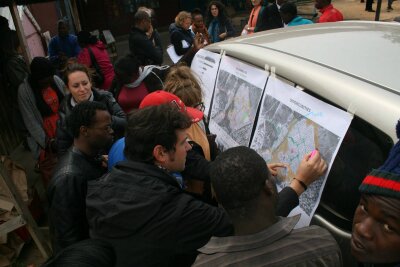

 Desarrollo local para Milpa Alta
 En este sentido, el gobierno local en alianza con la iniciativa privada ha detonado diversos proyectos de desarrollo local para vincularlo con la pujante actividad económica de la Ciudad de México y del Estado colindante de Morelos.
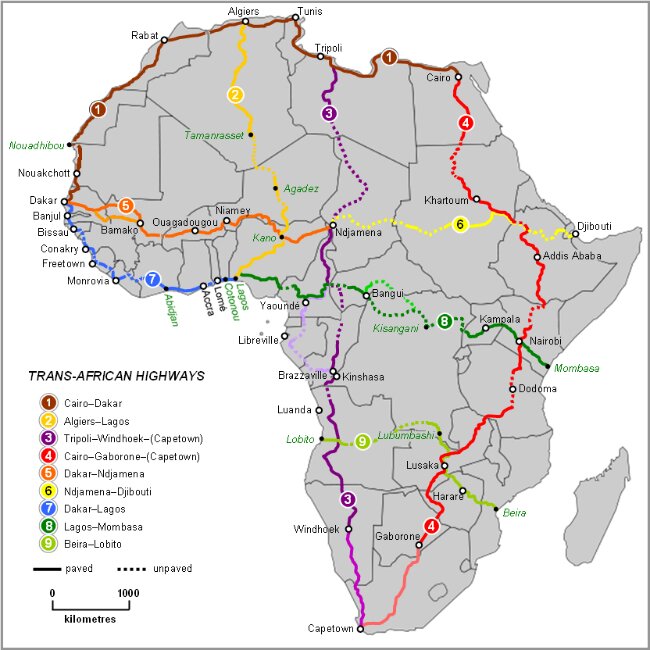 In November of 2012, former President Mwai Kibaki launched the Thika-Nairobi superhighway development project. The $360 million USD, 31-mile-long, eight-lane infrastructure project received funding from the African Development Bank, the Exim Bank of China, and the Kenyan government. Since completion, the residential and commercial peripheral urban areas of Nairobi have experienced a dramatic decrease in the travel time from 2-3 hours to 30-45 minutes. Market accessibility for traders and producers has increased household incomes for numerous individuals and small-business owners along the route. This project was a first for Kenya and has demonstrated the economic benefit to individuals and businesses, especially those not in the city center, of improved road infrastructure.
 Once a jungle, Bangalore’s recycling hub faces rising costs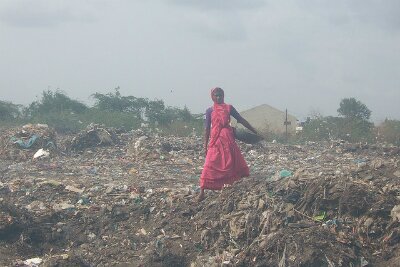
Comments
Turismo como motor económico
Hola Fernanda,
sin duda la proximidad a las urbes gigantescas es a la vez una bendición y un castigo para ciudades como Milpa Alta. Su carácter rural le añade un valor incuestionable como centro turístico, cosa que no sucede en las ciudades que se han convertido en dormitorios de las grandes capitales. Me parece interesante el enfoque que le están dando las autoridades, potenciando su gastronomía y sus festivales. ¿Existe oferta de hoteles y establecimientos turísticos, o se trata más bien de una destino al que los capitalinos acuden por un día y luego regresan a sus casas?
Turismo en Milpa Alta
Jorge, gracias por tu comentario. Efectivamente, el turismo en zonas rurales está cobrando importancia entre los capitalinos, pues son pulmones de la ciudad que permiten tener contacto con la naturaleza. Es interesante que la estrategia de desarrollo aun no alcanza el establecimiento de hoteles o infraestructura turística, me parece que se está posicionando como un turismo alternativo y tipo ecoturismo. Por ejemplo, en el festival de globos de cantolla, la gente puede pasar la noche en campamentos; para el resto de los eventos la gente normalmente acude por un día. Milpa Alta se encuentra a 1 hora de una de las delegaciones del sur que están más conectadas con la dinámica económica de la ciudad, por lo que es un destino cercano si se cuenta con transporte privado, ya que la movilidad en esta zona aún representa un gran reto.
Jakarta’s sprawl needs new ideas for waste
Hi Wydia,
Thanks for your article. I found very interesting the Bekasi initiative of installing GSP system in the garbage trucks, it makes a lot of sense. Has this been working fine? Do you know if it's a cheap or expansive solution? About the City of Tangerang, I couldn't understand perfectly how the Garbage Banks work (Google Translator didn't help me much! :)), but I found very interesting this process of people storing their own garbage, because that calls the attention for the huge amount of garbage we produce and might make people think on ways of producing less – is this accompany by any awareness campaign on this matter by the government too?
Dear Ashali,
Dear Ashali,
nice article. I wonder if there are some corporate which help through CSR mechanisms to develop Nayandahalli, besides are the Ministries of Bangalore making sure of the labors safety and children there?
It is really interesting how waste recycle can be turned to be a development tool in the global south if it is supported and aided by the national authorities as well as the people's awareness.
Best
Dear Shaima,
Dear Shaima,
CSR would be an interesting way for funds to be allocated towards developing infrastructure (hard and soft) in Nayandahalli. Looking at trends of CSR spending, most large companies invest in rural development (often in communities where they have operations) or in health and education. While CSR investment in the social sector could augment development efforts by the government, the area and its residents also need to be protected against displacement. From my understanding, the DWCCs do provide their staff with safe and hygienic conditions. The study is ongoing and can be followed more closely at: http://wastenarratives.com/
Thanks a lot Ashali for the
Thanks a lot Ashali for the elaboration. I have been always believing that CSR is a part and parcel of any development process, since corporate in fact get a maximum benefit sometimes from the same local community, hence their engagement should be inevitable to reach a comprehensive and holistic equal-development mechanism.
My best regards!
Alternative Source of Water Supply in Ghana
Dear Ortis,
Nice article on Peri-urban water supply in Ghana. Interestingly, the scenario described is similar to Lagos albeit people mostly buy from private boreholes as opposed to a central reservoir. Please, is the GCWL and AVRL arrangement a PPP and what are the factors responsible for periodic water shortage?
Also, why are people/government not exploring the bore hole options? Here in Lagos, Local Government Heads and other government authorities sometimes construct borehole in strategic locations to meet the need of the people there.
Thanks
Hey Peter,
Hey Peter,
I don't really understand what you mean by PPP, but with the borehole issues, yes some people buy water from private boreholes. In general, it is mostly high class household that drill boreholes in their house since its very costly to construct and I don't think the poor can afford it. I think drilling borehole by the government is a good option to explore, but I don't actually know government policy regarding boreholes in the city.What I know is that government construct boreholes for rural areas that are not accessible to central water supply system. we must also understand that borehole is direct underground water and untreated. its sometimes salty and not portable for drinking. Poor household may still have to find an alternative source of drinking water, even though they may still use the water for household chores.
Periodic water shortage is attributed to a number of factors, but according to a report by Water Aid on Ghana, two main issues with the water shortage is due to higher level of urbanisation and higher operational cost. The population within Accra is growing, but the GWCL has not expanded its infrastructure to cater for the growing population due to the higher cost involved in such projects. Let me know what you meant by PPP
Hello
Hello Ortis,
Thanks for the clarification. Apology for the abbreviation, I want to know if it is a Public Private Partnership (PPP) between the Ghanaian government and a private organization.
Thanks
el arte y la cultura como opción de desarrollo
Hola Fernanda,
Gracias por tu artículo. Siempre me interesan las iniciativas que plantean el arte y la cultura como una opción de desarrollo. Me quedé pensando: y qué piensan los mismos habitantes de esta transformación?
Un riesgo sería que esta iniciativa sea la única política pública para la comunidad. Me encantan las iniciativas culturales y artísticas, pero me parece que a veces sirven como fachadas. Pintan murales mientras las personas no tienen acceso a SPD, u organizan talleres de música mientras las tasas de analfabetismo son muy altas… O sea, son políticas muy lindas – ¿quién se opondría al arte? – pero a veces no responden a las necesidades más urgentes de las comunidades.
Me imagino que en el caso que mencionas genera beneficios económicos para la comunidad. No sé si pensaron en asociar estos eventos a políticas más estructurales como el mejoramiento del hábitat.
informal waste management
Hello Ashali, I really enjoyed reading your article. I wrote a paper comparing the policies of Buenos Aires and Cairo on the matter of informal waste management. I am against the idea that in developing countries, informal waste management systems are impediments to modernity and should be eradicated, and not developed. Governments should turn the threat into potential. The greenest cities of the future might be those that maximize the work that the informal sector is already performing, and doing so, they both create and secure jobs for the excluded, and support the development of a better urban environment.
The land value issue is major though. Here in Medellin there was also a big recycling hub, at the time when it was created it was considered in the suburbs, but since the city grew so rapidly, it was quickly in a central area… They’ve completely transformed the area now, it’s a garden.
informal waste management
Hi Lou,
I completely agree! Sustainable cities of the future will hopefully find a way to integrate informal waste management into formal processes to reduce waste in landfills and decrease the carbon footprint of waste! Do you know what happened to the recycling area and the workers in Medellin? Did it shift to an area where land values were lower or was it eradicated completely? I find it extremely interesting that with rising land values, decision makers still chose to create a community space! If only waste management was valued as the public good it really is!
Informal housing in Delhi
Hey Mukta!
I found this article very interesting and critical for housing rights and equity in developing and rapidly urbanizing cities. Affordable rents are one of the most talked about yet difficult to manage aspects of urban housing in such a context. The incentive to landholders and rental agents to cater to the highest bidder undercuts the need of middle class and low income individuals to access housing. This complicates not only economic mobility but safety and security as well. I enjoyed hearing that there are organizations working to address this issue with micro lending and construction retrofits that increase the availability of housing stock for internal migrants. It will be interesting to see what impact this can have on housing security for economic migrants to the city.
Hi Andrea,
Hi Andrea,
Apology for the delay to response…the technology was made locally and developed by local people. So, I think it is a good investment in a sense that the government appreciate local products and promote innovation. That’s the information I got so far about it ☺ and about Garbage Banks, it was initiated by community and supported by the government as well as private sector such as Unilever. Rising awareness is also part of public campaign and it was not only conducted by city government but also the lowest level of government such as village and sub-district government. Each of government level already allocate money for campaign on waste management on their development plan document each year.
Add new comment