 New Mumbai needs poverty addressed, too
Carlin Carr, Mumbai Community Manager
Mumbai, 27 November 2015
By the late 1960s and early 1970s, Mumbai was already growing at a pace that seemed unsustainable. The peninsula city offered a perplexing land problem for architects and city planners: the city could grow up or out. In 1971, the decision was made: a satellite city, Navi “New” Mumbai would help alleviate some of the ongoing space issues in the main city. The government was to move its offices out to the new area in the hopes other businesses would follow. Navi Mumbai’s growth hit a number of roadblocks, but today, the satellite city has over one-million people.
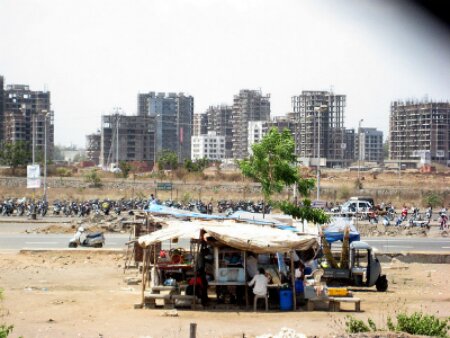 While Navi Mumbai is a planned city with the accompanying benefits, it still faces many issues that Mumbai does, including grappling with poverty. Rarely do NGOs and initiatives focus on tackling poverty in the satellite center; rather, the majority of efforts continue to be poured into the main city of Mumbai.
One organization, Aarambh, however, has based itself in Navi Mumbai and has dedicated itself to providing educational opportunities, vocational training and support to the most marginalized residents of this peri-urban area. Since 1996, the organization has grown from empowering 70 children to 2,000 young people and women in 10 community centers across Navi Mumbai. One of the unique aspects of Aarambh’s approach is that it realizes that to have sustainable change in the lives of these vulnerable children, then the circumstances around them – those in which they will live, work and play – also need to change. Our mission, says the organization, is to "empower people of these communities through participation and collective effort to secure opportunities for growth and social justice."
Aarambh achieves its mission through a five-point, holistic approach that includes motivating parents from slum areas to send their kids to school; encouraging women to acquire the skills they need to be household contributors;network with local government and community groups to effectively utilize public services; bring greater awareness to the community about issues related to child rights; and train youth to take on leadership roles in the community.
While many of the issues vulnerable communities in Navi Mumbai exist in Mumbai, too, the situation is still unique. Many of the communities were once part of rural areas and have been absorbed into urban life. Appropriate skills training and educationally focused programs are needed and necessary for this population. Aarambh is one of the few, if only, working on these issues in Navi Mumbai – and hopefully more will realize the need in the area.
Photo credit: Le Rétroviseur
Permalink to this discussion: http://urb.im/c1511
Permalink to this post: http://urb.im/ca1511mme

 Mumbai, 27 November 2015 — New Mumbai, the satellite city of Mumbai, is an experimental, planned city on the outskirts of Mumbai. While the city was created to absorb some of the growth issues in the city, other issues, such as poverty and lack of economic opportunities, have also spilled over into the new area. Few NGOs have focused their efforts on Navi Mumbai, but Aarambh has been running programs for vulnerable communities there for at least a decade. See more.