 Redes de relacionamentos digitais e interpessoais impulsionam o desenvolvimento do Paraná
Andréa Azambuja, Coordenadora da Rede em Curitiba
Promover políticas sociais e conquistar parceiros para protagonizar mudanças é um desafio enorme, mesmo na era digital. Enquanto a rede de computadores encurta distâncias, bilhares ainda não têm acesso à internet (60 por cento da população mundial), e ferramentas como Facebook e Twitter favorecem o ativismo difuso, sem aplicações práticas e, consequentemente, inócuo.
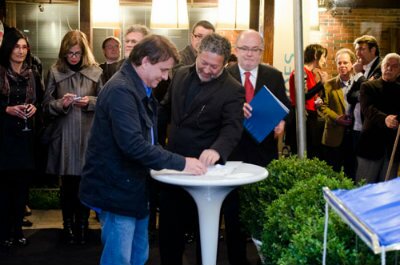 Ciente de que não há desenvolvimento sem informação e cooperação — e determinado a impulsionar a evolução do Paraná — o jornalista e mestre em Comunicação José Marinho decidiu batalhar pela inclusão digital, e também criar também um networking coordenado de partilha de conhecimentos e formação de alianças. Assim, em 2012, surgiu a Rede Cidade Digital (RCD), projeto que estimula o uso de tecnologias de comunicação para integrar cidadãos, organizações e governo na promoção social.
Marinho começou sua missão em 2006, quando ajudou a estabelecer, em Curitiba, a Rede de Participação Política, ação da Federação das Indústrias do Estado do Paraná para estimular a cidadania e o debate apartidário. Bairro por bairro, promovia encontros entre moradores para ajudá-los a assumir responsabilidades, executar soluções e interferir na administração local coletivamente.
Ao notar que precisaria envolver diretamente o poder público e o empresariado, passou a realizar congressos em todo o estado com o tema Cidades Digitais. Entendendo a importância do assunto, em 2013, mais de 1.000 de prefeitos, vereadores, secretários, líderes em diversos setores e 47 entidades participaram e contribuíram para a realização dos eventos.
Da sensibilização de lideranças e formação de parcerias consolidou-se a teia de relacionamentos da RCD, que articula coligações e a construção de suportes tecnológicos para estruturar a gestão pública e aproximá-la dos indivíduos. Isso abrange organizar fóruns (com civis e autoridades administrativas), aprimorar o atendimento eletrônico do governo, o compartilhamento de dados e aproximar secretarias numa base conjunta de atuação (implementando sistemas digitais de gestão claros, práticos e unificados), massificar o acesso gratuito à internet e estimular seu uso efetivo, entre outras atividades. Marinho está no meio de todas.
O Vila Torres Digital, que leva conexão banda larga grátis a mais de 700 habitantes, ilustra. Primeiro, um clube de mães procurou o governo para reivindicar o sinal grátis num bairro da capital. Na falta de um programa oficial que resolvesse o caso com agilidade, indicaram a RCD. Link feito, Marinho buscou apoio a Telecom, conseguiu o sinal e, além disso, procurou aliados para treinar e capacitar moradores (na sede das mães), doar máquinas e construir um site (da hospedagem ao conteúdo), que agora concentra informações sobre serviços, eventos locais e expõe as potencialidades da região.
"Atuo como articulador de forças para materializar projetos que, isoladamente, não prosperariam. Como o Vila Torres, outras associações me procuram, e dou suporte, faço pontes. Não é fácil convencer empresas privadas, instituições, de que pessoas em vulnerabilidade precisam ter alcance a mecanismos que permitam que elas mesmas ajudem a trilhar os caminhos do futuro. Quando os diferentes segmentos compreendem a importância de trabalhar em conjunto, as articulações ficam mais fáceis", explica.
Talvez o que mais falte na luta pelo desenvolvimento social seja mesmo criar elos; somar esforços beneficia todos e gera espaços para a sociedade se posicionar e atuar. Marinho reconheceu a lacuna e agiu. "Somente com a prosperidade dos indivíduos ocorrerá o progresso do local. Fico feliz por contribuir com as comunidades, agora melhor amparadas e mais cientes dos seus direitos como cidadãos e possibilidades. Paralelamente, é uma satisfação ver gente do governo, de organizações, de entidades, da academia... sair de um estado de letargia e entender, finalmente, que as decisões que impactam não devem ser tomadas de cima para baixo. Precisamos fomentar essa nova dinâmica de participação", concluí. Close.
Foto: Marinho (na frente, à esquerda) oficializa apoio do Conselho de Arquitetura e Urbanismo do Paraná (CAU/ PR) ao Congresso Paranaense de Cidades Digitais. Crédito: Rede Cidade Digital.
Permalink to this discussion: http://urb.im/c1505
Permalink to this post: http://urb.im/ca1505cup
Digital and interpersonal social networks drive Curitiba's development
Andréa Azambuja, Curitiba Community Manager
Promoting social programs and getting support from partners is a huge challenge, even in the digital age. Even though computer networks shorten distances, billions still lack access to the Internet (60 percent of the world population), and tools like Facebook and Twitter favor diffuse activism, without much practical application.
Aware that there is no development without information and cooperation — and determined to drive Curitiba's progress — José Marinho, a journalist with a PhD in Communication, decided to make a commitment in the fight for digital inclusion as well as to create a coordinated network for sharing knowledge and building alliances. So in 2012, Rede Cidade Digital (RDC) emerged. This project encourages the use of communication technologies to integrate citizens, organizations, and government in the fight for social development.
Marinho began his mission in 2006 when he helped establish the Rede de Participação Política ("Political Participation Network"), a program supported by the Federation of Industries in Parana State to encourage citizenship and public debate without party affiliation. By going from neighborhood to neighborhood, he promoted meetings among local residents to help them take responsibility, implement solutions, and collectively take action in their local government.
When Marinho realized that he would need to involve the government and the business community directly, he began to conduct conferences on Digital Cities throughout Parana State (where Curitiba is located). Understanding the importance of the topic, in 2013 more than 1,000 mayors, city councils, State secretaries, leaders in various industries, and 47 organizations participated and contributed to these events.
From creating awareness among leaders and forming partnerships, Marinho consolidated the web of RCD relationships, combining coalitions and the construction of technological supports to structure public management, bringing it closer to individuals. This includes organizing forums (with civil and administrative authorities), improving the government's electronic and data sharing services, approaching departments (implementing clear, practical and unified digital management systems), spreading free Internet services, and encouraging its effective use, among other activities. Marinho engages in all of them.
Vila Torres Digital ("Digital Vila Torres"), a project that brings free broadband Internet to more than 700 people, is a good example. First, a group of local mothers asked for the government's help to get free broadband in their neighborhood. In the absence of an official program to help them, the government indicated RCD. After the connection, Marinho sought support from Telecom and got the signal, and searched for allies to train and empower residents, donate computers, and build a website (from hosting to producing content) that now gathers information about services and local events.
"I work by coordinating forces to materialize projects that wouldn't thrive by themselves. As with Vila Torres, other associations come to me and I give them support, making connections. It is not easy to convince private companies and institutions that vulnerable people need mechanisms that allow them to set paths towards the future themselves. When the different segments understand the importance of working together, it becomes easier," he explains.
Perhaps the biggest obstacle in promoting social development is the need to create links — joining efforts that benefit all and generate a space for society to stand up and act. Marinho recognized the existing gap and acted. "Only with the prosperity of individuals we will see progress. I'm glad that I can contribute to communities that are now more aware of their opportunities and rights as citizens. It's also very gratifying to see people from government and institutions getting out of a state of lethargy and understand, finally, that the right decisions are not made from top to bottom," he concluded. Close.
Photo: Marinho (in the front, on the left) makes official the support from Conselho de Arquitetura e Urbanismo do Paraná (Portuguese for "Parana Architecture & Urbanism Council") for conferences on Cidades Digitais ("Digital Cities").
Permalink to this discussion: http://urb.im/c1505
Permalink to this post: http://urb.im/ca1505cup

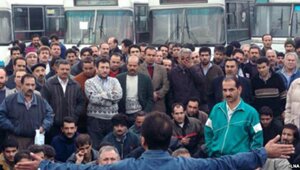 May 2015 — There are innumerable factors that contribute to minimizing the visibility of the poor in politics, ranging from limited funds for organizing to mainstream media biases that give preference to voices of authority and power. Yet leaders, activists, and unions do emerge from poor communities to advocate for critical needs, contesting stigmas and creating alternative avenues for communication based on participation rather than wealth.
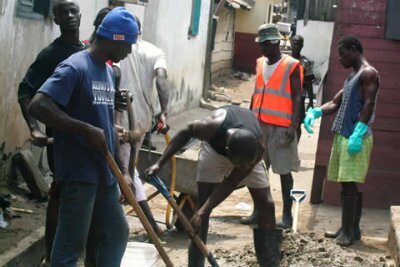 To respond to the needs of these low-income communities, the organization Global Communities has helped improve not only water accessibility and sanitation, but also local community participation in local and municipal governance. This is done through their IncluCity, Water Access Sanitation and Hygiene for Urban Poor (WASH-UP), and Slum Communities Achieving Livable Environments with Urban Partners (SCALE-UP) projects. Global Communities (formerly CHF International) is a catalyst for long-lasting positive change in low- and moderate-income communities around the world, including Accra. Working on social, economic, and environmental conditions, Global Communities has fostered a citizen-government partnership that improves the needs of poor communities in Accra. The objective of the WASH-UP and SCALE-UP programs is to increase equitable access to water supply and basic sanitation for poor urban communities by promoting cooperative efforts between civil society organizations, local service providers, and the government.
 Between state and society: the work of the Socio-Economic Rights Institute of South Africa
 Explain briefly what SERI does and how it was established.
 What are some of the greatest challenges that SERI engages?
 Bring Back Our Girls: Advocating for vulnerable groups
 The newly formed advocacy group was created to give voice to the plight of the families of the abducted girls, and has spent the past year squarely focused on this mission. They have driven local and international campaigns to call the national government to action. However, despite attention brought to the issues by the group's advocacy efforts, response from national authorities has been questionable and has been criticized by citizens and by the press. This raises the question of how much less responsive the authorities would have been without the group's efforts, and also highlights the impact of the group in pushing for political will. In efforts to sustain the movement, there have been several meetings and marches in various cities throughout Nigeria, starting with Abuja and extending to Lagos and Ibadan. To commemorate one year since the abduction, the group reignited the movement and support for release of the girls through various advocacy activities such as marches, social media advocacy, and media events.
 Hazard Centre: Institution-building through community empowerment
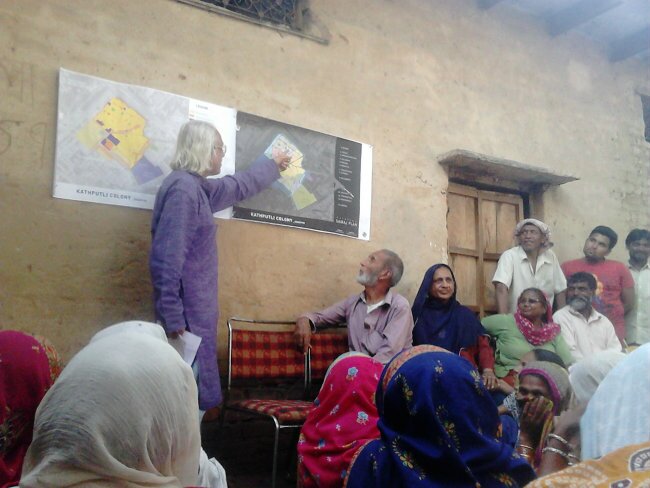 The process started in 2013 when the residents of Kathputli Colony — the first proposed in-situ slum redevelopment under the government's slum-free India plan called Rajiv Awas Yojana — approached the Hazards Centre with a public-private partnership contract between real estate company Raheja Developers and the Delhi Development Authority. The residents had received the contract through the Right To Information Act and wanted to understand it. The Hazard Centre team explained how the contract affected the rights of the local residents, described the roles of different government departments, and also helped them to articulate their demands.
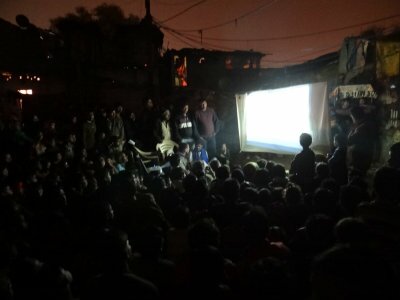 In February 2014, the residents received a notice from the DDA for an immediate shift to transit camps at Anand Parbat. The Hazard team advised the community on legal actions and recommended a lawyer to petition the Delhi High Court. When the authorities responded with aggression, the Hazard Centre gave out information regarding redress of grievances. The community wrote to the National Human Rights Commission, the Election Commission, the Minorities Commission, the Women's Commission, and others to bring pressure to bear on the police to stop the violence and harassment.
 Media pengaduan yang inklusif
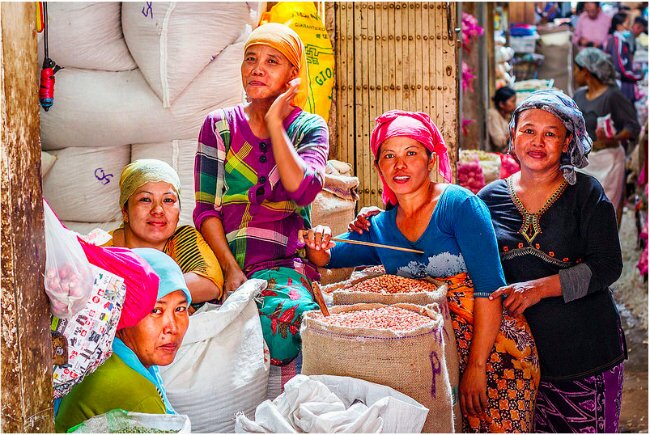 Sejak diluncurkan, Sapa Warga telah menerima banyak keluhan dan masukan terkait pelayanan oleh pemerintah kota. Media ini telah memudahkan warga memperoleh informasi terbaru terkait layanan. Namun demikian masih banyak masyarakat yang belum 'terakomodasi' dalam system ini. Untuk itu Java Sutra (Jaringan Advokasi dan Transparansi Anggaran) bekerjasama dengan Pemerintah Kota Surabaya berusaha merancang strategi reformasi mekanisme komplain yang lebih inklusif guna memudahkan penyampaian aduan.
 Dando voz a los barrios: iniciativas institucionales en Cali
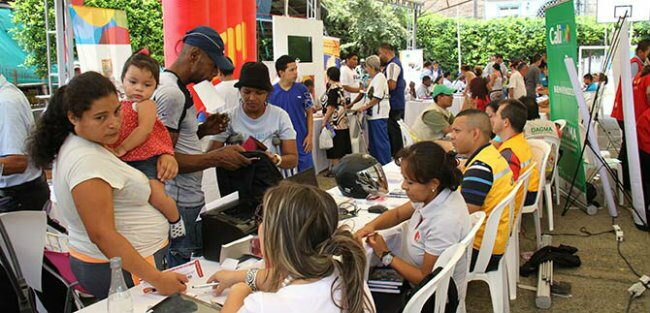 En Colombia ha habido varias iniciativas interesantes de intentos de apertura del sistema político impulsadas desde los distintos gobiernos. Una de ellas fue la creación en 1958 de las Juntas de Acción Vecinal, que actualmente están recogidas en el texto constitucional y siguen jugando un papel muy activo. Las juntas tienen un alcance local, a nivel de barrio, aunque las normas que regulan su forma de funcionamiento y composición han variado de forma significativa con el transcurso del tiempo. Aunque no han estado libres de la presión de los partidos políticos ni de otros grupos, el papel que han jugado se percibe generalmente como positivo. In Cali participan activamente en la elaboración de los planes de desarrollo, y ofrecen su opinión de forma constante en muchas de las iniciativas que afectan a los barrios que representan.
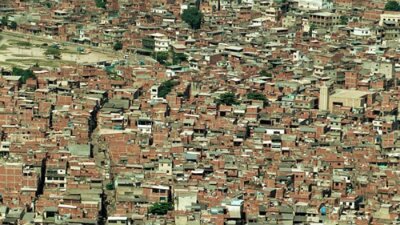 Visando o fortalecimento integral, foram inúmeras conquistas: espaços unificados de discussão, jornal, biblioteca, núcleo de pesquisas, de memória, cursos pré-vestibular, profissionalizantes, de idiomas e centros e festivais culturais, para citar alguns. Muito dos êxitos se devem a Edson Diniz, um dos criadores e diretores da instituição (ao lado de três diretoras), que cresceu no bairro com dificuldades e lá vem trabalhando desde os 14 anos, hoje com o título de doutor em Educação pela PUCRJ. A principal qualificação para liderar um movimento de desenvolvimento talvez seja essa: conhecer profundamente as necessidades que representa.
 Edson organiza as ações centrais da Redes, é seu porta-voz em diversos contextos e enfrenta diariamente o desafio de associar moradores, lideranças locais, ONGs, empresas privadas e governo. Em entrevista para o URB.im, destacou as principais dificuldades encontradas: ao negociar com o Estado, é obrigado a combater comportamentos autoritários, indiferença e relações clientelistas (oferecimento de cargos na "máquina", postos de assessoria, "presentes", etc.); ao atuar na sociedade civil, precisa mobilizar a comunidade para causas coletivas e manejar uma miríade de interesses — "A falta de acesso das lideranças a maior qualificação educacional e política também atravanca muitos processos. Em geral, isso é compensado pela abnegação e pelo trabalho incansável, mas mesmo assim faz falta", completa.
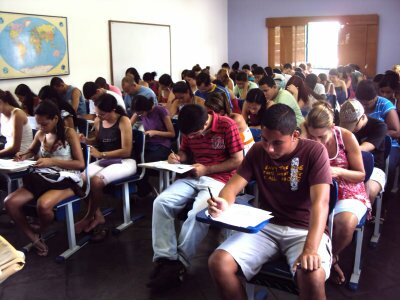 Prioridades determinam as pautas, formuladas e estudadas previamente a qualquer tipo de encontro (debates, reuniões, palestras...), partindo sempre das necessidades mais urgentes da Maré. Os compromissos assumidos são cobrados de forma coordenada por equipes organizadas de acordo com um organograma claro, elaborado após o estudo da estrutura ideal. Os funcionários são distribuídos em cinco setores — formação, mobilização social, comunicação, monitoramento & avaliação e administrativo financeiro — e trabalham em cinco eixos de atuação: desenvolvimento local, educação, arte & cultura, comunicação e segurança pública. Edson e as diretoras acompanham todas as esferas de perto, apontando caminhos e garantindo a transversalidade das ações.
 A talk show radio programme and enumerations in Malawi
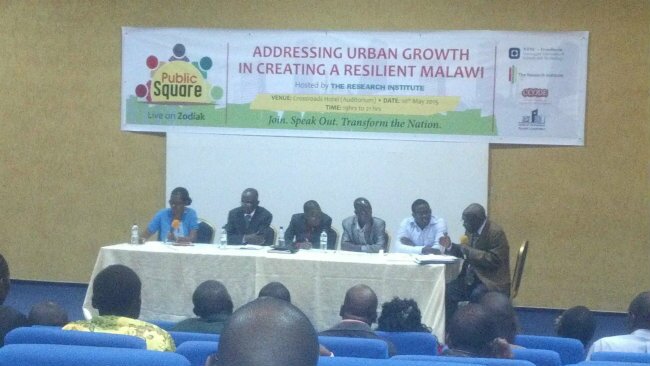 However, things have now begun to change. The urban poor are getting organised through movements such as the Federation of the Rural and Urban Poor. Through their work, the Federation is working with informal settlements in all four main cities of Malawi. The Federation works in partnership with the
 "شبابنا يقدر": مبادرة تشاركية لتمكين الشباب في محافظة القاهرة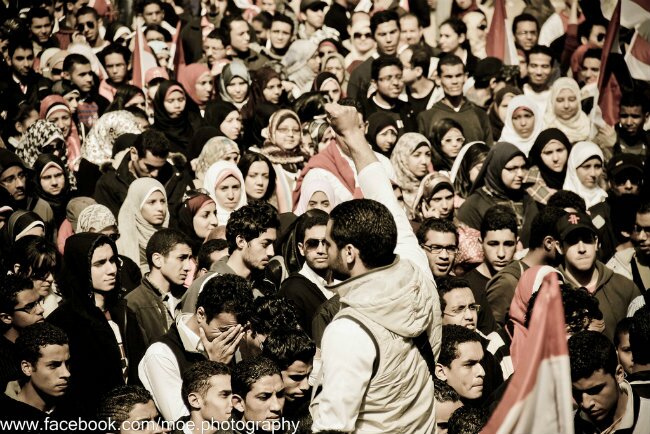

 How Mumbai's street vendors set off a nationwide movement
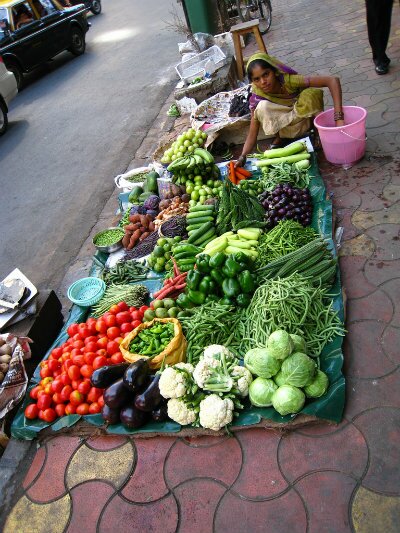 Despite this, street vendors are often seen as a nuisance. In Mumbai, they are largely illegal, even though many of them may have worked in the same stretch for decades. There are an estimated 250,000 hawkers in the city, but the municipal corporation only has 15,000 registered licenses. The number of hawkers in the city soared after the city's textile mills shut down and workers were left to find alternative employment. Out of necessity, many started a small street-side business.
 Innovations in legal empowerment education and land rights for the urban poor
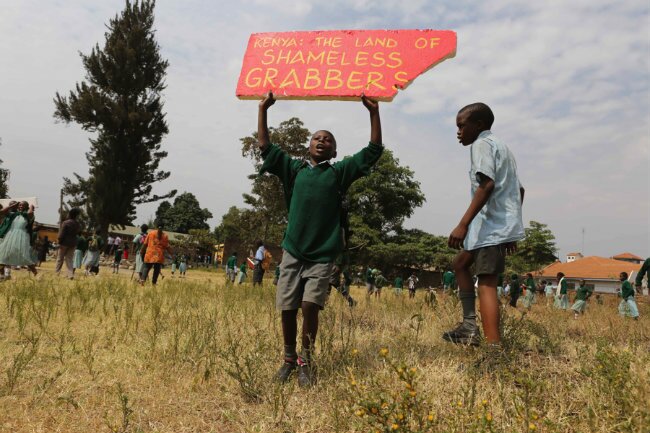 Though the dispute over this particular plot of land has diminished from public view, in light of the recent terrorist attacks against students at Garissa University the insecurity faced by millions of Nairobians remains a source of constant worry and stress. In a country with one lawyer to every 5,000 individuals, it is often difficult for low-income Kenyans to access even the most basic of legal services. In many instances, impoverished individuals can be imprisoned without access to representation or the information necessary to make appeals.
 Từ câu chuyện công nhân Pou Yuen đình công phản đối Luật Bảo hiểm mới: Nhìn về vai trò cầu nối của Công đoàn
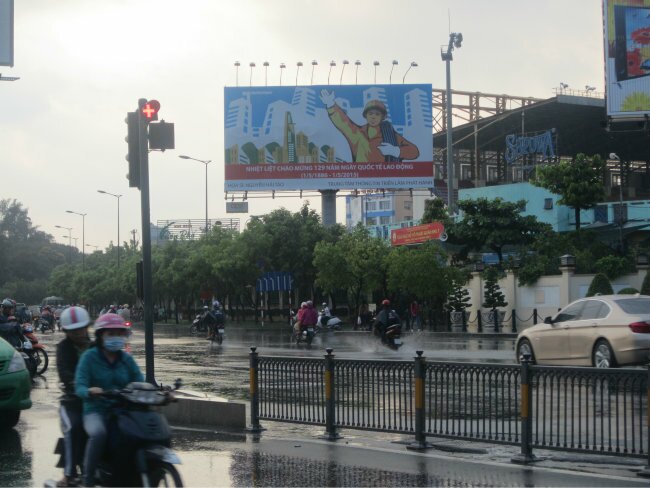 Công nhân: hoang mang tìm kiếm tiếng nói
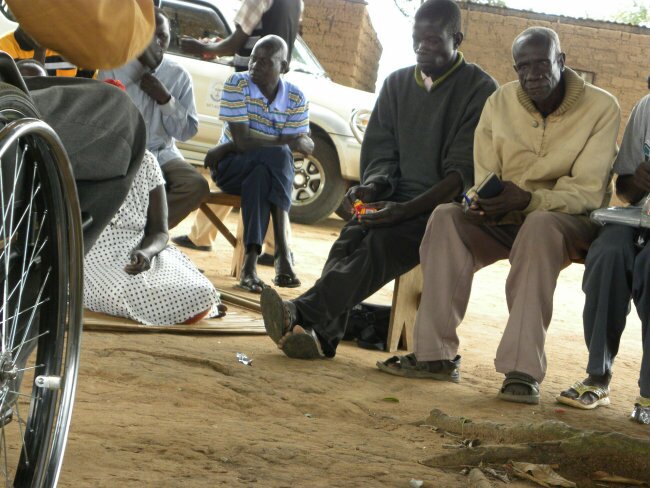 SERAP's program is dedicated to promoting transparency and accountability, increasing the legal protection for economic and social rights, and securing respect for these rights. This Lagos-based organization has achieved success by focusing their programs on three areas: Research and Publications, Monitoring and Advocacy, and Litigation and Legal Services. Through these verticals, the organization works to promote transparency and accountability in government, and to promote, protect, and ensure respect for economic and social rights for every individual, based on Nigerian laws. The organization also promotes social and cultural rights, provides legal advice and assistance, and seeks indemnities for the victims of violations of economic and social rights. Finally, they work to educate the population about their economic and social rights, especially the most vulnerable, which includes women, workers, the poor, and children.
 کارگران نماینده واقعی می خواهند
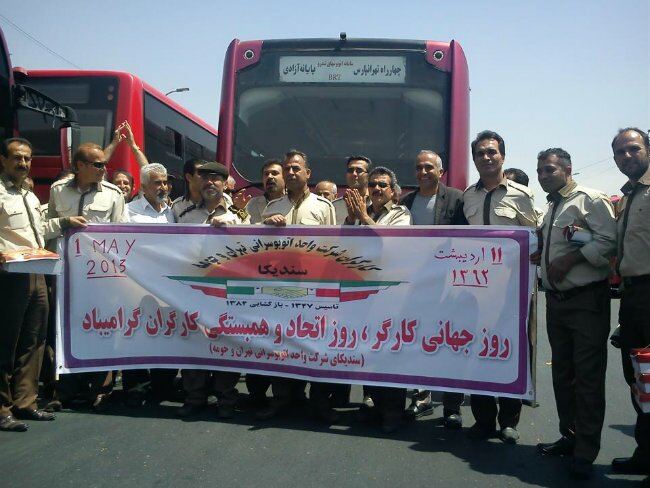 The
The 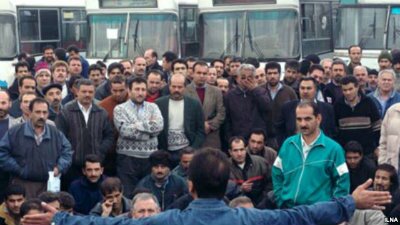 The story of the Syndicate of Workers of Tehran and Suburbs Public Bus Company is in parallel to the history of the rise and fall of the workers movement. The syndicate was established in 1968, lost its legal identity after the revolution in 1979, and disappeared until 2004. That's when two workers, Mansur Osanlu and
 Mecanismos de inclusión de los pobres en la agenda pública del DF
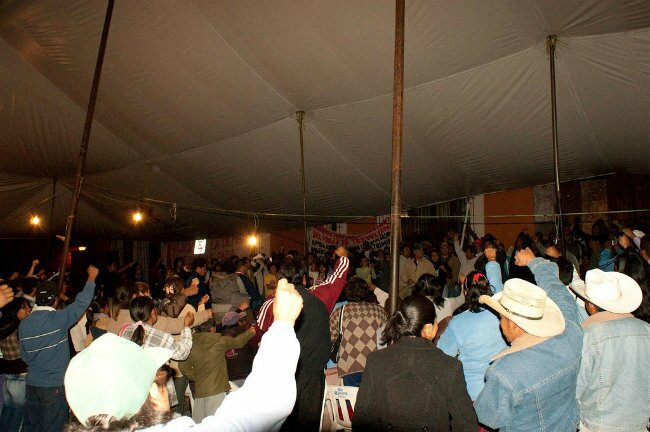 Desde otra trinchera más revolucionaria en el DF, está presente el Movimiento Antorchista Nacional, conocido como "Antorcha Campesina" que llevan a cabo esfuerzos para representar la voz de los pobres y lucha por sus derechos frente a las agendas políticas. Esta organización está cimentada en la demanda de los derechos sociales a través de la lucha social; es reconocida por su presencia en mítines y marchas y representa un interlocutor fuerte para el gobierno local, debido al nivel de cohesión social en la lucha. Antorcha Campesina se llama así misma como una asociación gestora de los pobres; dentro de su lucha, el pasado marzo del 2015 logró la entrega de viviendas a familias integrantes del movimiento en la unidad habitacional Aquiles Córdova Morán en la delegación de Azcapotzalco. Dicha colonia fue fundada hace diez años como resultado de los esfuerzos y demandas durante 15 años que el movimiento gestionó frente a las autoridades locales para obtener viviendas. Desde su fundación, en los últimos diez años, los antorchistas han logrado obtener servicios por parte del gobierno para 193 familias como: redes de drenaje, agua potable, energía eléctrica, pavimentación, escuelas, canchas, arco-techos y módulos de vigilancia. Hoy en día, se benefician más de 2000 personas que anteriormente habitaban en viviendas sin condiciones dignas.
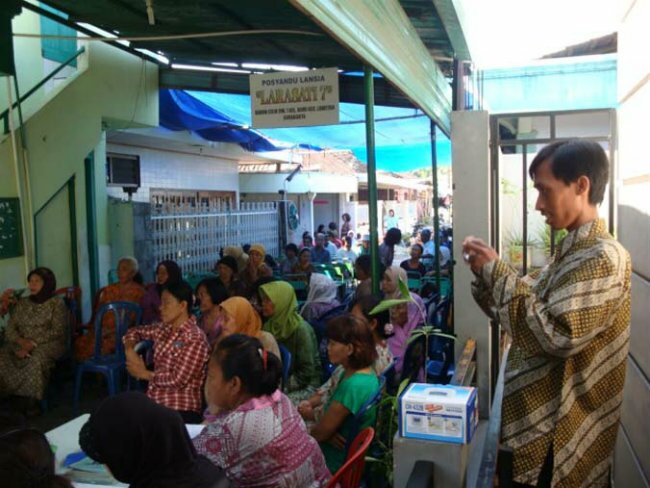 Fakta dibentuk pada tahun 2000 untuk menjadi Dewan Kota Alternatif yang diharapkan mampu menjadi 'corong' bersuaranya kelompok miskin dan terpinggirkan di kota Jakarta. Organisasi ini dibentuk oleh beberapa orang yang disatu sisi prihatin terhadap kondisi masyarakat miskin perkotaan dan di sisi lain memiliki idealisme untuk ikut mendorong Jakarta menjadi kota yang lebih transparan dan partisipatif. Beragam isu yang diangkat oleh Fakta misalnya terkait tata kota, pelayanan publik, penataan kampung miskin, transportasi, penggusuran, banjir dan lingkungan hidup. Aktivitas Fakta sendiri mencakup advokasi kebijakan publik, kampanye, upaya litigasi, membuat radio komunitas serta pengorganisasian massa untuk memastikan isu yang diangkat mendapat suara dan di dengar oleh para pengambil kebijakan.
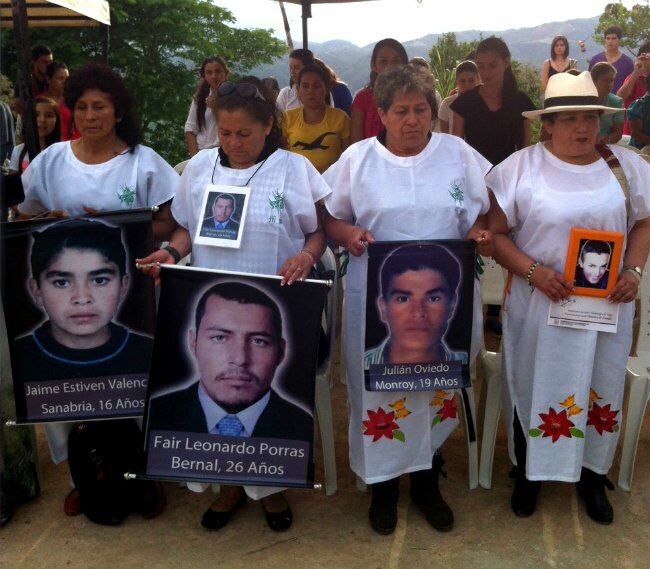 Sin embargo, hace algunos años si se vivieron episodios violentos relacionados con el conflicto en el entorno de la ciudad. Entre ellos están los casos conocidos como los "falsos positivos". Miembros de las fuerzas armadas atraían a jóvenes de bajos recursos económicos, algunos con discapacidad mental, con la promesa de ofrecerles puestos de trabajo. Posteriormente los ejecutaban y los hacían pasar por guerrilleros, con el fin de cobrar incentivos económicos y de otro tipo ofertados por el Gobierno. Según algunas estimaciones se pudieron llevar a cabo cerca de 3000 ejecuciones extrajudiciales de este tipo en Colombia en el periodo 2004-2008.
 In Karnataka, the home state of Bangalore, domestic workers' unions have come together to make their voices and needs heard. In 2011, for example, women from the Karnataka Domestic Workers' Movement took to the streets to demand at least one day off in a week. They've also sought official recognition for their work, medical coverage, and protection from physical and sexual harassment. These needs are echoed by domestic workers' unions around the country.
Comments
Laws as empty promises
Hi Carlin, you point out to a very important issue: laws are empty promises if after enacted they are not properly enforced. Enforcement takes political will and effort, as well as a capable judiciary system. Very often the poorest people lack the resources or the information to pursue legal relief. Way too many far reaching and ambitious laws have little or no impact on the problems thay try to solve. I am glad that the women in Bangalore are getting organized to get advantage of the new laws, this is a significant first step, and will also serve as a thorn on the side of the authorities that so often pretend to be asleep in regard to woman's rights in India.
Here in Colombia they passed a very effective judicial system in which individuals who believe that their rights have been can seek judicial relieve in a very simple, fast and inexpensive judicial procedure known as "tutelas." This has brough a massive improvement in the enforcemente of the laws, but it is also plagued by problems caused by abuse. Still, making the judicial system accessible for the poor is a critical issue.
Bangalore's maids have paved new pathways
Hi Carlin,
Your article came in perfect timing for me, as in Brazil the Senate has just enacted what we call "The Domestic Workers PEC", a Constitutional amendment that institutes important rights and benefits for the workers – this happened more than two years after the amendment was proposed.
Here in Brazil this profession has been recognized by law since 1972. In 1988 its rights were expanded – as the institution of a minimum wage and parental leave, for example – but only in 2006 these employees won the right to vacation, for example. And only now, in 2015, the profession, recognized by Constitution, is matching other jobs regulations, with regulated working hours and the payment of taxes.
Unfortunately I'm sure that this doesn't mean that domestic workers' rights are being guarantee in Brazil – as you mentioned, the isolation of work makes changing their circumstances challenging. But is a fact that the workers are more united now, stronger, have gained visibility, know better whom to speak to and whom to bargain with if they need. The subject is in the newspapers everyday and people in general are aware of the new regulations – new contracts are being made everyday in accordance with the new terms, what is slowly changing the way people usually see the domestic work, still so marginalized. This awareness is extremely important, and I'm sure this progress was supported in a great deal by an international effort, by a collective vision on the subject and the willingness to change. I'm glad this is in our agenda and I hope this moment in Brazil can help somehow the domestic workers in India to gain full recognition and protection!
Reconocimiento de derechos
Jorge, el caso de las Madres de Soacha es realmente un ejemplo de la lucha por el reconocimiento de los derechos de las personas de hacer justicia. Es un caso trágico pero el empuje de las madres ha puesto en la mira de la política de seguridad el caso para detener la actividad criminal. En el caso de México han surgido casos similares en donde han desaparecido jòvenes que han sido víctimas de militares, así como feminicidios en Ciudad Juárez. Si bien en México la voz de las madres implicadas ha resonado, es necesario que se unan más organizaciones para hacer escuchar una voz más fuerte que incida en la agenda pública.
Urban Land RIGHTS for the POOREST
If landrights are defined in terms of a right to PROPERTY, it leads to COMPETITION for profit,
hence to winners & losers
and so, systemically, to POVERTY.
The Right to LIFE logically includes a RIGHT to nature's GIFTS for life's essentials,
and so a FREE RIGHT of access to land
with DUTIES of justice & sustainable use imposed by the equal right others of this & future generations.
So this is not a right to own, but to use for life's basic needs only … and it is only a right if you don't meet those basic needs already through access to other resources (income/property).
This right should not be debatable, but the property is threatened by the notion. The challenge therefore is to remove the challenge & even compliment neighbours into the property system.
This can be done with urban commons that enhance neighbourhoods & so make the poorest residents there into an asset rather than a liability.
Neighbourhoods that Work is being promoted as a project in Australia, but it is just as applicable anywhere.
See http://landrights4all.weebly.com/neighbourhoods-that-work.html
Regards to all
Chris
@landrights4all
#UrbanCommons
#UrbanCommons
Street Hawking and Unions
Hi Carlin,
Inspiring piece on street hawkers and their unions. It really highlights how the informal economy through proper organization can be integrated into the formal, and also shows the power of numbers/ability of unions of vulnerable people to create one voice, and push for change/rights. Street hawkers definitely provide convenience for a bustling city, I have mentioned before they are the difference between hunger in a 3 hour gridlock and relief. They are also largely considered nuisances in Lagos and to varying degrees illegal, it is encouraging to see cities like mumbai recognize their value while attempting to regulate the challenges their existence pose. A union or licensing system might have be a worthy approach for Lagos. Any ideas how the 15,000 are selected, any push to increase the restriction number, and how this is implemented ? Although the system has shortcomings, it has valuable lessons for cities like Lagos.
Empowering Communities in Slum Redevelopment
Priyanka, this is a fantastic example of the process of empowerment for evicted communities in slum redevelopment schemes. Thanks for walking us through the Delhi example and Hazard's important work on the ground. I wonder what will happen now that the community needs to draw up their own housing plans. Is there an organization besides Hazard who will help in this? How is the community going about prioritizing/designing housing needs? Are there good models they are using? Great article, Carlin
Dear Carlin, Thank you for
Dear Carlin, Thank you for your kind comment. I have answered your questions below.
Is there an organization besides Hazard who will help in this? Kathputli colony is supported by the centre with technical assistance and providing information on policy, planning, etc. The centre is a unit of Sanchal Foundation and has a list of supporters who help with resources and expertise. Many volunteers have also assisted the residents with their documentation work and mapping exercises. The residents have collected small amounts of money as collective fund from the residents of Kathputli colony for expenses to visit govt offices, organise meetings etc. and manage the funds themselves. In addition, the DDA has declared three days as public visiting days i.e. monday, tuesday and thursday (all days after 2 p.m.). The residents have several times taken prior appointment or arrived at the DDA office to meet with the vice chairman, and have usually being given some time to discuss problems being raised by them.
How is the community going about prioritizing/designing housing needs?
The khula darbar (open court) titled "sach ka saamna" (face the truth) was a conscious effort by the Delhi Development Authority to address the problems that remain unresolved. The officials also tried to explain to people how the PPP project for redevelopment of Kathputli colony will benefit the residents. The residents took this opportunity to enlist their demands and demand clarity on the issues from the DDA and Raheja developers. Three main points emerged from the discussion. First, the inclusion of left out families that were excluded by the DDA in their survey of beneficiaries. Second, the feasibility of a 4 storey housing plan as desired by the residents. It was also acknowledged by the DDA and the developers that it will be less costly to build four storey housing. And third, clarity on the cost of housing to be paid by each beneficiary. At the end, the residents demanded that the DDA and the developer should come to Kathputli colony and organise such public meetings on regular basis where all residents can express their opinions and not just a few. The Hazards Centre was present at the khula darbar more as an observer as people represented their demands themselves and occasionally played the role of a translator when officials used english language during their discussion with the residents.
Are there good models they are using?
The Hazards Centre while respecting the agency of residents to resolve internal problems and factionalism, supports discussions and proposal development by providing information of similar cases occurring in Delhi and other parts of India, and connects collectives that have had similar experiences to learn from.
Speaking on behalf of the voiceless
Nice article Olatawura.
The SERAP project is very inspiring. I wonder if there is any education aspect of the project, i.e. do the project includes the procedures of holding educational sessions for the indigent youth for instance to know about their rights which facilitate protecting those rights later on?
How bad can a policy be?
The “falsos positivos” murders in Bogotá makes one thing about the contradictory outcomes of public policies. Thanks for sharing this sad story, Jorge.
Unfortunately, we had a similar problem in Brazil. When crack use boomed in Rio de Janeiro, in 2012, the municipality faced the problem by implementing a compulsory drug treatment policy. The idea was to take drug addicts out of the streets, by force, and imprison them in rehabilitation centers for as long as nine months. The clinics would be paid by the municipality according to the amount of drug addicts they had in. What happened? After a while, newspapers reported mistreatment, torture and overbilling in centers owned by a former police officer, a man acknowledged for numerous killings in police operations.
Add new comment