 کارگران نماینده واقعی می خواهند
مریم امیری
Maryam Amiri, Tehran Community Manager
کارگران که در ایران همواره از فقیرترین اقشار جامعه بوده اند، به نوعی بی صداترین گروه نیز هستند. اندکی پس از انقلاب اسلامی ایران در سال 1357، همه تشکلهای کارگری ملغی اعلام شد و جای آنها را «شوراهای اسلامی کار» گرفت که کاملا دولتی بودند. به همین دلیل است که هر ساله، زمانی که شورای تعیین حداقل دستمزد برگزار میشود، نماینده کارگران آنقدر ضعیف است که قدرت چانه زنی با نماینده کارفرمایان و نماینده دولت را ندارد و حداقل دستمزد در ایران حداقل نیازهای یک خانواده کارگری را نمیتواند پاسخ دهد.
تجربه «سندیکای کارگران شرکت واحد تهران و حومه» مثال خوب و موفقی است از تلاش کارگران برای مقاومت در برابر چنین شرایطی. چگونه اين كارگران براي پيشبرد خواستههاي خود دست به ايجاد تشكلي بدون مجوز دولت و كارفرما زده و براي اين هدف چه مراحلي را طي كرده و با چه مشكلات و موانعي روبرو شده اند.
رانندهگان شركت واحد از اقشار پركار و كمدرآمد شهر تهران هستند. اكثريت آنها مستأجر هستند و در حاشيههاي تهران زندگي ميكنند؛ اين كارگران، روزانه هزاران نفر را در سطح شهر تهران جابهجا ميكنند، آنهم در شرايط غيراستاندارد آلودگي هوا، آلودگي صوتي، ترافيك و بسیاری معضلات دیگر این شهر و به همين دليل است که این کار را در دستهی «مشاغل سخت و زیانآور» قرار دادهاند. رانندهگان تمام ساعتهای كاریشان را به صورت مفید کار میکنند اما در عوض از كمترين حقوق و مزايا بهرهمند هستند.
تنها نماینده سیاسی این کارگران، مانند کارگران دیگر در ایران، تشکلی شبه دولتی به نام «شورای اسلامی کار» بود. کارگران برای انتخاب نمایندگان خود در این شورا حق انتخاب چندانی نداشتند و در عمل کسانی که از فیلترهای دولت عبور میکردند و موفق میشدند در شورا نماینده شوند، بیش از هر چیز پیگیر منافع شخصی خودشان بودند.
سندیکای کارگران شرکت واحد، برای اولین بار در سال 1347 شکل گرفته بود و پس از انقلاب 1357 منحل شد. اواخر سال 1383 بود که دو نفر از کارگران این شرکت (اسنلو و مددی) با استناد بر مقاولهنامههای ۸۷ و ۹۸ سازمان بينالمللیکار - که آزادی تشکلهای کارگری و پیمانهای دستهجمعی را برای کشورهای عضو این سازمان الزامی میداند – تصمیم گرفتند که با آگاهسازی و عضوگيري از رانندهگان و كارگران، اقدام به بازگشایي سنديكاي کارگران شركت واحد کنند. آنان در ابتدا شروع کردند به برگزاری کلاسهای آموزشی که کارگران را نسبت به حقوق خود آگاه می¬کرد. فعالیت های چهره به چهره برای عضوگیری نیز همزمان ادامه داشت. سرانجام علی رغم همه موانعی که دولت و پلیس ایجاد کردند، نخستین مجمع عمومی سندیکا در خرداد 84 (ژوئن 2005) برگزار شد. این سندیکا تا به امروز توانسته چند اعتصاب موفق ساماندهی کند. هرچند بسیاری از اعضای هیئت مدیره سندیکا بارها بازداشت شدند و چندین کارگر نیز از کار اخراج شدند. علی رغم همه دشواریها، مبارزه کارگران شرکت واحد، الهام بخش سایر کارگان در واحدهای خدماتی و صنعتی دیگر برای تشکیل سندیکا و برخورداری از نمایندگان واقعی و انتخابی شد.
Photo: Rahekargar and Kalame
Permalink to this discussion: http://urb.im/c1505
Permalink to this post: http://urb.im/ca1505tep
Workers want real representation
Maryam Amiri, Tehran Community Manager
Tehran, 8 May 2015
Workers, who have always been some of the poorest Iranians, are also one of the most voiceless groups. Soon after the 1979 revolution, despite all of the pro-labor campaigns and slogans, all trade unions were abolished and instead, the Islamic Work Council was established by the Islamic government. This replacement weakened the bargaining power of workers encountering employers and the government to determine the minimum wage. Consequently, real minimum wage (adjusted for inflation) has been decreasing, and workers can no longer afford minimum household costs.
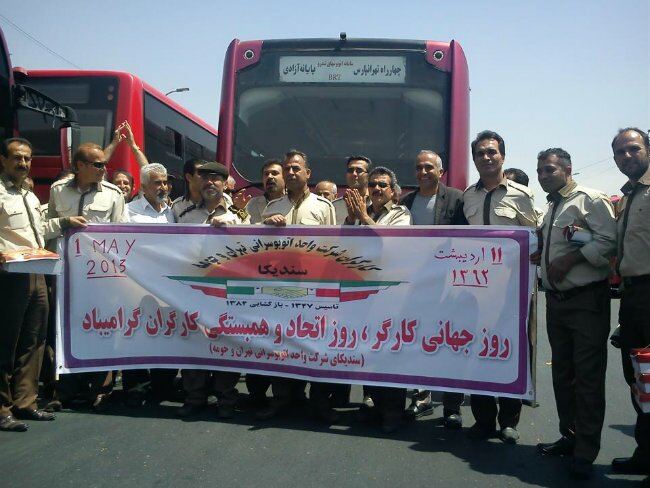 The Syndicate of Workers of Tehran and Suburbs Public Bus Company is an important workers' endeavor fighting for workers' resistance against these conditions, and illustrates that while forming a real non-governmental union is crucial, the obstacles are enormous.
Drivers for the Public Bus Company are well known to be some of the poorest and hardest-working residents in Tehran, and they live mostly in informal settlements and marginalized areas around the city. Their job of transferring thousands of people each day in unhealthy conditions, with traffic congestion and air pollution is difficult and dangerous. Despite the drivers' hard work, their wages are low, even compared to Iranian standards.
These workers are represented by the Islamic Council of Work pseudo-union. The election for this council is not a free election, and workers can seldom elect their true representatives. Those who win the election often pursue their own interests instead of the collective wishes of the workers.
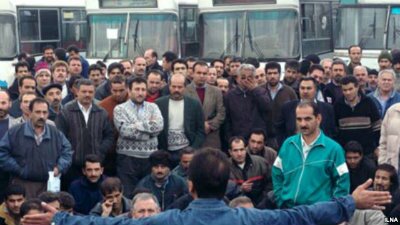 The story of the Syndicate of Workers of Tehran and Suburbs Public Bus Company is in parallel to the history of the rise and fall of the workers movement. The syndicate was established in 1968, lost its legal identity after the revolution in 1979, and disappeared until 2004. That's when two workers, Mansur Osanlu and Ebrahim Madadi, decided to reopen the syndicate. They referred to International Labour Organization protocols 87 and 98, which insist on the freedom of workers' organizations and collective actions in member countries, which include Iran. These two pioneers started teaching workers about their legal rights and tried to attract them as members of the syndicate, despite the fact that all interactions had to be private and face-to-face due to legal repressions.
Despite all of the obstacles that the government, the work councils, and the police raised against them, the syndicate's first General Assembly was held in June 2005, followed by a series of strikes in Tehran. The government brutally repressed the strikes and put the syndicate's board on trial. All of the board members were incarcerated for their so-called "illegal" formation of the syndicate.
Despite the challenges that the syndicate members went through since 2005, they have expanded the movement among the workers across Iran, including several other worker unions and collective entities.
The members have asked for their human rights according to international protocol to be respected, and have continued to fight for them. But although these workers are still far from being represented by legal parties and all the real unions are still illegal, it seems that they have found a way to make some progress.
Photo: Rahekargar and Kalame
Permalink to this discussion: http://urb.im/c1505
Permalink to this post: http://urb.im/ca1505tep