 Transformação social que começa na cozinha
Felipe Villela, Coordenador da Rede em São Paulo
Nascer em família pobre na periferia da Região Metropolitana de São Paulo significa enfrentar quase cinco vezes mais chances de desemprego na juventude. Segundo estudo da Fundação Seade com dados levantados entre 2012 e 2013, a taxa de desocupação entre 16 e 24 anos é de 18,6 por cento para jovens de baixa renda e 4 por cento para os mais ricos.
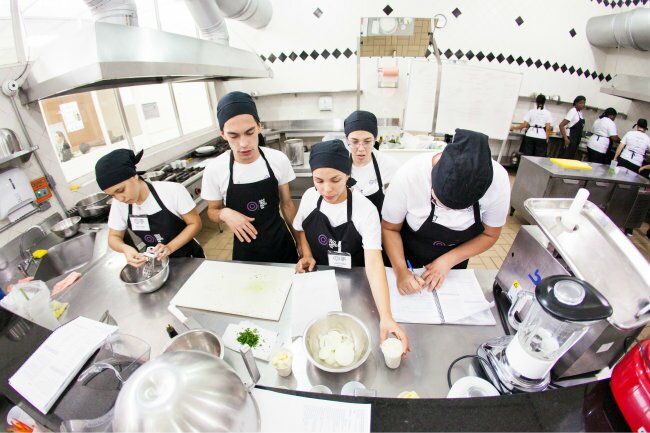 Mas há quem vença a estatística. Caso de Matheus Oliveira (22), que vive no Capão Redondo, bairro no extremo sul que amarga o título de segundo pior distrito para se viver em São Paulo, conforme Mapa da Desigualdade, da Rede Nossa São Paulo. Em 2013, Matheus não precisou pagar quando fez o curso profissionalizante em gastronomia da Gastromotiva. Hoje é cozinheiro em um restaurante badalado no bairro nobre da Vila Madalena.
O jovem chef é um dos 1.200 alunos formados pela organização sem fins lucrativos que atua nas cidades de São Paulo, Rio de Janeiro e Salvador. Em São Paulo desde 2006, a Gastromotiva oferece cursos semestrais para jovens com renda familiar de até três salários mínimos — a maioria moradores da zona sul, como Matheus, e da zona leste da cidade.
Além de treinar aspirantes a cozinheiros, a Gastromotiva também os ajuda a entrar no mercado de trabalho por meio de parcerias com restaurantes que procuram o projeto em busca de mão-de-obra qualificada.
Para os alunos, os novos contatos profissionais podem fazer toda a diferença. Conforme aponta a Seade, uma das causas do desemprego são os contatos limitados do jovem e sua família, já que a rede social é um importante meio para conseguir trabalho.
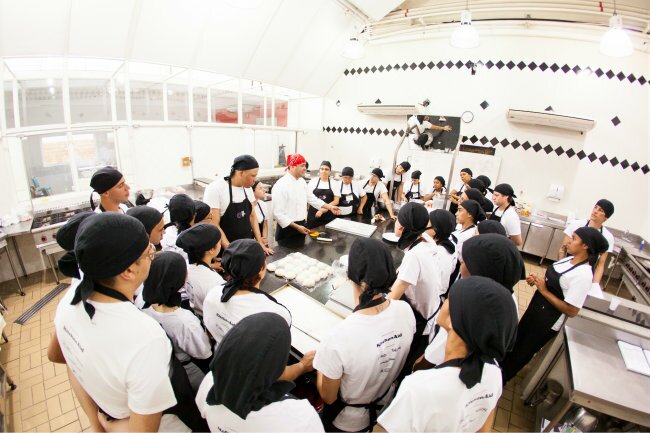 Além do primeiro grau completo, disse ao URB.im Ernani Vieira, presidente da Gastromotiva, são pré-requisitos "paixão pela cozinha" e "disposição para trabalhar duro".
A paixão dos alunos torna a iniciativa singular. Como sugere o relatório da Seade, a alta taxa de desemprego entre jovens pobres também está associada ao desinteresse pelas vagas oferecidas. Para promover transformação social por meio do trabalho não bastam oportunidades para gerar renda — é preciso permitir que as pessoas sigam suas vocações.
Alessandra Guilherme (26), por exemplo, cozinhava doces "para fora" para complementar a renda familiar. O trabalho de cozinheira se profissionalizou depois da Gastromotiva, em 2013. Hoje, a moradora da Vila Ema, zona leste paulistana, tem seu próprio buffet de festas. "Precisava aprender mais para aperfeiçoar meu trabalho e quem sabe mudar de vida."
Em Salvador, o curso alcançou 50 candidatos por vaga — 2 000 jovens para apenas 40 postos — em 2014.
 Matheus Oliveira diz ter vencido a seleção em São Paulo porque a gastronomia já fazia parte de sua história. Antes de conhecer a Gastromotiva, participava do projeto Prato Firmeza, um guia sobre gastronomia na periferia. Colaborou até o momento em que não foi mais possível conciliar com o trabalho no restaurante.
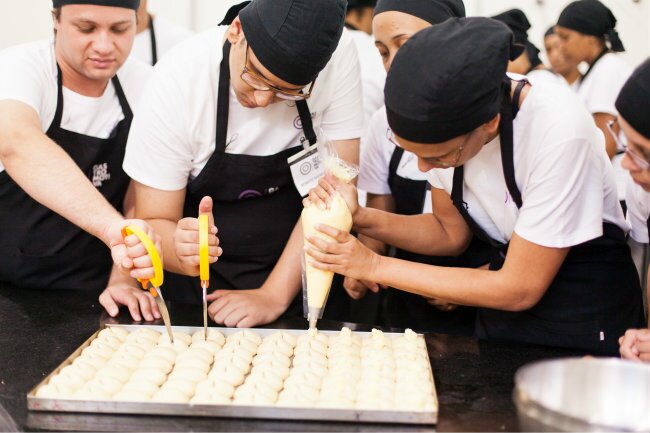
Cozinhar em grande quantidade é difícil e exige trabalho em equipe. "Têm o chefe, o subchefe, o saladeiro, o cara da pia. Se não trabalharem juntos a comida não sai", comenta Ernani Vieira. Por isso, o curso profissionalizante oferece classes de postura profissional, além de técnicas de panificação, confeitaria e cozinha brasileira.
As aulas acontecem em escolas particulares de gastronomia, geralmente durante a tarde, momento em que as cozinhas não são usadas pelos alunos regulares destas escolas.
A transformação social por meio da cozinha não se restringe aos alunos. Alessandra Guilherme, que montou o Buffet Fabriquinha de Alegria depois do curso, contou ao URB.im que agora emprega vizinhos, gerando renda também para sua comunidade.
"Digamos que aqui sou a moça que deu certo na gastronomia. Também ministro aulas e já vejo pessoas que ensinei dando certo". Close.
Foto: Angelo Dal Bó
Permalink to this discussion: http://urb.im/c1502
Permalink to this post: http://urb.im/ca1502spp
Social change can start in the kitchen
Felipe Villela, São Paulo Community Manager
To be born to a poor family in the periphery of São Paulo means being five times more likely to be unemployed than those in the upper classes. That's what a study from Fundação Seade, with data collected between 2012 and 2013, reveals: unemployment rates for those between 16 and 24 years old are 18.6 percent for the poorest and 4 percent for the richest.
Twenty-two-year-old Matheus Oliveira is winning against these statistics. His home in Capão Redondo, south of São Paulo, is the second-worst place to live in the city, according to Rede Nossa São Paulo's Inequality Map.
In 2013, Matheus attended, for free, Gastromotiva's course focused on making him a gastronomy professional. Today, he works as a chef in a posh restaurant in the wealthy neighborhood of Vila Madalena. Matheus is one of 1,200 students who have graduated from the non-profit organization, which works in São Paulo, Rio de Janeiro, and Salvador.
Since 2006, Gastromotiva has offered six months of courses designed for young men and women with family incomes lower than three times the Brazilian minimum salaries (US $844). Most of the students live in poor areas in the southern — like Matheus — and eastern zones of the city.
Gastromotiva also helps the students find adequate positions via partnerships with restaurants, which look for well-trained gastronomy professionals.
Studies show how rare a good professional network is for these students. According to Seade, one of the main causes of unemployment for poor youth is their limited professional network, a key factor in finding a good job.
Ernani Vieira, the president of Gastromotiva, says that a "passion for cooking" and an "enthusiasm to work hard" are the main requirements for applicants.
Indeed, students' passion makes it a special initiative. As Seade's report suggests, the high levels of unemployment among poor urban youth is also related to a lack of affinity with the positions they find. Following a vocation is one of the ingredients needed to experience social change through employment.
Twenty-six-year-old Alessandra Guilherme, for example, used to cook desserts at home to supplement her family's income. After Gastromotiva, she became a professional chef. Today, living in Vila Ema, in eastern São Paulo, she owns a buffet. "I needed to improve my work to hopefully change my life," she said.
In Salvador in 2014, the course received 50 applications for each position: 2,000 youths applying for only 40 seats.
Matheus Oliveira told URB.im that he was selected because gastronomy was already a big part of his life. He used to write for the Prato Firmeza ("Good Cheap Dish") project, a gastronomy guide. He was involved until his new cooking job at a restaurant became overly demanding.
It's hard to cook several dishes in a row, and it demands teamwork. "There is the chef, the assistant, the salad man. If they don't work together, the food can't be made," said Vieira. This is why Gastromotiva offers classes on interacting in a professional context along with bakery, confectionery, and Brazilian cuisine techniques.
Gastromotiva's classes take place inside universities and schools in the afternoon, during the gap between classes for regular students.
Social change that starts in the kitchen is not restricted to the course's students. Ms. Guilherme is now the owner of the "Small Factory of Joy Buffet," opened after she finished her courses. She told URB.im that she is now hiring her neighbors, helping to increase her community's income.
"Let's say I'm 'the girl who made it' with gastronomy. Now I became a teacher and I can see my students 'making it' too." Close.
Photo: Angelo Dal Bó
Permalink to this discussion: http://urb.im/c1502
Permalink to this post: http://urb.im/ca1502spp

 February 2015 — Across the Global South, unemployment rates are typically higher among youth than among the overall population. As youth are often the ones best positioned to bring vitality and innovation to both the economy and society, it is crucial that cities find ways to mitigate those unemployment levels and harness the energy of their young citizens. Governments and civil society share the responsibility to develop young leaders and workers, to offer training in life skills as well as technical skills, and to empower youth with confidence and determination.
 Engenharia e consciência social empoderam jovens de Curitiba
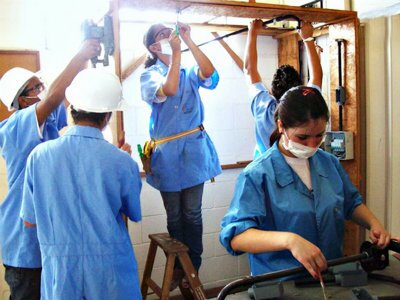 Cerca de 900 alunos já passaram pelos cursos de Eletromecânica, Manutenção Automotiva, Manutenção Industrial, Eletroeletrônica e Assistente Administrativo e Operacional de Produção Industrial do Instituto Tibagi, divididos em duas frentes: Adolescente Aprendiz, para adolescentes de 14 a 17 (formação em 23 meses) e Jovem Aprendiz, direcionada à faixa etária de 18 a 24 (formação em um ano). Todos são gratuitos e realizados em parceria com pessoas físicas, jurídicas, agentes públicos e privados que contribuem com doações financeiras (inclusive por abatimento no imposto de renda), de materiais, empregando os aprendizes ou acionando cursos in company – quando o corpo docente do Instituto é contratado para qualificações dentro de empresas.
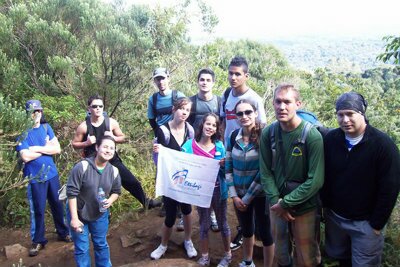 Além de capacitação técnica, o Instituto Tibagi promove uma imprescindível formação humana, que fortalece os jovens como cidadãos conscientes, desenvolvendo sua compreensão da sociedade em que estão inseridos e de seu papel nesse contexto. Integram o currículo: direitos trabalhistas, saúde e segurança no trabalho, educação fiscal, educação para saúde sexual, prevenção ao uso de drogas, diversidade cultural, educação para o consumo, consciência verde, inclusão digital, Estatuto da Criança e do Adolescente, comunicação oral e escrita, raciocínio lógico e relações humanas no trabalho, entre outros. Também são realizadas atividades extracurriculares de convivência social, como hiking e festas, e cursos livres para comunidades carentes (Instalações Elétricas, Gestão de Qualidade Comando de Motores, por exemplo).
 چه سیاستی به حق زنان جوان به اشتغال راه می برد؟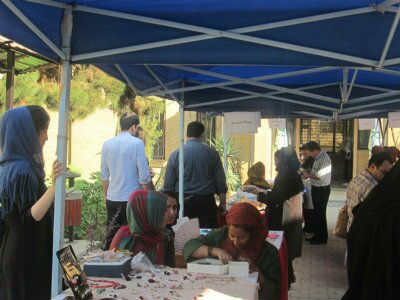

 The urban school and holistic education: The Westbury Youth Centre model in Johannesburg
 Established as an extension of Westbury Secondary School, WYC has been operating for sixteen years, sharing space on the school grounds and running 'co-curricular' activities aimed initially at learners enrolled at the school, but growing to also serve and become an extension of the community. With a focus on education and substance abuse initiatives, WYC offers career guidance, bursary application advice, and internships to learners who do not possess the grades or financial means to enroll for tertiary education.
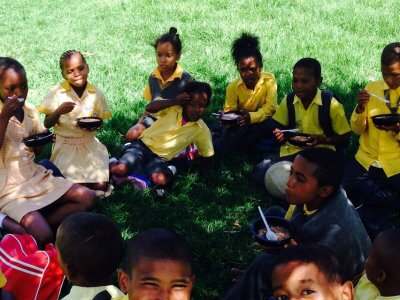 The holistic approach entailed within the co-curricular support model between the school and youth centre has proved to not only increase the pass rate of the high school from 50 percent up to 92 percent, but has also increased the quality of passes with an increase from 15 percent to 50 percent of learners qualifying for diploma studies.
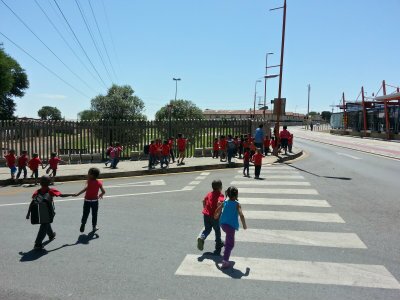 Westbury is a community where the entrenched and divisive spatial, social, and economic engineering of apartheid appears to remain almost intact. The resilience, tenacity, and resourcefulness of WYC in the face of an unjust history and trying circumstances, however, is remarkable. Yet Westbury is not an island. Johannesburg is currently undergoing dramatic spatial transformations, such as the Gautrain rapid-rail, Rea Vaya BRT, and other supporting projects. An article published in 2013 asked how these

 Pemuda sebagai penggerak perubahan
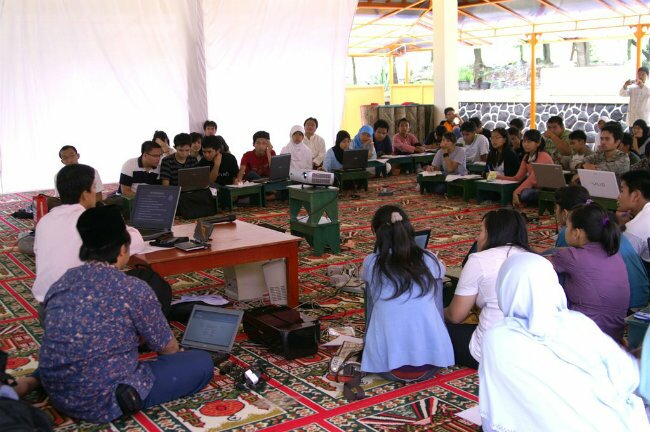 Kota Surabaya saat ini dibawah kepemimpinan Ibu Tri Risma Harini dengan gencar mempromosikan perbaikan pelayanan publik bagi penduduknya termasuk pemuda. Salah satu inisiatifnya adalah pendirian Rumah Bahasa yang memberikan pendidikan bahasa, teknologi dan informasi serta berbagai keahlian bagi mereka yang selama ini termarjinalkan yang bekerja pada sektor informal seperti pedagang kaki lima, tukang becak atau pemilik usaha kecil. Kebijakan ini kemudian dikombinasikan dengan menggandengan kantor-kantor pemerintah untuk menyediakan program magang agar para pemuda ini bisa langsung bersinggungan dengan teknologi dan informasi.
 Chintan: from rags to secure green jobs and education
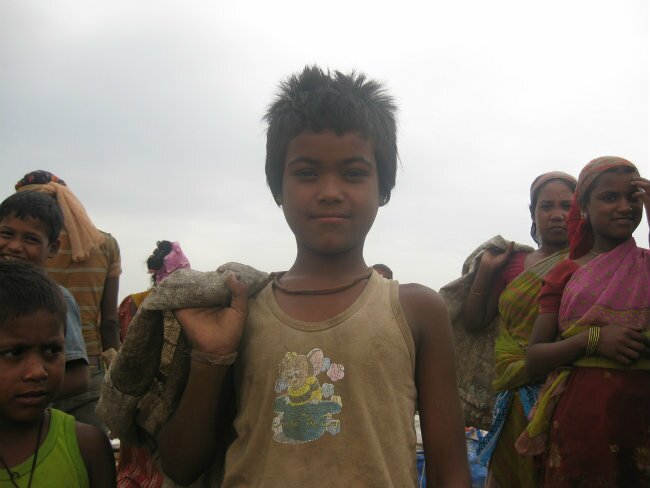 One example of such a support system is Chintan, an environmental research and action group that works with waste pickers through its various programs, such as Scavengers to Managers and No Child in Trash. According to the website, they help build green businesses at the bottom of the pyramid, chiefly among waste pickers, enabling a worker to earn minimum wage, work safely and legally, and not be exposed to toxins. They work with partners such as New Delhi Municipal Council, Ghaziabad Nagar Nigam, a range of resident welfare associations across Delhi region, and Safai Sena among others to help set up solid waste handling systems that result in green jobs. Chintan also creates customized education for over 1,300 children to help them train for formal school and stay in such schools. Rather than duplicating efforts of NGOs that provide educational programs for marginalized children, it focuses on fair access to mainstream government education. This is pertinent given that at least 30 percent of these waste pickers are children. Given the hazardous nature of the work, this occupation alone comprises a significant challenge for children working in hazardous conditions.
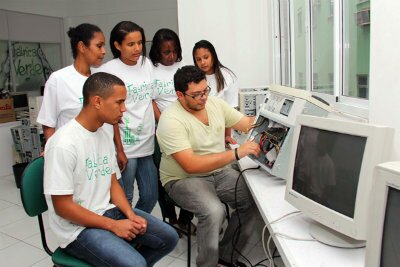 Trata-se do Fábrica Verde, que capacita jovens a partir de 16 anos para trabalhar com a montagem e manutenção de computadores utilizando equipamentos descartados. Criado em 2011, o projeto está presente em 14 comunidades e conta com 11 pontos fixos de coleta de lixo eletrônico – cerca de 1.100 alunos já foram certificados, aproximadamente 200 toneladas de resíduo foram recolhidas e mais de 2000 computadores foram reaproveitados. Todas as máquinas construídas são destinadas a telecentros comunitários, espaços de acesso público e gratuito com acesso à internet; atualmente, 35 estão em atividade graças ao Fábrica Verde.
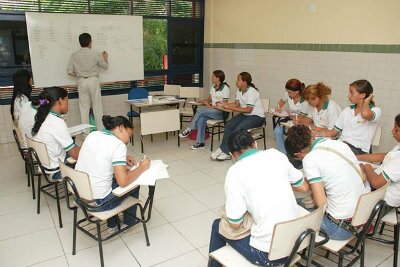 Além de mão de obra qualificada, o Fábrica Verde promove uma importante consciência socioambiental, disseminando a cultura de reciclagem nas comunidades, muitas vezes desprovidas de serviços básicos de saneamento, e incentiva a formação de grupos produtivos independentes focados na economia solidária. Pelo perfil e pelos resultados, o projeto foi certificado pela ONG R20, apoiada pela ONU, e está em vias de ser implantado em Angola, a pedido do país.
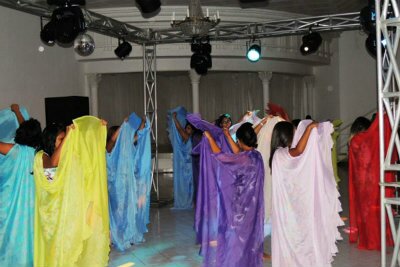 Durante 12 meses, são cerca de nove horas diárias de atividades gratuitas, realizadas em três sedes próprias, na Rocinha, Cidade de Deus e Jacarezinho, e na de parceiros como SESC e SEBRAE. Todas são ministradas por profissionais especializados e acompanhadas por assistentes sociais – paralelamente, técnicos de empregabilidade oferecem orientação vocacional e fazem articulações com empresas empregadoras. Desde 2011 no Rio, o Vira Vida atendeu 143 jovens e 35 por cento deles foram imediatamente inseridos no mercado do trabalho. Mais do que isso, com o apoio psicológico para a superação de traumas, hoje, estes meninos e meninas são seres humanos mais independentes, conscientes da sua força transformadora e preparados para lutar por sua evolução.
 Utilizando la música y el baile como instrumentos para empoderar a los jóvenes en Cali
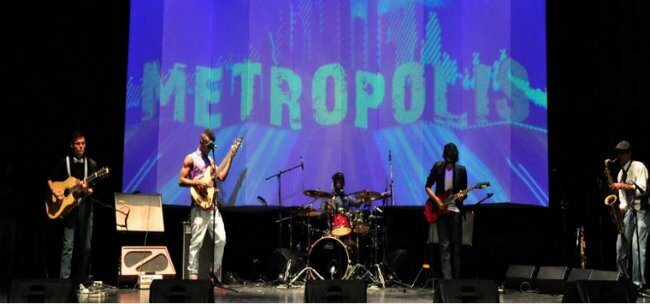 La música y el baile constituyen una de las seña de identidad mas fuertes de Cali, y tienen una fuerza muy grande en todos los estratos sociales de la ciudad. Precisamente aprovechando este fuerte caudal creativo, se han lanzado varias iniciativas, tanto públicas como privadas, que buscan crear un espacio de oportunidades y de generación de autoestima entre los jóvenes de las comunas. De esta forma se presentan caminos alternativos a la violencia y a la exclusión social.
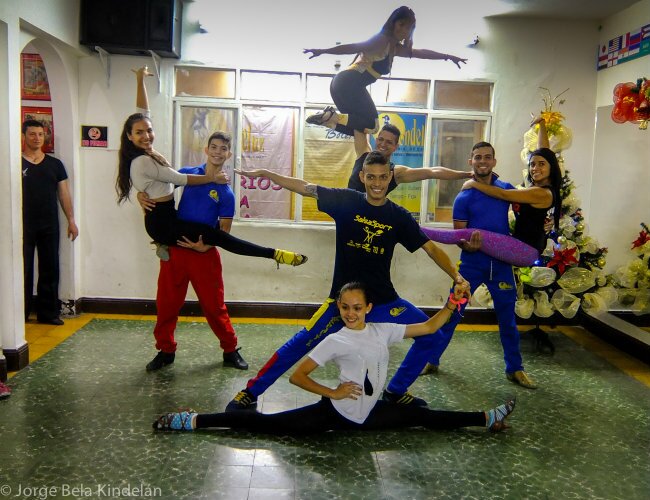 Otra iniciativa, esta vez privada, es la Fundación Delirio. Creada en el año 2006, la Fundación ha centrado su trabajo en profesionalizar el mundo de la salsa. Lo que hasta entonces era un fenómeno local de los barrios y sin reconocimiento fuera de ellos, ahora se ha convertido en una verdadera industria, y en uno de los fenómenos culturales mas reconocibles de Cali. Aunque su actividad mas conocida es el espectáculo de circo y salsa que realizan una vez al mes, en los que se da empleo a jóvenes en riesgo de exclusión, también han lanzado proyectos de formación gratuitos, sobre todo destinados a evitar las lesiones que padecen los jóvenes bailarines.
 কাজ ও শিক্ষার বীজ সেলাই: তরুণ নারীপুরুষদের জন্য জাগো’র সেলাই কেন্দ্র
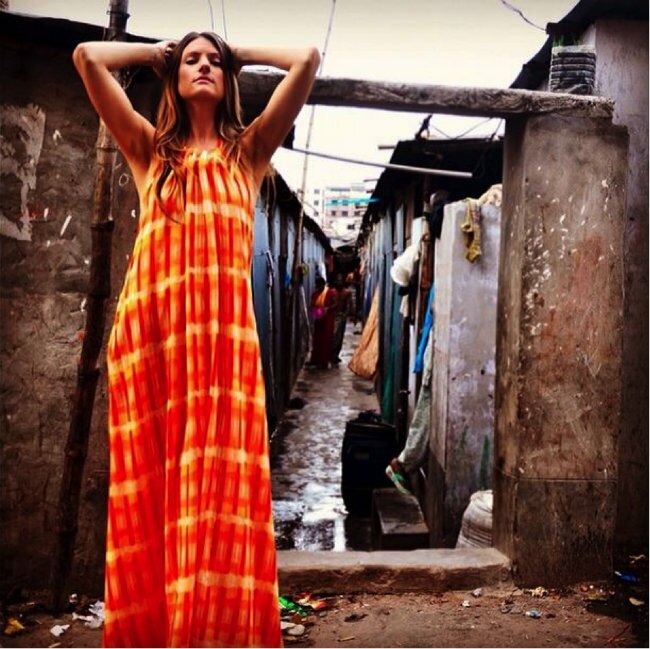 সেলাই কেন্দ্রটি জাগো’র ছাত্রছাত্রীদের তরুণ মা এবং ভাইবোনদের জন্য উন্মুক্ত। এর মাধ্যমে, পরিবারের একজন সদস্য কর্মসংস্থানের সুযোগই শুধু পাচ্ছে না, সে শিক্ষাও পাচ্ছে। আটটি সেলাই মেশিন দিয়ে যাত্রা শুরু করলেও কেন্দ্রটি পরে আরো বিস্তার লাভ করেছে। কর্মচারীদের পশ্চিমা ক্লায়েন্টদের কথা মাথায় রেখে পোশাক নকশার প্রশিক্ষণ দেওয়া হয়। পুনর্ব্যবহারযোগ্য শাড়ি এবং স্থানীয় সিল্ক ভিন্ন মাপ এবং আকারের প্রতিটি পোশাকের ৫০ সেট উৎপাদনে ব্যবহার করা হয়। পোশাক বিক্রয় থেকে অর্জিত মুনাফার ৫০% স্কুল চালানোর জন্য জাগো’কে খরচ করতে দেওয়া হয়। সেলাই কেন্দ্রের শ্রমিক / প্রশিক্ষণার্থীদের ৫০০০ টাকা অর্থ প্রদান করা হয়, যেখানে বাংলাদেশের পোশাক শিল্পের শ্রমিকদের ‘শ্রমের ন্যায্য মজুরি’ হিসেবে সর্বোচ্চ ৩০০০ টাকা দেওয়া হয়। এই প্রকল্পের বয়স এখন চার বছর। এই চার বছরের মধ্যে অনেক শিশু এবং তরুণ পুরুষ-মহিলা বিনামূল্যে শিক্ষা এবং যথাক্রমে কর্মসংস্থানের সুযোগ পেয়েছে। “বাচ্চারা" দ্বারা তৈরিকৃত পোশাক এশিয়া এবং বিভিন্ন ইউরোপীয় দেশ জুড়ে বিক্রি হচ্ছে, যা এই প্রকল্পের কর্মকাণ্ড বজায় রাখতে সাহায্য করছে।
 Bangalore-based NGO aims to give job opportunities to a million youth
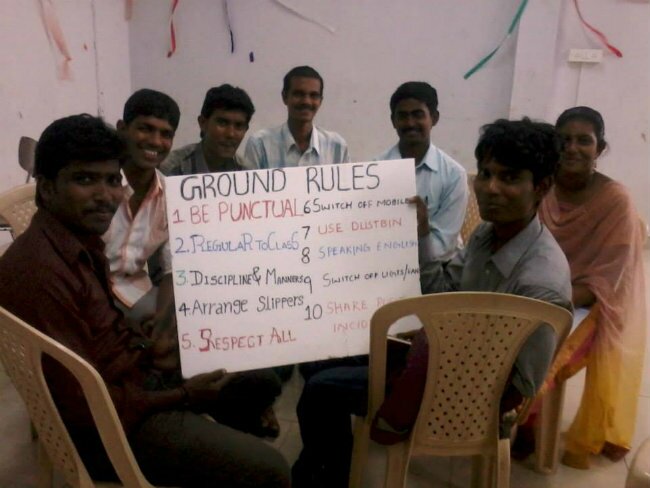 In Bangalore, an organization called Unnati has been working to harness the potential of the city's underprivileged youth for more than a decade. Unnati works holistically to provide youth with opportunities for economic independence and sustainable livelihood options. Their program focuses on building the confidence of its participants so they can see a new pathway for the future. Many Unnati trainees have dropped out of the traditional school system at a young age and have few mentors in their networks to guide them in mapping out an appropriate alternative plan. Unnati's 70-day program fills that gap.
 Promoting entrepreneurship to combat youth unemployment
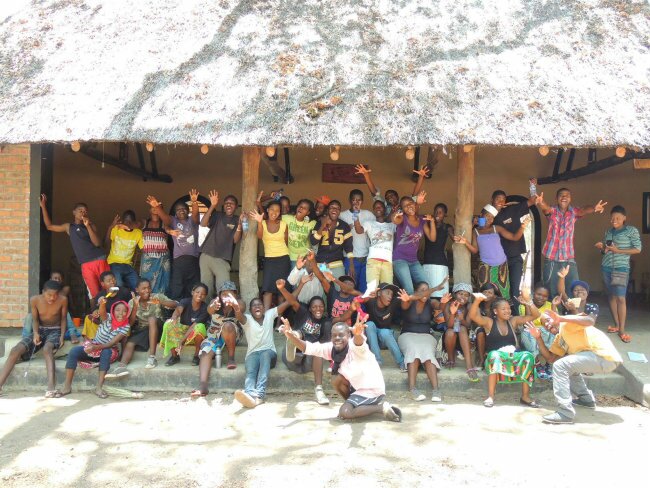 On the face of it, Malawi's youth unemployment figures are, while not commendable, also not alarming: of those aged 15-24, 12.5 percent of men and 14.4 percent of women are unemployed, according to the World Bank. The figures, however, hide a depressing reality. A 2013 report on global youth employment trends by the ILO estimates that over 90 percent of Malawian youth are in informal employment, at least 75 percent are poorly paid, and over 80 percent are in a job they are unqualified for. That's not only depressing reading but also a grave concern for the country's future.
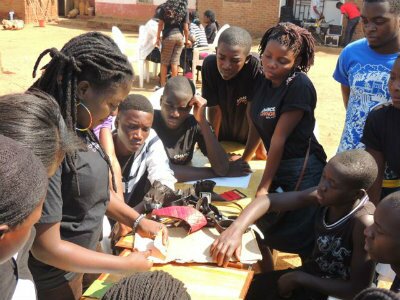 Chance For Change is a UK-based organization that works with young people across the world. Their Lilongwe operations are based in Area 23, a dense settlement home to tens of thousands of people. The organization runs six-month programmes aimed at training young people to become independent adults. That includes teaching business skills.
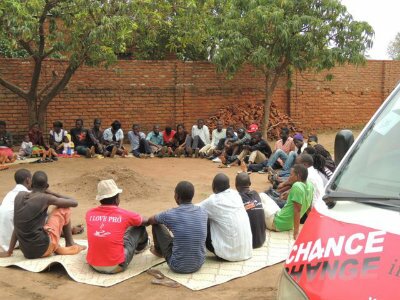 Key to the organisation's approach is to teach young people life skills in combination with business skills. This includes training on subjects such as global citizenship, HIV, and sexual health, as well as drugs and alcohol. Only then does enterprise training come in. Parkinson sees this holistic approach as important in making the programme successful, and considers it a missing element in many trainings run by other institutions.
 "Làm đẹp để sống – Sống để làm đẹp": Một dự án CSR thiết thực
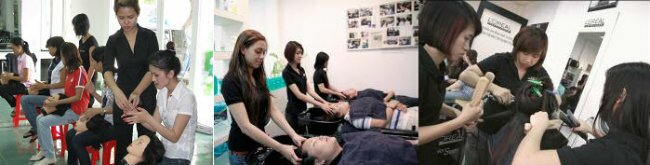 "Làm đẹp để sống – Sống để làm đẹp", một dự án CSR của L'Oréal, là một trong số ít những sáng kiến có khả năng kết nối chuyên môn của một doanh nghiệp và nhu cầu thiết yếu của cộng đồng, đồng thời lại gắn liền với triết lý kinh doanh của doanh nghiệp – rằng "mỗi người phụ nữ đều xứng đáng được đẹp theo cách riêng của mình."
 Investing in street youths: Generation Enterprise
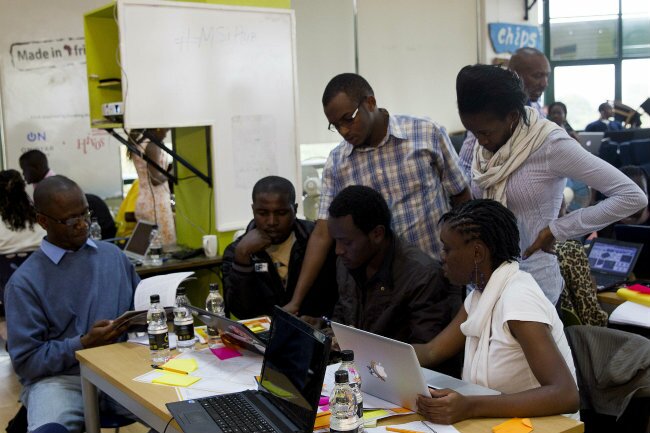 Generation Enterprise can best be described as a social enterprise and business incubator generating youth employment and opportunities. The organization, founded on the dire reality of urban slum-dwelling youths, was inspired to create a model that transforms a potentially "lost generation" into an enterprising and empowered generation serving as agents of economic development. The organization's co-op structure model creates an avenue for youths to earn a living while building marketable skills — moving from poverty to independence and community leadership.
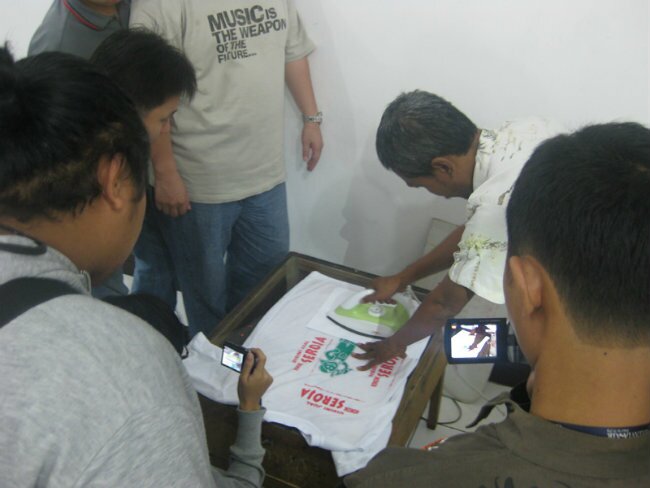 Kemiskinan di perkotaan menyebabkan banyak orang tua yang tidak mampu memberikan pendidikan dasar untuk anaknya. Pendidikan formal memang gratis namun banyak biaya tambahan yang cukup mahal bagi mereka. Orang tua lebih memilih anaknya membantu dan bekerja untuk menambah penghasilan keluarga. Seperti fenomena yang terjadi di sekitar daerah aliran sungai (DAS) Ciliwung yang dihuni ratusan rumah kumuh. Daerah ini memiliki lingkungan yang kotor dengan fasilitas kesehatan yang terbatas dan rawan banjir. Selain itu tempat ini juga menjadi tempat peredaran minuman keras, obat terlarang dan tawuran.
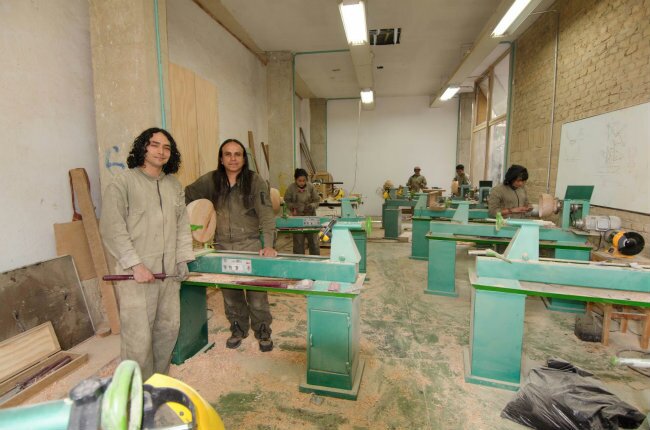 Indiscutiblemente, la formación es uno de los caminos que permiten el acceso al mundo laboral. Las escuelas taller, una iniciativa de la cooperación española que tuvo su origen en los años 80, buscan precisamente educar a jóvenes en riesgo de exclusión social, entre 18 y 25 años, en diversos oficios. La Escuela Taller de Bogotá fue fundada en el año 2005 (en la actualidad en Colombia existen Escuelas Taller en Cartagena, Mompox, Popayán, Buenaventura y Barichara).
 Formación de líderes de escasos recursos
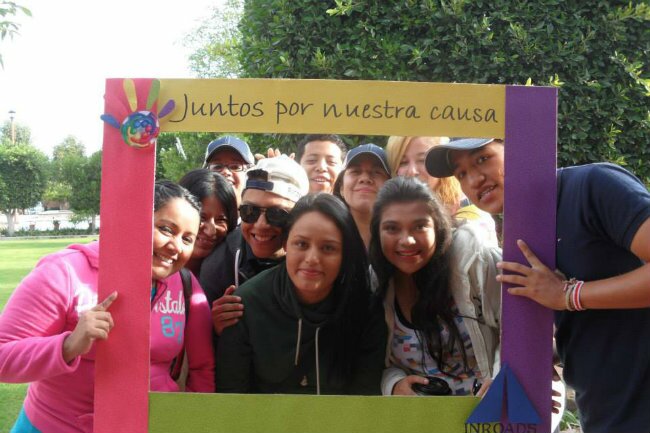 En primera instancia, INROADS selecciona a los candidatos llamados "INROADERS" y los capacitan en habilidades y competencias de liderazgo para formar un grupo de jóvenes con habilidades adquiridas, capaces de hacer frente a las necesidades de las empresas. Para identificar a los jóvenes, INROADS tiene alianzas con instituciones de educación superior, públicas y privadas, las cuales difunden el programa entre sus jóvenes y apoyan a identificar a los alumnos de escasos recursos con buen desempeño. Estos candidatos, después de haber sido capacitados, forman parte de un semillero de talento de donde podrán ser seleccionados por cincuenta y dos empresas aliadas. Una vez que los INROADERS se integran a las empresas, reciben un ingreso básico por parte de la empresa por su servicio profesional y a su vez continúan con el programa de liderazgo y formación impartido por INROADS durante los sábados. De manera paralela, la organización fomenta la conciencia social de los jóvenes, por lo que los INROADERS deben cumplir un servicio comunitario en las asociaciones inscritas al programa. Así mismo, INROADS ofrece asesoría a los jóvenes sobre temas relacionados con la escuela, trabajo, familia y el ámbito personal, de manera que promuevan su desarrollo integral.
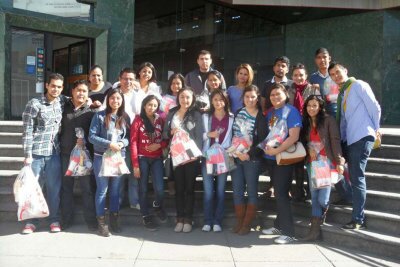 Con este programa INROADS en la Ciudad de México cierra la brecha entre las empresas y los jóvenes; las empresas enfrentan el problema de no encontrar jóvenes bien preparados con las habilidades necesarias y al mismo tiempo los jóvenes encuentran empleo por responder al perfil que exige el mundo empresarial. Además de vincular a los jóvenes, este programa acerca a los jóvenes de escasos recursos al mundo empresarial, por lo que desencadena una mejora de la situación de mejora económica de las familias de los INROADERS, ya que con su salario apoyan a la economía familiar.
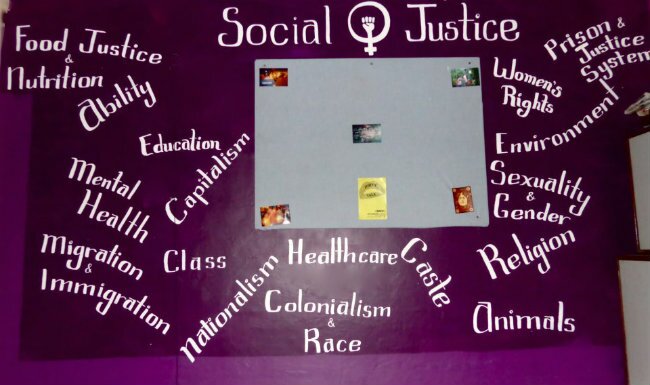 Kranti, which means "revolutionary" in Hindi, rescues girls from a potential future of sex slavery and turns them into agents of social change. This goal is no easy feat. Kranti's girls face challenges of caste, class, and gender, as well as the social stigma of coming from Kamathipura. But Kranti believes that it is exactly this marginalization that will make the girls into compassionate, thoughtful leaders — or "revolutionaries," as they are called at the home Kranti runs.
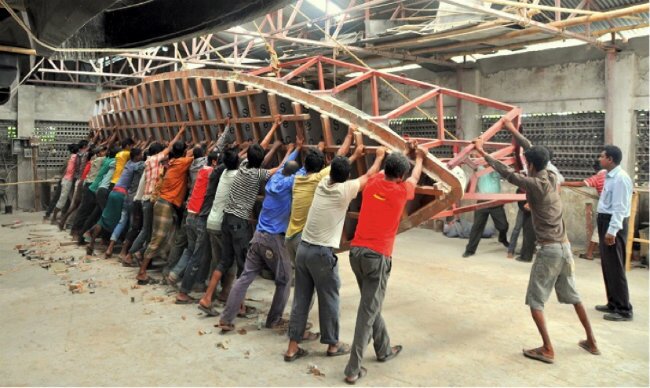 ৪২% নিরক্ষরতা হার অনুযায়ী, শিক্ষা বাংলাদেশে একটি উদীয়মান সমস্যা। স্কুল নির্মাণ যথেষ্ট নয়; ঝরে পড়ার হার কমাতে বিকল্প উপায় উদ্ভাবন করতে হবে। আয় উপার্জনের উদ্দেশ্যে স্কুল-ত্যাগ করার হার কমাতে একটি সমাধান-স্বরূপ, কারিতাস চট্টগ্রাম, কারিগরী প্রশিক্ষণ কেন্দ্র স্থাপনের প্রস্তাব করেন। আঞ্চলিক প্রশিক্ষণ কেন্দ্রে, প্রতি বছর ৪,০০০ এরও বেশী স্কুল থেকে ঝরে পরা ছাত্র কারিগরি শিক্ষা গ্রহণ করছে। এসব কেন্দ্র এক বছর বা ছয় মাস মেয়াদী অটোমেকানিক, বৈদ্যুতিক, ঢালাই, বা সেলাই কোর্স প্রদান করে থাকে। স্কুলের বদলে আয় উপার্জন - এই চিন্তাধারা হ্রাস পায়, যেহেতু শিক্ষার্থীদের মৌলিক দৈনন্দিন চাহিদা মেটানোর দায়িত্ব নেওয়া হয়। উদাহরণস্বরূপ, তাদের বাসস্থান খরচ মেটানো হয় হোস্টেলে বসবাসের ব্যবস্থা করবার মাধ্যমে। এই শিক্ষা-ব্যবস্থার একটি ইতিবাচক হচ্ছে শিক্ষার্থীরা যেন তাদের প্রশিক্ষণ সম্পন্ন হবার সাথে সাথে কর্মসংস্থান খুঁজে পায় তার গ্যারান্টি দেওয়া হয়।
 Impact-sourcing, demographics, and the details of youth unemployment
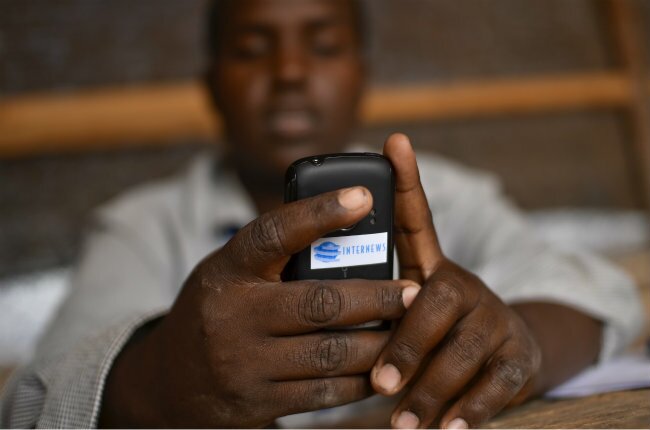 Dubbed the Silicon Savannah, Kenya — and, more specifically, Nairobi — has been at the forefront of a rapid rise in the services industry. Companies like DaproIM, Nairo Bits, and AkiraChix are just a few examples of firms that are leveraging a large youth population and the rapid evolution of information and communication technologies to achieve targeted development priorities.
 دور المجتمع المدني في حل مشكلة البطالة: تجربة مؤسسة ساويرس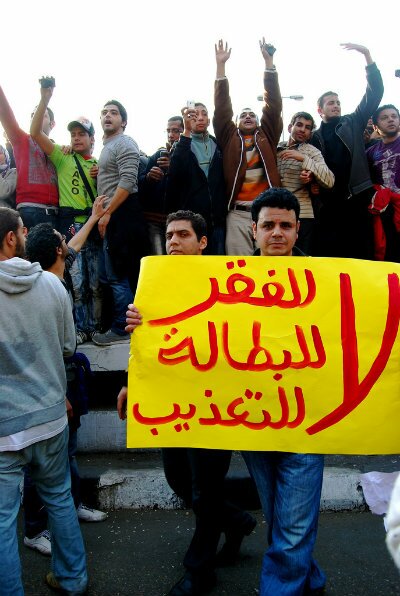
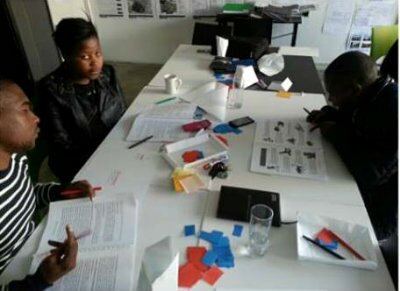 For the spatial disciplines (architecture, planning, urban design), due to the lasting socio-spatial consequences of apartheid these fields hold particular importance. But while this poses a particular intellectual challenge in finding new ways of democratically reshaping South African cities, at the same time architectural education itself is also part of the broader national imperative to improve the equity of access skewed by social inequalities for adult learners disadvantaged by the former apartheid system.
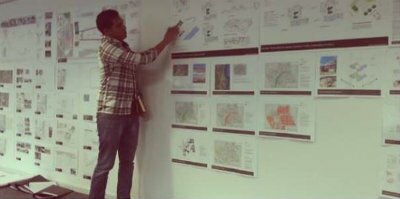 In response to such limitations, a new and alternative mode of education known as "Open Architecture" (OA) looks to respond much more directly to the national developmental agenda and the socio-economic context of potential students. Formed in 2005 from the merger of two local Technikons, the Cape Peninsula University of Technology in Cape Town was the first university to partner with OA in 2014, as part of its Btech programme. OA offers a part-time route to obtaining architectural qualifications whilst remaining in practice, and optimising practice-based learning under the guidance of a registered architect. Together with this it utilizes online learning, providing access to some of the best lecturers in the country, and broadening access for those situated away from the major centres. Access to higher qualifications is further facilitated through recognising past experience for student entry requirements.
Comments
Chittagong experience
Hi Anna,
Great experience. Bangladesh context looks somehow similar to Egypt in terms of the rate of school drop outs. However, as you explained in the article, high education is not the answer for the poverty problems. In Chittagong and with the corporate responsibility concept of a company like Taratari, the people started to get vocational and practical education, generating money and learn more about their capacities as well as learning new life-skills. I would like to ask you about the gender perspective, do such initiatives as this one managed by Caritas considering Bangladeshi women within such project? or are there are other similar initiatives for women?
Thank you!
The revolutionary girls from Mumbai
I'm happy to know about Kranti and the amazing work they do. I admire very much the approach of the institution, the fact that they not only prepare the girls technically, not only provide skills training so these girls will have better prospects inserted professionally in Mumbai's reality, but encourage them to transform this reality, to outline completely new and revolutionary perspectives, to see and fight for opportunities often inconceivable for those inserted in their context, or viewed with disbelief. I find it very significant that they see that the difficult background and life experiences these girls have faced have a unique transformative potential, particularly strong and innovative, and encourage them to use it, each one with their individual capabilities and togehter, as a collective power. As Kranti says, "girls who have faced marginalization and discrimination bring added value the leaders and agents of change, not despite their backgrounds, but because of their backgrounds. Our girls are, therefore, revolutionaries". I'm sure they can be!
Empowering Employment
Andrea, I'm really inspired by Kranti's approach because so many of the skills training program focus on simplistic skills, many of them in very mindless work, that bring wages but not necessarily dignity.
This weekend, I was lucky enough to attend a conference on homebased workers--many of whom are women and live in urban areas across the Global South. I asked one of them, who made garments out of her home and sold them at the market on Sundays if she like her job. "I love it," she said. "Why," I inquired. "Because I work with my hands." That says a lot to me about the challenges of simply giving technical skills devoid of purpose or connection. I think this is especially dangerous for the youth population, who need to feel excited, empowered and challenged. I was at least happy to see that the projects happening in Nairobi involve creative thinking, including training for web design, etc., rather than just back-office data input training.
public solution for a government inefficiency
Hello Andréa
That was very interesting for me to hear how people try to solve their problem without waiting for Government. High degree of solidarity is a sign of social intelligence and understanding among these people, despite maybe one said that residents of informal settlement have less coherency. But my question is how this project financially prepared? and what local problem have been solved by the platform?
thank you so much
More than entrepreneurship
Entrepreneurship seems to be the buzz word of the day, almost to the extent of being put forward as panacea for youth unemployment. That's why I found Shaima's feature about the Sawiris Foundation’s projects refreshing, as the Foundation focuses on a number of different aspects of the labour market; they train people for garment factories, for the electronics sector, and to become entrepreneurs. The combination is important, as not everyone can or should be an entrepreneur, just like not everyone can or should be factory worker or a government employee. Sure, entrepreneurship is important, but it shouldn't be promoted in lieu of careful analysis of the labour market and identification sectors needing skilled employees. In addition to developing new entrepreneurs, employment initiatives should also be looking at meeting existing demand. Unfortunately, that's rarely as 'sexy' as looking for the next bright-young-thing with an idea for a start-up...
Definitely more than entereprenurship
Very true Nora. Entrepreneurship is not the solution to every unemployment issues, it seems ideal but their are so many other factors that make it feasible and allow previously unemployed youth become employers of labor. As you mentioned it is important to identify skill gaps and try to fill it instead of creating and excess supply of skills in an already saturated market.
I find that for most programs relating to work, empowerment and capacity building, this element is not factored into program or intervention designs. Not every skill can be turned into a venture successfully, and not all people can be entrepreneurs. In fact majority of new business fail within the first 3 years. Programs need to go beyond skill acquisition and capacity building to include elements of business development, access to finances, and a long term support path provided after the programs if the entrepreneurship route is going to be perpetually taken.
Another factor that crossed my mind reading through and even while writing my contribution is how are these people selected? Is it just on the basis of being a youth or being unemployed. The drive to be part of the program also affects the success of participants afterwards. Hilary I was wondering if you had any insights into how any of the programs you mentioned selected participants.
Linking education and employers
Agreed, Wura. I also think the point about selection is important - through my work I've encountered a lot of poor individuals who will jump on any opportunity offered, whether or not they are interested in of suitable for it. Which is fair enough given the limited opportunities many face, but as you note does raise the issue of how successful a programme/project can be.
In relation to our discussion, I thought Maria's piece on linking university students with employers was interesting. Of course, many of the poor in Malawi for instance will never make it to university, but I think the general idea of preparing youth for the existing labour market through their education is important. As you'll see in my forthcoming piece - a massive 80% of youth in Malawi are estimated to be in a job they are unqualified for.
Linking education and employers
Nora, I totally agree with you that linking university students with employers offers opportunities more suitable for students, and will provide the tools to youth in order to respond to the labor necessities. This program is created for poor students in universities whether they are public or not, however as in Malawi, in Mexico City there are youth living in semi urban areas that doesn't have access to university even to public schools; in this sense it exists projects with other approaches in order to include youth in the market of services through the reinforcement of their capabilities and by teaching them a trade demanded by the regional economy.
Youth Employment in Africa
Youth unemployment rate ( 15-35 years) estimated at 12.2 %. The unemployment rate for graduates of the higher level reached 31 % in 2011 against 16 % in 2005. Companies will hire more . Access to finance for young people is difficult because of the conditions and procedures imposed by financial institutions. Micro and small businesses are slow to take off to recruit more people.
Reduce unemployment and precarious employment of young people in Africa have to go through the improved performance of micro and small enterprises and to support self- employment among young people through access to finance and support ( mentoring) .
public solution for a government inefficiency
Hi, Maryam,
I'm glad you liked it (and just to confirm, you are talking about last month article, the one about Vila Torres Digital, right? :)). Yes, each day I believe more in the transformative power of the civil society organized. The ideal, of course, is that the government work together with civil society and with the private sector, but in Brazil the bureaucracy is enormous and there's a lot of corruption, so it's better not to wait and take initiatives somehow.
In this case, the first thing accomplished was the access to technology: 800 people now have access to the internet and to computers (at least at the school and in the Mothers Club headquarters - they are looking for some donations to, somehow, share some computers in the houses of the residents). With the consequent construction of the online platform, these people really incorporated the use of the internet in their routines, they are continually accessing the site to become aware of social actions that are developed in the neighborhood, free courses, joint efforts for cleaning ... The inclusion digital, for many, really happened.
About the online platform itself, according to the residents, problems are solved every day. Now that they can follow what's being done in the neighborhood, now that they have access to information, they can participate in a practical way, to articulate theyselves. For example, many woman who didn't know the activities run by the Mothers Club, now can sign up and participate - a workshop that teaches residents to make bags with discarded banners (a project focused on education and income) have doubled of participants. Some young people who were idle in the streets, now spend their afternoons producing the radio shows that are aired in the site, having access to a mixer and technical equipment they did not know before. The free courses offered (there are many, from computer classes to dancing) have much larger membership. When I was researching, there was a post about a huge tree that had fallen a few days before and the community were organizing themselves online to go to speak to the city hall about this, which is a current problem.
Speaking of technology, which was our focus, through the website (that now they can use at home), the neighborhood residents were able to see the mothers club dependencies and now use the area, where they have access to sewing machines, cameras, computers... and constant workshops that teach how to use this technology, all the equipments. That's the case of the bags workshop and the radio mixer I've just mentioned. Besides that, because of this initiative, the students of Manoel Ribas State School will now have pedagogical support in technology by the Federal University of Paraná.
The tricky part is that this project is funded by social workers who do not earn a financial return in exchange. The internet is provided by a company (in a very low rate for them, they have no intention of stopping), the communication is organized by a company that also receives no money in return (is a large agency, which has many large bills, so they can maintain the site for free with a small part of their profit that comes from the other clients) and the mothers are organized autonomously and don't get any money to do that. They built their headquarters gradually, with donations, and continue the work like this, going after outside support. They produce objects and events that have sales return, but most of themothers work in other places, have salaries... they committed to the community by love. At the moment one of these parts fails, the project does not move anymore. But now that it's been run successfully for a long time, it's easier to ask for support to the government. That's the thing: the project depends on the love, good will and solidarity of some people.
Empowering Employment
Hi Carlin
That really shows a lot. At the same team, promoting autonomy, independence (that woman, for example, is so happy she can work with her own hands and make a living from it), can be the beginning of that change of mentality, can be the first step so people can see new perspectives and them fight for opportunities :) Of course, that's rare if it's not combine with other actions, like valuing people, stimulating creative thinking... I'm glad too that the projects happening in Nairobi are going in this direction now!
Leveraging on technology to transform lives
More than 34% of Kenyan total population lives in Urban Areas.71% of this population is confined in Informal Settlements. Among these are young people who face challenges in employment and livelihoods. Youth have a great capability to transform their lives. To tackle the problem of poverty and unemployment, NairoBits gives these youth something that no one can ever take away from them and that is ICT skills. For this to be successful, we went to the youth and not vice versa. We have Information resource Centres in five of the major informal settlements in Nairobi namely Mathare, Mukuru kwa Reuben, Kariobangi, Kibera and Eastleigh. We work closely with community based organizations to register youth from these communities in our program. The ICT program progressively advances from introduction to Computer to web development. The challenge however is we can only take a number that our resource Centres can handle. Despite this, we still pride ourselves of having changed the lives of over 7,000 youth since our inception in 1999.
Sexual reproductive health is also a challenge that we sought to address. We have an interactive sexual reproductive health program that is aimed at increasing the uptake of sexual reproductive health services. We also give the youth referrals to various youth friendly hospitals and health Centres. We therefore minimize the adverse reproductive health outcomes that may be as a result of risky behaviors. The youth are therefore able to achieve life goals and give optimum contribution to national development.
These youth don’t have to wait for employment to come at their doorstep they have enough skills and knowledge on starting a business.
Young people have been known to bring social, political and economic change to their countries and for them to achieve this we need to develop young people’s capabilities and expand opportunities. What we have done is give them a second chance to transform their lives and positively contribute towards a prosperous and balanced society. We are glad that there are others who also share in our mission. Let us leverage on technology for tomorrow development outcomes. Visit http://www.nairobits.com/
opportunity for youth
This month provide interesting cases that seem replicable for other cities. Youth are indeed needed to be empowered. Failure to see them as potential will disadvantage city and even one country. Demography surplus as Indonesia experiencing at the moment is actually the right time to put more attention to youth development. Hence, these cases that each city brings attract me to share with colleagues here especially to those who have power to make decision.
Cases such as Bogota and Mexico shows that education scheme given is beneficial for them because these institutions do not only provided skills but also provide market for their skills. There are many government or non-government institutions realize the need to empower youth but often fails to see what beyond that. Some programs stop at giving education and surviving skills but do not actually help how to find market for their skills. Talent pool by Inroads was a great idea to introduce the youth to the world of private business. besides that of course there is an issue of financial for the youth who wants to open business and how the bank of non bank institutions help these youth to start up their business. that would be different area to discuss about. However, i think we really has the same understanding that youth especially those are in disadvantage situation are actually agent of shane, if they are given the same opportunity as other
Youth Employment in Africa
The lack of performance of MSMEs represent anything that Senegal 90% of businesses who are concentrated in the capital. There are no big company in African countries that help absorb some of the young graduates who represent over 400 000 per year in Senegal . Drought in rural areas mark the stop work in the fields which are the main sources of income for farmers and allows survival of the family. This vulnerable segment of the population ( peasants) represents over 60 % of the African population. Since the exodus from rural areas to the city is the solution for young people. Thus , the capital of Senegal is Dakar in particular and in general African cities become the " El Dorado " of illiterate rural youth. Young unemployed , illiterate , African cities and become the problem source of African governments.
In the 21 century , to solve the problem in youth work, it is necessary to go through ICTs . Africa must be transformed into a technology hub. African introduce young people to new technologies so they can develop their creativity and to respond to their personal and environmental need . ICT is the only way to allow young people to get by and with little means , one can set up its own business. Currently , centers of initiation to ICTs must be provided in African governments' development programs.
Joinafric is a caring young structure of their future with perfect knowledge of their own problem, and who works in this launched to provide solutions based on ICTs to address the multiple problems of young people for leadership , entrepreneurship, business creation.
Joinafric , united youth.
Contact:
ICT solution for youth employment
The problems of urban youth are summed up in precarious employment, unemployment.
The job insecurity concerns more young people from rural and unfavorable environments without any training beforehand. Unemployment is compounded by the lack of performance of MSMEs which are a significant number in the underdeveloped countries. In Senegal, 90% of companies are MSMEs and bankruptcies that are less than 3 years.
In 21 centuries, the alternative youth to solve their problem is self employment through entrepreneurship in ICT. New technology is the youth perspective and that funding is low cost, and can create fairly significant added value. Young people can now self-employed and create long-term employment.
To realize this potential that ICTs, young government organization must all work together. African governements must imperatively include in their development agenda setting up introductory Youth ICT and at the same time help organizations develop structures dedicated to ICT development that will accompanied the young people in the creative process , setting up e development of their own business.
Joinafric is a structure formed by Senegalese youth to meet their need for funding their own business, support and monitoring of their structure.
Joinafric united youth.
Social change can start in the kitchen
Hi Felipe,
I thought of writing about Gastromotiva this month as well, the project has just arrived in Curitiba too, they are forming the first class. Good news, right? It's a great project :)
Add new comment