 چه سیاستی به حق زنان جوان به اشتغال راه می برد؟
مریم امیری
Maryam Amiri, Tehran Community Manager
یکی از مهمترین مسائلی که جوانان در ایران با آن مواجه هستند مسئله اشتغال است. علی رغم بالا رفتن نرخ باسوادی و آموزش سطوح عالی، بسیاری از جوانان سالها پس از فارغ التحصیلی بیکار می¬مانند و یا در مشاغلی غیر از آنچه برای آن آموزش دیده اند مشغول به کار می¬شوند.
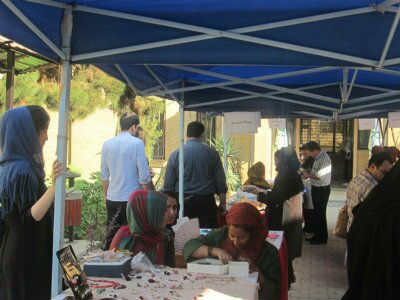
این مسئله درباره زنان حادتر است که بیش از هرچیز به آموزش های ایدئولوژیک دولت مبنی بر در خانه ماندن زنان جوان و تبلیغ وسیع این ایدئولوژی برمی¬گردد. به تازگی در مجلس ایران طرحی تصویب شده است که استخدام زنان (به ویژه زنان مجرد) را در نهادهای دولتی و دانشگاهها به شدت محدود می¬کند. همچنین دانشگاهها از ثبت نام دختران در برخی رشته ها جلوگیری میکنند.
اما مسئله اشتغال زنان جوان در گروههای فرودست و ساکنان محلات فقیرنشین و غیررسمی از این هم بدتر است. از یک سو اشتغال برای این زنان به دلیل فقر خانوار یک ضرورت حیاتی است و از سوی دیگر تله فضایی (عدم دسترسی مناسب به مرکز شهر) و عدم آموزش کافی (زیرا بسیاری از آنها از مناطق روستایی به شهر مهاجرت کرده اند) فرصت اشتغال را از این زنان سلب کرده است. طرح های دولتی برای تسکین این مشکل غالبا به طرح های موسوم به «خوداشتغالی» محدود میشود. شهرداری تهران هر سال در روزهای پایانی سال در برخی پارک های شهر غرفه هایی برای فروش محصولات خانگی زنان کم درآمد آماده می¬کند. این راهکارها به وضوح شکست خورده است. زیرا در هر صورت هزینه تمام شده محصولات خانگی از محصولات کارخانه ای بسیار بالاتر است و فروش این محصولات که خود فرایندی مشقت بار است و شانس اندکی برای آن هست، سود مالی ناچیزی نصیب این زنان می-کند.
فقدان طرح های اشتغالزا در شرایط رکود تورمی از سوی دولت برای جوانان از یک سو و اندک بودن شمار NGO ها در زمینه آموزش حرفه ای و اثرگذاری کم آنها- به ویژه در رابطه با زنان جوان- ازسوی دیگر، جوانان را به سوی راه حل های ابتکاری و فردی سوق می¬دهد. دست فروشی یکی از این راه حل هاست.
زنان جوان فرودست از زمان راه اندازی متروی تهران (در سال 1378) به سرعت پتانسیل سودآوری آن را کشف کردند و برای فروختن اجناس خرد و ریزی که به قیمت کمتر از بازار تهیه می¬کردند وارد مترو شدند. آنها هر چند گاه و بیگاه با مزاحمت مامووران مترو مواجه می¬شدند ولی تا همین اواخر مانعی جدی برای کارشان وجود نداشت. تا اینکه در تابستان 2014 شهرداری تهران اعلام کرد دستفروشی در مترو ممنوع است. این اعلام که با تبلیغات گسترده علیه دستفروشان همراه بود با کمک پلیس اجرایی شد.
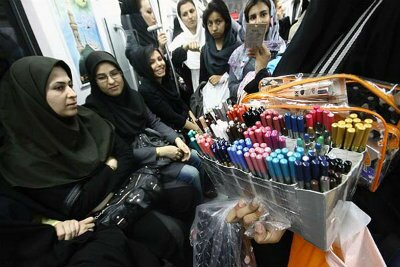
این مانع مقاومت زنان برای بازیافتن شغلشان نشد. آنها فرار کردن از دست پلیس و پنهان شدن لابه لای مردم را به جزیی روزمره از این شغل بدل کردند. همین مقاومت ، نهادهای مدنی را به حمایت از آنان واداشت. در فیسبوک صفحه های متعددی شکل گرفت (به عنوان مثال: این صفحه ) که حمایت مردم عادی از دستفروشان را اعلام می¬کرد. همچنین بنیاد باهمستان که یک تشکل مردم نهاد برای دفاع از حق به شهر در تهران است، از روشنفکران، جامعه شناسان و استادان دانشگاه دعوت کرد تا درباره پدیده دستفروشی بحث کنند و در این رابطه یک سمینار عمومی نیز برگزار کرد. نتیجه چنین تلاش¬هایی، تبدیل موضوع دستفروشی به بحثی عمومی و اجتماعی شد و آگاهی نسبت به حق دستفروشان در متروی تهران را بالا برد. همچنین لزوم تشکل یابی دستفروشان و تشکیل اتحادیه صنفی برای دفاع از حقوقشان، موضوع دیگری است که پس از این اتفاقات زنان دستفروش به فکر تشکیل آن افتادند.
با اینکه ممنوعیت دست فروشی در متروی تهران، هنوز باپرجاست ولی زنان جوان دستفروش توانستند با همیاری نهادهای مردمی، حق قانونی خود را برای امرار معاش در اذهان عمومی جا بیندازند و همین کار را برای شهرداری و پلیس سخت کرده است.
Photo: Municipality of Tehran, Mehrkhane Agency
Permalink to this discussion: http://urb.im/c1502
Permalink to this post: http://urb.im/ca1502tep
Being a poor, unemployed woman in Iran
Maryam Amiri, Tehran Community Manager
Tehran, 27 February 2015
Being unemployed is one of the most challenging issues that Iranian youth face. Despite recent improvements in education levels and literacy rates, many students still remain unemployed after graduation, or are employed in fields unrelated to what they studied.
The situation is even tougher for women. They are less welcomed in the labor market due to the ideological preferences of the government. Just recently, a law was ratified in Parliament limiting the employment of women, especially single ones, in state offices and universities. Many universities refuse to register women in certain fields of study.
The issue of women's unemployment is even worse among the low-income population that usually lives in informal and poor settlements. Job opportunities are very limited: residents have almost no access to city centers (spatial trap) and a great majority of them are not educated at all (most of them are rural immigrants).
Two kinds of solutions have been deployed during recent years: the first is a "self-employment plan," which came from government and municipality. For example in Tehran, the municipality provided a low-rent space for women to sell their homemade products. These spaces were limited to certain areas in Tehran's midtown, and were available for just a few days each time. This project was not successful in attracting poor households, and clearly failed to accomplish its objectives. The failure was due to the fact that production cost of these homemade products is far more than that of factory products, so the women's profit margins hardly cover their expenses like rent and transportation costs.
The other solution is more spontaneous. In the current stagnation period of Iran's economy, job creation plans are not deemed affordable by the government. Iran's NGOs are very limited in number, and their effectiveness in providing professional training is also limited. These facts lead the poor youth to find their own individual solutions, including peddling.
From the very first days of Tehran's subway in 1999, poor young women discovered its potential as a suitable place to sell their trinkets. Despite the occasional intervention of Subway Security Guards, there were no serious obstacles for them to work, until summer 2014, when the Tehran Municipality announced that it would seriously prevent peddling in the metro. The transit authority was given the right to prohibit such activities, so from then on, security guards have conducted brutal purges of peddlers from the subway.
After a while, the crackdown was deemed unsuccessful in preventing women from working. Escaping from security guards and hiding among the crowd became an inseparable part of their job. Their resistance led civic organizations to support them. Lots of Facebook pages were created (on this page, ordinary citizens support and sympathize with peddlers). In addition, the Bahamestan Foundation, focused on the right to the city in Tehran, began to defend the peddlers' fundamental right to subsistence. They invited social activists, intellectuals, sociologists, and university professors on discussion panels about the peddling phenomenon. The organization also held a public seminar with subway peddlers, activists, and municipality officials as participants.
Although the peddling ban is still enforced, young female peddlers are strengthening their rights and resisting security guard interventions with the cooperation of NGOs.
Photo: Municipality of Tehran, Mehrkhane Agency
Permalink to this discussion: http://urb.im/c1502
Permalink to this post: http://urb.im/ca1502tep