 কারিগরী প্রশিক্ষণের মাধ্যমে জেলে সম্প্রদায়ের ক্ষমতায়ন
লেখক: এনা মাহিউ, অনুবাদিকাঃ নুসরাত ইয়াসমিন
Chittagong, 5 February 2015
মূল নিবন্ধ: একটি মানুষকে একটি মাছ দিন; এর মানে আপনি তার এক দিনের খাবার জুগিয়েছেন। তাকে একটি নৌকা-নির্মাণ প্রণালী শেখান, তাহলে সে তার নিজের খাদ্য নিরাপত্তা এবং তার পুরো সম্প্রদায়কে ক্ষমতাবান হতে নিশ্চিত করবে। এই মৌলিক বিবৃতি-ই হচ্ছে কারিতাস, চট্টগ্রামের আঞ্চলিক অফিস এবং সামাজিক কোম্পানী, তাড়াতাড়ি’র নতুন অংশীদারিত্বের ভিত্তি: চট্টগ্রামের উপকূলীয় এলাকায় যুব-বেকারত্ব মোকাবেলায় একটি অনন্য শিক্ষা উদ্যোগ।
 ৪২% নিরক্ষরতা হার অনুযায়ী, শিক্ষা বাংলাদেশে একটি উদীয়মান সমস্যা। স্কুল নির্মাণ যথেষ্ট নয়; ঝরে পড়ার হার কমাতে বিকল্প উপায় উদ্ভাবন করতে হবে। আয় উপার্জনের উদ্দেশ্যে স্কুল-ত্যাগ করার হার কমাতে একটি সমাধান-স্বরূপ, কারিতাস চট্টগ্রাম, কারিগরী প্রশিক্ষণ কেন্দ্র স্থাপনের প্রস্তাব করেন। আঞ্চলিক প্রশিক্ষণ কেন্দ্রে, প্রতি বছর ৪,০০০ এরও বেশী স্কুল থেকে ঝরে পরা ছাত্র কারিগরি শিক্ষা গ্রহণ করছে। এসব কেন্দ্র এক বছর বা ছয় মাস মেয়াদী অটোমেকানিক, বৈদ্যুতিক, ঢালাই, বা সেলাই কোর্স প্রদান করে থাকে। স্কুলের বদলে আয় উপার্জন - এই চিন্তাধারা হ্রাস পায়, যেহেতু শিক্ষার্থীদের মৌলিক দৈনন্দিন চাহিদা মেটানোর দায়িত্ব নেওয়া হয়। উদাহরণস্বরূপ, তাদের বাসস্থান খরচ মেটানো হয় হোস্টেলে বসবাসের ব্যবস্থা করবার মাধ্যমে। এই শিক্ষা-ব্যবস্থার একটি ইতিবাচক হচ্ছে শিক্ষার্থীরা যেন তাদের প্রশিক্ষণ সম্পন্ন হবার সাথে সাথে কর্মসংস্থান খুঁজে পায় তার গ্যারান্টি দেওয়া হয়।
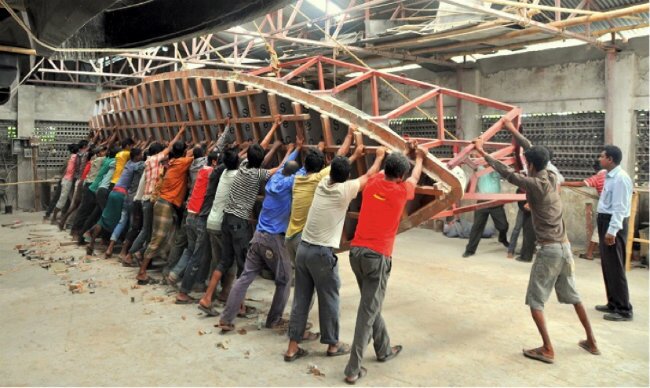
তাড়াতাড়ি, একটি সামাজিক কোম্পানী, যেটি ঐতিহ্যগত বাংলা ডিজাইনে ফাইবার গ্লাসের নৌকা উৎপাদন করে। ফরাসি এনজিও, অয়াতেভার এবং প্রধানত ফ্রেন্ডশিপের মত এনজিও’র কাছে বা জাতিসংঘের শাখা যেমন ইউনিসেফ বা এফ.এ.ও.’র কাছে নৌকা বিক্রির ফলে উপার্জিত অর্থ উৎপাদনের খরচ যোগায়। তাড়াতাড়ি আন্তর্জাতিক মান এবং ফাইবার গ্লাসের বৈশিষ্ট্য অনুযায়ী ভাসমান হাসপাতাল, অ্যাম্বুলেন্স, মাছ ধরার নৌকা, স্কুল শাটল-নৌকার ডিজাইন, উৎপাদন, ও বিতরণ করছে।
তাড়াতাড়ি সামাজিক উদ্যাগ নীতি মডেলের কাছে প্রতিশ্রুতিবদ্ধ: চট্টগ্রাম উপকূলীয় এলাকার মানুষের জীবনে উন্নতি সাধনই হচ্ছে সামাজিক উদ্দেশ্য। তারা শ্রমিকদের কাজের নিরাপত্তা এবং একটি স্থায়ী উন্নয়ন সহ অন্যান্য নৈতিক শাসনের প্রচার করে। তাড়াতড়ি প্রযুক্তিগত জ্ঞান এবং তা প্রদানের জন্য প্রশিক্ষক নির্বাচন করবে এবং কারিতাস এ ধরনের প্রশিক্ষণ কেন্দ্রে কৌশলগত দক্ষতা সরবরাহে অবদান রাখবে। জেলে সম্প্রদায়ের যুবকেরা যারা প্রথাগত স্কুল ছেড়ে দিয়েছে, তারা ফাইবার গ্লাসের নৌকা উৎপাদন পদ্ধতি শিখতে পারবে এবং তাড়াতাড়ি বা অন্যদের শিপইয়ার্ডে একটি কর্মসংস্থান খুঁজে পাবার সুযোগ পাবে। ২০১৫ সালে প্রশিক্ষক এবং প্রায় একুশ জন ছাত্র নির্বাচনের মাধ্যমে প্রকল্পের একটি পরীক্ষামূলক প্রথম অংশ শুরু হবে।
বেকারত্ব সমস্যা মোকাবেলার একটি উদ্যোগ কারিগরী প্রশিক্ষণের মাধ্যমে চাকরির পথ সৃষ্টি: আয় উপার্জনের উদ্দেশ্যে স্কুল-ত্যাগ করার হার কমে। জেলে সমাজের পরবর্তী প্রজন্মের উপর এর ইতিবাচক প্রভাব পড়বে কারণ শিক্ষিত পিতা-মাতা চাইবেন তাদের সন্তান আরো উচ্চ শিক্ষা লাভ করুক। এই প্রকল্প শিপইয়ার্ডে কাজের সুযোগ সৃষ্টির মাধ্যমে স্থানীয় জনগোষ্ঠীকে ক্ষমতায়ন, খাদ্য নিরাপত্তা মোকাবেলা বিষয়ে সাহায্য এবং পরিশেষে, বাংলাদেশের নৌকা- একটি সাংস্কৃতিক অঙ্গ সংরক্ষণের জন্য খুবই গুরুত্বপূর্ণ ভূমিকা রাখে।
Photo: Thibault Saint Olive
Permalink to this discussion: http://urb.im/c1502
Permalink to this post: http://urb.im/ca1502chb
Empowering fishermen through vocational training
Anna Maheu, Chittagong Community Manager
Chittagong, 5 February 2015
Give a man a fish and you feed him for a day. Teach him how to build a boat and he will ensure his own food security and empower his whole community. It is on this basic assertion that the Regional Office of Caritas in Chittagong and the social company Taratari based their new partnership: proposing a unique education initiative to tackle youth unemployment in the Chittagong Coastal Area.
Education is an problematic issue in Bangladesh considering the country's 42 percent illiteracy rate. Constructing schools is not enough; providing alternative opportunities to reduce drop-out rates must be innovated. Vocational training centers are one of the solutions that Caritas Chittagong has proposed in order to diminish the opportunity cost of schooling. In Regional Training Centers, more than 4,000 formerly dropped-out students obtain technical education each year. These centers provide auto-mechanic, electrical, welding, or tailoring courses for six months or a year. The negative substitution effect decreases since the students' basic daily needs are taken care of: for example, they stay in hostels, limiting lodging expenses. The positive effect is brought on by the hands-on education provided, which will help students find employment as soon as they complete their training.
Taratari is a social company that produces fiberglass boats following traditional Bengali designs. The production is financed by the French NGO Watever and by the sale of the boats, mainly to NGOs like Friendship or branches of the UN like UNICEF or the Food and Agriculture Organization. Taratari has designed, produced, and delivered floating hospitals, ambulances, catamarans, fishing boats, and school shuttle-boats, all according to international quality standards and unsinkable, thanks to the properties of fiberglass.
Taratari is committed to the social entrepreneurship model, with the goal of improving the lives of residents of Chittagong's Coastal Area. They promote ethical governance, including the safety of workers and sustainable development. This last point will be practiced through the transmission of knowledge inside the vocational training centers in projects with Caritas. Taratari will bring technical knowledge and select instructors, and Caritas offers its expertise on the logistics of such training centers. Young men from the fishing community who dropped out of traditional schools will have the opportunity to learn how fiberglass boats are produced and to find employment at Taratari or in others shipyards. An experimental pilot project will start in 2015 with the selection of instructors and of approximately twenty students.
This job initiative is tackling one of the many unemployment issues through vocational training, lowering the opportunity cost of education. It will have an impact on future generations of the fishing community, since parents' levels of education will affect their children's access to education. This project is key in empowering the local populations through the development of job opportunities in shipyards, in helping to tackle the issue of food security, and in preserving an important cultural symbol, the boats of Bangladesh.
Photo: Thibault Saint Olive
Permalink to this discussion: http://urb.im/c1502
Permalink to this post: http://urb.im/ca1502chb