 Governo Federal impulsiona a inclusão e a inovação energéticas em Curitiba
Andréa Azambuja, Coordenadora da Rede em Curitiba
Curitiba é considerada uma "cidade modelo" no Brasil, prestigiada também internacionalmente. Com o 10º IDH mais alto entre 5 565 municípios, acaba se ser apontada como a cidade mais verde do país e da América Latina no relatório Green City Index, entre outras deferências.
 Isso não significa que a capital do Paraná não enfrente sérios problemas socioeconômicos. Inclusive, recentemente o jornal francês Le Monde publicou uma matéria que começa com a frase "É o fim de um mito", em que destaca suas questões mais urgentes, como segurança. Aparentemente, eficiência/ inclusão energética não é uma delas.
Aparentemente, pois a ao mesmo tempo em que 99,98 por cento da população em domicílios têm acesso à energia elétrica, os que vivem em acampamentos ou habitações ilegais continuam excluídos. E ao passo que o Paraná é o principal gerador de energia do país, frequentemente apresenta falhas no abastecimento, baseado em hidrelétricas.
Para alcançar a total inclusão energética e desenvolver sua capacidade de inovação, Curitiba tem pego impulso em iniciativas do governo federal. Uma delas é o Minha Casa Minha Vida, programa de financiamento de moradias para famílias de baixa renda que exige o cumprimento de medias ambientais.
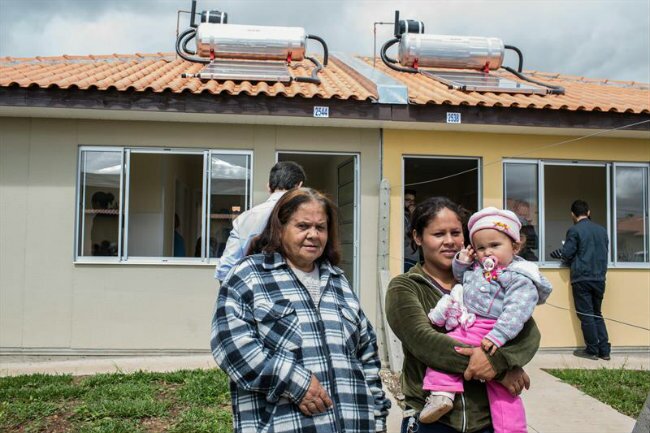
Com investimento do MCMV de cerca de R$ 4 milhões, em dezembro passado saiu do papel o conjunto habitacional Moradias do Nilo, o primeiro da cidade com sistema de aquecimento solar. São 66 casas com placas de vidro nos telhados, que se conectam a um reservatório térmico ligado à caixa d’água e aquecem a água para banho.
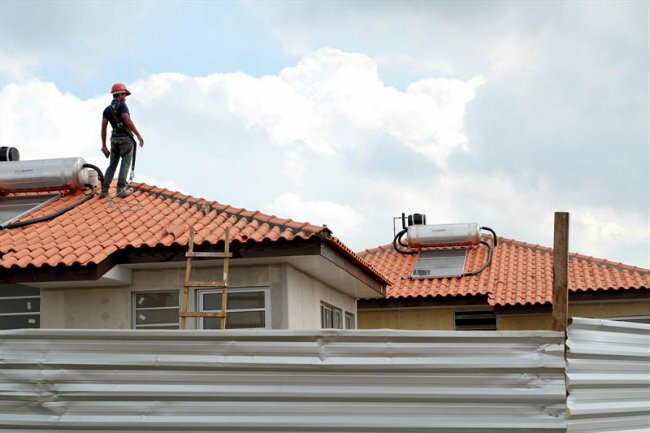 O equipamento reduz em até 50 por cento o consumo de energia elétrica e representa menos de cinco por cento do capital aplicado no empreendimento, construído pelo método wood frame, que substitui o uso de tijolos por painéis prontos de fábrica. Os painéis utilizados contêm malhas de garrafa pet que, entre outros benefícios, garantem isolamento térmico, evitando o uso de aquecedores no inverno — outra economia favorável aos moradores e ao meio ambiente.
O emprego de tecnologias fotovolaicas em geral ainda é tímido em Curitiba, mas tem ganho força com o programa Smart Energy Paraná, que estimula a microgeração com fontes renováveis próxima ao consumidor e sua integração a Redes Elétricas Inteligentes. A ação, estadual, é reforçada por incentivos fiscais do governo nacional, que também tem movimentado o setor através de uma legislação específica sobre pesquisa e desenvolvimento.
Assinada no ano 2000, a Lei 9.991 determina que concessionárias, permissionárias e autorizadas de serviços públicos de distribuição de energia elétrica apliquem pelo menos 0,50 por cento de sua receita no incremento de eficiência para benefício dos consumidores. Em atendimento à disposição, a Companhia Paranaense de Energia (Copel) — que, com complexo próprio de usinas, gera e distribui energia elétrica para toda a área urbana do Paraná e para 90 por cento da zona rural — criou o Programa de Eficiência Energética, que já beneficiou milhares de cidadãos.
Em 2012/2013, a Copel investiu pelo menos R$ 100 milhões em projetos de eficiência energética destinados à população de baixa renda. Entre outros, instalou ou substituiu sistemas de iluminação e de aquecimento de água — inclusive por placas solares — em comunidades isoladas, aldeias indígenas e ONGs, além de ter aplicado outros R$ 40 milhões em ações vinculadas ao poder público, em mais de 170 escolas públicas e hospitais.
Ao mesmo tempo que o governo federal estimula a inovação no setor elétrico em Curitiba, intensifica alguns de seus principais problemas. Um exemplo é a crise atual no transporte público — ao passo que uma campanha nacional incentiva a aquisição do automóvel próprio. A contradição é ilustrativa da cidade, que sempre teve uma capacidade invejável de mostrar resultados, enquanto a área periférica sempre sofreu com extrema precariedade. Close.
Foto: Prefeitura de Curitiba
Permalink to this discussion: http://urb.im/c1504
Permalink to this post: http://urb.im/ca1504cup
Brazilian government boosts inclusion and energy innovation in Curitiba
Andréa Azambuja, Curitiba Community Manager
Curitiba is considered a "model city" in Brazil, recognized even internationally. With the 10th highest HDI among 5,565 municipalities, it has just been ranked as the "greenest" city in the country and in all of Latin America by the Green City Index report, among other honors.
This doesn't mean that Curitiba, the capital of the state of Paraná, doesn't face serious socio-economic problems. Recently the French newspaper Le Monde published an article beginning with the phrase "It's the end of a myth," highlighting the city's most pressing issues, such as security. Apparently, though, energy efficiency and inclusion is not one of them.
But while 99.98 percent of Curitiba's residents living in households have access to electricity, those living in settlements or illegal dwellings remain overlooked. And while Paraná is the country's largest power producer, it often experiences problems in its hydropower-based supply system.
To achieve full energy inclusion and to leverage its innovative capacity, Curitiba has been counting on federal government initiatives. One of them is "Minha Casa Minha Vida" (MCMV, or "My House My Life"), a housing finance program for low-income families that requires compliance with environmental measures.
Thanks to an MCMV investment of USD $1.3 million, the social housing project "Moradias do Nilo" was built last December — the first one in Curitiba with a solar heating system. All 66 homes have flat plate thermal systems on the roof for heating water.
The equipment reduces energy consumption by 50 percent and represents less than five percent of the capital invested in the project. The homes were built using the wood frame method, replacing bricks with prefabricated lightwood frames. The frames contain mesh made from recycled plastic bottles, which, among other benefits, provide thermal insulation, avoiding the use of heaters during the winter — another money-saving aspect that is good for both residents and the environment.
Use of the photovoltaic cell technology, while still incipient in Curitiba, has gained strength with the "Smart Energy Paraná" program. The project encourages micro-generation from renewable sources close to the consumer and integrates with Smart Grids. The plan is enhanced by tax incentives from the Brazilian federal government.
The federal government has also been boosting the energy sector through research and development legislation. Enacted in 2000, Act No. 9991 prescribes that concessionaires, licensees, and authorized companies providing public electricity services must invest at least 0.5 percent of their revenue in increasing efficiency for the benefit of consumers. To comply with the law, the Companhia Paranaense de Energia (Copel), which generates and supplies electricity to Curitiba with its power plant complex, created the Energy Efficiency Program to the benefit of thousands of citizens.
In 2012 and 2013, Copel invested at least USD $30.9 million in energy efficiency projects for low-income populations. It installed or replaced lighting and water heating systems, including solar panels, in isolated and indigenous communities. Copel also invested USD $12.4 million in programs in partnership with the government, including more than 170 public schools and hospitals.
While the federal government encourages innovation in the electricity sector in Curitiba, it also intensifies some of its main problems. An example is the current crisis in public transport, while a nationwide campaign encourages the purchase of cars. This contradiction paints a good picture of Curitiba, which has always had an impressive ability to show results while the outskirts remain underserved. Close.
Photo: Curitiba Prefecture
Permalink to this discussion: http://urb.im/c1504
Permalink to this post: http://urb.im/ca1504cup

 April 2015 — Within global conversations about empowering the poor, one critical area for urban policies and programs is the question of literally powering poor communities. Light, heat, and energy are essential resources that can enhance opportunities in education, health, and employment, as well as the general quality of life. Poor communities tend to lag behind richer neighborhoods in terms of access to energy, but financial constraints and weaker traditional infrastructure also make them ideal sites for piloting sustainable energy infrastructures that can serve as models for the rest of the world.
 Poverty, the corporate sector, and South Africa's energy crisis: a solar-powered light and Internet access for those with little or no access to electricity
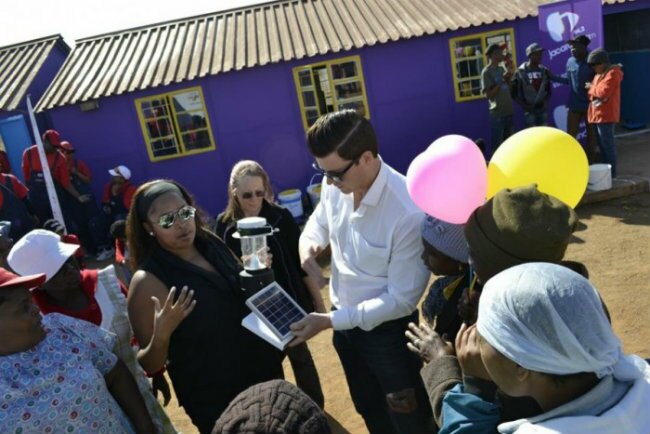 With energy firmly in the spotlight, corporate social responsibility (CSR) is slowly emerging in the private sector as one avenue that has begun to respond to these challenges. The concept of CSR, though, is still very much in its infancy in South Africa and remains essentially voluntary. A
 Aquecedores solares de baixo custo se espalham por São Paulo
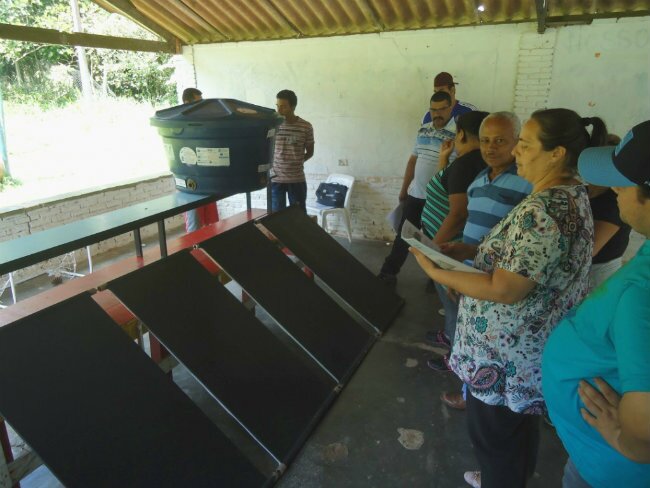 Como ocupam áreas de preservação permanente e mananciais, com solo contaminado ou terrenos públicos, estas comunidades permanecem ilegais por muito tempo, sem contar com ajuda do governo. Para compensar a falta de serviços básicos, ONG criou sistema para aquecimento de água que dispensa energia elétrica.
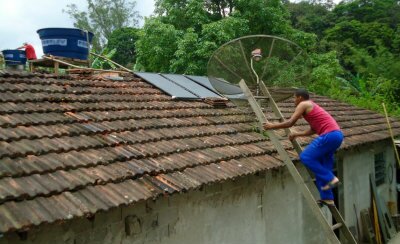 Esta é uma opção muito mais segura do que métodos populares para aquecer água com energia elétrica, como o "rabo quente". A técnica foi comum entre os moradores da favela Vila Nova Esperança, na zona oeste da cidade, que esperaram por mais de 50 anos até que o fornecimento de energia elétrica fosse regularizado. Até 2014, os consumidores “clandestinos” recorriam a "gatos", o que não oferecia energia suficiente para um chuveiro elétrico funcionar. Lia da Nova Esperança, como é conhecida a líder da associação de moradores, explica como usar o "rabo quente": "primeiro coloca a resistência num balde com água e depois na tomada, senão explode".
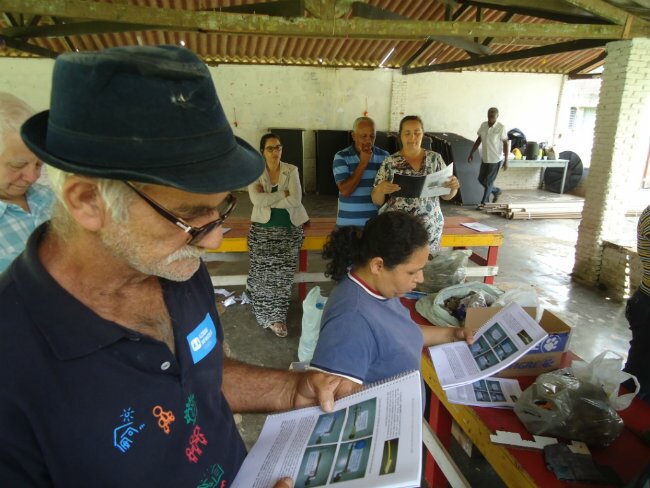 Para construir um ASBC precisa-se de pelo menos duas pessoas com alguma experiência em construção civil. O sistema é composto por caixa d’água revestida com isolante térmico, como isopor e manta aluminisada, para não ficar exposta ao vento. O reservatório armazena a água aquecida pelo sol nos coletores, feitos com forro de PVC modular e sem vidro. O custo por sistema é de aproximadamente R$850.
 Collaboration and innovation for affordable energy
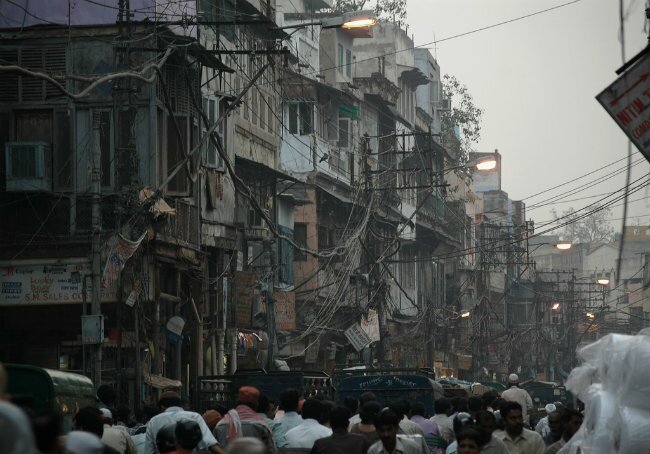 The first case highlights the reasons for which the energy companies often neglect the urban poor — despite the fact that they live right next door to modern energy services, and the relatively low cost of extending the grid. There are genuine business obstacles, such as unpaid bills and higher initial cost of connection. But according to research by the Delhi-based NGO Integrated National Development Centre for Advancement Reform and Education Trust (INDCARE Trust), a high proportion of slum households also have illegal connections, amounting to electricity theft. In 2003, the organization was approached by USAID and North Delhi Power Limited (NDPL) to build upon this research and assist in implementing an energy access project in the Bhalla Factory slum of New Delhi. What they did next is incredible.
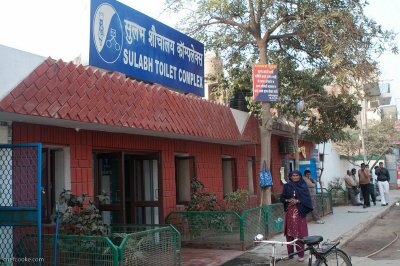 The second case highlights how simple technological innovations, combined with a financial model and able leadership, can help provide better basic services to the poor. A social service organization, Sulabh, is quite well known in Delhi for providing public toilets. The organization decided to develop technologies to provide public toilets linked with a biogas plant and effluent treatment system, for the complete recycling and reuse of human waste. There are about 6,000 community toilet complexes, which serve about 12 million customers daily. Out of these, 100 have biogas plants linked to them.
 Potensi biogas menjadi energi
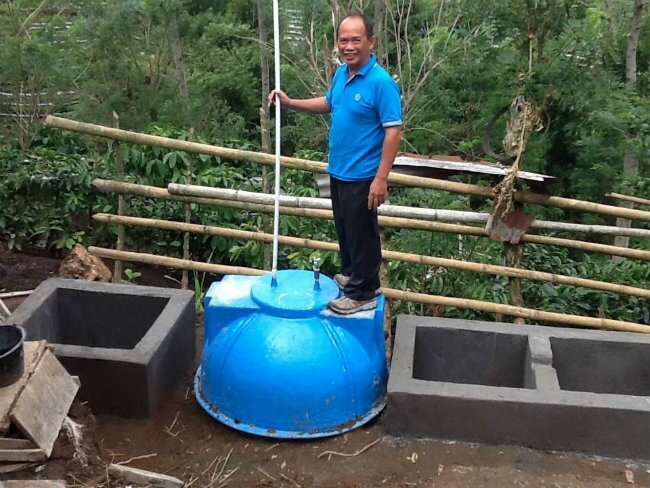 YRE bertujuan untuk mengembangkan dan mempromosikan energy terbarukan sebagai solusi untuk meningkatkan ketahanan pangan dan energy terutama bagi masyarakat miskin sebab selama ini mereka banyak bergantung pada bahan bakar fosil tradisional dan sumberdaya alam lain seperti kayu bakar dan batu bara yang cenderung lebih murah. Oleh karena itu YRE mendorong masyarakat menggunakan tenaga alternative menggunakan sumber daya yang tersedia disekitar mereka melalui program Biru yang diinisiasi oleh Hivos dan SNV. Program biru mempromosikan penggunaan rekator biogas sebagai sumber energy lokal yang berkelanjutan dengan mengembangkan pasar. Pasar menjadi faktor penting sebab bagaimanapun teknologi tersebut digunakan untuk menciptakan lapangan kerja dan meningkatkan taraf hidup mereka.
 Light up Nigeria
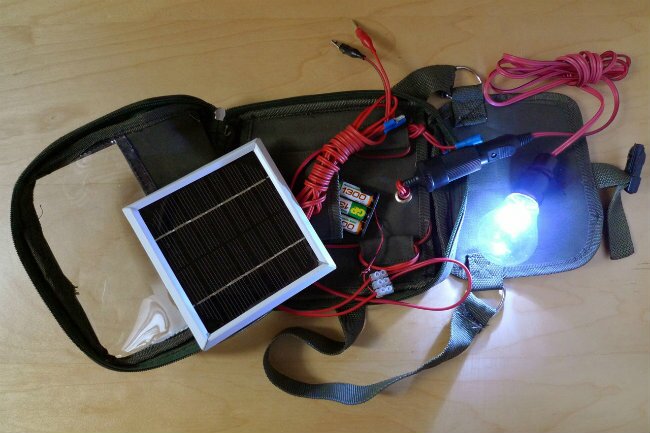 In 2014, President Goodluck Jonathan inaugurated the pilot phase of "Light-Up Rural Nigeria" in three peri-urban communities in Abuja with a pledge to ensure constant power supply. The project is one of the many under the national renewable energy program headed by the Ministry of Environment and the federal government. It aims to use renewable energy to provide electricity to communities across Nigeria, especially communities not connected to the national grid. The overall goal is to provide clean, cheap and reliable renewable energy that would address both climate and power challenges in Nigeria.
 Educando sobre la necesidad de un consumo energético responsable
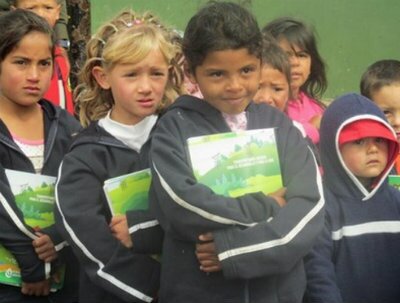 En Bogotá se han llevado a cabo varias iniciativas destinadas precisamente a mejorar el conocimiento de los bogotanos sobre estos temas. El Programa de Energía Limpia de Colombia (Colombian Clean Energy Program, CCEP), un proyecto de USAID, ha lanzado el denominado Proyecto Educativo y Demostrativo de Energía Limpia para el Jardín Botánico de Bogotá. Una vez concluido, el Jardín Botánico contará con una planta de gasificación de biomasa que suministrará hasta el 30 por ciento de la energía consumida y con un sistema de 39 paneles solares interconectado a la red. El proyecto tiene un fuerte componente educativo, por lo que se creará un paseo ecológico e interactivo. Por ejemplo, se instalará una cascada en la zona dedicada a los páramos, cuya bomba de agua estará impulsada por la energía de los paneles solares. La eficiencia energética será uno de los temas destacados en el paseo ecológico.

 Solar energy companies focus on the needs of the urban poor
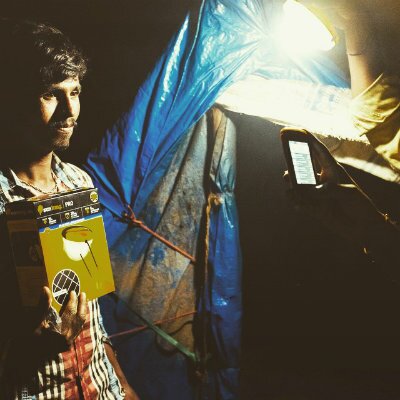 Bangalore's urban poor also face many severe energy challenges. Despite living in the IT hub, slum dwellers often live off the grid and survive by using toxic kerosene lamps for daily needs, including running their households, maintaining businesses, and studying. The World Health Organization has linked the employment of kerosene for household use to four million premature deaths worldwide. Women and children are adversely impacted because of the inordinate amount of time they spend at home. Furthermore, the dangerous, polluting energy source is not even an economical alternative. "The poor do not use kerosene because it is cheap," says a Yale study on the need for better solar access. "They are kept poor in significant part because they must rely on expensive, dirty kerosene."
 Iniciativa de techos verde en la Municipalidad de Chacao
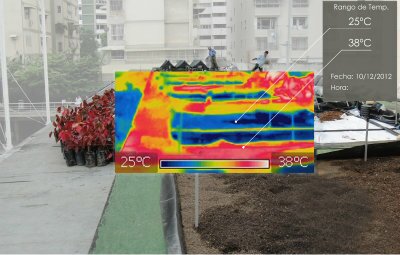
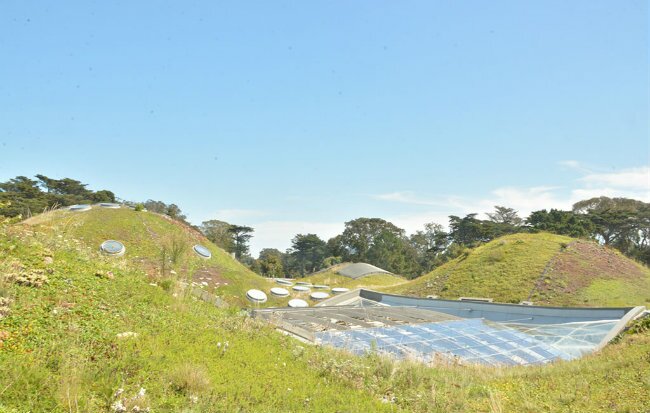 El proyecto se inició en respuesta a la iniciativa de sostenibilidad de la Municipalidad a través de la Dirección Cultural y Ambiental. El diseño arquitectónico del jardín de la azotea fue encargado a Yerbabuena Paisajismo Integral, una firma de arquitectura local especializada en el diseño, construcción y mantenimiento de superficies verdes. Al mismo tiempo, el Instituto de Desarrollo Experimental de la Construcción de la Universidad Central de Venezuela proporcionó el apoyo técnico para medir la cantidad de energía ahorrada después de la construcción del techo verde.
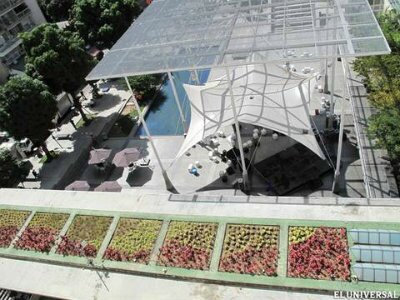 El techo verde de la Biblioteca de Los Palos Grandes cubre un área de 124 metros cuadrados y ha contribuido a reducir la temperatura en el interior del edificio entre 5 y 8 grados centígrados. La disminución de la temperatura ha ayudado a reducir el uso de aire acondicionado en el interior del edificio no sólo disminuyendo el consumo de energía, sino que también extendiendo la vida útil de las máquinas de enfriamiento. Los beneficios del techo verde son múltiples: contienen 75 por ciento de agua de lluvia que luego se evapora en lugar de desbordar los sistemas de drenaje público, reducen la temperatura en la ciudad evitando las islas de calor (que es un problema importante en Caracas durante la estación seca) y proporcionan techo terrazas para el ocio y la recreación.
 Para continuar replicando los techos verdes, las políticas públicas pueden tener un papel importante. Ciertos impuestos podrían reducirse o dar beneficios constructivos. Sin embargo, en una ciudad donde las zonas más pobladas y densas son asentamientos informales, parece fundamental desarrollar estrategias de techos verdes de bajo costo que pueden ser auto-construidas en pequeñas casas y no sólo ser sostenibles, sino también proporcionar nuevos espacios de ocio y recreación.
 Energía alternativa contra la pobreza
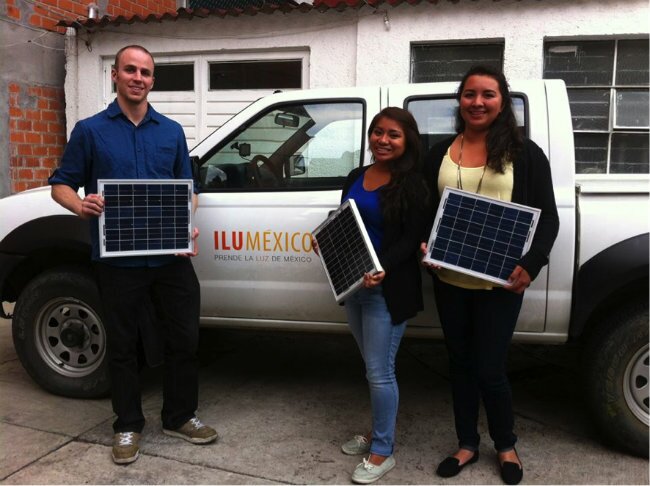 El Gobierno Federal, a través de la Secretaría de Desarrollo Social, generó a una estrategia complementaria al Programa Oportunidades, que tiene presencia en el DF. Este programa entrega apoyos en efectivo a las familias beneficiarias con el propósito de contribuir a la ruptura del ciclo intergeneracional de la pobreza, de manera que mensualmente se entregan apoyos para alimentación, salud y educación. Dentro de estos apoyos se considera mensualmente $50 pesos por familia para compensar los gastos realizados en el consumo de fuentes de energía como: luz, gas, carbón, leña, combustible o velas.
 সৌর বোতল বাতি: আলোকজ্বল দরিদ্র বাসভবন
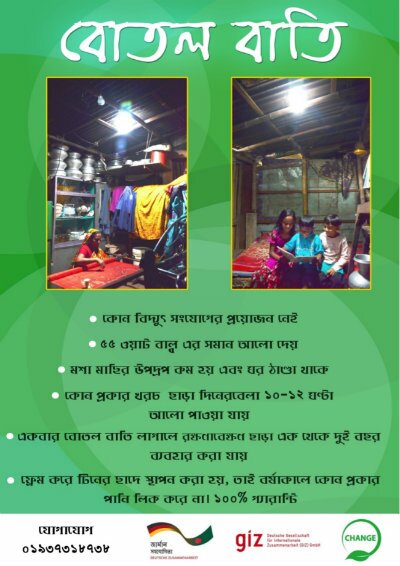 বোতলবাতি প্রকল্পের উদ্যোগ ২০১২ সালে শুরু হয় যখন এনভায়োরনম্যানটাল ম্যানেজমেন্ট’এর স্নাতক ছাত্র, সাজিদ ইকবাল এমআইটি ছাত্রদের সহযোগিতায় একজন ব্রাজিলিয়ান সংস্কারক, আলফ্রেডো মোযার’এর 'লিটার অফ লাইট' – এর উপর একটি ফেসবুক ভিডিও দেখে অনুপ্রাণিত হন। সৌর বোতল সস্তা এবং পরিষ্কার পানি ও অল্প ক্লোরিনে ভরা প্লাস্টিকের বোতল দিয়ে তৈরি।বোতলগুলো তারপর টিনের পাত এবং ওয়াটারপ্রুফ আঠার সাহায্যে ছাদের গর্তে এঁটে দেওয়া হয়। সৌর বোতলগুলো সূর্যালোক প্রতিসৃত করে এবং ৫৫ ওয়াটস উত্পাদনের মাধ্যমে সম্পূর্ণ রুম আলোকজ্জ্বল করে রাখে।
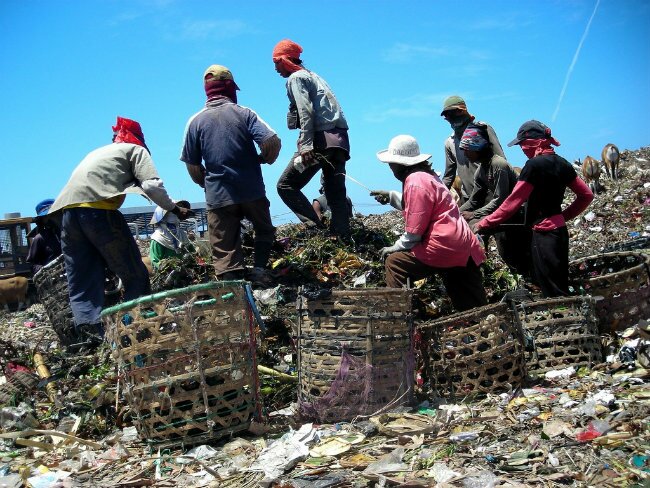 Jumlah sampah Surabaya per hari kini mencapai 1.300 ton yang ditampung dalam Tempat Pembuangan Akhir (TPA) yang tersebar di beberapa lokasi. Penerapan teknologi nol sampah mampu mengolah air limbah sampah dan mengubah sampah kota menjadi kompos dan bahan pembangkit listrik. Beberapa jenis sampah juga di daur ulang menjadi bahan bernilai ekonomis. Dengan pembangkit listrik berbahan sampah, Surabaya telah mampu menghasilkan listrik berkekuatan 40.000 watt. Dengan potensi jumlah sampah yang kian bertambah, pemerintah akan segera menempatkan pembangkit listrik tenaga sampah di dua lokasi lain sehingga dengan energi listrik yang dihasilkan dapat membantu lebih banyak warga.
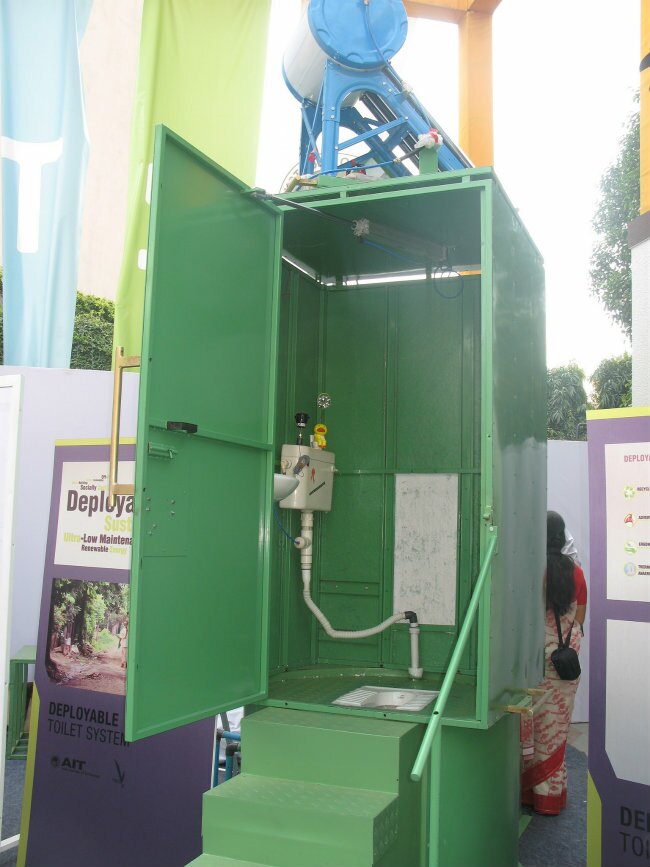 "The condition of these community toilets is truly shocking," write Shoumeli Das and Payal Tiwari, a fellow at the Observer Research Foundation Mumbai who recently created a documentary about the deplorable state of Mumbai's toilets called "Toilet Torture." "According to a recent survey conducted by the Brihanmumbai Municipal Corporation, 58 percent of the community toilets in slums have no electricity and 78 percent have no water!"
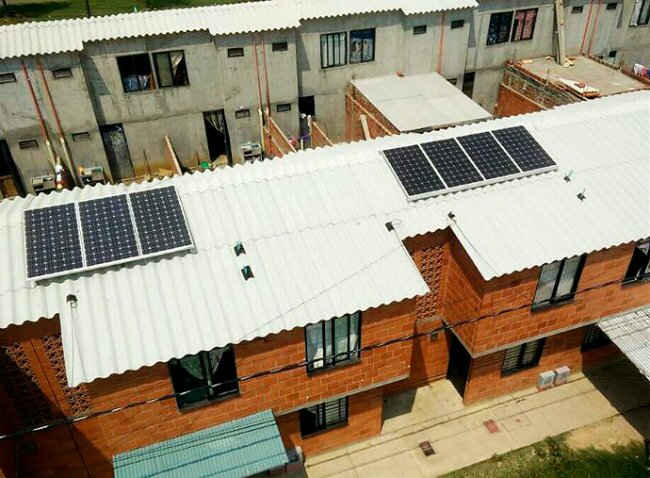 En Cali, como en el resto de Colombia, existe un sistema de subsidios cruzados, mediante el cual los barrios con mayores recursos económicos pagan cuotas adicionales en beneficio de los barrios menos acomodados. Además, el ministerio de Industria también entrega a las empresas de electricidad subsidios energéticos. La disponibilidad de estos recursos hace posible explorar la posibilidad de utilizar energía fotovoltaica, que sigue sin ser rentable por sí sola en este tipo de viviendas.
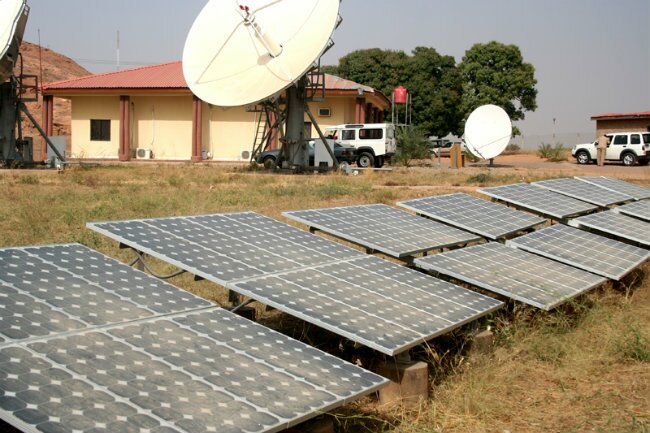 In a recent effort to improve health care facilities and services, the city is embarking on a project to ensure the steady supply of power to a number of these facilities. Moving away from the use of heavily polluting diesel-powered generators to supply energy, infrastructure is being put into place to address the challenges of power supply in the health care system. The city has seven completed Maternal and Child Centers with 24-hour Primary Health Care service infrastructure, in Ikorodu, Ifako Ijaiye, Isolo, Gbaja, Ajegunle, Amuwo, and Igando. The innovation is not in the 24-hour powered health care service, however, but in the mode of providing the energy to support uninterrupted clinical services. The norm of covering power supply shortages at public facilities with diesel-powered generators is being abandoned in favor of solar power. The city is thus putting into place mechanisms to power the seven Primary Health Care Centers through solar energy. One hundred seventy-two schools across Lagos State will also be powered by solar energy by June 2015.
 Ao passo que organizações independentes a exemplo do Insolar e do Greenpeace lutam por conta própria para instalar placas solares em comunidades carentes e combater a exclusão energética aproveitando o sol tropical, uma lei federal aprovada em 2010 tem fomentado investimentos numa outra fonte sustentável e acessível.
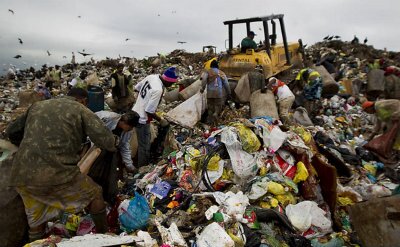
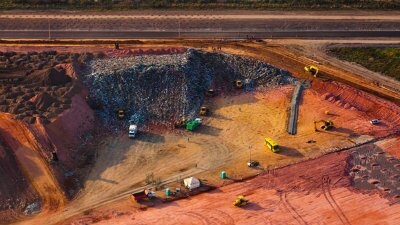 A bioenergia gerada em Gramacho por enquanto é destinada a uma refinaria de petróleo, a Reduc, mas a expectativa é que em breve abasteça também seus arredores, compostos por bolsões de pobreza. O mesmo deve acontecer no Gericinó, outro grande lixão que foi encerrado e está em obras para gerar energia — num futuro próximo, deverá fornecer biogás para escolas públicas e um complexo penitenciário próximos —, e no próprio Seropédica, que também terá usina do combustível.
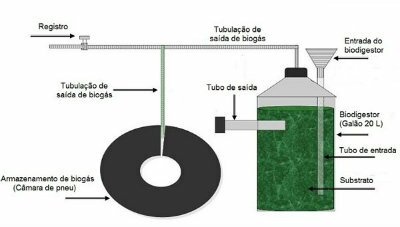 A produção do biogás ainda é embrionária no Brasil e precisa evoluir. Quando está atrelada ao lixões, por exemplo, deveria estar acompanhada de uma política de inserção de catadores no mercado de trabalho. Alguns especialistas também questionam sua eficácia para resolver o problema no setor elétrico e apontam custos altos. Apesar dos obstáculos, é uma alternativa pertinente para fortalecer os esforços na luta pela inclusão energética, especialmente no atual contexto de calamidade ambiental — uma alternativa que certamente tem muito potencial a ser explorado, tanto em macro quanto em micro-escala.
 Locally produced cook stoves promote energy efficiency in Malawi
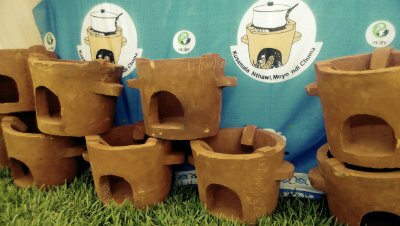 This is a serious issue in a country where less than 10 percent of the population is estimated to have access to electricity. In Lilongwe, the cost of electricity and, significantly, the cost of electricity connections, means only nine percent of households are connected to the parastatal provider ESCOM, and, inevitably, those represent the wealthier households in the city. This leaves Lilongwe's poor, like most of the country, to rely on using biomass — wood, charcoal — for cooking and heating needs. Although wood can be a sustainable source of energy, heavy reliance on biomass in Malawi has myriad negative impacts: extensive deforestation, respiratory illnesses (especially among women and children who are subjected to air pollution), fire hazards, and burdens on the already meagre incomes of the poor.
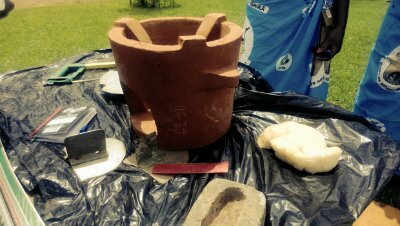 While any household using the stove will benefit, there are reasons the urban poor in particular can gain from using improved stoves. As there is a limited amount of firewood available for collection in Lilongwe and wood must therefore be bought, lower fuel consumption results in direct savings for poor households. According to the Maeve Project, which promotes the stoves in both rural and urban areas, the "[c]hitetezo mbaula saves one ton of wood per household per year." In addition, given the cramped living conditions in some of Lilongwe's poor settlements, a reduction in air pollution while cooking is likely to have a relatively larger positive impact in urban than rural areas.
 التقنية الخضراء منزلية الصنع المُعاد تدويرها: أداة للتنمية المستدامة في الأحياء الفقيرة بالقاهرة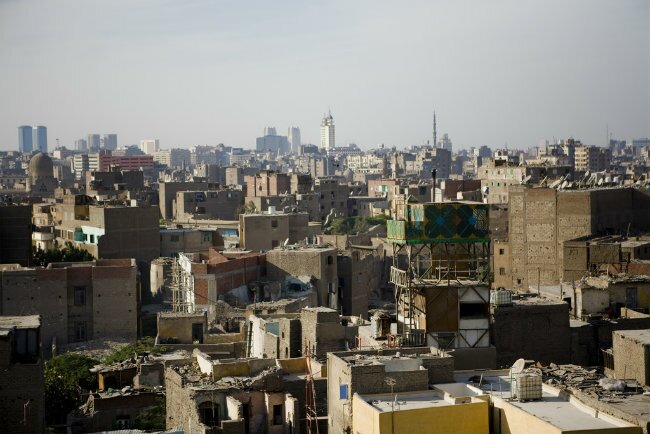

 Sửa chữa điện miễn phí cho hộ nghèo: Cải thiện cũng là một phần của Sáng tạo
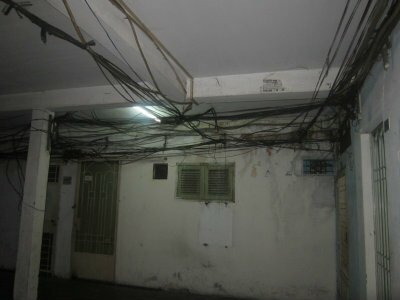 Không đủ tiền cho một bóng đèn mới
 From waste to renewables, how one organization is working to transform life in Nairobi's slums
 In a prior article, "
Comments
Free maintenance of existing electric facilities
Nice article Tam. Indeed, and as you stated here, green living is not only about applying new methodologies rather it can lie in improvement, fixing and maintenance. We have here in Egypt a big problem in regard to lack of education on "power saving" and replacing old wires for example with new electrical wires as a mean to save energy. It is good point really to be indicated here and great that an article pointed to this issue which usually exists in undeveloped countries of South.
Youth Union's in Ho Chi Minh City
Hey Tam, I agree with Shaima you raise a critical point about also investing in the maintenance and upkeep of existing systems. For many households investing in newer "green" technologies may be prohibitive and often there is extensive [if decaying] energy infrastructures that the poor are reliant on. Providing services to families while also employing and training youth workers is such a cool aspect of Vietnam Electricity's approach. It is encouraging to see them engaging with not only the youth but ensuring that services are directly targeted to impoverished households. This is often the last group that is accounted for by state-controlled enterprises anywhere in the world. The direct outreach to landlords is also an innovative approach that removes some of the burden placed on the individual household and holds landlords accountable to their tenants in a unique way that has direct benefits to both parties.
SolarCities Iniatives in Cairo
Shaima, I really was inspired by the initiative you covered this month. The re-proposing of waste materials to provide sustainable energy solutions is an innovative field by necessity, but to often high-cost inputs prohibit access to low-income populations as Tam points out in her article. The group you cover not only addresses the problem of waste but does so in a manner that transforms trash into an asset. As our cities continue to become more dense these types of solutions will become more critical. Thanks for sharing about this project.
Project scale?
Shaima, interesting article as Hilary points out. I was just wondering if there are efforts under way to scale up the project you describe? Or was it a one-off or pilot? 20 households is great but really just a drop in the ocean, and I've noticed that (generally) many of these kinds of innovative projects fail to scale up to really make a wider difference and become real energy (or other) options.
Challenges to scale
Nora, you bring up a good point about how to move pilot projects to scale. I was thinking about the same thing as I was writing my piece on the solar-run toilet block in Mumbai. It's a project that receives a lot of attention, both in the city but also internationally. It has won a few awards, etc. But, despite all the attention and its obvious potential, there hasn't really been much success replicating the project elsewhere in the city. So, it's a good question--what do great pilots need to scale up? Political will? A viable financial model? For a toilet block, for example, where do they get the initial investment for the solar panels? I know that when I was working with a safe water NGO, how to scale up was always the big question. Even bigger, though, was how to sustain those projects long-term. It's more than just widespread replication; interventions need to be able to be repaired and maintained and have the funds to do so. Good point--thanks for reminding us that highlighting pilots are great but it's just as important to think about how their reach can be expanded sustainably.
Brazil's Biogas Push
Hey Andrea, this month I looked at Biogas among informal settlements at a small scale that also provided local organizations and individuals with income-generating opportunities and revenues to cover the cost of upkeep in slum facilities. Your article on Brazil was really encouraging as it highlights how this same technique can be used on a large infrastructure scale to tackle city-wide waste management issues. I was surprised by the criticisms regarding cost the project received. On a small-scale the cost benefit to citizens in accessing energy in Nairobi was significant. I wonder if that was linked to a local centralized site that individuals had to physically go and access themselves. It would seem that converting existing natural gas and oil infrastructure to handle biogas would be minimal and the cost able to quickly be recaptured once such a system is operational. It would be interesting to see what [if any] companies or energy sectors are represented by those critics.
Energy Upgrade in Lagos
Olatawura, your article really hits home about the issue of politics, access and availability of key services to poor individuals and how large-scale infrastructure investments can be derailed by political interests that are not well aligned with the needs of the citizens. Solar-powered street lamps, and lighting in general for slum residents is so critical. The link between street lighting and violent crime victimization is well established. It is encouraging to see organization like the World Bank getting involved, do you know if they are providing these slum upgrading services on a grant or loan basis? Energy diversification has increasingly be recognized by environmentalists and industries in the energy sector as a pro-growth and sustainable approach to ensuring that electricity can be provided at a consistent and stable rate. As you point out though, keeping the political in check to insure that access for all is the primary motivator remains a significant challenge in many countries.
I believe the World Bank
I believe the World Bank funding for the project is an investment loan. I couldn't agree more with your comment regarding the link between power supply and violent crime, and energy diversification for sustainable supply. Often not widely discussed is the secondary benefits accrued from power supply such as reduced crime when the issue of energy and power supply is discussed. Also, often ignored is the human variable in the sustainability of energy supply and saving which Tam's article on HCMC highlights nicely. Maintenance and an understanding of how to use energy efficiently is an aspect of energy solutions that needs to be discussed more often especially for developing countries with poor maintenance cultures. Focusing on maintaining current infrastructure and energy source can be a solution to improving supply and access, I know for Nigeria this much is true.
Bi-Directional Solar Energy in Cali
Jorge, I was really interested by your comment on the bi-directional energy capture that the solar units allow for. Many household level or closed solar systems only provide electricity to an individual unit and as a result end up "wasting" a lot of potential energy due to a lack of storage capacity. By integrating the surplus energy into the overall grid it sounds like EMCALI will find some significant benefits from the systems that allow them to expand serviced to additional households and further cut the costs of electricity for all households.
Hi Hilaryzainab, one of the
Hi Hilaryzainab, one of the main issues that underlie all of the alternative energy generation systems discussed this month is cost. In fact, even though cost of solar energy generation is plummeting, as cost of photovoltaic panels falls, it is still not competitive. What may tip the balance in Cali is that electricity is already subsidized. Directing those subsidies towards the installation of solar panels might be a smart decision, but in this particular project the beneficiaries would not be the final consumers (their subsidized cost would not go down), but the entities that pay up the subsidies. This is an interesting approach from a financial viewpoint. It also does not encourage an increase of energy consumption by the users. Of course, it also brings about the benefits of greener energy consumption. I will follow up on the pilot, and let the URB.IM community know if it ultimately proved successful.
Thanks for your comment!
Brazil's Biogas Push
Hi Hilary,
Sorry for taking so long to reply. When you said you would write about biogas I was very curious, and I was pleased to see that this new alternative is already making the difference in Nairobi!
When I mentioned that some experts pointed out high costs in the production of biogas, it was indeed related to macro-scale projects, to big production centers. According to some industry researches (and I think maybe this is a general understanding), the production of biogas in much more expensive than using fossil fuel, while it has a lower thermodynamic efficiency.
Seropedica, for example, cost R$ 4 million to be constructed but has a lifespan of only 25 years, then it has to be shut down; the costs related to the waste management (the garbage travels long distances until reaching the final destination) is huge, accidents happen a lot (what consume more money)... at the same time that "In a time of crisis, the price of biogas in the spot market is above R$ 600 the megawatt / hour, while wind power, for example is R$ 100 a megawatt / hour", according to the Electricity Sector Study Group (Gesel) from the Federal University of Rio de Janeiro (UFRJ).
Nevertheless, Seropedica is still a model in the country, and most industry researchers agree that biogas can be a great solution considering our environmental conditions and support investments in this technology – lots of them, however, say that it is a relevant part of the solution, but just a restricted thing. Probably that's because it's still something really new and that needs to evolve a lot, I don't know. What I can say is that, at least in small-scale projects, it sure seems that the great potential of biogas is being confirmed everyday without any doubts, and that is a good start :)
Did I answered your question? I'm not sure :) I was looking for some articles in english to send you and found this page where you can explore the subject if you want: https://energypedia.info/wiki/Macro-economic_Evaluation_of_Biogas_Plants
Waste fueled power plants are profitable?
Hi Widya, I was wondering if the power generated with waste in Surabaya is competitive in cost, or if it requires public subsidies to persist. Thanks!
Cairo Initiative
Hi Shaima,
I join the voices commending your article. Simple, almost home made technological solutions to energy needs is in fact the holy grail. I loved the idea of home made solar panels, built with recycled materials. Gas ingestors are also a clever approach to cooking gas supply. Still, 500$ might be a prohobitively expensive proposition for most lower income houses. Some form of support will have to be given by the government or NGOs.
Scaling alternative strategies for sanitation
Carlin, thanks for your article it shows a very innovative and creative strategy for addressing the problem of sanitation through alternative energy. It is very interesting that international organizations are developing sustainable solutions; is there any interest for scaling the project through the alliance of these actors and government in order to increase the coverage?
SolarCities Initiative-Cairo
Dear Hilary, Nora and Jorge
Thanks all for the encouraging comment and sorry that I took some time to get back to you as I was abroad with limited internet access.
Indeed, I was also inspired by Solarcities initiative. And as Hillary and Jorge stated the project has to be scaled up and some funding has to be facilitated for the household owners. 20 households is still a limited number. I actually was able to write to some NGOs here in Cairo to let them know about this initiative which was done on privately base with limited government or local support, so they can promote the idea, so the households' waste turn to be a real source of energy in low income areas.
I am glad that you enjoyed it and thanks for sharing your stories.
Add new comment