 Segurança no Rio de Janeiro — o caso das UPPS
Eliana Barbosa, Coordenadora da Rede em Rio de Janeiro
Além do samba, o Rio de Janeiro possui uma imagem fortemente ligada à violência e ao tráfico de drogas em suas áreas informais. Muitas das favelas cariocas, estigmatizadas como das mais violentas do mundo desde a década de 1970, vêm passando por um importante processo de transformação nos últimos anos, ligadas á questão a segurança e uma maior presença do Estado nesses territórios. Precedendo a realização de obras de infraestrutura urbana — ligadas aos serviços e equipamentos urbanos — iniciou-se, através da secretaria de segurança pública do Estado do Rio, um controverso programa de "pacificação" dessas áreas, com o objetivo de resgatá-las da influência do crime organizado e das milícias, marcando a presença do Estado em territórios nos quais o mesmo sempre esteve ausente.
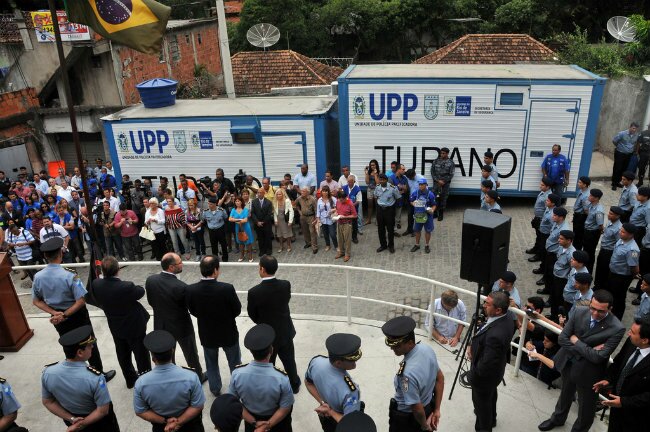 Iniciado em 2008, o programa trata da ocupação permanente dos territórios informais mediante uma Unidade de Polícia Pacificadora (UPP), com bases de policiamento avançado instaladas em comunidades dominadas pelo Tráfico na cidade. De acordo com dados da Secretaria de Segurança Pública do Rio, nos seis anos de existência do programa foram instaladas 38 UPPS em favelas da cidade, envolvendo cerca de 10.000 policiais.
Apesar das conjeturas sobre as reais razões para a instalação do programa, que vão desde a formalização das áreas com objetivos econômicos, como o aumento da arrecadação fiscal e aumento da receita das concessionárias de serviços públicos — como água e luz — até a reorganização dos setores hoteleiros e imobiliários da cidade, existe certo consenso acerca da melhora na segurança e na diminuição de crimes violentos.
Isso se dá tanto pela própria característica da unidade policial envolvida, semelhante ao conceito de guarda comunitária trabalhando em conjunto com a população, quanto pela adaptação do crime organizado, que passa a agir de forma mais discreta.
Em entrevista para o jornal O Globo, o coronel responsável pela UPP do primeiro território pacificado, o Morro de Santa Marta localizado ao lado do tradicional bairro do Botafogo na zona sul cidade, afirma que essa adaptação é fundamental para a diminuição da violência, alegando que o tráfico de drogas e substâncias ilícitas existe em todas as grandes cidades do mundo, entretanto era no Rio que os traficantes se sentiam a vontade para andar pelas ruas portando metralhadoras automáticas nos ombros. Com as UPPs e a ocupação das favelas essa cena, cristalizada pelo cinema em filmes como Cidade de Deus, já não é comum. O coronel argumenta que foi a ausência do policiamento nas comunidades informais até a década de 1980 que permitiu que o tráfico se desenvolvesse livremente e que as gangues tomassem a proporção que tomaram. As primeiras incursões de retomada, guiadas pelo BOPE, eram sempre muito violentas, um verdadeiro combate entre polícia e crime organizado, com o objetivo de exterminar traficantes, causando a morte de milhares de civis. Com a ocupação permanente, apoiada por ações sociais e a expansão da infraestrutura nas favelas, os confrontos já não são comuns e as ações policiais violentas, apesar de exceções como o caso do pedreiro Amarildo, cada vez menos frequentes.
A chamada pacificação dos morros cariocas, longe de resolver as grandes questões sobre o direito à cidade de seus moradores abre caminho para o acesso a outros serviços e direitos, como saúde, educação e acessibilidade, há muito renegados a esses territórios. Para o melhor ou pior, como sentenciado em 2013 pelo então secretário de segurança pública do Estado do Rio, José Mariano Beltrame: "O Estado entrou, o território é do estado e não vamos sair". Close.
Foto: Secretaria de Assistência Social e Direitos Humanos Rio de Janeiro
Permalink to this discussion: http://urb.im/c1408
Permalink to this post: http://urb.im/ca1408rjp
Safety in Rio de Janeiro — the case of the UPPs
Eliana Barbosa, Rio de Janeiro Community Manager
Apart from the Samba, the informal areas of Rio de Janeiro have an image strongly linked to violence and drug gangs. Many of the slums in Rio, stigmatized as the most violent in the world since the 1970s, had been going through an important process of transformation in the last few years, linked to the safety issues reinforced by a strengthening of the government presence in these territories.
Before the provision and enhancement of urban infrastructure, services, and equipment came a controversial program of "pacification" of these areas, led by the state security secretary, with the aim of rescuing these areas from the influence of organized crime and militias, marking the presence of the state known in some areas where it was historically absent.
Launched in 2008, the program is a permanent occupation of informal territories by a Pacifying Police Unit (Unidade de Polícia Pacificadora — UPP), with advanced police bases installed in communities. According to the Security Secretary of Rio State, in six years of the program, 38 UPPs were installed, involving around 10,000 officers.
There has been some discussion about possible financial goals of the program, transforming these areas into sources of income. This would be done through the increase in tax revenue and the income of public services such as water and electricity and, later, improvements in the tourism and real estate sectors. But generally, there is a certain consensus regarding the actual improvements in safety and the decrease of violent crimes.
This decrease is in part due to the involvement of a local police unit, which reassembles the concept of community guard, working with local residents and improving trust. The program's strength also stems from success in adapting to increasingly discrete organized crime, which heads further underground when there are more policemen around.
In an interview with the O Globo Newspaper, the head of the first UPP at Morro Santa Marta, in traditional Botafogo neighborhood, affirmed that this adaptation is fundamental to decreasing violence, alleging that drug dealers exist in all big cities of the world, yet it was in the slums of Rio that they had felt comfortable enough walking around carrying automatic weapons. With the UPPs and the slum occupation this scene, crystalized in movies like City of God, is not as common. The head of the Santa Marta UPP argues that the absence of police in the informal areas of Rio until the 1980s allowed the sprawl of organized crime. The first initiatives of the police, guided by BOPE (a special force of the military police), were very violent, a true war between the police and the drug dealers, causing a lot of civilian casualties. With the permanent occupation, supported by social actions and the expansion of urban infrastructure in the slums, direct confrontation is not as common and the violent actions of the police, as the famous case of the construction worker Amarildo who went missing after being arrested in an UPP, are less frequent.
The so-called pacification of the slums in Rio, far from solving the wider issues of right to the city for its inhabitants, opens the path to the provision not only of safety, but also other civil rights and public services such as health, education, and accessibility, which were denied for many years in these areas. For better or worse, as said by the Secretary of Public Safety of Rio State José Mariano Beltrame: "The State has entered, the territory belongs to the State and we are not leaving." Close.
Photo: Secretaria de Assistência Social e Direitos Humanos Rio de Janeiro
Permalink to this discussion: http://urb.im/c1408
Permalink to this post: http://urb.im/ca1408rjp

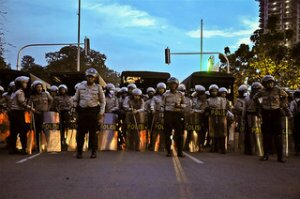 August 2014 — One of the top priorities for building inclusive cities, safety still remains a big challenge in the Global South. Public spaces, work places, and roads are all places of potential danger, and political issues such as militarization and police corruption also result in insecurity. In these contexts, women and children are especially vulnerable.
 Como manter a segurança pós-copa do mundo?
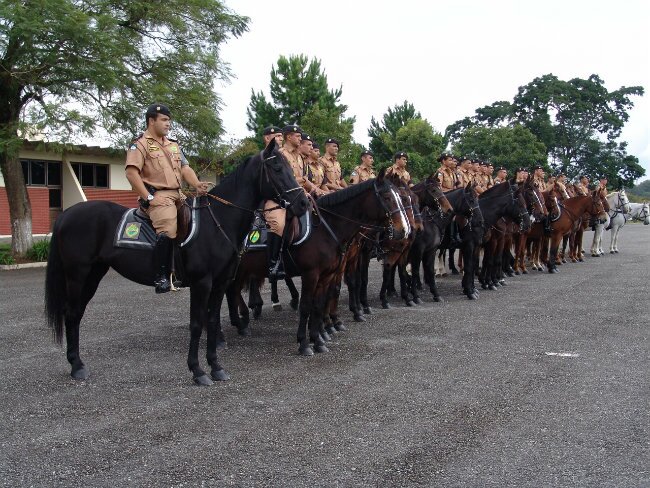 A FIFA se responsabiliza apenas nas áreas oficiais dos eventos, como os estádios, áreas de torcedores e hotéis das delegações, com a contratação de serviços privados de segurança. Porém, a maior preocupação estava nas ruas e no deslocamento dos torcedores. Segundo as diretrizes da Lei Geral da Copa, o Governo Brasileiro apoiou a união de diferentes forças policiais para garantir a segurança das cidades sedes do Mundial.
 City Improvement Districts in Johannesburg: The neoliberal, safe, prosperous; and the informal otherwhere
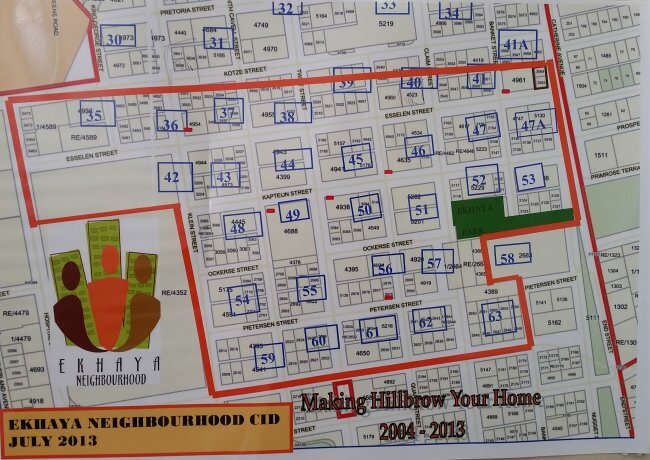 Given that regeneration for big business is a for-profit investment, although they create relatively cleaner and safer environments, they do so only for those who can afford the higher rentals. Urban regeneration, then, does not only involve reinvestment in the built environment but is also a process of gentrification which involves population transition from lower- to higher-class residents. Regeneration therefore must also be read in an ethical context: in relation to its immediate social environment, to the larger context of inequality, and in the broader context of overarching neoliberal economic management priorities.
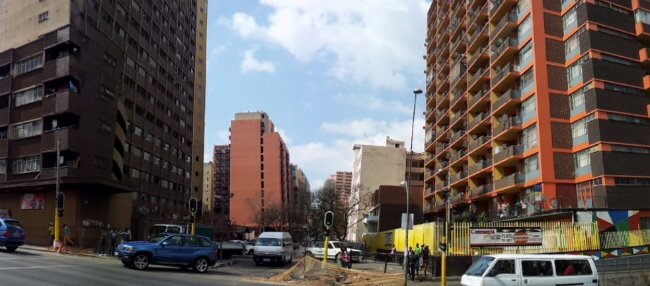 Positive interventions such as those by eKhaya notwithstanding, they are nevertheless based on a neoliberal concept of community which has not adapted to the 'greyness' of the contemporary, post-apartheid condition; particularly in the inner city where the old separations (black / white, rural / urban, residential / business, public / private, etc.) now exist in new and uncertain combinations. Hillbrow, as a case in point, is more than slum and lawlessness, but is a popular, transitional, and continuously evolving public realm which continues to 'thrive' as an important port-of-entry into Johannesburg for migrants, immigrants, transnationals, or refugees. It is therefore questionable how sustainable a neoliberal community model is in this context; in terms of providing workable models that do not exclude, neglect, or shift to elsewhere the urban 'problems' of informality, heterogeneity, and cross-border mobility.
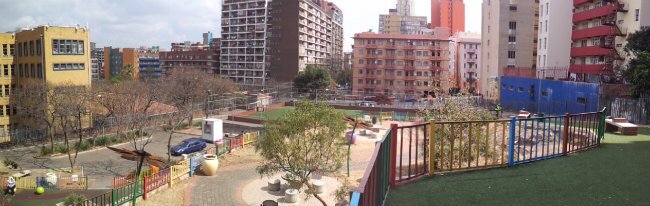 A truly democratic residential CID would mean participation of all stakeholders in its decision-making structure, negotiating a public consensus, and ultimately shaping the public space. In this case it is only the state that can ensure a balance between conflicting interests, while protecting the needs of the most marginalized. However, this would require a conceptual shift in accepting the coexistence of difference in the building of democracy, between lived realities and the City’s vision of a "World Class African City." Spatial practitioners too cannot continue to ignore broader ethical responsibilities, but should bring their design agency to bear upon imagining this new conceptual terrain, in creating places of inclusivity, safety, and opportunity for all.
 مشكلات أمنية تواجهها المرأة المصرية في شوارع القاهرة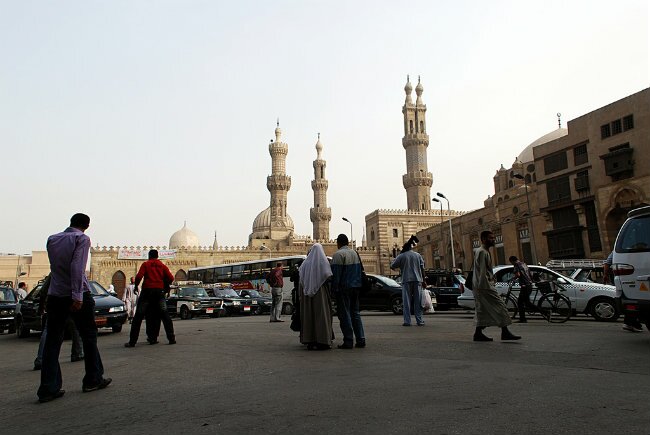

 Mengarusutamakan Anak dalam Proses Pembangunan
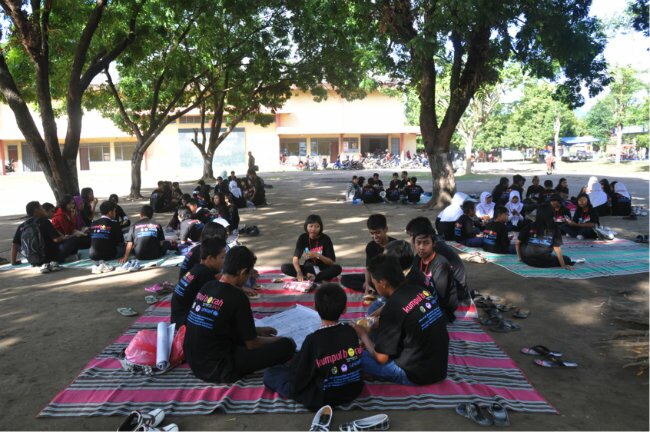 Pada dasarnya KLA memberikan kebebasan bagi anak untuk mengemukakan pendapat baik secara pribadi maupun berkelompok. Melalui forum anak inilah mereka dapat mengekspresikan apa pendapat mereka akan kota yang dicita-citakan. Forum ini juga merupakan wadah partisipasi anak dan jembatan komunikasi antara pemerintah dan anak-anak dalam rangka pemenuhan hak anak. Forum yang sama, selain level provinsi dan nasional, kini telah dikembangkan hingga level pemerintahan terbawah seperti kabupaten/kota, kecamatan, desa, dan kelurahan. Biasanya forum ini dimotori oleh OSIS, remaja masjid, pramuka, perkumpulan olahraga anak dan lain-lain sesuai potensi daerah.
 Usar la tecnología para salvar vidas
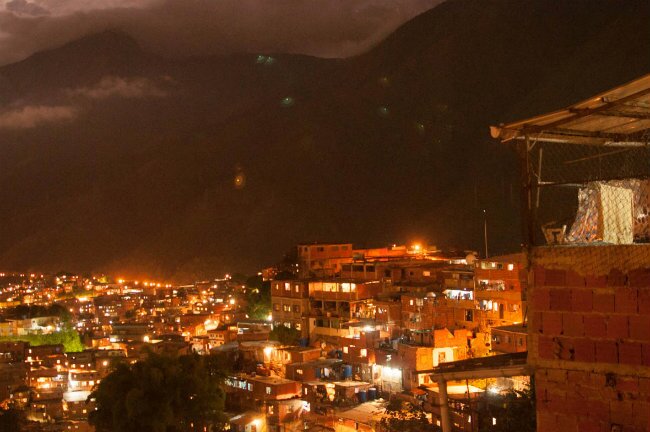 En 2013, se introdujo una nueva política de prevención de la violencia para patrullar puntos calientes de homicidios metódicamente. La nueva política se basa en la teoría de "hotspots" desarrollada por David Weisburd, que propone que "intensificar las patrullas policiales en los puntos calientes de alta criminalidad puede disminuir sustancialmente el crimen, sin provocar que se levante en otras áreas". Con un déficit de policías en el municipio de Sucre (900 policías cuando la cantidad requerida es 3.000), el uso de la tecnología para enfocar los esfuerzos en los sitios específicos del crimen, ofrece una estrategia innovadora que les permite aprovechar al máximo su capacidad de actuación policial. El proyecto "puntos calientes" fue desarrollado como un esfuerzo interinstitucional por: Dorothy Kronick, candidato de PhD de la Universidad de Stanford; la Corporación Andina de Fomento (CAF), banco de desarrollo latinoamericano; Localis emprendimiento social, la policía del gobierno estatal y municipal. Un estudio inicial permitió geo localizar los homicidios gracias a la información suministrada por la policía de la Gobernación de Miranda (gobierno estatal) para determinar los "puntos calientes" en el Municipio Sucre. La estrategia de la policía municipal ha sido la de patrullar cada lugar cuatro veces al día durante quince minutos. El objetivo es hacer que el lugar sea más seguro mediante la prevención de la delincuencia con la presencia policial regular. Al mismo tiempo, para supervisar que los policías hagan el patrullaje, los vehículos policiales tienen GPS incorporado para garantizar el monitoreo al patrullaje. Esta política fue puesta en marcha en septiembre de 2013 y el uso de tecnología permitirá medir el impacto a corto plazo. En los últimos cuatro años y medio de la administración de Ocariz, los homicidios se han reducido en un 40 por ciento, pero el objetivo de la administración es reducirlos a la mitad.
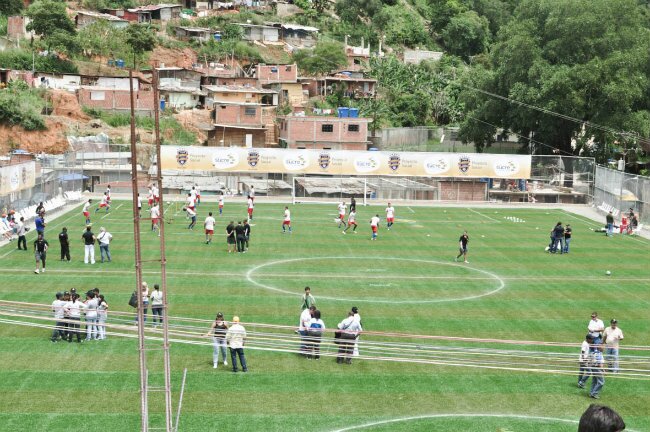 La política de los puntos calientes es una estrategia para controlar los homicidios, pero otros prácticas han apoyado la reducción de violencia en el municipio. Una de las más exitosas, ha sido el desarrollo de espacios públicos en los barrios, mediante la construcción de parques y campos de fútbol, los homicidios se han reducido en un 6 por ciento en el Municipio Sucre. Se ha demostrado que las intervenciones urbanas, el uso y apropiación de los espacios públicos ayudan a cambiar el carácter del lugar y hacerlo más seguro. Por ejemplo, el complejo deportivo en Mesuca abrió en diciembre en un antiguo botadero de basura y ofrece un nuevo espacio recreativo seguro para las personas que viven en Petare. Otro enfoque ha sido apoyarse en la participación comunitaria y la micro gestión. Por ejemplo, la política de "policía padrino" asigna un policía a cada comunidad dentro de los sectores más pequeños de la barriada. Este policía mantiene una comunicación abierta y directa con la comunidad.
 Educación y medidas policiales para combatir la violencia en Cali
 Algunas de las medidas adoptadas han sido de tipo tradicional, en el sentido de que se han reforzado las operaciones contra los delincuentes. El número de policías destinados a la capital del Cauca se ha elevado, al tiempo que se han instalado docenas de cámaras de vigilancia en espacios públicos. La violencia generada por las bandas criminales tiene una importancia muy elevada, y las operaciones policiales han resultado en el desmantelamiento de 16 de estas bandas y el arresto de 159 de sus miembros. Quizás igualmente importante ha sido la ampliación del plan desarme, que suspende la gran mayoría de los permisos de portar armas y que es supervisado por el Ejército Nacional. La Alcaldía de Cali deseaba ampliar la medida a toda la ciudad, pero finalmente se mantuvo solo en las comunas más conflictivas.
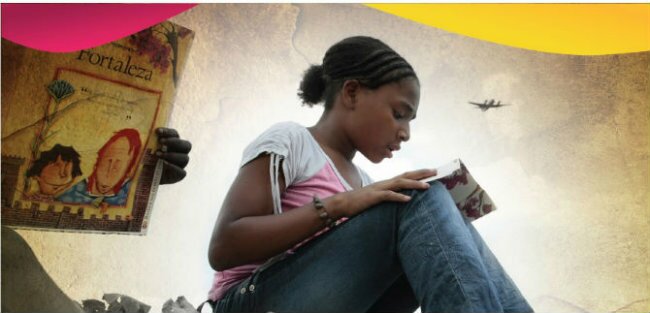 Otro programa educativo es Salud Para 11, un programa global ideado por la FIFA — organizadora de los Mundiales de Fútbol — y que se está implementando en Cali en colaboración con la Alcaldía. El programa consiste en la entrega de equipamientos de fútbol a 34 escuelas de Cali, y en dar formación específica sobre las técnicas de este deporte a los profesores de educación física de estos centros. Una iniciativa relacionada consiste en la instalación de nuevas luces blancas y más potentes en cientos de parques en Cali. El objetivo es convertirlos más seguros y más accesibles, algo importante en una región en la que a lo largo de todo el año anochece a las 6 de la tarde. Ambas iniciativas buscan que los jóvenes tengan acceso a actividades seguras que les aparten de las bandas armadas y de la violencia.
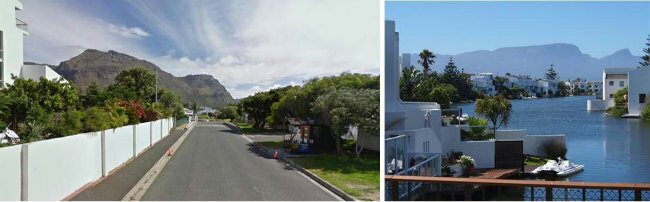 Notwithstanding the global similarities among gated settlements, there are also many nuanced local realities. Although Cape Town contains relatively few gated communities per se, together with industrial and urban agricultural areas there have been over 1000 public space closures over the last four decades, which appear to have more to do with a culture of privatization and exclusivism than a fear of crime. Moreover, where many affluent households in the large metropolitan areas desire to insulate themselves from the worlds of 'otherness' beyond, in areas affected by poverty the case can be strikingly different. There, beyond concerns of safety, there is also its apparent opposite: the desire to open up and dismantle spatial and economic structures which entrench poverty upon generations, seeking instead wider linkages.
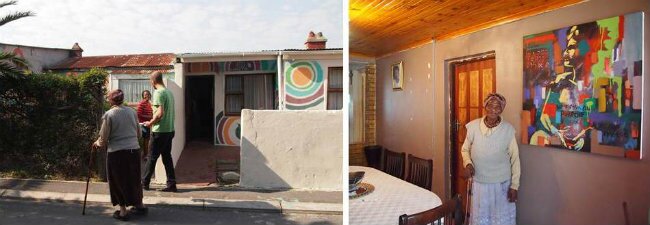 Several strategies were employed in this 'ungating' of communities. First, MTAE works with existing resources in communities, as well as city projects, privately sponsored development programs, and art galleries. Second, to help achieve sustainable socio-economic conditions beyond "poverty tourism," MTAE has strategically synchronized its festivals with major national cultural events and hopes to itself also become a top destination-maker. Third, in 2013 the project also began creating physical linkages for its festivals through the introduction of shuttle buses, and through MTAE's first city-based gallery in the luxurious Mount Nelson Hotel in Cape Town.
 Women's safety in a culture of impunity and gender policing
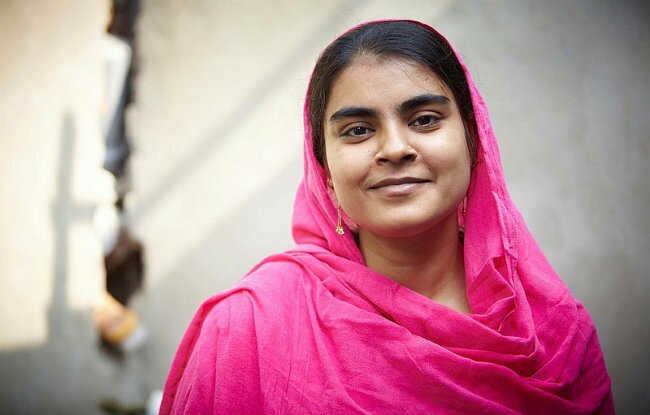 There is a prevalent and entrenched culture of impunity in Delhi. The police don't frequently bother to prosecute rape and gender violence cases, and victims are often put through a traumatic experience while lodging police reports, which deters filing of complaints in the proper manner. This point has been highlighted in the most recent expert investigation of gender-based violence in India, produced by a high-level committee chaired by Justice [J.S.] Verma, a former head of the Indian Supreme Court. The committee's wide-ranging recommendations included proposals for new offenses, including criminalizing marital rape, sexual intercourse by a person in authority, and gang rape. They looked at the whole context in which gender violence is taking place. The committee wisely noted the very acute problems of social exclusion and structural violence that need to be addressed more vigorously and systematically.
 Make room for pedestrians on India's roads
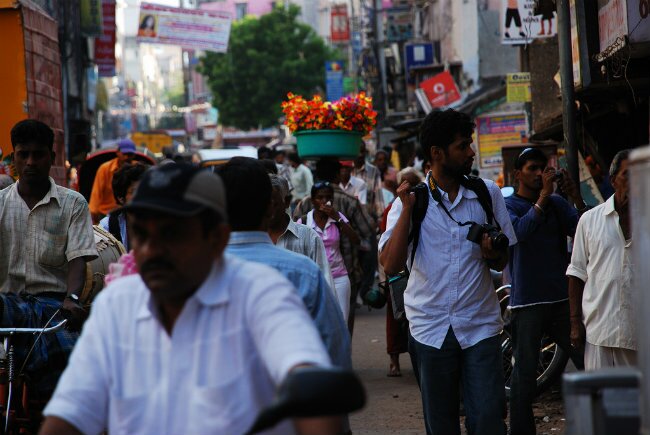 Outraged citizens harnessed the attention to bring awareness to the need for improved road safety in the city. The demands have included more footpaths, which many activists claim are nearly non-existent. According to an article following the accident, half the people killed in accidents in Bangalore in 2012 were pedestrians. These issues cut across socio-economics, but disproportionately impact the poor, since few have access to cars and many walk to work. Children from disadvantaged neighborhoods use roads as cricket pitches and playgrounds in the absence of parks and safe play spaces. Errant drivers put these children at risk on a daily basis.
 Securing daily transportation and road use
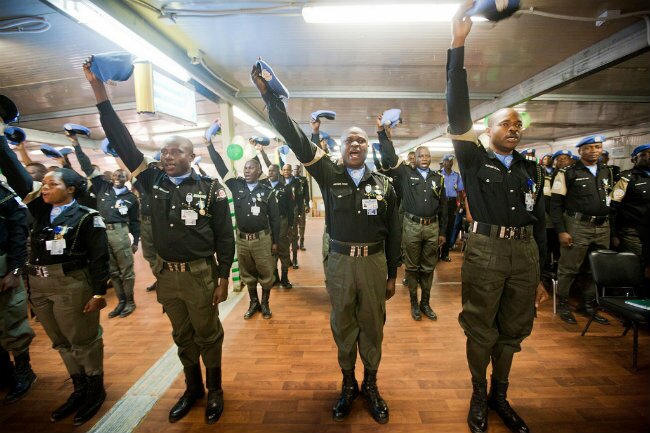 In response to the safety challenges on the streets of Lagos emanating from robberies, road traffic conditions, road safety violations, and the use of commercial motorcycles (okada) to perpetuate robberies, the city created the Lagos State Security Trust Fund through public-private partnerships in 2007. The Trust was established to combat violent crimes in the city. This is accomplished by augmenting the efforts of the national police with additional security agencies such as the Lagos State Traffic Management Authority (LASTMA), and the acquisition and deployment of security equipment and human, material and financial resources for effective functioning of all federal, state, local and other security agencies.
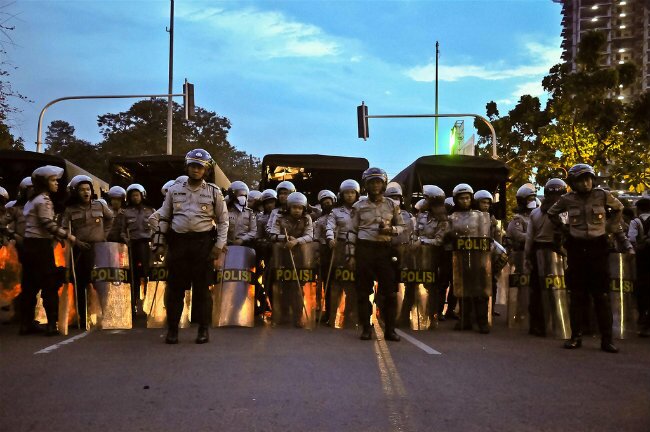 BKPM telah terbentuk sejak tahun 2002 dengan bantuan Jepang melalui JICA dalam rangka membentuk kesan bersahabat pelayanan polisi terhadap masyarakat dan menciptakan kemitraan yang aktif sehingga masyarakat tidak segan datang dan melapor kepada polisi. BKPM sendiri dibentuk di dalam badan kepolisian dengan dua pilar penting yaitu bertindak cepat terhadap laporan masyarakat dan bertindak dengan tulus terhadap laporan tersebut. Hal ini berdasar pengalaman bahwa selama ini polisi kurang cepat dalam merespon berbagai laporan yang masuk, terkadang di butuhkan lebih dari satu hari bahkan satu minggu jika ada laporan. Namun ketika BKPM mulai berjalan, kini polisi hanya membutuhkan 15 menit untuk sampai di lokasi. BKPM secara programatik memberikan peningkatan kapasitas polisi dalam hal komunikasi, identifikasi criminal dan pendidikan dan pelatihan.

 Rebuilding social capital for safety
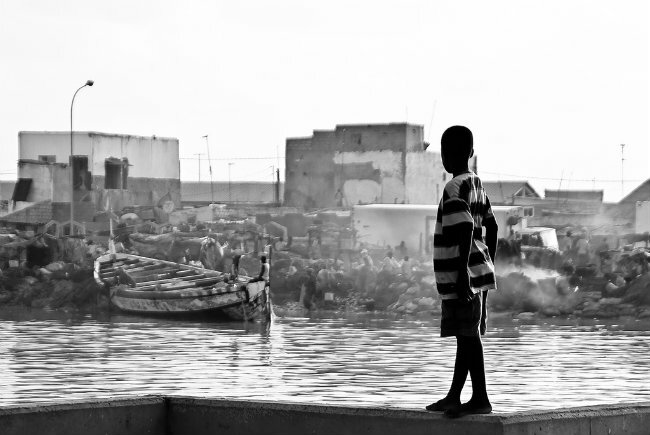 The Safer Cities Programmes (SCP) launched by UN-HABITAT is an initiative collaborating with African mayors, across African cities, to reduce violence and change how cities are experienced, ultimately making cities safer for inhabitants. The initiative introduces activities and develops the capacity of local authorities and stakeholders to provide safety. Dar es Salaam was one of the cities identified. In 1996 a need was identified to firstly understand crime in the city — identifying women and youths as key at-risk groups, especially in particular areas. Secondly, the need to introduce 'safety conscious' urban planning, physically planning and renewing urban spaces and facilities in response to insecurity — such as transport, parks, and street-vending area. Thirdly, SCP emphasized the need to change perceptions of institutions providing safety, and prevent insecurities. The need to train police, institutions, and ward leaders, was followed. At ward levels, community police, such as Sungu-Sungu, were established to respond to community need. An evaluation of the programmes in 2004 identified the successes made in terms of strengthening local and national institutional frameworks, but also the need to utilise bottom-up community-led approaches to solve local crime issues. A positive element of SCP is the focus on the city as a whole, and recognition of the need to involve multiple stakeholders.
 At-work kindergartens: the first step out of the poverty trap
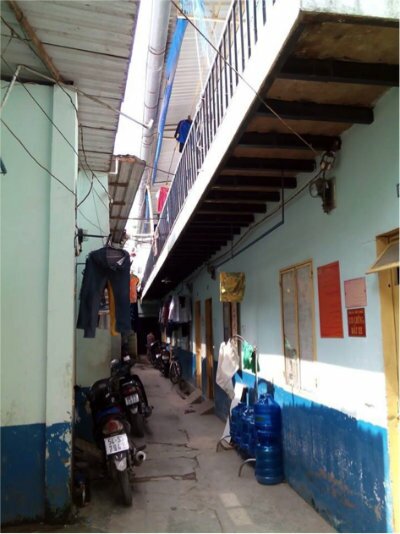 At pre-school age, the children of migrant workers mostly stay alone inside locked homes for several reasons: migrant parents have no extended family members nearby to help with childcare; existing kindergartens are usually very far from the industrial zones where parents work; and the average kindergarten fee is around VND 500,000 (USD$24) per month, which is approximately 20 percent of the parents' migrant worker salary. Not knowing to distance themselves from strangers or to refuse to allow others to touch their sensitive parts, the small girls easily fall victim to their ill-intentioned neighbors without even knowing what is happening to them.
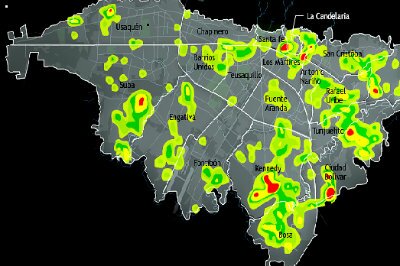 Estos datos, aparentemente contradictorios, se deben a dos problemas interconectados: la existencia de los delitos de alto impacto y la enorme dificultad de obtener estadísticas fiables sobre los delitos en Bogotá. Los robos callejeros son, según el sondeo antes mencionado, los delitos que con diferencia más contribuyen a la sensación de inseguridad. El tráfico de drogas y las bandas callejeras se alternan en segundo lugar según los años. El 77 por ciento de los encuestados manifiestan haber sufrido un robo. Esta tasa se mantuvo constante en los años 2011, 2013 y 2013. El 70 por ciento de estos robos lo eran de teléfonos celulares. Estos delitos, que en ocasiones pueden ser muy violentos, son una de las principales razones por las que la sensación de inseguridad es tan elevada en Bogotá. Solo una de cada cuatro víctimas de robos lo denuncia ante la policía.
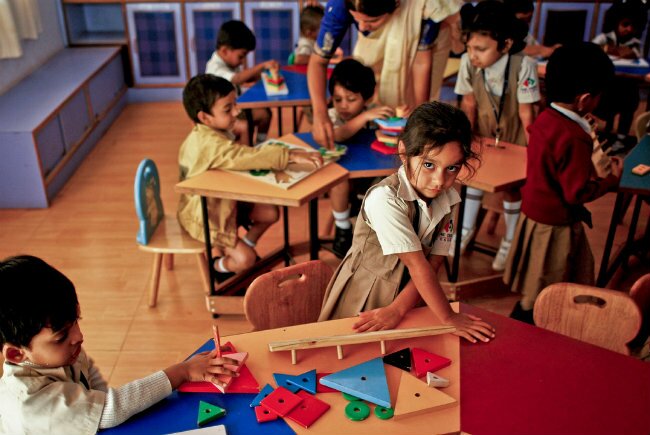 Recent news headlines reveal the abuse is not just from family members or neighbors but also in the supposed safety of school. On July 2 in Bangalore, a six-year-old girl was raped at a private school in the city. Although victims of child sexual abuse (CSA) often shy away from reporting their abuse due to stigmas, shame, and fear, one organization in Mumbai, Arpan, is working to empower children and their caregiving network — teachers, parents, and local NGOs — with the knowledge and skills to prevent CSA and provide support to those have been victimized.
 Seguridad vecinal
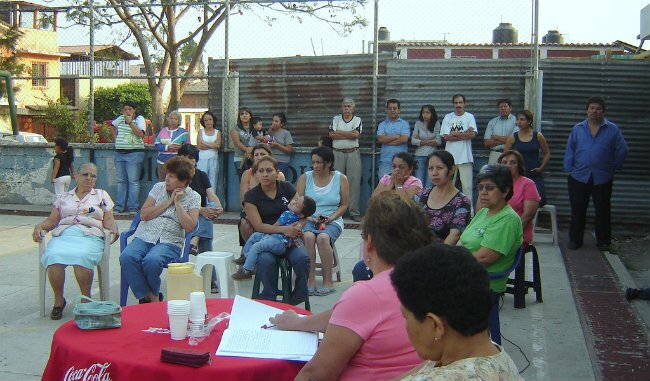 En este sentido, Movimiento Pro-Vecino es una organización que surge para mejorar la calidad de vida de los habitantes de barrios, colonias y municipios en un ambiente de libertad y responsabilidad. La organización está conformada por vecinos organizados que coadyuvan con las autoridades en la solución de las problemáticas urbanas. Para brindar solución a la problemática de inseguridad de las colonias de la ciudad, el Programa Integral para la Reconstrucción del Tejido Social y la Prevención del Delito en Zonas Urbanas considera a la organización vecinal como un mecanismo para crear capital social, desde un marco participativo en donde los vecinos adquieren mayor responsabilidad al momento de plantear la agenda con el gobierno, ejecutar proyectos y desarrollar programas.
 More food, less violence?
 What about residents in the urban areas? Generally, city dwellers are considered better off than their rural counterparts, and Lilongwe does not feature on food insecurity forecasts produced by the government. That doesn't mean that residents in the capital don't go hungry, however: given the high cost of living in Lilongwe, the number of poor (25 percent) and ultra-poor (9 percent) in the capital is likely to be under-estimated.
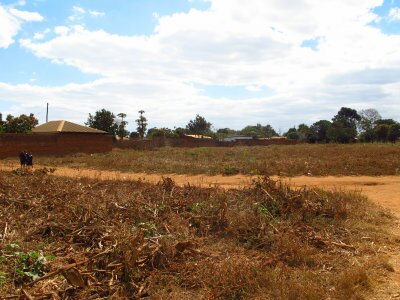 Data to confirm an increase in crime, gender-based or otherwise, during the hunger months is hard to come by. Off the record, however, relevant authorities acknowledge there is a correlation. Many women in Lilongwe's poor areas also agree the link is real. At a recent meeting organised by the Lilongwe Urban Poor People's Network (LUPPEN), one woman commented on how she was more afraid to walk outside, especially in the dark, during the rainy season. "The maize grows high and the people face hunger so there is more crime," she said.
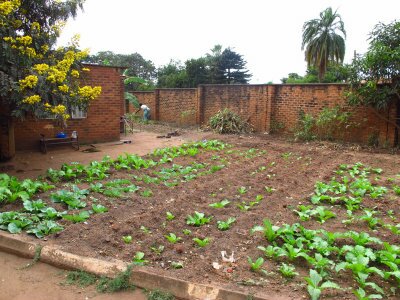 The interesting suggestion here is that improvements in urban (and rural) food security could help to strengthen overall security. By comparison, initiatives such as installing street lights come across as band-aids on a deeper problem, although there of course is no one solution. An option LUPPEN is keen to explore is urban agriculture. "We have a lot of empty land in Lilongwe, and many of the urban poor in the city grow maize there," says H.W. Mamba, Coordinator for LUPPEN. "But unfortunately, most of the plots lie unused in-between crops." Inspired by the principles of permaculture as practiced at the Lilongwe-based Kusamala Institute for Agriculture and Ecology, Mamba says LUPPEN hopes to promote year-round household access to food in the city's poorer areas.
Comments
Comments from Informal Waste Workers Regarding MSW Manual 2014
Preliminary Comments from Informal Waste Workers Regarding Municipal Solid Waste Management Manual DRAFT 2014
To:
Dr. Ramakant, MoUD
& Mr. Ramesh Nair, GIZ
Maulana Azad Rd, Rajpath
Road Area, Central Secretariat
New Delhi – 110 001 From:
Shashi Bhushan
All India Kabadi Mazdoor Mahasangh (AIKMM)
No. 260, Pocket-E, Mayur Vihar, Phase-II
New Delhi – 110 091
Dear Sirs,
The All India Kabadi Mazdoor Mahasangh (AIKMM) has received the draft of the new Solid Waste Management Manual from the Ministry of Urban Development (MoUD), and we write this letter to offer some preliminary comments. Firstly, we commend your office for releasing a drafted manual that acknowledges the informal economy and the important roles it plays in reducing costs, helping the environment, generating livelihoods, and bringing valuable expertise to the table with regard to municipal solid waste management. Likewise we were pleased to note an emphasis on decentralized waste management, segregation at the source, and integration of the informal economy in your draft. Compared to the 2000 Manual this is a much more enlightened document.
However, we fundamentally disagree with the approach your ministry has taken to the inclusion of key stakeholders in the drafting of this document. We encourage you to refer to our first letter (titled “Initial Response of Informal Waste Workers to Municipal Solid Waste Management Manual DRAFT 2014”) for a more complete explanation of our grievances. It is offensive, inappropriate, and downright unconstitutional for AIKMM to have been entirely excluded from the drafting process of this document, as we have been asked only to submit recommended revisions to a draft that is all but complete. This approach reveals that MoUD has valued the inputs and priorities of internationally owned enterprises over the needs of its citizens thus far.
In a hope to contribute some constructive suggestions to the drafting process of this Manual, however late, AIKMM submits two attachments. The first is a list of nine preliminary comments directed at particular sections of the DRAFT Manual. The second attachment (titled “Systemic Model for discussion”) offers a basic model for decentralized waste management that we hope might inform the MoUD Manual.
We look forward to working together in the future to address the fundamental problem of stakeholder exclusion from the MoUD drafting process in a way that meets the following demands of our organization:
1. Central legislation should be immediately enacted to mandate that state and local governments guarantee livelihoods, social security, space, and welfare services for waste collectors.
2. Waste collectors’ work should be officially recognized. Workers should be granted legal status, issued government IDs, and granted authorized access to waste.
3. In every neighborhood, waste collectors should be given space to sort waste and prepare compost.
4. The exclusive rights for door-to-door collection of waste from housing clusters and neighborhoods should be assigned to informal-sector waste workers. Private sector companies should be kept out of door-to-door waste collection.
5. States should establish provisions to manage recycling units at the community level, and sanitary landfills at the district level.
6. All current and proposed waste-to-energy incineration projects should be abandoned, and the rights of informal-sector workers to access waste should be restored, with immediate effect.
Thank you for your time and consideration.
Sincerely yours,
Caring for worker welfare?
Hi Tam,
Really interesting initiatives by the two factories. I’m curious though whether there is something ‘special’ about these two companies – from my experience in Cambodia, owners of sweatshops are generally not particularly concerned with the welfare of their workers. Or perhaps this is a sign of Vietnam rising up on the sweatshop ladder? It was also interesting to read that parents (mothers I most usually I presume) take their kids with them when they migrate to HCMC for work. Again in Cambodia, it seemed more common for children to be left in the home province under the care of grand-parents or other relatives.
Cheers,
Nora
It could be care, and it could be fame.
Hi Nora,
Yours is a tough question! Sweatshops in Vietnam do receive similar criticism as in neighboring countries. What is ‘special’ about these 2 examples could be that they were focused on and encouraged by the Ministry of Planning & Investment (MPI), the Labour Union, and the Ho Chi Minh City Export Processing and Industrial Zone Authority (HEPZA), in the 2010 project to improve worker welfare. The progress was vigorously pushed by these three, and the Vice President even made her visit to the completed kindergarten in Pou Yuen.
However, why these particular companies took up this encouragement is hard to know. To know whether it is care or just a marketing gesture, I guess we can only keep an eye on these initiatives, and see whether the built kindergarten is properly operated and maintained.
As for the fact that migrant parents usually have their children living with them in HCMC, there are 2 possible reasons I could list from the SAVVY survey and my own observation. First, this group of people usually migrate right after high school and before marriage age, so they meet their partner in HCMC, have their kids in HCMC with a "city" citizenship. Second, with such a good citizenship, their children can attend much better schools in the city, as compared to the quality of home provinces’ schools.
I’m curious to know if the situation is different in Cambodia, so that the children commonly stay in home province?
Best,
Tam.
Addressing crime through mapping
Hi Jorge,
Promotion of open data and the development websites that allow city dwellers to contribute and comment on what’s going on in the city have been a very interesting development over the past decade. When it comes to mapping crime, however, it’s important to also look at the capacity of the police (and other relevant stakeholders) to address the issue. Many crime reports from a particular area could result in it be highlighted as crime-ridden and consequently suffer further unless there are adequate means and resources to take action in response to high reported crime rates. This is particularly a concern when using crowdsourced data; if a resident of a particular area is victim of a crime, his or her decision to report the crime may also depend on what can be gained (e.g. further crime vs crackdown), thus potentially skewing the data. (There are of course many other reasons crowdsourced data might be skewed too!) That said, I’m very curious to have a further look at the Ecocitizen World Map Project – thanks for sharing!
Cheers,
Nora
Hi Nora,
Hi Nora,
you are correct in pointing out to the non scientific nature of social data. Still, it is one more source of information in an area in which the only information available, official numbers, are often skewed, deliberately--for political reasons--or by poor management. I was positively surprised to see that Caracas is also using mapping techniques to fight the awful crime situation. Social media is also a tool in Cairo. We are only at the dawn of what social media can do. And it does indeed carry risks than also need to be carefully watched.
Benefits of Community Policing
Eliana, I was curious to read your article this week, because I often here Mumbai and Rio's informal settlements compared to each other, but it has always struck me that Rio's informal neighborhoods have been so much more widely associated with violence and crime. It's always surprising to me that Mumbai's crime rate is so low (domestic violence not included) given the vast inequalities in the city. In most cities, these "have"-"have not" gaps often incite deep frustrations among the disenfranchised, which often translate to violence. Unlike your example in Rio, I think this relative peace is a credit to the people and the systems and relations they form in spite of the police not necessarily because of them.
Rio's example of community policing is one that has resonated around the world, even in the U.S., where I'm from. It seems the key is to gain the trust of the local community, which often has a negative view of the police, and to have a regular, visable presence beyond just when a crime occurs. What I've heard is that community policing actually stresses prevention of crime and early intervention in developing criminality in youths by linking them to other organizations working on related issues--youth development, job growth, etc. I wonder if this network has been developed at all in Rio or if they have thought holistically like this.
Hi Carlin,
Hi Carlin,
yours is a question that I have often asked myself: why is violence much more prevalent in Latin America than in India. Both regions share unacceptable social inequality, segregation and lack of education, the three more often cited roots of violence. I am increasingly convince that the difference is caused by one key factor: the availability of guns. Here in Colombia guns are exceedingly easy to obtain. In Cali, as I pointed out in my article, gun limitations have been imposed in certain neighborhoods with immediate positive results.
I posted this question to several experts in the WUF7, and most of them struggled with the answer. Gun availability is probably the variable that makes the dramatic difference, even more than the illicit drug trade. I am sure there is research done on this issue, perhaps some other member of the URB.IM community will be able to provide a more accurate answer.
Awarness enhances security at all levels
I found this months discussion very eclectic covering security issues across different sectors. I really found the security issues around children and child abuse very interesting. It is easy to tackle security challenges that occur openly but sexual abuse is more intimate and private. Quite often social and cultural factors also affect the willingness to addresses such issues and defining it is also a problem. Giving these factors, its great to see civil society and private enterprises picking up the slack where political will to do so may be lacking.
In Lagos, there has been legislation to address child abuse and sexual abuse. However, Carlin is very right when she mentions that the issue goes beyond creating a solution but in enforcing it and creating an environment where victims feel comfortable to seek for assistance and help. Enlightenment of what constitutes security threat to the vulnerable, children, women etc becomes a key component in ensuring their security.
Safer Cities
Gemma, I totally agree with you that building social capital is crucial for enhancing security in the cities. Through the reinforcement of trust and social relations within a neighborhood people must change their perception of insecurity and will feel social support in order to face insecurity. The case of Mexico City is similar with Dar es Salaam where people is interested in creating spaces of interaction in order to solve problems through the participation of people, however it seems that the success depends on the entailment with local authorities and their capacity to support victims and take actions. Is there any evaluation to the program that demonstrates the impact of making the city safer for its inhabitants?
Trust, perceptions and community collectives
The articles above show the various perspectives on urban safety and inclusion, from crime and homicides to sexual violence and pedestrian safety. One can clearly see that increasing trust between police and civilians is key in building social resiliency against crime. This is common through the case studies of pacifying police units in Rio de Janeiro, pro neighbor movement in Mexico, and PCPA in Jakarta. All of the case studies focus on increasing civilian participation and improving the relationship between the police and community to pacify crime.
The case study of Desármate, Medítele A Este Cuento in Cali and Maboneng Township Arts Experience in Cape Town shows how artistic unity and projects can become a tool for increasing awareness, changing perceptions, and opening gated communities to larger public. While, the use of technology such as hot spot theory and geo-referenced homicide data in Caracas, radio broadcasting in Lagos and Social GIS in Bogotá can increase the capacity of under-resourced police, bring more awareness as well as close the perception gap of crime in now safe neighborhoods.
The case study of NGO Arpan in Mumbai, NGO Jagori in Delhi, Child Decent City Award in Surabaya, safer cities program in Dar Es Salaam and migrant workers in Ho Chi Minh City show that its important to work with minority population to make our cities free of sexual violence and gender based discrimination. It is critical to take preventing measures empowering children and women with personal safety skills, strengthening community collectives and making our public spaces women and children friendly.
Ungating the city
Thanks for the really interesting case studies everyone! It's great to hear about the practices being implemented across urban areas, each provide a opportunity of sharing ideas for changing our own cities.
Tariq, the case of MTAE in Cape Town is great to hear about. Gated communities are prevalent in many developing cities due to the growing inequalities prevalent. In dar es salaam gated communities are seen as a safety solution for the elite. Spaces have, and continue to be, built around the city to block out the other like you say and feel safer in a closed community. the people choosing to live in such spaces vary from international workers to a rising number of Dar's middle class. I think one of the differences in the two cases from what you have described about Cape Town, is the spatial proximity of the communities. In dar it seems the gates are put in elite spaces, picturesque, far from the 'other'. In Cape Town are they often closer in proximity? Also it's interesting to think about who is designing these gated communities, private overseas investors? Elite themselves? Governments?
These use of art in ungating is positive, reminding communities of talent, and providing new perspectives on the community. When we discuss ungating it's interesting to see the solutions fall onto the poor - the poor changing the use of space, design of space, and practices in space. MTAE is a positive example, especially it's incorporation into the world city design. I wonder if there are efforts on the other side - elite communities using practices to ungate the city? Also as it is open to all the public, who attends? The process of ungating requires change on both side, a two way exchange into different spaces, minds and places, therefore different groups need to be involved and the removal of gates normalized.
Best wishes, gemma
Rebuilding social capital for safety Gemma Todd, Dar es Salaam
Great approach Gemma. However, are there some statistics indicating the success of UN Habitat programme? like reduced numbers of street crimes...etc
You stated very interesting point when you revealed the core of the problem of city lack of safety and crimes, which is inequality between inhabitants at the first place, so do the government or the local grassroot NGOs took the lead and build up on the initiatives of UN habitat and UNICEF to create for example shelters for homeless people or SMEs for unemployed people who sometimes steal and commit street crimes to get some money for food and life expenses, and so the victims usually are women.
Kind regards, Shaima
Gating might in fact improve
Gating might in fact improve security for those within the gates, while they are gated, thus creating a sense of security. Still, do we really want to live in gated cities? Gates and segregation go against everything a city should be: a place of exchange, of interaction, of cooperation. Furthermore, gating creates greater overall violence, as security decreases in the cities as segregation deepens. Also, the creation of gated communities creates stresses over the urban development of the cities. Such is the case of Bogotá, where expansion, particularly in the north, is taking the form of massive gated communities, that occupy to much land and make the building of services, such as transportation, far more costly.
I was fascinated to read about what happened in Curitiba. Massive increase in police presence resulted in a drastic reduction of violence in a very short term. As the police retreated, crime rates returned to their previos levels, also very quickly. Still, the same question arises as with gated communities, do we want to live in a city with an overwhelming police presence?
As with gated community, heavily policed cities are not financially viable on the long term. Also, it is fair to assume that the effect of sharp increases is lower as time goes by and the violence finds new ways.
Challenge in bridging gate and ungated communities
I found it really interesting cases this time of discussion as the topic provide us opportunity to use different approach to different issues. Safety is for sure something to be considered as a basic need. HarassMap in Cairo reminds me of the work by one of Indonesia Ngo that promote pluralism and freedom of religion called the Wahid Institute. They provided an online application where people can report violence against religion minority. The map they produce will be circulated widely to public and formal report will be given to related ministries. Related to HarassMap, can I ask Shaima what is the advocacy strategy they use to utilize HarassMap? And how government react to those map and result?
I also think that the cape town case is really interesting. Thank you Tariq for writing it here. I can imagine that Indonesian cities could do similar activity as we have many culturally vibrant cities. Tariq, can I ask what kind of approach does MTAE initially approach the gated and ungated communities? And were there any resistance from both communities? Because I would like to think what will happen if we have similar event in Indonesia, because, as you said, gated communities were formed for the sake of exclusivism and privatization instead of safety reason. Hence getting them onboard with this idea would be a challenge.
Remesas y crimen
María Fernanda, hoy he encontrado en Twitter un fascinante estudio publicado por el BID en el que establecen una relación inversa entre recepción de remesas y crimen en México. Para explicar esta reducción del crimen en lugares donde se recibe un mayor volumen de remesas manejan las hipótesis de que la reducción de la pobreza y el hecho de que los menores de los hogares que reciben remesas pasan mas tiempo en la escuela son las causas de esta relación. Este es el enlace donde se puede encontarr una información mas detallada:
http://blogs.iadb.org/sinmiedos/2014/08/25/relacion-entre-remesas-y-crim...
Safety and Poverty cannot be neighbors
Tall landscapes and gated houses does not necessarily lead to safer cities especially if the majority of inhabitants were born and are living in poverty. Most mals in society are caused by poverty, with most of the poor being unable to get a decent education thus can more easily turn to crime than anything else.
By allowing the poor afford good housing or even giving them the jobs to build houses that will benefit them can greatly promote safety. Not many people like to destroy what they built. So, for safer cities, including every one without segregation and allowing everyone enjoy the reward can get us there. Not overnight but certainly in good time.
Add new comment