 Community mobilising in the face of a housing crisis
Nora Lindstrom, Lilongwe Community Manager
Lilongwe is growing fast. The population growth rate is estimated at 4.3 percent per annum, with projections of some 600,000 new residents between now and 2020. In a city where three quarters of the population live in informal settlements and/or sub-standard housing, such an increase in population puts a massive strain on the already inadequate housing supply. UN-Habitat has estimated that 10,000 new dwellings will need to be built annually to house the city's growing population, mainly on the low-income spectrum. Beyond Chinese-funded gated community developments, however, no public initiatives to increase housing supply can be seen.
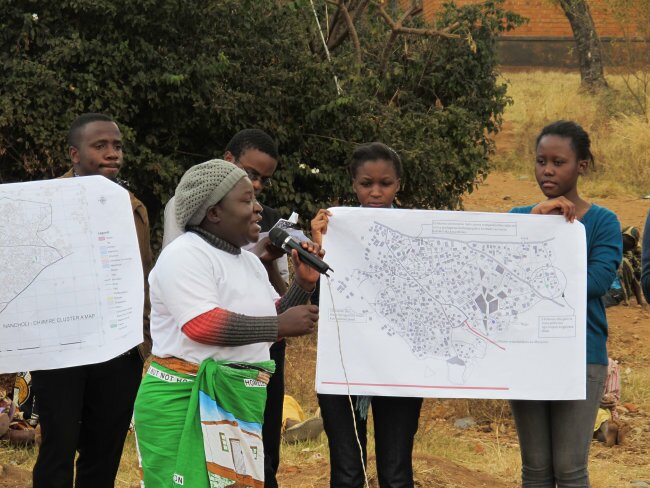 Patrick Chikoti is the Executive Director of the Centre for Community Organisation and Development (CCODE). The organisation he heads works with urban poor communities with the aim of helping communities help themselves. "At the moment the government doesn't provide any resources [for house construction]," he says. "If you want a house, from idea, through planning, realisation, and inhabitation, you have no contact with any authorities."
Access to land is facilitated — informally — by village chiefs, and "the poverty of the people is reflected in the quality of their houses" according to Patrick. As such, rural type housing is proliferating in Lilongwe, contributing to the ruralisation of urban areas, as also experienced in other parts of southern Africa.
 "We need a real system that benefits the poor, the current system only benefits the other group," says Patrick. He adds that the current situation not only denies the poor adequate housing, but also adds to their marginalisation as they are perceived as encroachers given the informal way they access land for housing.
To enhance the urban poor's access to housing, CCODE in 2005 funded the construction of some 200 dwellings in Lilongwe's Area 49, to be repaid over time by the beneficiaries. While addressing the problem of housing supply, the approach was however met with challenges, including issues surrounding quality of the houses. Recently, there's been a change in approach. "We need to focus on building the community, because residents in a particular area are not always well-joined. We need to get them to collaborate, to support each other with their skills," says Patrick.
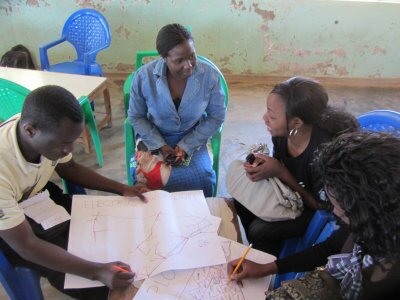
CCODE now works to mobilise and strengthen communities to pursue their needs. Key in the process is the development of community action plans and development strategies, which guide not only actions taken by the community itself, but also act as proposals to the government and potential donors. "The idea is to get the authorities to collaborate with the people," Patrick says. "I'd like to see Lilongwe City Council getting on the ground. [They should] be looking at things together with the people."
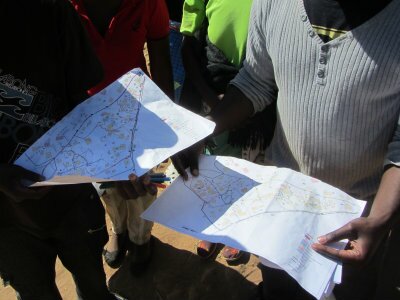 At the community level, the CCODE strategy has already born fruit in terms of helping communities identify their needs. "A few years ago, we conducted community enumeration in Mtandire, a large informal settlement," Patrick says. "The community members didn't even know how many households didn't have a toilet. When we got the results, they were so surprised."
Another target community is Senti, a poor settlement of some 16,000 residents. CCODE has been working with the community since 2012, conducting a community profiling exercise, including participatory mapping and enumeration. The process has helped the community define their needs and priorities, and they have created a savings scheme to raise funds for community development projects. To date, funds have already been used to improve roads in the settlement.
CCODE's work is laudable, and undoubtedly necessary in the face of increasing urbanisation. To complete the picture, however, the Malawi government must come forward with a comprehensive plan, such as a National Housing Policy (which has existed in draft form since 2007), to address the growing need for adequate housing in Lilongwe, as well as the country's other urban centres. Close.
Photo credit: CCODE
Permalink to this discussion: http://urb.im/c1407
Permalink to this post: http://urb.im/ca1407lle

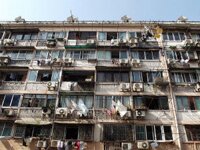 July 2014 — Millions of poor people in cities of the Global South live in informal settlements with low-quality living conditions, due in large part to the lack of affordable and adequate housing. Policies are needed to regulate, support, and provide incentives for the development of affordable housing in both the private and the public sectors. In addition, such housing must be inclusive by design, so that the urban poor are integrated into local communities rather than being marginalized by income and class.
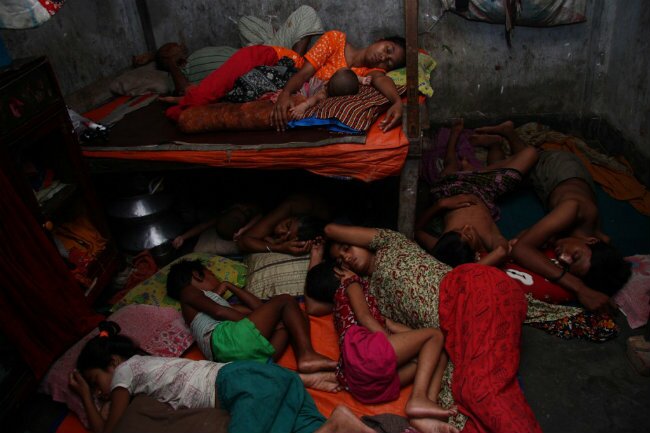 Several NGOs are involved in providing services and aid to slum dwellers and the urban poor, and in many cases NGO pressure and organization have driven government action for this population. Access to government services remains a challenge for the urban poor. Ninety percent of the garments workers are women and girls, and this is where organizations such as Nari Uddog Kendra (NUK) or Centre for Women Initiatives step in to bridge the gap. Conforming to ILO Conventions, NUK started their Garment Factory and Workers Support Program in 1991 with the aim of providing training and assistance to garment factories and related policymakers that would set the groundwork for better working and living conditions for all garment workers.
 تأمين سكن للفقراء في القاهرة...هل هناك مخرج للأزمة؟

 Tantangan pengembangan rumah susun bagi masyarakat berpenghasilan rendah
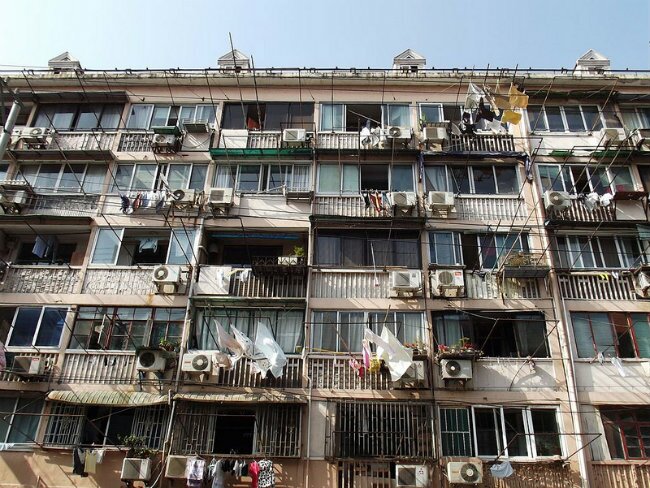 Terkait banyaknya pengembang nakal, Menteri Perumahan Rakyat menyampaikan bahwa kini banyak ditemui pengembang properti yang mengabaikan kebijakan hunian berimbang yang mewajibkan pengembang untuk membangun rumah dengan komposisi 1:2:3, yaitu membangun satu rumah mewah, dua rumah menengah, dan tiga rumah murah. Dengan maraknya pembangunan perumahan di Jakarta, maka seharusnya pengembang dapat membantu menyediakan rumah murah sesuai amanat undang-undang. Namun dalam kenyataannya pengembang kerap mengabaikan peraturan ini. Selain itu penyalahgunaan ijin pembangunan rumah juga kerap terjadi di Jakarta. Banyak pembangunan rumah susun selama ini tidak tepat sasaran sebab banyak rusun yang seharusnya ditempati oleh masyarakat berpenghasilan rendah (MBR) justru dihuni oleh masyarakat menengah keatas.
 The market at the bottom of the housing pyramid
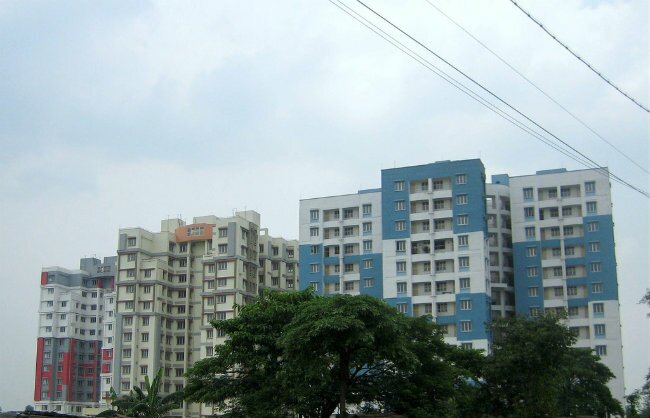 Until recently, India's developers have focused on a higher-end market. Yet what's becoming increasingly clear is there is an opportunity for a socially relevant movement that will also reap financial rewards. "Till now an opportunity worth Rs 5 lakh crore [USD$83.2 billion] or more, equal to around 5 percent of GDP, is largely going begging. This is because India's builders mostly aim for buyers who can afford homes worth Rs 25 lakh [USD$41,000] or more and constantly seek to add frills to claim premium value and earn higher margins. Overall, the Indian system and its property developers, with some exceptions, are missing out on enormous wealth lying at the bottom of the housing pyramid," says an article on the initiative.
 Ciudad Verde: riesgos de los macro proyectos en Bogotá
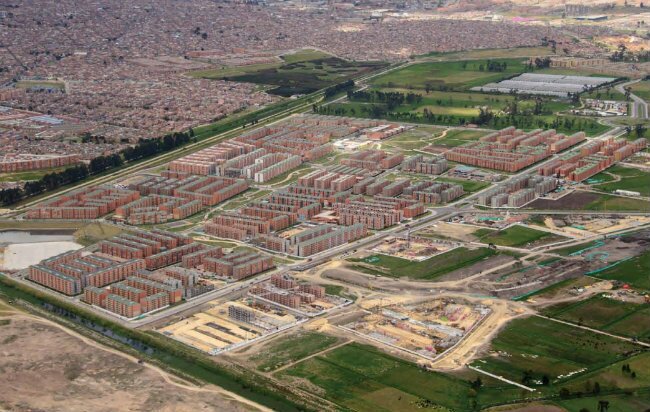 Ciudad Verde es uno de los macro proyectos creados dentro de este marco. Está ubicado en Soacha, una población adyacente a Bogotá. Su tamaño es masivo: un total de 49.500 viviendas, 57 hectáreas destinadas a espacios públicos y parques, y área industrial de 20 hectáreas. La totalidad de las viviendas son consideradas de Interés Social, y están por tanto reservadas para las personas con menores recursos. Éstas podrán acceder a la compra mediante subvenciones, como las que se asignan a familias con ingresos menores a dos salarios mínimos y que hayan logrado ahorrar dos millones COP (unos 1.000US$). También se asignarán, mediante programas especiales, viviendas a personas en situación de emergencia, como las 768 unidades reservadas a los damnificados por las inundaciones del periodo 2010-2011. En total mas de 200.000 personas vivirán en Ciudad Verde.
 Novo Plano Diretor de São Paulo: a necessidade de aumentar a qualidade de vida de todos os cidadãos
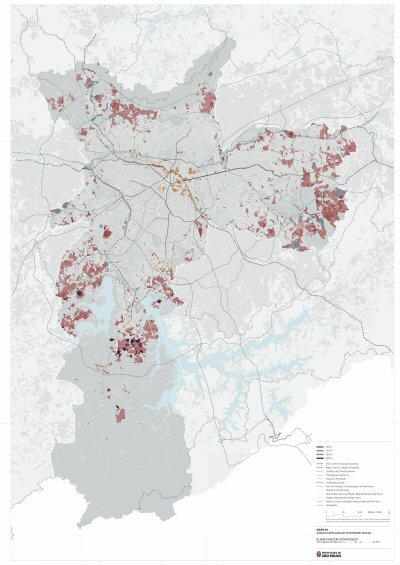 O novo Plano Diretor Estratégico (PDE) da cidade de São Paulo, que foi aprovado pela Câmara Municipal e já está caminhando para aprovação do Prefeito Fernando Haddad, tem a responsabilidade de resolver esses problemas e criar soluções mais eficientes para a maior cidade brasileira. A vigência do último PDE expirou em 2012 e desde o ano passado está em processo de desenvolvimento, incluindo oficinas participativas e audiências públicas. O Plano aprovado se tornará a lei que determinará o conjunto de diretrizes urbanísticas para a cidade nos próximos 16 anos.
 Housing the (radical) everyday
 But how were South Africans now to "live in it, united," and to what extent have newly created post-apartheid spaces facilitated this inclusive vision?
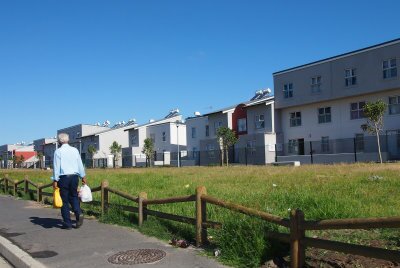 Housing, the fourth site, therefore has a critical role to play. However, social/racial integration is not an explicit policy goal, and the design of the scale of the neighborhood and human interaction still remains poorly understood and articulated. Moreover, government officials tend to interpret 'integration' largely in economic terms (accommodating lower income groups, development, and access to amenities). These oversights all do little to encourage new integrated social spaces and identities, with local meaning (as opposed to grand, national narratives).
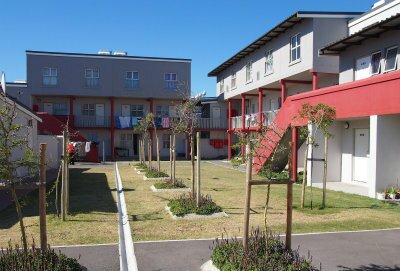 Balancing security requirements with open continuity in the urban fabric, the courtyards are able to be fully secured, while the streets were designed to be public and integrative. A large road reserve was also turned into a public park, and the units edging an adjacent train station was rezoned for future mixed-use potential. Although some of the initial positive intentions were not realized, the project is evidence that creative measures can be taken for (social, physical, and economic) cohesion and integration despite existing limitations of circumstances, (too often constraints are self-imposed).
 Vivienda como estrategia urbana
 En 2011, después de una temporada prolongada de fuertes lluvias en Caracas, que dejó más de 130.000 personas sin hogar, el gobierno nacional lanzó el programa "Gran Misión Vivienda Venezuela" (GMMV), para ofrecer soluciones masivas de vivienda a las víctimas de las lluvias. El objetivo de este programa fue construir 2 millones de unidades de vivienda para el año 2017 a nivel nacional. Siendo una meta ambiciosa, ya que limita el tiempo para el diseño de la arquitectura, la construcción de buena calidad, y hacen que la planificación urbana haya quedado en un segundo plano. En este sentido, el único criterio para seleccionar las parcelas urbanas en las que se han desarrollado nuevos edificios de vivienda es el hecho de estar vacíos y que puedan ser fácilmente expropiados. Pareciera, que no se han considerado los medios de subsistencia de la familia, la zonificación y planes urbanos o la infraestructura disponible para la densificación masiva de la ciudad. En Caracas, 26,427 han sido entregadas según cifras del gobierno. Los apartamentos de vivienda que se han construido ofrecen un catálogo diverso de estilos de arquitectura, pero su diseño no responde al clima tropical, a las variables urbanas o incluye servicios compartidos
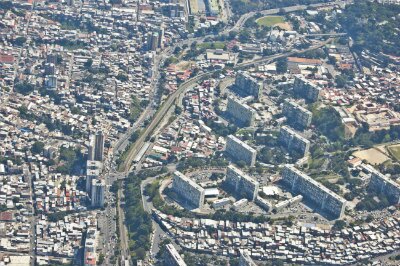 Durante el gobierno de Chávez se colocaron en marcha diversos programas de vivienda; GMMV ha sido el más ambicioso y el que ha tenido mayor impacto. El inconveniente es que la vivienda es vista como una solución a una emergencia y no como no como oportunidad para urbanizar el país. La vivienda debe ser entendida como parte de un plan urbanístico, necesario para construir el tejido urbano de la ciudad. Por ejemplo, en 1945, se construyó en el centro de Caracas, la "Reurbanización El Silencio" para proporcionar viviendas de bajo costo, así como infraestructura, áreas recreativas y comerciales. Este proyecto de diseño urbano contempla edificios de apartamentos organizados en macro bloques donde la gente puede disfrutar de patios comunes y apartamentos con ventilación cruzada. Además de proporcionar una fachada continua con actividades comerciales que ayudan a darle vida urbana al sector. Después de 70 años, esta es una parte esencial y vibrante de la ciudad, y no simplemente una solución de vivienda. Es entonces cuando debemos pensar en la vivienda como estrategia de urbanización esencial para la construcción de ciudades sostenibles.
 The illusion of urban renewal and the magicians' ghetto
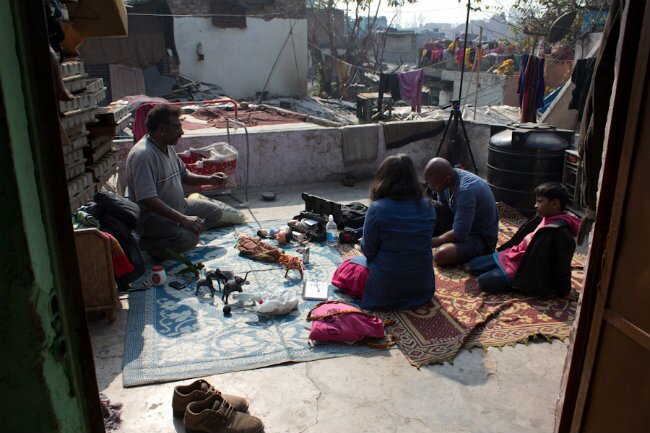 Kathputli Colony is among the first of the in-situ rehabilitation projects announced in Delhi Master Plan 2021 under the national housing policy called Rajiv Awas Yojana (RAY). According to the DDA's plan, the current residents of the settlement would be temporarily relocated to a transit camp for the duration of construction. Through a public-private partnership, the DDA would work with Raheja Developers Ltd. to provide 2,800 flats for slum families free of charge. For financial profit, Raheja will partner with Arabtec Construction LLC to build Delhi's first 'official' skyscraper. It is a 54-floor tower with a sky club and helipad with 170 premium apartments at more than 1,000 square feet each.
 But five years after the project was launched, only 70 families have moved to the transit camp. The project stands at an impasse, as the resistance to development within the community is stronger than ever. There are several reasons for the lack of consent. First, the community argues that they weren't consulted for the development scheme. They don't want the proposed flats but just the land so that they can build more floors for the next generation. This will also enable them to use little roofs to practice their art and store their numerous props without disturbing their neighbors.
 Despite the presence of pro-active local leaders or pradhans, cooperatives such as Bhule Bhisre Kalakar and NGOs such as Sarthi and Kalakar Trust, the local government has failed to bring the community together. Slum redevelopment under RAY was supposed to be more sensitive to the people being displaced — and was expected to set an example through practicing community participation. But the lack of transparency regarding the project implementation, as well as the lack of proper consultation procedure and involvement of the affected community, is a matter of concern.
 Mortgaging future social houses: a new hope for the urban poor
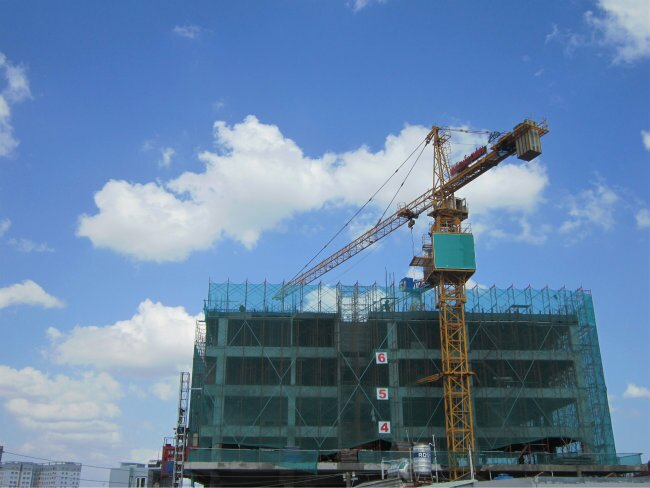 As of 2013, Ho Chi Minh City houses approximately 8 million people, 81,709 of whom are considered poor. These urban poor are living in
 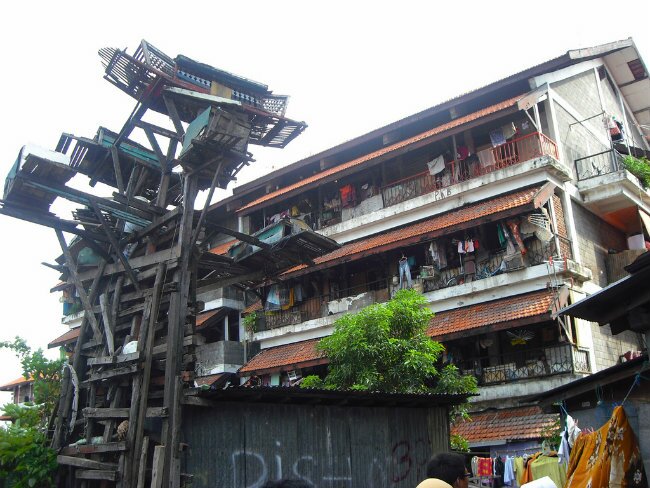 Seringkali kebijakan pemberian rumah susun terhenti ketika pemerintah selesai membangun rumah tersebut, padahal banyak permasalahan muncul ketika mereka menghuni rusun. Beberapa permasalahan yang muncul seperti rusun menjadi kumuh karena kurangnya rasa memiliki yang berakibat tidak adaknya kesadaran untuk memelihara, kegaduhan, minimnya ruang privat dan adanya kesulitan merubah kebiasaan hidup dari rumah biasa (landed housing) ke rumah vertical atau rusun. Munculnya permaslahan ini sering tidak diantisipasi dan luput dari perhatian pemerintah padahal tujuan awal dari pembangunan rusun adalah untuk meningkatkan taraf hidup penghuni, namun kenyataannya banyak yang makin terpuruk.
 Community slum mapping — a housing solution?
 A variety of strategies have been used across Dar es Salaam over time. Since the 1960s evictions have remained frequent. They articulate an attempt to gentrify urban space and build new houses. The 2006-7 Chamazi evictions are an example whereby 30,000 people were at risk of displacement, with a minority receiving compensation. In the 1970s policy shifted focus to 'site and service' methods, upgrading houses in-situ, a la- John Turner. Turner's thinking argued that effective housing requires a bottom-up approach; the poor need freedom to build. Tanzania's National Strategic Urban Planning Framework (1999) focused on upgrading un-serviced dwellings, with the Hanna Nassif Upgrading Project a product of such shifts. Today, the concern is on creating an enabling finance system through partnerships. Housing provision in Dar es Salaam is increasingly working with private funders to build new homes in designated areas, but also creating policies that provide the poor access to finance to buy into property markets. Fifty thousand houses are to be built by Watumishi Housing Company, made available to public servants at low-interest mortgage rates.
 The city of Lagos' tenancy and home ownership schemes
 In response to the challenges of finding affordable housing for the city's poor, the state has started with the provision of affordable housing settlements like Sangotedo, Shitta in Surulere, and Oba Adegoruwa in Ikorodu. This development is not the first attempt to provide social housing for the city's poor. Years ago the Jakande housing estates were built to address the same issues, and yet the issues still persist. The problem with the previous housing solutions lie in their planning, upkeep, and structure. There were reports from the housing units of uninhabitable conditions, frequent collapses, and loss of lives. In addition, these units were often located on the more expensive side of town, making the cost of living very high. The new attempt, however, takes into consideration many of the previously ignored factors.
 Población pobre y vulnerable participa en los planes de vivienda del DF
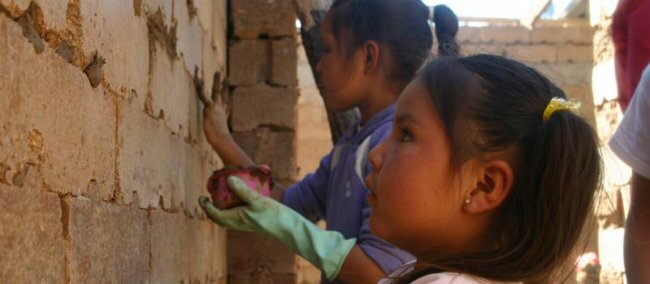 En el mismo año, el Gobierno de la Ciudad de México identificó que 563,200 habitantes carecían de calidad y espacios en la vivienda y 264,000 habitantes no tenían acceso a servicios básicos en sus hogares. En este contexto, el Instituto de Vivienda del Gobierno del Distrito Federal (INVI) buscó aliados con la finalidad de fortalecer el capital físico de esta población, el cual es uno de los activos más importantes en la pobreza urbana como señala Carole Rakodi en su enfoque, "Urban Livelihoods: A people-centred approach to reducing poverty".
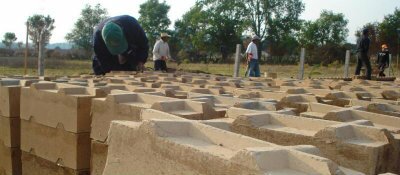 En el caso de ATM, la organización decidió priorizar los polígonos con pobreza en las zonas de Mixquic, Tláhuac; Parres y Topilejo en Tlalpan; y San Pablo Oxtotepec, Santa Ana Tlacotenco, y San Nicolás Tetelco en Xochimilco. A diferencia de las acciones que realiza la CDI, en el caso de ATM son los mismos integrantes de la comunidad en coordinación con actores de ATM quienes participan en la elaboración de la materia prima (tabiques), planean, organizan, reciben un micro crédito y construyen o rehabilitan las casas con el compromiso de pagar el crédito otorgado.
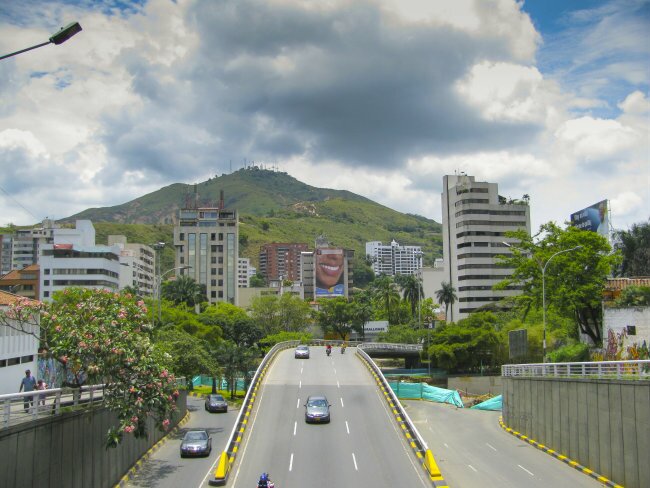 Estos problemas no son inevitables. Una planeación cuidadosa y políticas públicas bien pensadas y ejecutadas pueden traer resultados completamente diferentes, sin la necesidad de emplear recursos financieros adicionales. Un ejemplo de desarrollo que podríamos considerar prometedor es Ciudad Santa Bárbara. Está ubicado en Palmira, la misma ciudad que alberga el aeropuerto internacional de Cali. Ubicada a orillas de Cauca y con un entorno predominantemente rural, Palmira se encuentra a 22km del centro de Cali. El proyecto es masivo: 16.000 unidades de viviendas, a construir en 25 años, para un total de 60.000 habitantes. Los dos primeros conjuntos ya están en fase de construcción, y tienen un total de 398 unidades entre 56 y 83 metros cuadrados.
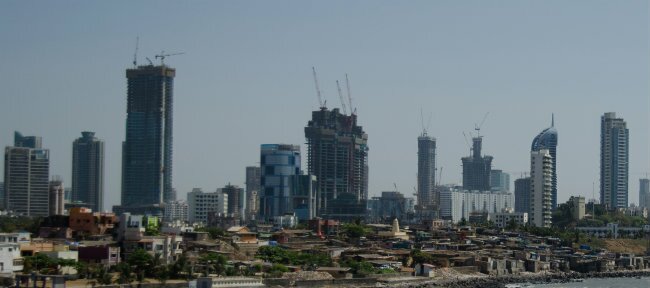 Under the MR&TP Act, every two decades, the municipality undertakes an exercise to update its most basic and essential plan for the development or redevelopment of public land in the city. Since the DP plans out access to municipal services — from parks to schools to toilet blocks, and of course, public housing — the document has great potential to be a building block tool in mapping out a more inclusive and equitable city.
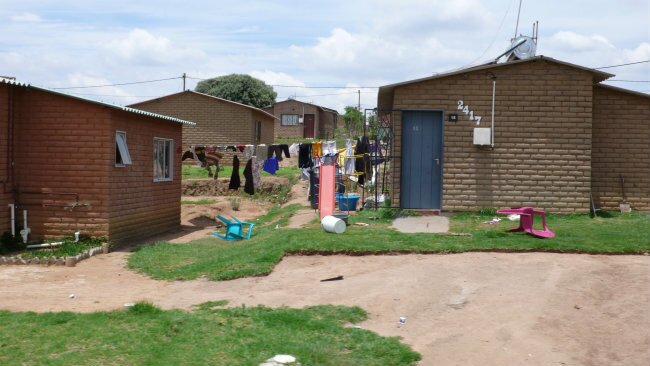 Inclusionary housing requires or provides incentives to private developers to incorporate 'affordable' or 'social housing' rentals as a part of market-driven, urban developments. Although the rental sector accounts for approximately 20 percent of households in South Africa, much of it in slum conditions, current provision is still insignificant relative to the demand. Since the model targets an aspirant middle class (the "gap market") rather than the poorest income groups, the government has received some criticism, especially from the Socio-Economic Rights Institute. There is also the further possibility of their displacement in rejuvenated urban centres unless appropriate mechanisms are put in place to mitigate this.
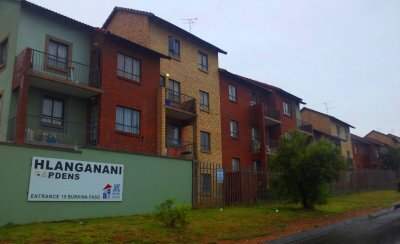 Another new direction in housing policy is mixed-income housing developments, usually undertaken in partnership with private sector housing developers and financial institutions. These award-winning, model mega-projects accommodate different income groups in different housing typologies, for "integrating communities in well located areas" as the government website states. This mix contains fully subsidised and partially subsidised units; non-subsidised, fully bonded houses sold on the open market; and a smaller number of apartments for rent. Initially, at the pioneering 'Cosmo City' mixed-income project in Johannesburg, wealthy property owners and the banks opposed the project, fearing that lower income groups would compromise the value of their properties or their investment. To ensure property values remained intact, the solution was a sprawling landscape of over 11,000 stands carefully apportioned according to house value, in what can only be called a 'class segregation'.
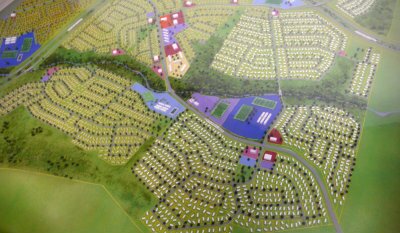 Despite the variations in tenure options, target markets, density and location, there is yet a sense of continuity among these different post-apartheid housing models which prompt reflection, on their historical processes and their futures. It is worth recalling that along with the great human achievement of eliminating formal racism and a new constitutionalism, South African democratization was still profoundly compromised by an intra-elite economic deal: enabling black nationalists to win state power, leaving in place a grossly inequitable economic system, and excluding most of the black majority from sharing in the country's vast mineral wealth.
Comments
Formalising bottom-up planning?
Carlin, interesting read about the People's Vision for Mumbai. Sounds like a great initiative, though I'm sure facing several challenges. Unni mentions that the consultations etc. on the DP are (unsurprisingly) not mandated in the MR&TP act; I wonder if you are aware of any efforts to formalise consultation/participation into the process? While having the right to participate and/or be consulted of course by no means ensures consultation/participation happens or that it is meaningful, it can nevertheless be used as a reference point to demand that right.
Consultations in DP
Nora, very good point, and it's something I'm sure this group would advocate for, if they aren't already. Since the DP happens only ever 20 years, it's seems to me just as important to think about how this group's efforts can be harnessed in the intervening years. It's rare to have so many different sectors come together in the city, even though the issues are so often very inter-related. It's even rarer to have the officials take notice of these groups. It will take some effort to keep this momentum going.
The city of Lagos' tenancy and home ownership schemes
The housing deficit prevalent in the city of Lagos cannot be address by HOMS initiated by the Lagos state government because the influx of Nigerians seeking greener pasture in the economic capital state of Nigeria increases geometrically than the number of housing provided by the governor. Historically, the failure of the Jakande estate to address the housing deficit when the population growth in Lagos is not high compare to the 2000s indicates that HOMS cannot address the problem. For the housing problem to be address, the federal government must embark on even development of the country so that residents in each state will be engaged in productive work. Also, the Lagos state government can partner near-by state to build satellite towns to absorb the excess population in Lagos state.
Housing: A challenge amongst other social issues
Damilare, thanks for your inputs.You are very right the issue of housing goes beyond the state government, given that its a challenge emanating from other social issues which are not necessarily concentrated in Lagos. People come to Lagos in droves. The state is trying to tackle this as best within its capacity hence the home ownership schemes. Where I would have loved to see better planning was in the execution of the scheme towards targeting the low middle income and poor which recently they seem to be doing. I recently heard the scheme now has a hire-purchase element to it that allows people rent-to own the property, an improvement that definitely works better fo rteh current challenges. I suppose the city could put more pressure at officials at the national level to ease the strains you have spoken about.
Vivienda como estrategia urbana.
Ana Cristina, coincido totalmente en que la vivienda es un elemento fundamental que determina cómo las ciudades se expanden en el territorio; pues bien no solo es dotar de un techo a los habitantes, sino que las viviendas estén conectadas a las zonas en donde se encuentran los servicios básicos, infraestructura de transporte, que sean zonas fuera de riesgo de desastres naturales, etc. Al igual que en Caracas, la Ciudad de México vive la misma problemática en donde la expansión de la mancha urbana se desarrolló dependiendo de la oferta y demanda de vivienda sin integrar una lógica de planeación; en este sentido hoy nos encontramos con la misma dificultad en donde ya no hay donde generar vivienda nueva que albergue a la población vulnerable o a la que se encuentra asentada de manera informal. Un gran reto de las ciudades es identificar alternativas innovadoras que contemple en donde albergar a toda la población sin comprometer los demás factores de las ciudades.
Gracias por tu comentario
Gracias por tu comentario María Fernanda. Estoy de acuerdo contigo, pero pienso que el reto de las ciudades es urbanizar, no crear viviendas para albergar familias que deben viajar horas para buscar trabajo y prefieren vivir en los asentamientos informales dentro de las grandes ciudades.
Community slum mapping — a housing solution? Gemma Todd
Hello Gemma,
Great article on Dar Essalam crisis and informal housing issue, as we have here in Cairo. Slums mapping is great idea, however, is there a real strategy developed by the government and civil society to take this mapping to further stage, i.e. improving the slums status, legalizing houses, creating utility networks for the slums for healthier accommodations...etc
I believe it is very important to have a comprehensive strategy in this case, starting with mapping and ends with implementation plan for better housing conditions.
Thank you,
Bringing in CSO and Governments
Hey Shaima, thanks for your response, I completely agree! In order to think about scaling up the idea of community mapping as a effective solution the government needs to think about utilising it as a tool for inclusive housing, which requires them changing how they see slums in the first place. At the moment there are no specific government initiatives to show that the strategy has been implemented, but I have provided a link below which provides some hope. I have attached a link to Slum Dwellers International and a article was written in January on 'getting to know your city' through data and mapping. The article discusses a meeting that took place last year, inviting East African stakeholders to discuss the theme of Community Profiling for Urban Planning. One of the conclusions is stated nicely in the SDI article, it states how the stakeholders (including government officials) recognised the positives of improving data and the our understanding of the city for effective planning, and also how the data would provide a basis for creating trust at multiple scales (governments to communities). However, what is worrying is the fact there hasn't been little development since. There needs to be more capacity building in communities and CSOs to carry out such tasks and hold governments accountable to such solutions, and promises they make to include communities in discussions on housing and service provision. One of the issue is how can plans progress in Tanzania. There are frequent meetings, but progress to the next stage, to effective implementation, has been limited. Which is a question of both what is going on the ground, and why are governments taking the time to push to the next stage.
Heres the link: http://www.sdinet.org/blog/categories/tanzania/
Thanks Shaima! Do you know of any cases where they use slum mapping in Cairo?
Additional - Urban Governance
Also Shaima, this link may be of relevance. The LSE recently collaborated with UN-Habitat and UCLG to complete research into urban governance. The objectives of the survey was: how to counteract the data challenge of cities today in order to think about improving urban governance, and to explore how to communicate and map urban governance for public dissemination, comparative policy and research analysis. If CSO's, CBOs, and communities themselves, utilise slum mapping it could form a basis for improving urban governance.
Inclusive Housing - Common themes
There are consistent themes across the articles. First, where the projects on affordable housing are yet to be implemented or are in the process of, institutional roadblocks seems to be the biggest hurdle. There is entry of private sector but fear of systematic land grab under the guise of affordable housing. Second, most of the schemes have been unsuccessful in the integration of community participation inspite of the need and desire for participatory democracy. Third, provision of housing isn’t enough and basic services and transport accessibility are important factors in making affordable housing schemes successful.
Successful case studies such as one of Janaadhar in Bangalore, CCODE in Lilongwe, UDRI in Mumbai and INVI in Mexico provide valuable lessons. Having successfully implemented participatory processes to draft vision and needs of the community, they are now working out solutions to provide better quality of construction and finance mechanism that make the provision of affordable housing sustainable over a longer period.
Mapping of slums in Cairo
Dear Gemma,
Thanks for your response. So, I believe now the mapping of informal areas is just a start and as you stated, what is worrying is the lack of progress in this regard. I believe even if CBOs get some capacity building and relevant training, without the government bodies involvement, it will be hard for those NGOs to proceed on their own. In Cairo, there are many initiatives for mapping of the informal areas. For example, Council of Ministers -Center of information and Decision Making conducted an inclusive study and precise mapping on those areas of more than 400 pages. You may check it here http://www.idsc.gov.eg/Publications/PublicationDetails.aspx?typeid=1&id=47 although it is in Arabic language. Some development happened during Mubarak regime, when the ex-first woman of Egypt adopted one local informal area called Zeinhom and at the same district she changed the utilities network for the houses there, ordered for building new modern buildings for the same people living there, ordered to establish a park at the same slum area and a library. The people of the slum were accommodation in new economic apartments for low consideration. So, as in Dar Essalam as in Egypt, government should proceed faster and without government real engagement, it would be hard for any party to step up. Looking forward to read your new article :)
Macro proyectos en Bogotá
Jorge, me parece muy interesante tu artículo sobre los macro proyectos en Bogotá. Me pregunto si ayudaría que hubiesen pensando en ofrecer viviendas para distintos grupos sociales y así generar diversidad y quizás oportunidades de trabajo dentro del desarrollo de vivienda que parece una pequeña ciudad. Igual me pregunto por qué el desarrollo no busca apoyarse en los servicios existentes de Soacha y el gobierno invertir en servicios básicos para toda la zona. Al tener distintas ofertas de vivienda un grupo podría pagar algo de plusvalía para ayudar al desarrollo de la infraestructura.
Participation is the key
Informal settlements mushroomed as people get in the city to find a living. And because informal settlements always unavoidable sometimes the government prepare less in anticipating the consequences. Several articles already mentioned how important community participation in planning process and identification of what they need as happened in Lilongwe or when people get involved in drafting Development Plan process in Mumbai. Participation is a vital element but always forgotten intentionally or unintentionally. In a country such as Indonesia, participation has been acknowledge within national development process regulation but the degree of participation is still questionable, and only few cities, as Ana’s stated, think housing as urbanization strategy.
With regard to housing mortgage, the current scheme in Indonesia allows people from middle-income families to have housing but not people from informal settlements that’s why government build social housing or flats with very low price for them to stay. Bank only has little involvement in this matter. That’s why I really interested in Vietnam case, how is the Bank response with the new policy and how do targeted communities react? is there any private developer involved in this scheme?
Add new comment