 Xăng sinh học E5: Cách nào để tránh cái chết yểu?
Tam Nguyen, Ho Chi Minh City Community Manager
Ho Chi Minh City, 14 tháng tư 2016
Việt Nam xếp thứ 2 thế giới về số người sở hữu xe máy bình quân, với 460 xe máy cho mỗi 1000 người Việt. Để đáp ứng đủ nhu cầu nhiên liệu khổng lồ trong nước, Việt Nam đã dần trở thành quốc gia có mức tiêu thụ nhiên liệu tăng nhanh nhất trong khu vực, vượt cả Trung Quốc, và được dự kiến sẽ chuyển từ nước xuất khẩu sang nhập khẩu nhiên liệu với nguồn dự trữ dầu đang dần cạn kiệt. Bên cạnh đó, tình trạng ô nhiễm không khí ở các thành phố lớn như Hà Nội và TP. HCM trong giờ cao điểm đã vượt quá ngưỡng cho phép từ 5-7 lần, mà nguyên nhân chính là do khí thải xe cộ gây ra.

Trong năm 2012, với hy vọng sử dụng các chất phụ gia tái tạo được có nguồn gốc động thực vật để cải thiện vấn nạn ô nhiễm không khí, giảm lượng khí thải carbon và hạn chế sự phụ thuộc vào nhiên liệu hóa thạch, Thủ tướng Chính phủ đã thông qua Quyết định số 53/2012/QĐ-TTg, tiêu đề "Quyết định về việc ban hành lộ trình áp dụng tỷ lệ phối trộn nhiên liệu sinh học với nhiên liệu truyền thống". Hai năm sau đó, vào ngày 01/12/2014, một sản phẩm nhiên liệu sinh học mới có tên E5 đã được đưa vào bán đại trà lần đầu tiên tại 7 tỉnh, thành phố ở Việt Nam, trong đó có TP. HCM. Cái tên E5 biểu thị cho tỉ lệ 5% ethanol được phối trộn với 95% xăng truyền thống. Ethanol này được sản xuất từ nguồn gốc thực vật như ngô, sắn, do đó có tên gọi nhiên liệu sinh học. E5 là bước đi đầu tiên của chính phủ trong nỗ lực thoát khỏi viễn cảnh phụ thuộc nặng nề vào nhiên liệu hóa thạch nhập khẩu, và hướng tới một tương lai bền vững hơn cả về kinh tế, giao thông và môi trường sống.
Thế nhưng, không như kỳ vọng của các nhà hoạch định chính sách, phần lớn người tiêu dùng ở Việt Nam vẫn e ngại chưa muốn chuyển sang E5, với lý do chính dường như nằm ở sự kém hiệu quả của công tác truyền thông.
E5 – bí ẩn sinh học
Như đã đề cập, thành phần cấu thành của xăng sinh học E5 thực ra tương đối đơn giản và quen thuộc. Tuy nhiên, hầu hết người tiêu dùng đều nghĩ rằng E5 là một phát minh hoàn toàn mới và không thể để trộn lẫn với xăng truyền thống, nếu không sẽ gây tổn hại cho động cơ xe của họ.
Không chỉ vậy, người tiêu dùng thậm chí còn mờ mịt hơn về lợi ích của E5, ngoài việc tiết kiệm được một khoản nhỏ 500 đồng/lít so với đổ xăng thông thường và cảm giác có ích cho môi trường mơ hồ mà cái tên ‘xăng sinh học’ mang lại. Trong thực tế, E5 có thể mang lại nhiều lợi ích cho xe máy và ôtô, bao gồm cả việc tăng hiệu suất động cơ và hiệu quả bảo dưỡng máy. Tuy nhiên, vẫn chưa có thống kê chính thức nào được đăng tải về lợi ích của E5 cho các dòng xe cụ thể, và thông tin truyền thông của chính phủ hầu hết chỉ đơn giản tập trung vào giới thiệu một sản phẩm mới.
Với sự vắng bóng của công tác truyền thông rõ ràng, sau một năm thí điểm, E5 vẫn là một bí ẩn đối với người tiêu dùng. Trong năm 2015, chỉ có 169 trong tổng số 13.000 trạm xăng dầu trên cả nước cung cấp xăng E5, và sản phẩm sinh học này chỉ chiếm 12,5% tổng mức tiêu thụ nhiên liệu của các trạm.
Cứu lấy xăng E5
Hoàn cảnh ảm đạm của E5, dù vậy, không nên được xem như là một kết thúc đáng buồn không thể thay đổi, mà là một cơ hội để cải thiện tốt hơn. Điểm đầu tiên để cải thiện, rất rõ ràng, là công tác truyền thông và nâng cáo nhận thức. Cần thay thế các khẩu hiệu chung chung kêu gọi người dân sử dụng xăng E5 vì lợi ích môi trường nhưng vắng bóng các số liệu thông kê cụ thể bằng các băng rôn được thiết kế bắt mắt dễ hiểu và truyền tải các thông tin cụ thể. Hơn nữa, các thông điệp truyền thông không nên chỉ tập trung vào mục tiêu lớn bảo vệ môi trường, mà những lợi ích cụ thể rõ ràng và liên quan mật thiết đến phương tiện sử dụng nhiên liệu của người tiêu dùng cần được nhấn mạnh hơn.
Thứ hai, các cơ quan hữu trách cần nghiên cứu và công bố các số liệu xác thực về lợi ích của xăng E5, cùng với lời đảm bảo về chất lượng sản phẩm để xây dựng niềm tin nơi người tiêu dùng đối với sản phẩm mới này. Người tiêu dùng cần được đảm bảo rằng ethanol được phối trộn là tinh khiết, nguồn cung cấp E5 là ổn định, và dòng xe của họ nhận được tác động có lợi từ sản phẩm sinh học này, trước khi có thể đưa ra quyết định chuyển đổi thói quen sử dụng nhiên liệu của mình.
Cuối cùng, một lộ trình có cấu trúc hơn và bình đẳng hơn dành cho các nhà bán lẻ xăng dầu trên cả nước cũng là một việc cần phải làm ngay. Trong khi một số nhà bán lẻ tiên phong buộc phải đầu tư ban đầu rất lớn về bồn chứa và trụ bơm dành cho E5 mà không được trợ giá hợp lý từ chính phủ, nhiều nhà bán lẻ tư nhân vẫn đứng ngoài cuộc. Nếu như E5 không đạt được khoảng cách đáng kể về giá bán hoặc độ phủ rộng lớn trên hệ thống trạm xăng toàn quốc, người tiêu dùng vẫn còn ngần ngại thay đổi, và các nhà bán lẻ tiên phong thực sự phải chịu bất công.
Câu chuyện hiện tại của E5 tại Việt Nam có thể chỉ cho chúng ta thấy rằng để một sáng kiến xanh thành công, chỉ một sản phẩm tốt và sự đồng thuận của chính phủ là chưa đủ, mà phải đi cùng với một kế hoạch triển khai được thiết kế tốt và truyền thông hiệu quả.Close.
Photo: Tam Nguyen
Permalink to this discussion: http://urb.im/c1604
Permalink to this post: http://urb.im/ca1604hcv
Fixing the toilets: One step toward the "city for all"
Tam Nguyen, Ho Chi Minh City Community Manager
Ho Chi Minh City, 14 April 2016
Vietnam is ranked second globally for its average motorbike ownership, with 460 motorbikes for every 1,000 Vietnamese. In coping with the enormous domestic fuel demands, Vietnam has become the fastest growing fuel consumer in the region, surpassing China. Vietnam is expected to turn from a fuel exporter to a fuel importer, as its own oil reserves are depleting. In addition to that, the air pollution in big cities, such as Hanoi and HCMC during rush hours, has exceeded the threshold by five to seven times, which is due mostly to vehicle emissions.
In 2012, hoping to improve vehicle emissions, reduce the carbon footprint and lessen the dependence on fossil fuel by using renewable fuel additives from animal or plant origins, the Prime Minister passed Decision No 53/2012/QD-TTg, titled “Roadmap for Application of Ratios for Blending Biofuels with Traditional Fuels.” Two years later, on December 1, 2014, a new biofuel product named E5 was put on mass sale for the very first time in seven provinces and municipalities in Vietnam, including HCMC. The name E5 signifies the five percent ethanol mixed with the rest 95% of traditional petrol. This ethanol is produced mostly from plant materials like corn and cassava, thus the name biofuel. E5 is the first step the government has made in trying to avoid its heavy fossil fuel importer destiny and moving toward a more sustainable future.
But all has not gone as planned. The majority of fuel consumers in Vietnam have been reluctant to switch to E5, with the reason seemingly being uneffective public communication.
The myth
The composition of E5 biofuel is simple to understand; however, most people thought E5 was a completely new invention and should not be mixed with the traditional petrol or it would harm their vehicles’ engines.
Not only that, consumers felt even more blurry about the benefits of E5: just a tiny economic gain of 500 dong/liter and a vague environmental benefit that its name may somehow suggests. In fact, E5 offers a range of benefits for motorbike and car users, including better engine performance and maintenance. Nonetheless, there have been no official statistics published on the impacts of E5 for specific models of vehicles, and most governmental communication focused just on simply introducing the product.
With the absence of clear public communication, after a pilot year, E5 remains a myth to consumers. In 2015, there were only 169 in 13,000 gas stations all over the country that offered E5, and this biofuel only accounted for 12.5% of these stations' total fuel consumption.
Preventing a premature death for E5
The murky situation of E5, however, should not be seen as a certain sad ending, but as an opportunity for improvement. The first area to improve, clearly, is public communication and awareness. Well-designed infographic banners should replace the existing unspecified slogans, which tell people to use E5 because it would be good for the environment. Moreover, real and explicit benefits that closely tie to consumers’s own vehicles should be emphasized, as well.
Secondly, responsible governmental authorities are to publish more evidence of the benefits and promise of quality to confirm the consumers’ trust for the new product. Consumers need to be assured that the ethanol is pure, the E5 supply is stable, and their specific vehicle models are benefitting from the biofuel before they make their decision to change.
Lastly, a more structured and equal treatment of petrol retailers across the country is needed. While some pioneering petrol retailers had to make huge initial investment for E5 tanks and pumps with no significant subsidies, many private retailers still remain bystanders. Without either a substantial decrease in price or mass availability of E5, consumers still hesitate to change, and the pioneering retailers, unfairly, have had to suffer.
The current case of E5 in Vietnam could show us that for a green initiative to succeed, not only an effective product and governmental support are needed, but also a well-designed operation plan with effective communication.Close.
Photo: Tam Nguyen
Permalink to this discussion: http://urb.im/c1604
Permalink to this post: http://urb.im/ca1604hcv

 April 2016 — From Madrid to Helsinki to Paris, cities across the world have been banning cars in favor of cleaner and greener ways of getting around, including walking, biking and public transportation. And the shift isn’t just happening in Europe. Cities across the Global South are increasingly seeing the repercussions of car-focused development and are beginning to experiment with integrating sustainable options into city plans, from bike lanes to better sidewalks to cycle-sharing programs. Even small-scale initiatives start to shift mindsets, and the benefits not only help to unclog congestion but make a dent in addressing climate change, as well.
 Bajaj sebagai alternative Transportasi Publik Perkotaan

 Advocating for the rights of pedestrians and a better environment
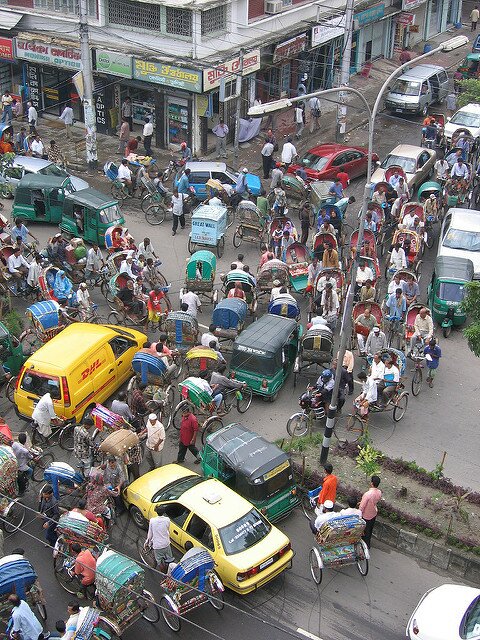 The current situation in Dhaka in terms of footpath availability, footpath quality, safety of pedestrians and facilities for disables and pedestrian amenities is poor and policymakers lack much needed enthusiasm for reform. Rather, there are policies to punish those who do not use foot-over bridges that require people to take two long flights of stairs to make the lives of drivers easier than pedestrians.
 Andar en bicicleta en Medellín
 El último plan de desarrollo territorial apunta entonces a fomentar los modos de transporte "verdes." Se implementan varios proyectos : la ciudad está construyendo nuevos sistemas de transporte público como las líneas de metroplus y tranvía, los metrocables, y trabaja en fomentar la caminata y el uso de la bicicleta.
 Elétricos Compartilhados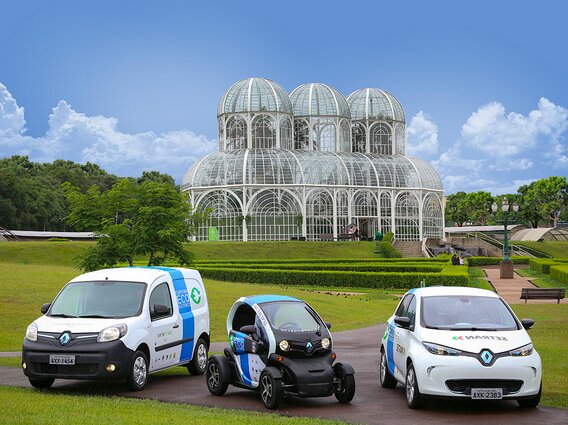

 Potenciando el uso del transporte público en Bogotá

 Bengaluru commuter rail service: Namma Railu


 Bridging the Pedestrian Gap: Johannesburg’s attempt to pedestrianize a car-oriented city
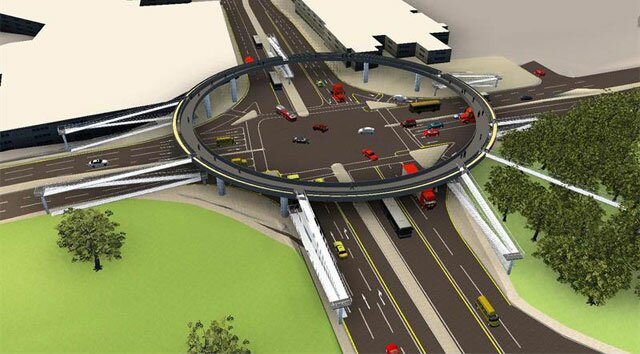 Another concern is the further erosion of public space. Although billed as a pedestrian-friendly intervention, the conception of a flyover bridge to solve vehicle-pedestrian conflicts inherently favours the car: missing the important distinction between an urban boulevard and a highway, conceiving of the space on the ground as sacred for cars, and making it the role of pedestrians and cyclists to get out of their way. The project also proposes to install fencing along stretches of sidewalk nearby, a way of militarizing the street ostensibly to protect pedestriansand prevent jaywalking, but in the process revoking public space from them and handing it over to vehicular traffic.
 From car free Sundays to sustainable cities: Can Raahgiri catalyze long-term change?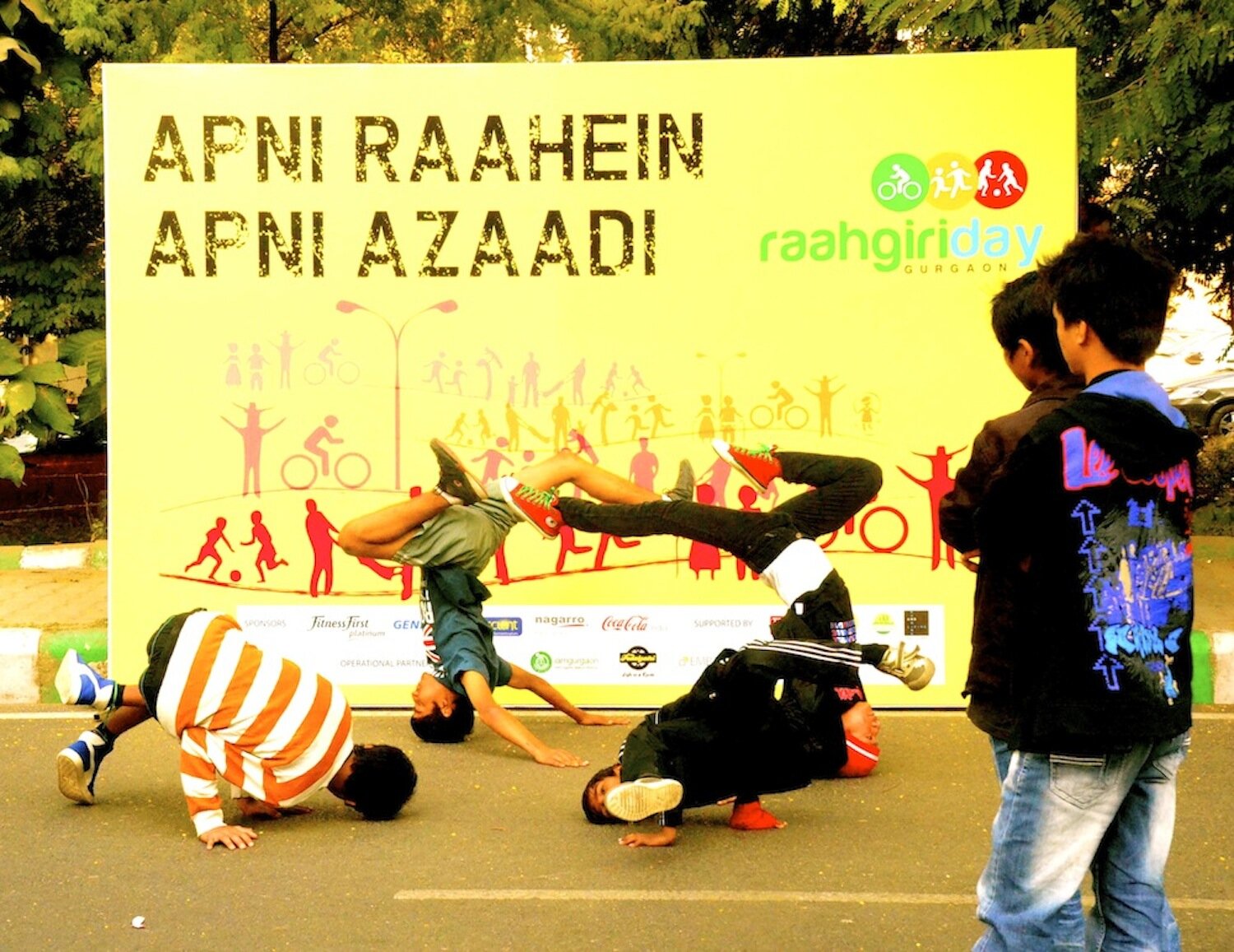
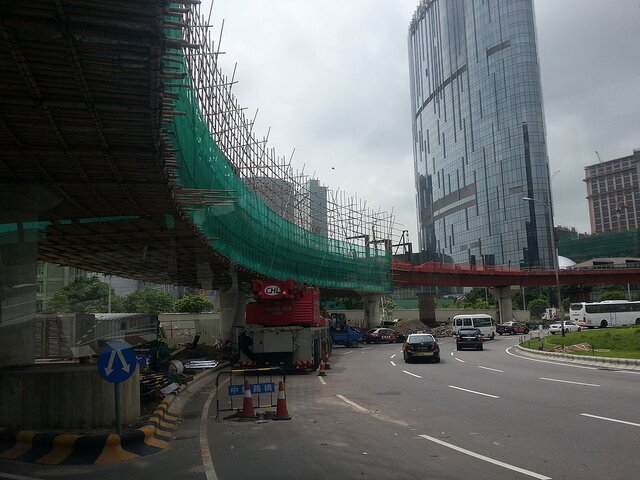 Chittagong Government has taken the initiative to build a 23-km long Akhtaruzzaman Chy flyover in Chittagong, one of the major coastal seaport cities of Bangladesh. This flyover is mainly built to help international trade grow in Bangladesh. It links the major seaport city of Bangladesh to the airport in the capital, Dhaka. It would not just serve as the development in transport system but also would help to increase economic growth and employment levels within the country. As the city of Chittagong has a seaport from which international trade regularly takes place, a flyover would help smooth the transaction of goods to and from the capital where most industries and firms are located. Being one of the most populated countries in the world with 156.6 million people, the hope is that people will be able to find new employment opportunities as trade prospers and industries grow.
 Smart moves to curb traffic congestion

 Nuevo Modelo de Movilidad de la CDMX

 Moving Nairobi’s traffic off the road and onto the rail
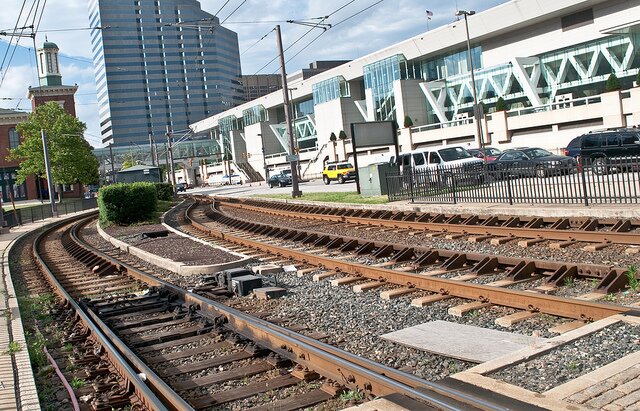 Fortunately, the County will not be starting to tackle this issue totally from scratch. The existing commuter rail network developed on the back of the metre gauge railway line, whose construction was completed in 1901, and it has seen its fortunes change over time. The Kenya Railways Corporation estimates that about 12,000 commuters use the rail service daily. Concerted attention will need to be paid to rail services, in order to improve their utility and allow them to compete with alternative travel modes. Enabling policies will encourage adequate investment in the rail system: the business needs to be marketable as a profit-maker to attract private sector funds. In a classic catch-22 situation, there needs to be a minimum threshold of service to attract more commuters, but there also needs to be sufficient investment in order to provide service.

 Pushing for sustainability: can technology reduce congestion?
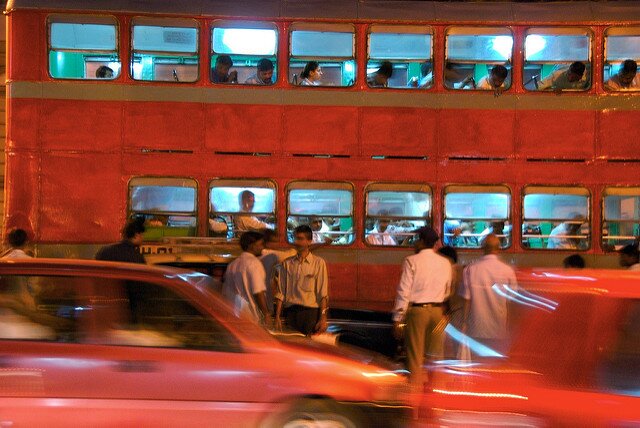 Moovit, a mobile app, was launched in Mumbai in January 2016 to help combat congestion sustainably. Co-founders NirErez and Roy Bick developed the app in 2012 in Tel Aviv as a solution to their frustration with the lack of accurate data on public transportation. Moovit facilitates smoother commutes by using real-time data. Upon entering their origin and destination, users are provided with a plethora of routes, using public transportation, to help them navigate their trip. Moovit’s unique selling point is its ability to work with up to the moment facts and figures: the actual location of buses and trains. Thus, it can deduce whether bus routes are running slow or if trains are delayed, and informs commuters so they can plan their trips differently.

 ويعتقد الخبراء انه إذا تمت صيانة الاتوبيس بصورة جيدة وإدارته بأسلوب عملي، فمن المعتقد انه سيساعد فعلا في حل ازمة المواصلات في القاهرة كما سيوفر وسيلة نقل آمنة للناس للانتقال من مكان لآخر. وعلى الرغم من ذلك يعاني الأتوبيس من الكثير من المشكلات ويشكو الناس من تلك الخدمة التي يمكن ان تكون وسيلة نقل متميزة إذا حسُن استخدامه. المشكلة الأولى لتلك الوسيلة هي ضعف احتياطات السلامة، حيث لا يوجد قمصان نجاه من الغرق للركاب الذي يصل عددهم احيانا لمائة فرد في المرة الواحدة. علاوة على ذلك لا يتم اتباع اجراءات السلامة بالنسبة لطفايات الحريق حيث أن عددها غير كاف وتقع أسفل المقاعد، فضلا عن عدم الاهتمام بنظافة الاتوبيس حيث يمكن للمسافرين العثور على بقع من الزيت على المقاعد. كما أن هناك مشكلة صيانة، حيث يصدر الكثير من الدخان الكثيف من المحركات، والذي يمكن أن تؤثر على سلامة وصحة الركاب على المدى البعيد ناهيك عن الضوضاء التي تصدر من المحرك.
Comments
New Mobility Model in Mexico City
Hi Maria,
What a great initiative! The New Mobility Model seems like it is a holistic and multifaceted approach to tackling congestion and environmental issues! My only question is how does the model plan to switch car users to public transit commuters? Will more metro stops and integrated systems be enough to persuade those who take the car to switch? Or are there marketing schemes or congestion charges in the works?
New Mobility Model in Mexico City
Hi Maria,
What a great initiative! The New Mobility Model seems like it is a holistic and multifaceted approach to tackling congestion and environmental issues! My only question is how does the model plan to switch car users to public transit commuters? Will more metro stops and integrated systems be enough to persuade those who take the car to switch? Or are there marketing schemes or congestion charges in the works?
Reto de la movilidad
Actualmente la Ciudad de México está poniendo a prueba todas sus instituciones relacionadas con la movilidad. Desde inicios de Abril, la Ciudad ha presentado la más alta concentración de contaminación e IMECAS en los últimos 14 años, debido a las altas temperaturas y contaminantes. En este sentido, el gobierno de la Ciudad instauró el "Hoy No Circula" un programa que restringe la circulación a los autos una vez a la semana, anteriormente era para los autos que emiten emisiones y ahora es para todos los autos aunque no contaminen. Con este programa dejan de circular un millón de autos de manera diaria, lo que arroja a más de un millón de personas a utilizar alternativas de movilidad como el transporte público, o el uso de aplicaciones como UBER. En estos días la movilidad se ha visto retada, los taxis han subido sus tarifas y el transporte público está sobre saturado. Hoy mas que nunca la Ciudad necesita de estrategias innovadoras para traslados de grandes distancias, que sean de bajo costo y de fácil utilización.
From car free sundays to sustainable cities
Hi Mukta
Great article. I wonder as this experiment started from Gurgaon, and in order to encourage replicating the same experience elsewhere, were there any produced statistics on the impact of these Free-Car days on environment and people's health and life so it can be published by NGOs to increase people awareness and expand the experience?
Thank you,
Shaima
Add new comment