 اليونسكو والحكومة المصرية يعملان عن كثب للحفاظ على المواقع التاريخية في القاهرة
Shaima Abulhajj, Cairo Community Manager
Cairo, 6 September 2016
إن مصر القديمة واحدة من الحضارات الأكثر نفوذا في العالم كله طوال التاريخ، حيث تتمتع هذا البلد بثلث آثار العالم.
وتمثل مصر الصراع الدائم بين التنمية والسياحة، والبيئة، والمجتمع المحلي، لكن مصر تمثل دراسة حالة مثالية للبلدان الأخرى فيما يخص تطوير مساحات التراث الثقافي الخاصة بها. ومع العديد من مساحات التراث الثقافي غير العاملة حاليا في القاهرة، تمثل مصر مثالا على طريقة تأثير العمارة على كل من البيئات الطبيعية والبشرية عندما يتم تعجيل المشاريع أو عندما لا تؤخذ البيئة المحلية في الاعتبار عند تصميم وتخطيط المدن.
وفي يوليو 2010، أطلق اليونسكو، بالتعاون مع محافظة القاهرة، مشروع التجديد الحضري للقاهرة التاريخية (URHC) في إطار برنامج أكبر من المساعدة التقنية للحكومة المصرية بشأن إدارة ممتلكات التراث العالمي. ويهدف URHC لإعداد أدوات الإدارة والتخطيط اللازمة للحفاظ على القيم التراثية في المدينة، بالإضافة إلى التنشيط الاجتماعي والاقتصادي والتقدم البيئي والحفاظ على الممتلكات الأثرية.
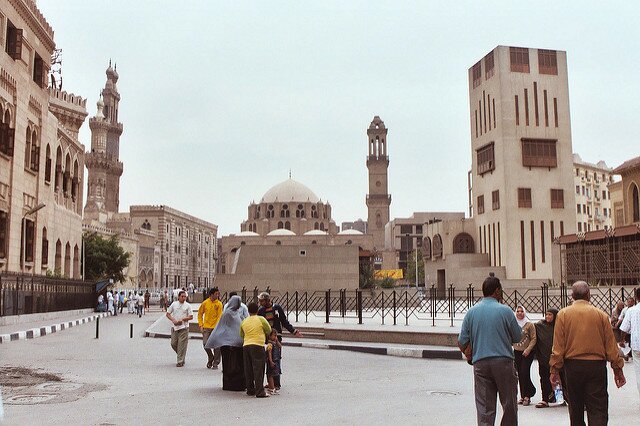
وتعتزم URHC تعزيز وتطوير سياسة متلاحقة للحفاظ على المعمار الحضاري والتي يجب أن يتوافر بها بعض المتطلبات الرئيسية والتي منها تعريف وتحديد مفاهيم واضحة ومشتركة في الحفاظ على التراث، ليتم تنفيذها من خلال أدوات متطورة للتخطيط العمراني، وكذلك مشاريع ولوائح بناء معينة ودعم قدرات مؤسسية ماهرة ذات كفاءة وخاصة لدى الموظفين الفنيين في الحكومة فضلا عن زيادة ونشر الوعي بقضايا التراث بين السلطات والجمهور الأكبر.
ويهدف المشروع إلى تحقيق بعض الأهداف، بما في ذلك إعداد خطة للمحافظة على ممتلكات التراث العالمي في القاهرة التاريخية والمناطق المرتبطة بها، والتي ستشمل خطة الإدارة المطلوبة بموجب المبادئ التوجيهية التشغيلية للتراث العالمي، بالإضافة إلى إنشاء إطار عمل مؤسسي للقيام بوضع سياسة الحفاظ الحضرية المستدامة، وكذا تعزيز التنسيق والتعاون بين مختلف المؤسسات والإدارات والهيئات التي تعنى بإدارة ممتلكات التراث العالمي. وأخيرا يهدف المشروع لخلق منصة المعلومات المناسبة والمشتركة للحفاظ على المناطق الحضرية.
وعلى الرغم من كون المشروع طموحا جدا، فقد جاء باعتباره خطوة لا مفر منها لحماية والحفاظ على المواقع التراثية المهمة ودمج وسائل الحماية في التخطيط العمراني في العاصمة وخاصة بعد ثورة يناير عندما تضررت العديد من المواقع التراثية القيمة بشدة خلال الاضطرابات السياسية التي شهدتها البلاد.
Close
Photo: Hannah Pethen
Permalink to this discussion: http://urb.im/c1609
Permalink to this post: http://urb.im/ca1609cra
UNESCO and Egyptian government work closely to preserve historical sites in Cairo
Shaima Abulhajj, Cairo Community Manager
Cairo, 6 September 2016
Ancient Egypt is one of the most influential civilizations in the history of the world. The country enjoys one third of the world's monuments.
Egypt represents the constant struggle between tourism development, the environment, and the local community, but the country provides an ideal case study for other countries to examine when looking to develop their own cultural heritage spaces. With several currently ineffective cultural heritage spaces in Cairo, Egypt represents an example of the modality of impact of architecture on both the natural and human environments when projects are expedited or the local environment is not taken into consideration in design and urban planning.
In July 2010, UNESCO, in co-operation with the Cairo governorate, launched the Urban Regeneration Project for Historic Cairo (URHC) under a larger programme of technical assistance to the Egyptian Government concerning the management of World Heritage properties. URHC aims to prepare the planning and management tools necessary for the conservation of the heritage values in the city, in addition to the socio-economic revitalisation, environmental advancement, and maintenance of the sites.
URHC intends to foster and develop a consequent urban conservation policy whose main prerequisites are 1) the definition of clear and shared concepts on heritage conservation, to be executed through advanced urban planning tools, special projects, and building regulations; 2) the creation of adequate institutional capacities and technical skills of the government staff members; and 3) an increasing and spreading of awareness of heritage-related issues amongst the authorities and the wider public.
The project aims to achieve some lofty goals, including the preparation of a conservation plan for the World Heritage property of Historic Cairo and its associated zones, which would include the management plan required under the World Heritage Operational Guidelines. This is in addition to the establishment of an institutional framework to undertake and develop a sustainable urban conservation policy, promoting coordination and collaboration amongst the different institutions, administrations, and agencies which are concerned with the management of the World Heritage property. Finally, the project targets to create an appropriate and shared information platform for urban conservation.
Despite being very ambitious, the project comes as a very forward-thinking step to protect and maintain the important heritage sites and integrate protection means in the capital's urban planning. This is particularly critical after the January revolution when many valuable heritage sites were severely damaged during the political turbulence.
Photo: Hannah Pethen
Permalink to this discussion: http://urb.im/c1609
Permalink to this post: http://urb.im/ca1609cra