 طة التنمية العمرانية الإستراتيجية لبرنامج الأمم المتحدة الإنمائي لمنطقة القاهرة الكبرى: خطة طموحة لخلق تغيير حقيقي
Shaima Abulhajj, Cairo Community Manager
Cairo, 1 January 2016
كما هو الحال في المدن الكبرى حول العالم تعتبر القاهرة بمثابة المحرك الرئيسي للنمو الاقتصادي ومركز تجمع السكان في مصر، لكن ذلك يصاحبه العديد من التحديات الرئيسية؛ أهمها التخطيط وسلامة البنية التحتية وتوافر الخدمات التي يجب أن تواكب النمو الحضري السريع والزيادة السكانية في المدينة. وفي محاولة لإعادة تخطيط القاهرة ودعم قدرتها التنافسية وتحسين تقديم الخدمات، أطلقت الحكومة المصرية مؤخرا مشروع طموح، بالتعاون مع وبرنامج الأمم المتحدة الإنمائي والأمم المتحدة للمستوطنات البشرية لإعداد خطة التنمية العمرانية الإستراتيجية للمنطقة من أجل ضمان تحقيق نوعية حياة أفضل لسكان القاهرة وتعزيز مكانتها باعتبارها "مدينة عالمية" ووجهة حضرية رئيسية في العالم العربي.
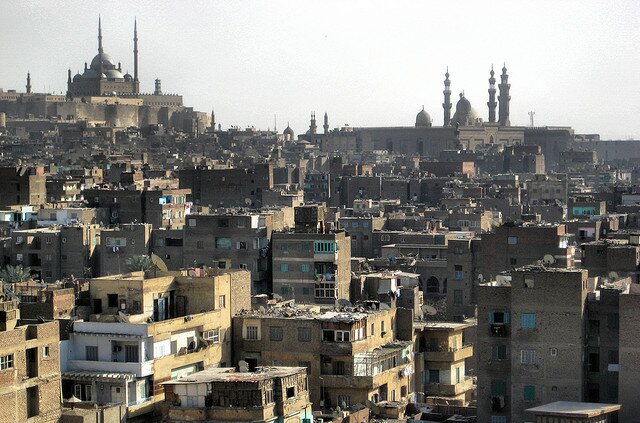 ويعقد المرالهدف الرئيسي للمشروع هو تطوير رؤية للقاهرة حتى 2050 باستخدام نهج تشاركي عملي، كما تهدف لإعداد خطط للمشاريع ذات الأولوية الوطنية مثل التنمية الحضرية وتطوير قطاع شمال مدينة الجيزة في إطار نهج جديد للشراكة بين القطاعين العام والخاص لتحسين العشوائيات ومنع نمو المزيد من الأحياء الفقيرة. وعلاوة على ذلك، يسعى المشروع إلى إنشاء وحدة الرصد الحضري المحلي لإقليم القاهرة الكبرى كآلية لرصد التنمية الحضرية ودعم تطوير السياسات الحضرية المستقبلية بالإضافة إلى تعزيز قدرات الفاعلين المحليين في النهج التشاركي والتخطيط الاستراتيجي والإدارة والتنفيذ.
وقد تم اتخاذ العديد من الإجراءات بما في ذلك إستراتيجية الاتصالات التي وضعت لهذا المشروع لزيادة التوعية والتواصل مع أصحاب المصلحة، وكذلك وضع اللمسات الأخيرة على رؤية القاهرة الكبرى كي تكون مشتركة مع الجهات المعنية في إطار الحوار الوطني، كما تم إعداد الدراسات التفصيلية لعدد من المناطق الحضرية، ووضعت دراسات الجدوى لتنشيط وتطوير بعض المناطق، بينما وُضعت الخطط الرئيسية الإستراتيجية لعدة أحساء قاهرية، وتم إنشاء هيئة تنسيق مسؤولة عن جمع وتحليل البيانات لإحصاء المؤشرات الحضرية.
وينتج عن المشروع العديد من المخرجات والتوقعات، وبالتالي فإن الهدف طويل الأجل للمشروع يكمن في المساهمة في التنمية الحضرية المستدامة في القاهرة وزيادة قدرتها التنافسية على الصعيدين الإقليمي والعالمي وكذلك تحقيق عدد من التوقعات والغايات والتي تشتمل على تعزيز الروابط العالمية وإحداث التكامل بين المناطق الحضرية والمجتمعات العمرانية الجديدة، وتفعيل الدور الاقتصادي للعاصمة وإبراز القدرة الاقتصادية التنافسية للاستفادة من الطاقات والقدرات الكامنة في المناطق المستهدفة، وزيادة كفاءة عملية إدارة المدينة؛ وتعزيز المشاركة الفعالة بين أصحاب المصلحة الرئيسيين في عملية صنع القرار والتخطيط من خلال منهج التخطيط الاستراتيجي. ويصل الأفق الزمني للمشروع حتى عام 2050 رغم بدء خطة عمل قصيرة / متوسطة الأجل بالفعل والتي تنطوي على عدد محدود من الأنشطة الرئيسية، مثل وضع خطط التطوير لأحياء القاهرة الفقيرة والعشوائيات داخل المحافظة والمناطق المحيطة بها ونقل الوزارات والمباني الحكومية إلى مركز حكومي جديد خارج العاصمة، ونقل الأنشطة الملوثة للبيئة خارج المدينة، وتطوير حركة المرور ووضع خطة إستراتيجية للنقل.
Photo credit: Francisco Anzola
Permalink to this discussion: http://urb.im/c1601
Permalink to this post: http://urb.im/ca1601cra
An ambitious plan to change the course of Greater Cairo by 2050
Shaima Abulhajj, Cairo Community Manager
Cairo, 1 January 2016
As with other mega-cities, Cairo is the main engine of economic growth and the main population center in Egypt. Yet, this note comes with many key challenges – most importantly, planning, infrastructure and service delivery, which have barely managed to keep up with very rapid urban growth over the past four decades. In an effort to re-plan Cairo and regain its competitive endowments and improve service delivery, the Egyptian government has recently launched an ambitious project, in collaboration with UN-Habitat and UNDP to prepare a Strategic Urban Development Plan for the region in order to ensure that Greater Cairo manages to attain a better quality of life for its inhabitants and enhance its position as a "global city" and a prime urban destination in the Arab World.
The project’s main objective is to develop a vision for Cairo until 2050, using a practical participatory approach. It is also designed to prepare well-tailored plans for prioritizing subsidiary projects with national significance, such as the urban development and upgrading of the north sector of Giza city. There, the goal is to implement a new public-private partnership to develop informal settlements and prevent expansion of slums. Furthermore, it seeks to establish the Local Urban Observatory Unit for Greater Cairo Region as a monitoring mechanism for urban development to support the development of future urban policies, in addition to strengthening the capacity of local actors in participatory and strategic planning, management and implementation.
Under the umbrella of this project, many measurements were taken, including a communication strategy that was developed for the project to increase its outreach and communication with all stakeholders. The vision for Greater Cairo is being finalized and will be shared with stakeholders for a national dialogue. Detailed studies were prepared for a number of urban areas, and some feasibility studies were developed for the revitalization and upgrading of some central zones. Additionally, strategic master plans were developed for several districts, and a coordinating body responsible for collecting and analyzing data to compute urban indicators has been established.
The project has many outcomes and expectations, but the long-term goal of the project is to contribute to the sustainable urban development of the Greater Cairo Region and increase its competitiveness on both the regional and global levels. The big vision will be achieved through a number of short-term impacts, such as strengthening the global linkages and integrating the existing urban built-up area and new urban communities; defining the economic role and the competitive economic clusters of the region to leverage their potential; increasing the efficiency for managing the region; and consolidating the active participation of key stakeholders in the decision-making and planning process through the strategic planning approach.
The time horizon for the project is the year 2050, but will start with short- and medium-term action involving a few key activities, such as developing upgrading plans for existing slums and informal settlements within the region and surrounding them with new planned areas to prevent their informal expansion. Also, there are plans to transfer ministry and governmental buildings from the old inner-city center to a new governmental center; relocate polluting land uses outside the inner city areas; and develop a new traffic and transportation strategic plan, among other main deliveries. If successful, Cairo in 2050 will be a much more equitable and sustainable city – and, perhaps, be among the global urban players.
Photo credit: Francisco Anzola
Permalink to this discussion: http://urb.im/c1601
Permalink to this post: http://urb.im/ca1601cra