 Huertas urbanas en Medellín
Lou D'Angelo, Gestor Comunitario de Medellin
Mientras se celebra la COP21 en Paris, las ciudades de todo el mundo buscan soluciones innovadoras para enfrentar el cambio climático. El acuerdo internacional esperado es crucial, pero más allá de las políticas estatales, hay que reconocer la importancia de las pequeñas iniciativas de la sociedad civil al nivel local.
Lamentablemente, a veces los movimientos ecologistas están percibidos como algo de ricos, y las soluciones que llevan al nivel local pueden ser vistas como "comportamientos hípsters," como comprar comida orgánica y muy cara, o andar en bicicleta eléctrica. Sin embargo, las iniciativas ecologistas no son sólo de los ricos y para los ricos, y hay que promover las iniciativas que enfrentan simultáneamente los dos desafíos mayores que las ciudades encaran hoy en día: el cambio climático y la pobreza urbana. Las huertas urbanas son una de estas iniciativas.
El cultivo de frutas y vegetales en la ciudad permite reducir el efecto "isla de calor urbana," y participa en reducir el transporte, embalaje y refrigeración de la comida. Así, está reconocido como una solución para enfrentar el cambio climático al nivel local. En el caso de Medellín, varios proyectos de agricultura urbana benefician a los pobres: así, una misma solución resuelve problemáticas sociales y ambientes.
En Pinares de Oriente, un barrio en la periferia de la ciudad, uno se siente a la vez en la ciudad y en el campo. En la ciudad, porque el barrio sólo está a 20 minutos del centro por bus. En el campo, porque muchos habitantes de Pinares de Oriente son campesinos, desplazados por el conflicto armado, y llevaron a Medellín sus tradiciones campesinas. Así, la idea de hacer huertas comunitarias surgió naturalmente. La iniciativa comunitaria fue luego apoyada por ONG, universidades y después por el gobierno local, en el marco del proyecto de Cinturón Verde.
Obviamente, la idea surgió por razones económicas: las huertas apuntan a mejorar la seguridad alimentaria en el barrio. Según un estudio de 2010, 56,9% de las familias tienen problemas de seguridad alimentaria en Medellín: en Pinares de Oriente, las huertas alimentan directamente las familias que las cuidan, y la venta de excedentes puede generar ingresos. Más allá de la necesidad económica, también permite que los habitantes preserven su identidad y sus tradiciones, y muchos piensan que "humaniza" la ciudad, que describen como "una jungla de asfalto." "Las huertas son refugios en el medio del caos urbano, le devuelve un poco de vida a la ciudad”, declaró un huertero. Los habitantes muestran que algunas actividades rurales –como la agricultura- también encuentran su lugar en la ciudad: “Nos quieren urbanizar, nosotros queremos ruralizar la ciudad." Condenan la baja calidad de la producción industrial a gran escala, que usa productos químicos, y afirman que una alternativa más incluyente y más cuidadosa de la Pachamama es posible.
Las huertas de Pinares de Oriente fueron posibles gracias al espacio disponible, dado que el barrio está ubicado en la periferia urbana. Hoy, Medellín se vuelve más densa, y quedan pocos espacios disponibles. Como dijo un líder comunitario, criticando la verticalización de la ciudad "¡Medellín crece hacia arriba, y no podemos sembrar en el aire!." Como podríamos adaptar el sistema de huertas comunitarias a un centro urbano denso?
La Ciudad Verde, un "think-do tank" sobre sostenibilidad urbana, respondió a este reto con un proyecto de huertas acuaponicas en techos. ¿Acuaponía? Es un sistema que combina la acuicultura (cría de animales acuáticos) con la hidroponía (cultivo de plantas en agua). De manera esquemática, pones una huerta encima de un acuario. ¿Por qué? Porque los peces y las plantas crean un ecosistema: las excreciones de los peces sirven de nutrientes para las plantas, que purifican el agua de los peces. Más allá de todos los beneficios de la agricultura urbana que ya mencioné, la acuaponía permite reducir el uso de agua, puesto que es un sistema cerrado – el agua se recicla de manera natural, así no hay que cambiar el agua. Este proyecto tiene también un propósito social, ya que apunta a dar empleos a campesinos desplazados y proporcionar alimentos más baratos a la población pobre. Localizados en techos, estas huertas revalorizan también un espacio sub-utilizado. Hasta ahora, sólo proyectos pilotos han sido realizados, pero la organización planea realizar su primera huerta acuaponica en el techo de teatro Pablo Tobón Uribe.
Estos ejemplos muestran que el éxito de una política pública medioambiental reside en la inclusión de metas sociales, una idea que ha sido bien comprendida por la sociedad civil en Medellín, como lo pudimos ver con estas iniciativas socialmente incluyentes y beneficiosas para el medio ambiente.Close.
Permalink to this discussion: http://urb.im/c1512
Permalink to this post: http://urb.im/ca1512mdl
Urban vegetable gardens in Medellin
Lou D'Angelo, Medellin Community Manager
Medellin, 28 December 2015
While the COP21 is being held in Paris, cities across the globe are looking for innovative solutions to address climate change. The expected international agreement is crucial, but beyond states’ policies, we should recognize the importance of small, civil society initiatives at the local level.
Unfortunately, environmentalist movements are sometimes perceived as rich people’s concerns, and the solutions they bring at the local level can be seen as “hipster behaviors”, such as buying expensive organic food or riding a costly electric bicycle. However, eco-friendly initiatives are not restricted to the rich, and we should welcome initiatives which simultaneously address the two main challenges that cities are facing today: climate change and urban poverty. Urban vegetable gardens are one of those initiatives.
Growing fruits and vegetables in cities helps to relieve the urban heat island effect and participates in reducing food transport, packing and refrigeration. It is therefore widely applauded as a solution to address climate change at the local level. In the case of Medellin, several projects of urban agriculture benefit the poor: environmental and social issues are therefore answered by the same solution.
In Pinares de Oriente, an informal settlement on the city’s fringe, one feels both in the city and in the countryside: in the city, because the neighborhood is just 20 minutes away from the center by bus, and in the countryside, because many inhabitants of Pinares de Oriente are farmers who were displaced by the armed conflict, and they brought to Medellin their traditions from the Colombian countryside. The idea of community gardens therefore came naturally. The community initiative was helped by NGOs, universities and later by the local government, as part of the Green Belt project.
Clearly, the idea emerged because of economic reasons: the vegetables gardens aims at improving food security in the neighborhood. According to a 2010 study, 56.9% of households in Medellin suffer from food security issues: In Pinares de Oriente, urban vegetable gardens directly feed the families who take care of them, and the sale of surpluses can also generate earnings. Beyond the economic necessity, it also enables the inhabitants to preserve their traditions and identity, and according to many, it “humanizes” the city described as “an asphalt jungle”. "The community gardens are shelters in the midst of urban chaos, and these initiatives bring the city back to life," declared a gardener. The inhabitants show that rural activities - such as agriculture - can also find their place in the city: “They want to urbanize us; we want to ruralize the city”. They blame the low quality of large-scale industrial production that uses chemical products, and affirm that an alternative is possible, which would be more inclusive and more caring for the Pachamama (Mother Earth).
The vegetable gardens of Pinares de Oriente are possible thanks to the available space, as the neighborhood is located on the urban outskirts. Today, Medellin is getting denser and available grounds are growing scarce. As a community leader said, criticizing the verticalization of the city: "Medellin is growing upward, and we can’t plant in the air." How could we adapt this system of community gardens to a dense urban center?
La Ciudad Verde ("the green city"), a "think-do tank" on urban sustainability, has responded to the challenge with a project of aquaponics farming on rooftops. Aquaponics is a system that combines aquaculture (raising aquatic animals) with hydroponics (cultivating plants in water). Basically, it means you’re growing vegetables above an aquarium. Why? Because the fish and the plants create an ecosystem. The fish waste provides an organic food source for the plants which purify the water the fish live in. Beyond all the previously mentioned benefits of urban agriculture, aquaponics farming enables a lower usage of water, as it is a close system, all water is recycled through the system and there is no need to change any water. The project also has social goals as it aims at giving employment to farmers who were displaced by the armed conflict and at providing the urban poor with cheaper food. Situated on rooftops, these vegetable gardens also revalorize under-utilized urban space. So far, only pilot projects have been launched, but the organization plans to launch its first aquaponics farming on the rooftop of the Pablo Tobón Uribe theatre.
Those examples show that the success of an environmental public policy lies in the inclusion of social goals, an idea already well understood by the civil society in Medellin, as we could see with these socially inclusive initiatives for sustainable development.Close.
Permalink to this discussion: http://urb.im/c1512
Permalink to this post: http://urb.im/ca1512mdl

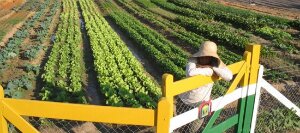 December 2015 — As with so many disasters and catastrophic events, the impact of climate change will strike poor and marginalized communities disproportionately, especially (but not exclusively) in the coastal cities of the developing world and in areas where drought and flooding are prevalent. In December 2015, the UN Climate Change Conference (COP21 or CMP11) will be held at the Le Bourget site in Paris, France from November 30 to December 11, 2015, aiming to reach a legally binding and universal agreement on climate. How will the urban poor figure in that agreement? What voice will they have in setting its terms and priorities? And what organizations and programs are doing work now in cities of the developing world that could inform that discussion and target its outcome for maximum impact? Join us in this month's important discussion.
 Promoting cycling where gas is dirt cheap
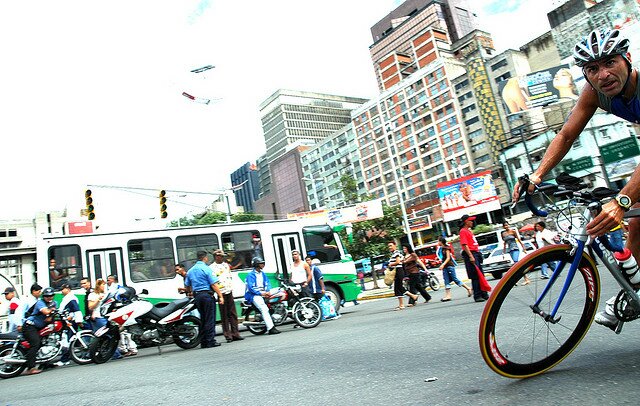 One important project in Venezuela’s capital city, Caracas, is part of a larger trend and movement to use non-motorized transport not just for commuting purposes but for service delivery, as well. Ecodelivery, started by a young architect Cesar Bastidas, is working to change the car-focused trend in the city by a business model focused around bicycles. Ecodelivery champions non-motorized transport and carries out city deliveries, from packages to restaurants to business transactions, using a small army of cyclists. Although the initiative is fairly new, it has already gained momentum in a city where citizens are looking for more green-focused initiatives. Ecodelivery has cycle-delivered over 6,000 packages, saving nearly 7,000 Kg/Co2 and more than 5,000 liters of gas. As importantly, Ecodelivery is encouraging other businesses and local residents to reconsider their movements in the city.
 O clima de proteção à natureza no Brasil

 La lucha contra el cambio climático en Bogotá

 Recycling plastic to solve perennial flooding
 مركز بحوث الصحراء المصري يستخدم التدريب والدراسات للتصدي لتغير المناخ وتحسين البيئة

 Delhi's informal waste recyclers reduce ill effects of climate change
 Global crises, local resilience: From COP 21 back to reality

 Surabaya menuju kota hijau dan rendah karbon
 Multi-faceted approach to flood control in Lagos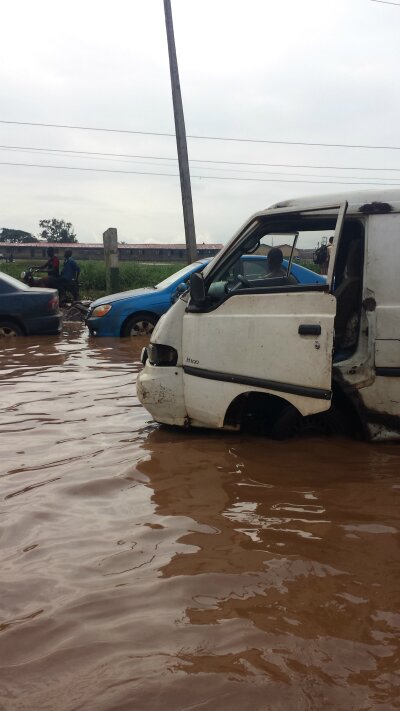

 Greenhouse gases, which are primarily released from the burning of fossil fuels, build up in the atmosphere and result in an increase in temperature, ultimately resulting in global warming. In a bid to reduce the burning of fossil fuels, the Department of Environment (DoE), in collaboration with German International Cooperation (GIZ), has set a target to replace around 30 million traditional clay stove with an energy-efficient and eco-friendly stove.
 Estrategia local de acción climática
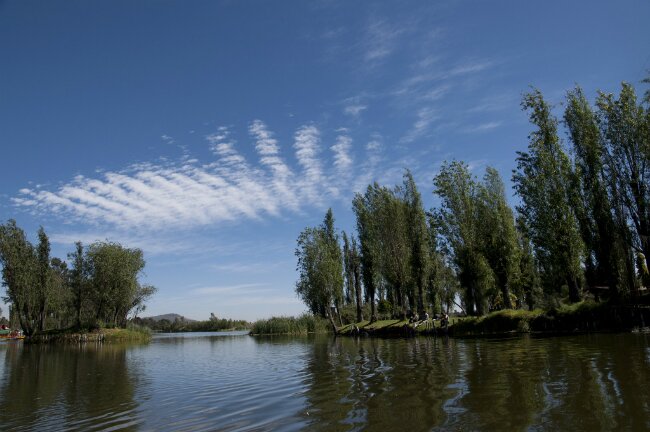 Por lo anterior, estrategias de prevención y rescate del cambio climático son necesarias para mitigar los efectos en la población. En este sentido, el Gobierno del Distrito Federal en 2014 firmó un convenio de participación para recuperar la Zona Patrimonio Mundial Natural y Cultural de Xochimilco-Tláhuac-Milpa Alta. Con la colaboración de la Agencia Francesa de Desarrollo en México y la Organización de Naciones Unidad para la Alimentación y la Agricultura (FAO), se busca contribuir a la regulación de la atmósfera, la recarga de mantos freáticos, la protección contra las inundaciones, y la producción agrícola. Esta iniciativa alinea esfuerzos del gobierno local, federal e instituciones internacionales para generar un impacto positivo y sostenible en la región, al recibir tres millones de euros anuales para la protección y conservación de la zona. Con los recursos y alineación de acciones, se aplicarán programas en los ejes de: agua, ordenamiento territorial, recuperación de hectáreas con asentamientos irregulares, desarrollo sustentable y agricultura.
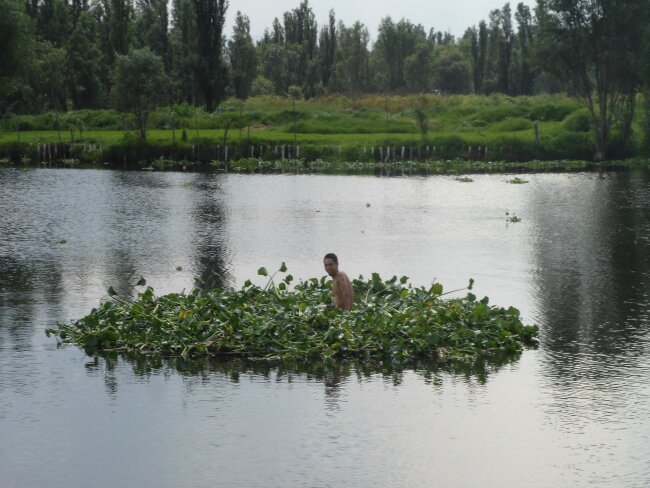 El programa de acción climática pretende incidir sistemáticamente en el mejoramiento de la calidad de vida de la población y reducir los riesgos ambientales, sociales, y económicos, al comprender cuáles son los efectos que la población resiente. En la consulta, los participantes respondieron las siguientes preguntas:
 Innovative solutions to combat water insecurity

 The benefits of community-managed resource approaches
 ILEG has undertaken a Gap Analysis on how to Reduce Emissions from Deforestation and Forest Degradation (REDD) through a conservation and sustainable management approach that nests communities as key agents of stewardship. Deforestation in the Mau Forest region has the potential to increase violent conflicts in the region as this area serves as a catchment basin for the Nile River, and as a result, is a key international water resource with far-reaching implications if managed improperly. As highlighted by ILEG in their REDD+ Gap Analysis, it is critical that the Government of Kenya take seriously the formulation of laws and policies that protect and conserve remaining forests while also working to improve local livelihoods.

 فقر و زلزله در تهران
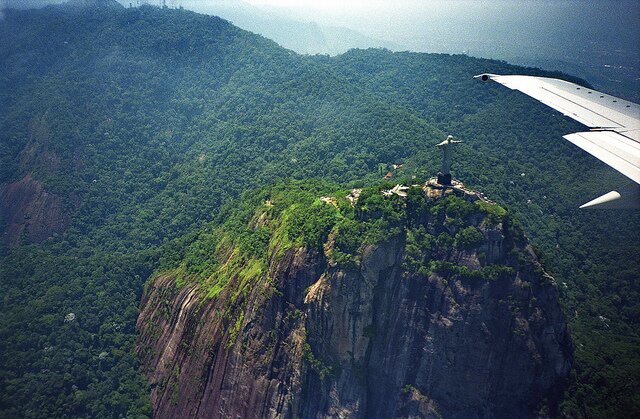 A RMA é uma organização coletiva que representa mais de 300 entidades de proteção à Mata Atlântica – uma teia de mobilização, ação política coordenada e apoio mútuo. Estruturada em torno de uma Assembleia Geral e de uma Coordenação Nacional, articula e monitora ações junto aos poderes públicos, toma a frente de denúncias e casos emergenciais, replica modelos de conservação, orienta ONGs em fase de criação, desenvolve mecanismos de participação social e oferece suporte operacional em geral (da divulgação de associados ao compartilhamento de documentos). Além disso, representa os interesses das filiadas em discussões em nível federal, em eventos internacionais (como a COP), acompanha de perto as decisões e elabora estratégias para aplicá-las, especialmente para pressionar medidas governamentais.
 Community mapping for flood resilience and accountability
 However, a recent collaborative project between the Government of Tanzania, the University of Dar es Salaam, Ardhi University, international bodies, and communities is leading to an innovative response for enhancing flooding adaptation and preparedness. During the rainy seasons, flooding has a significant socio-economic impact in some of Dar es Salaam’s residential areas. Following heavy rainfall in April 2014, 20,000 people were affected across the city, 19 deaths reported, 10,000 left without shelter, and infrastructure remained damaged.
 Giải pháp nào cho kiểm soát ngập tại thành phố Hồ Chí Minh?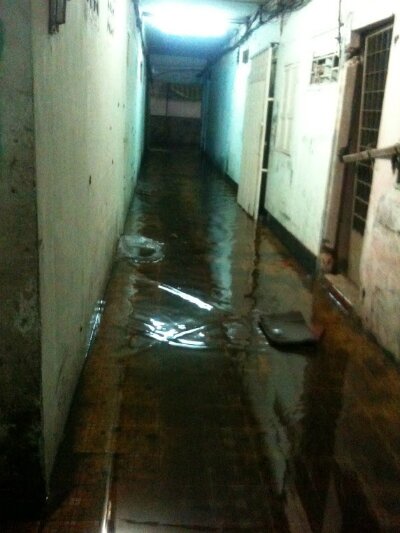
Comments
Early warning systems
hi Daina,
the informal settlement of high risk areas by the lowest income families is a constant in the new south. Relocation, as it is being done in Cali, is the only long term solution. However, I am intrigued by the early warning system that you describe. Is it already in operation? Do people pay attention and move to safer ground once the alert is triggered?
Flood control
Flooding is a major risk in many cities around the world, and I was very interested in the solutions implemented in Ho Chi Minh City. I come from Paris (France) and during my studies I learnt about various cities at risk of flooding, such as Shanghai... However, many more cities that are still not affected ara also at risk. Paris is a good example: we can expect a major flooding of the Seine River that could affect up to 5 million residents in the greater Paris area and cause up to 30 billion euros worth of damage. However, no one knows about it, parisians are clearly unprepared... Hopefully we can learn from cities that have already suffered from flood disasters and have shown resilience.
GIS Platform Reach in Chittagong
Dear Daina,
Great article! What an interesting way to integrate technology with disaster mitigation efforts! Are the subscribers to the platform mainly city institutions? Or do local residents receive these notices as well? Have there been any landslides in the last year that have tested the system?
Community mapping for flood resilience and accountability
Dear Gemma,
firstly, nice picture choice, it is very flowing and seems as real, so great selection indeed!
Secondly, as I am also speaking from one of the African countries-Egypt- I wonder how the mapping project is used by the illiterate or people with low level of education. We have high percentage of illiteracy in Egypt, and such project if replicated will be used generally on academic level. May you elaborate on this? Is the mapping project available for all natives or for how the nation holistically trained to use it?
Best regards,
Literacy and Mapping
Dear Shaima,
Thank you for your comment and great to hear about experiences in Egypt! I think you raise a very good question, and much needed.
The mapping is open to all community members, it is advertised online and across universities and is being conducted in the actual communities (mappers attending designated areas) or in computer rooms of universities. When it is advertised online, different community members are invited to map a area of Dar es Salaam, it says they do not need to know the specific GIS tools as there will be assistance provided.
Maybe two things to mention: they are providing training within communities so they themselves can be involved in the mapping; and they are inviting a broad audience, whom are not necessarily GIS trained. However, who participates comes back to the question of education and illiteracy. The advertising is online - therefore computer literacy is key to be able to be aware of the mapping exercise, it may also seem exclusive to computer literate people, therefore excluding members of the community whom may otherwise have participated. I can see in there recent call for mapping a area of Dar es Salaam they say people can help with mapping wherever they are, they just need to log in online. This makes it more open - however, you need to be able to access a computer.
The main mappers are students and young people - either training in this field or whom wish to receive training. But the idea is inviting participation across the nation and community members. A lot more needs to be done however to ensure everyone who wants to participate can, and all are aware of the opportunity to participate in mapping Dar es Salaam.
Thanks Shaima!
All the best,
Gemma
flooding alert.
Daina, great article about the alert system for people in risk at the hills, it is really interesting that people can have previous information in order to prevent damage. I have the same question as Jorge, if people can go to another settlement while the risk passes? If the settlement is damaged, other programs exist in order to help people?
The need for clean cookstoves in Dhaka
Dear Samiha Ali,
Great article, thank you very much for it. I was really shocked when I read The Independent article you shared and found out that around 32,000 children and 14,000 women die every year now by inhaling smokes from the traditional clay-cooking stoves.
This project that, as you pointed out, can reduce the emission of greenhouse gases in a great deal and consequently protect the lifestyle and livelihood of millions of people (specially the marginalized poor communities) can instantly save lifes, by directly creating a safer environment for the families. Its also interesting that the use of 'Bondhu Chula' can “save up to 90 percent fuel cost of a family benefiting them in many ways, including cooking time” - another benefits that certainly make a lot of difference in their lives. It seems to be a great project in many angles, right?´Than you again for sharing this :)
Delhi's Informal Waste Recycling
Dear Mukta,
An interesting piece commending the informal sector. I was fascinated about your topic not only because the informal waste recyclers constitute the thrust of E-waste management in Lagos but also because I did a study assessing E-waste Management system in Lagos in 2014 using a value chain analysis. From the study, because of the technicalities and the huge finance needed for effective e-waste management, the informal recyclers uses crude technology and most of their activities (including dismantling and burning of E-waste) have dire consequences on human health and the environment. I will like to know more about their activities in Delhi, can they manage the waste efficiently? Just like the recommendation made in the study, I totally agree with you that government needs to empower the informal sector. Thanks
Add new comment