 Os refúgios de migrantes em Curitiba
Andréa Azambuja, Coordenadora da Rede em Curitiba
Segundo a Agência da ONU para Refugiados, em 2014, 86 por cento dos refugiados do mundo (12,4 milhões de pessoas) foram acolhidos em países em desenvolvimento. Destes, ao menos 8.302 desembarcaram no Brasil, número que não incluí os haitianos, que, estima-se, totalizaram entre 15 e 20 mil indivíduos.
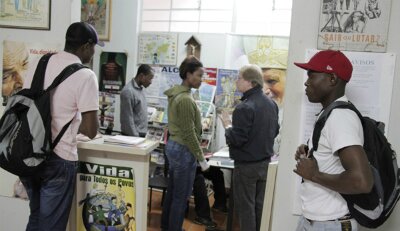 Com o 5º IDH mais alto, o Paraná é o quarto estado mais procurado por aqueles que, com uma coragem sobrenatural, fogem de guerras, perseguições, desastres climáticos e situações similares na esperança de construir uma vida digna no país tropical. A maioria vai para Curitiba, considerada uma cidade segura e tranquila, mas onde o preconceito ainda é muito forte, a falta de empregos assusta e uma estrutura de resguardo ainda está sendo esboçada.
Uma das instituições mais antigas neste tipo de atendimento é a Pastoral do Migrante, vinculada à Igreja Católica, que recebe e orienta migrantes há mais de uma década. Em sede própria, diariamente cadastra os novos moradores, providencia documentos, faz encaminhamentos ao mercado de trabalho, presta assessoria jurídica e todo tipo de ajuda emergencial. E vai além: escuta as trajetórias individuais, distribui palavras de otimismo, abriga, produz eventos interculturais, celebra momentos significativos (aniversários, casamentos...) e promove a tolerância, além de pressionar o governo por políticas públicas. No último ano, a Pastoral protegeu 1,4 mil pessoas, com recursos próprios, doações de pessoas físicas e trabalho voluntário.
Inaugurada em 2009 por iniciativa da BS Colway Pneus e da Secretaria Estadual da Educação, o Vila da Cidadania – centro onde são oferecidas atividades pedagógicas extracurriculares para alunos da rede pública de ensino – também está se delimitando como núcleo de resguardo a estrangeiros. Lá, no último mês, dezenas de migrantes enviados pelo governo do Acre – que muitas vezes chegam apenas com a roupa do corpo, após terem sido saqueados e explorados ao longo da jornada – foram recebidos e abrigados, ainda que de forma provisória. Além de receberem auxílio de professores e voluntários para localizarem parentes, os homens e mulheres, principalmente haitianos, participam de cursos de língua portuguesa, dão entrada na solicitação de carteira de trabalho, recebem instrução profissional e conseguem, enfim, descansar e se sentir mais seguros.
 Outra iniciativa, que vale para todo o território nacional, é o Helping Hand, site que reúne nomes e contatos de entidades de amparo, como templos religiosos, consulados e escolas, em cinco idiomas: inglês, espanhol, francês, árabe e português. O projeto foi idealizado e executado por cinco amigas de 17 e 18 anos do Rio Grande do Sul como um trabalho do curso técnico em informática; com a ajuda de amigos, elas coletaram dados e fizeram o mapeamento inicial, que pode ser alimentado por qualquer associação ligada à temática migratória.
Atualmente, 14 órgãos de Curitiba estão cadastrados, entre eles o Instituto de Defesa da Classe Trabalhadora (assistência jurídica) e a Cáritas Brasileira (acolhimento e integração). O Help in Hand não tem suporte financeiro, mas pode receber doações, repassadas às organizações cadastradas – apenas 5 por cento do arrecadado fica com a equipe, para custear o domínio do site e a manutenção do aplicativo para celular.
Enquanto padres, adolescentes, homens e mulheres de todas as idades se articulam para valorizar e inserir refugiados social, econômica e culturalmente – cientes da complexa situação que eles enfrentam e de que precisam de apoio efetivo para se tornarem autossuficientes e encontrarem oportunidades para seguir o caminho de uma nova vida, justa e igualitária – o governo também toma atitudes. Uma delas foi a criação do Comitê Estadual para Refugiados e Migrantes, e a recente assinatura de um Protocolo de Intenções para trazer ao país refugiados colombianos que vivem no Equador – resta saber quando sairão do papel. Close.
Foto 1: Pastoral do Migrante em Curitiba / Créditos: Equipe Fenatracoop. Foto 2: Junior Nelson, haitiano enviado pelo governo do Acre a Curitiba, na Vila da Cidadania / Créditos: Henry Milleo, Gazeta do Povo.
Permalink to this discussion: http://urb.im/c1508
Permalink to this post: http://urb.im/ca1508cup
Migrant refugees in Curitiba
Andréa Azambuja, Curitiba Community Manager
According to the UN Refugee Agency, 86 percent of refugees in the world (12.4 million people) migrated to developing countries in 2014. Of these, at least 8,302 arrived in Brazil, not including Haitians. It is estimated that 15 to 20 thousand Haitians arrived in Brazil last year.
Paraná, with the fifth highest HDI, is the fourth most sought Brazilian state by those who, with a supernatural courage, flee from war, persecution, natural disasters and other situations in hopes of building a decent life. Most of these refugees go to Curitiba, considered a safe, quiet town, but where prejudice is still very strong, the lack of jobs is problematic, and the support structure is still being created.
One of the oldest institutions to offer help to migrants is Pastoral do Migrante, which has ties to the Catholic Church. The organization has been receiving and assisting migrants for over a decade. At its headquarters, it registers new residents daily, provides documents, makes referrals for employments, and gives legal advice as well as all kinds of emergency aid.
And it goes further: Pastoral do Migrante staff listen to the migrants' individual trajectories, offer words of optimism, put on intercultural events, celebrate significant milestones (birthdays, weddings, etc.) and promote tolerance, a well as press the government for stronger public policies. Last year, the institution protected 1 400 migrants, supported only by its own resources - donations from individuals and volunteer work.
Launched in 2009 based on the initiative of BS Colway Tires and the Department of Education, Vila Cidadania is also defining itself as a safe space for foreigners. The program is a center where extracurricular educational activities are offered for students from the public school system. There, last month, dozens of migrants sent by the government of Acre (a state in the northern region, where most Haitians enter the country) were welcomed and sheltered.
The migrants often arrive with nothing, after being robbed and exploited along their journey. In addition to receiving help from teachers and volunteers to locate relatives, the migrants take Portuguese language courses, request work permits, receive professional instruction, and are able to finally rest and feel safe.
Another initiative working to help migrants is Helping Hand, which works across Brazil. Helping Hand is a website that gathers names and contact information of support entities such as religious sites, consulates and schools, in five languages (English, Spanish, French, Arabic and Portuguese). The project was conceived and executed by five friends, aged 17 to 18 years old, as an assignment for a computer science course. With the help of other friends, they collected data and created the initial mapping technology, which can be used by any association that works with migrants.
Currently, 14 agencies in Curitiba are registered, including the Defense Institute of the Working Class, which provides legal assistance, and Caritas Brasileira, which provides reception and integration services. Helping Hand has no financial support, but receives donations, which are passed on to the registered organizations. Only five percent of the proceeds go to the team, to pay the site's domain and the maintenance of their mobile app.
While civil society is already helping refugees – well aware that they need effective support to become self-reliant – the government is also doing its part. One of its programs is the State Committee for Refugees and Migrants, and another initiative is the recent signing of a Memorandum of Understanding to welcome Colombian refugees living in Ecuador into Brazil – the question is when this law will become a reality. Close.
Photo 1: Pastoral do Migrante in Curitiba / Equipe Fenatracoop. Photo 2: Junior Nelson, Haitian sent by the government of Acre to Curitiba, in Vila da Cidadania / Henry Milléo, Gazeta do Povo.
Permalink to this discussion: http://urb.im/c1508
Permalink to this post: http://urb.im/ca1508cup

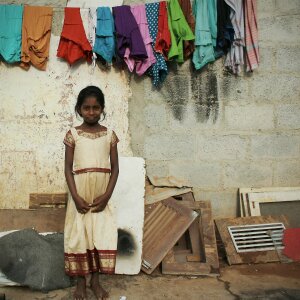 August 2015 — Urban poverty and marginalization of communities often overlap with other forms of hardship, discrimination, and oppression. Ethnicity, race, gender, sexual orientation, language, and religion are all closely correlated with systematic denial of rights, services, and opportunities, both ad hoc and institutional. One powerful approach to fighting urban poverty is therefore to remove or reduce economic disparities by guaranteeing equal rights and opportunities to every city resident.
 Crimen y desigualdad en Caracas
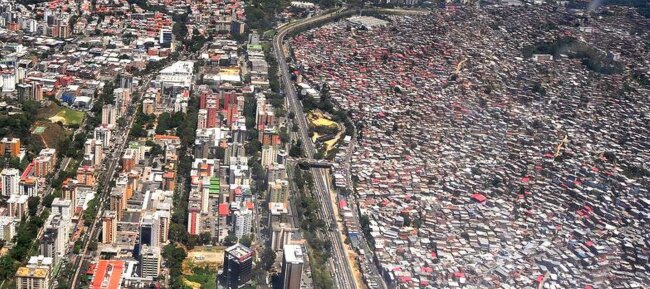 Métodos tradicionales para reducir y prevenir el crimen involucran al Estado. Sin embargo, las comunidades tienen un rol clave para prevenir el crimen. Esto es particularmente importante en una ciudad como Caracas, que además de ser de las ciudades más violentas del mundo, se enmarca en altísimos niveles de impunidad. The Economist reporta que en 2014, más del 90 por ciento de los asesinatos en Venezuela quedan impunes.
 Answering xenophobia: The rise of a Johannesburg soccer team
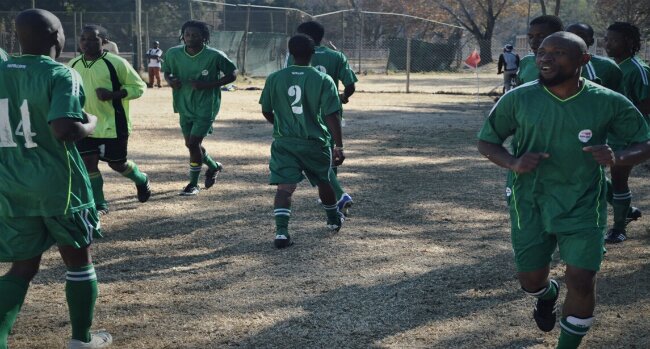 In May 2008, these frustrations exploded into countrywide xenophobic attacks, wherein over 60 people were killed and many thousands of foreign Africans were displaced. Public outcry after another explosion of xenophobic attacks in April 2015 finally forced a belated governmental acknowledgement, after years of denial. But this did not result in "soft" local initiatives to build social cohesion, but in blunt measures which exacerbated tensions (the temporary refugee camps of 2008 were described as "inhumane" by the South African Human Rights Commission, and the 2015 attacks were followed by police and army raids on xenophobic "hot spots" that appeared themselves to target foreign nationals).
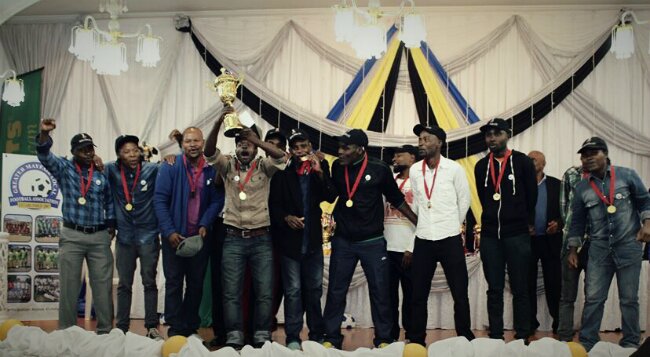 The club's Mozambican coach also emphasises the role of sport in taking players away from drugs. Religious affiliations too, rather than a divisive element, is used to foster a spirit of hope and to deepen bonds of love and friendship. Like
 Lilongwe women leveling inequality in construction
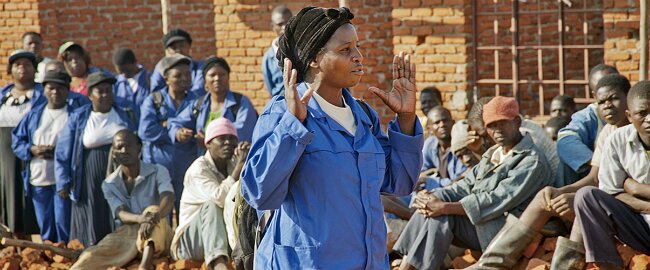 These women are not qualified engineers or project managers. Instead, they are ordinary mothers and grandmothers, many of whom were not able to complete their schooling. They all share financial discipline, work ethic, and the ability to think outside the box. Interestingly, all of these women contractors started off as members of savings and lending schemes in the informal settlements of Lilongwe: in 2003, they launched their groups under the Malawi Homeless People's Federation. They earned the trust of their counterparts in the groups and rose to positions of treasurers. This is how they eventually developed the financial management skills required in an astute construction manager.
 مهاجران افغانستانی و تبعیض آموزشی

 Launched in January 2015, the initiative has trained six customs officials at the Chittagong Customs House on how to enhance security at the port as well as combat the illicit import of undeclared goods, especially drugs and other contraband items. Legitimate trade can still continue freely, the goal is to prevent "under the counter" transactions. The initiative employs analysts and search teams from customs teams, drug law enforcement forces and police units to target containers with illegal goods through profiling and risk analysis. The officials have received training from Belgium and the Netherlands, and communicate directly with Interpol, the United Nations Environment Programme, and the Regional Intelligence Liaison Office for maximum effectiveness.
 Pemenuhan hak-hak dasar kelompok LGBT
 Lahirnya kelompok peduli terhadap kondisi LGBT seperti Arus Pelangi (AP) menjadi angin segar bagi mereka untuk mendapatkan pengakuan atas keberadaan mereka. Arus Pelangi sendiri dibentuk atas desakan kelompok LGBT yang membutuhkan perwakilan resmi secara hukum untuk mendorong pemenuhan hak-hak kaum LGBT yang sering terabaikan dan dimarjinalkan baik di lingkungan keluarga, sekolah maupun tempat kerja. Organisasi ini dibentuk awal tahun 2006 yang bertujuan untuk mengubah norma dan persepsi masyarakat terhadap komunitas LGBT sehingga ada kesetaraan dan penghargaan terhadap kelompok ini.
 Giảm rào cản Hộ khẩu cho con em công nhân nhập cư
 Không Hộ khẩu - không tư cách pháp nhân
 Fighting gender inequality in education
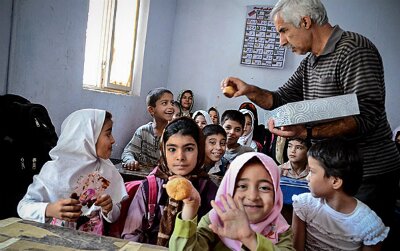
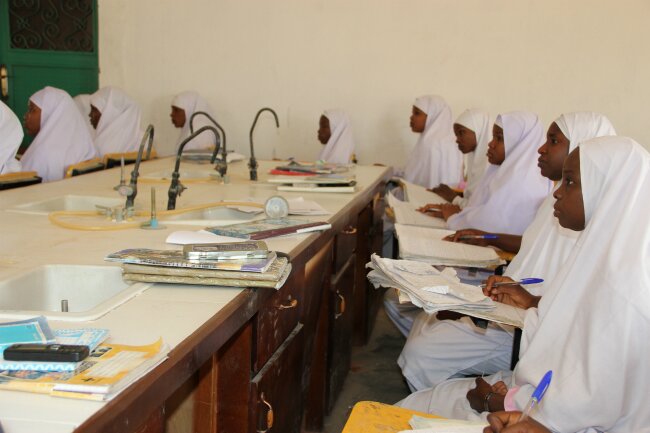 Female education in Abuja is still quite low, and lagging far behind male's education, as revealed by key indicators such as literacy, enrollment and years in school. However, the Millennium Development Goal of achieving universal primary education has contributed to awareness and to progress in addressing educational gender inequality. But the battle for change is continuous, as attitudes are slow to change in societies where women are perceived as domestic properties rather than active participants in societal development.

 Mejoras en la educación como forma de combatir la desigualdad
 La Alcaldía de Bogotá ha considerado la mejora de la educación como uno de los asuntos prioritarios. Según datos de la propia alcaldía, en los tres últimos años se ha incrementado el presupuesto en educación en un 24 por ciento. También se han implementado reformas en el sistema educativo. El programa 40X40 ha sido uno de los más ambiciosos. Tradicionalmente, ante la falta de plazas escolares, los colegios de Bogotá dividían las jornadas en dos turnos: mañana y tarde. Actualmente ya son 113 colegios en los que se han implementado el programa 40X40, que supone que los estudiantes tendrán una jornada completa de 8 horas, en la que tendrá cabida no solo las materias troncales sino también materias suplementarias.
 The social enterprising women leading the fight to reduce recidivism and poverty in Nairobi
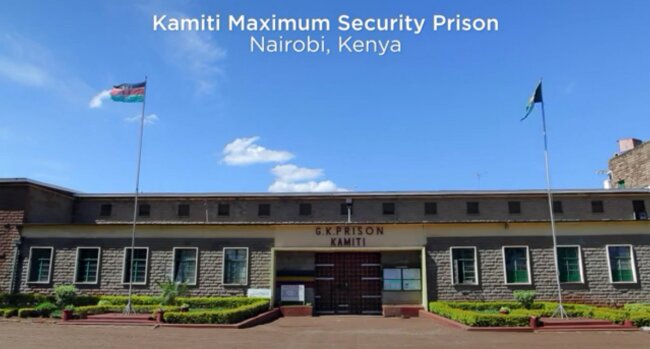 Globally, recidivism among prisoners results from the nexus of effects that come from being incarcerated, extremely low-income, and without access to professional development or legal representation. For Kenyan women, who face higher rates of poverty, and tend to have received less formal education and literacy training than men, finding employment and social inclusion after time spent behind bars can be exceptionally difficult.
 Brightening the future for Bangalore's shelter children
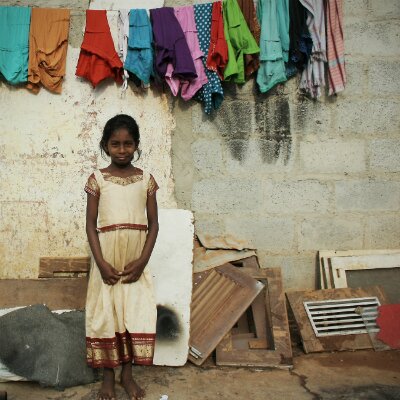 MAD has been running its program in Bangalore since 2009 and now has five centers for over 600 children with more than 550 volunteers — in just this one city. The organization has also spread to cities big and small throughout the country, exemplifying the massive need for uplifting the most ostracized youth as well as the urge for more privileged young people to make a marked difference. The organization carefully selects and trains its youth leaders, who then teach, conduct awareness-raising activities, or employ mentorship programs.
 Restablecimiento de los derechos de las mujeres víctimas de violencia
 Por lo anterior, el gobierno de la Ciudad de México a través de la
 Como São Paulo está ajudando pessoas transgênero a deixar prostituição
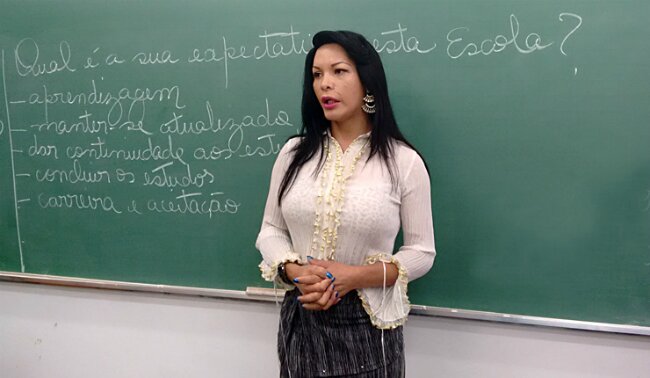 Em fevereiro de 2015, no entanto, a cidade de São Paulo começou a ajudar algumas dessas pessoas a mudar de vida, sem que precisem deixar de ser como são.
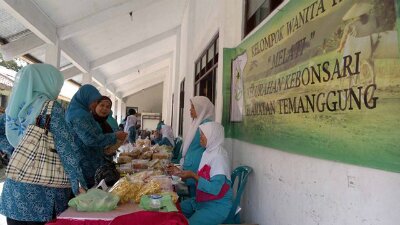 BMT merupakan salah satu jenis lembaga keuangan syariah yang bertujuan menggerakkan perekenomian masyarakat. Siapapun dapat mendirikan BMT asalkan sesuai dengan tata cara pendiriannya. Keberadaan BMT ini diharapkan mampu mengurangi ketergantungan masyarakat ekonomi lemah terhadap cengkeraman rentenir dan memperkecil kesenjangan ekonomi. Ada tiga peran yang dimainkan BMT dalam pemberdayaan masyarakat yaitu sektor finansial, melalui pemberian fasilitas pembiayaan untuk pengusaha kecil dengan konsep syariah; sektor riil, melalui pembinaan manajemen dan profesionalisme; sektor religious, dimana BMT memberikan ajakan dan himbauan kepada umat islam untuk membayar zakat dan beramal.
 El déficit de vivienda es una de las raíces de la desigualdad urbana. Según datos de la propia alcaldía de Cali, en el 2013 existía un déficit de 143 000 viviendas, 117 000 de ellas por falta de oferta, mientras que el resto correspondería a necesidades de mejoras. Aunque resolver el problema de vivienda resulta imposible para una administración municipal, son varias las medidas que se han adoptado en Cali para mitigar los problemas mas graves.
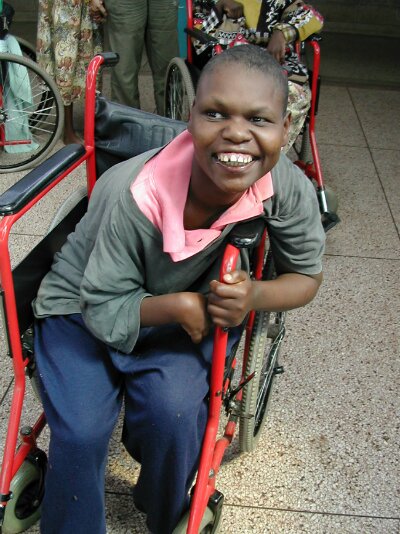 The law covers advocacy, public campaigns, and education of the population regarding disability issues to encourage inclusiveness. It also directs the registration and coordination of associations of PWDs in Lagos, and their collaboration with ministries, parastatals, and corporate bodies regarding building codes, government policies, programs, and activities. The law covers the issuance of directives and guidelines for the education, social development, and welfare of PWDs, including preventive and curative exercises, special sports programs, and the issuance and revocation of certificates of disability and customized insignia to be used in parking lots. Finally, the law determines the establishment and promotion of schools, vocational centers, and rehabilitation centers for the development of PWDs. In addition to enforcing the laws and directives under the law, the ministry actively promotes the employment of PWDs in order to provide them with a source of income and to facilitate their interaction with society.
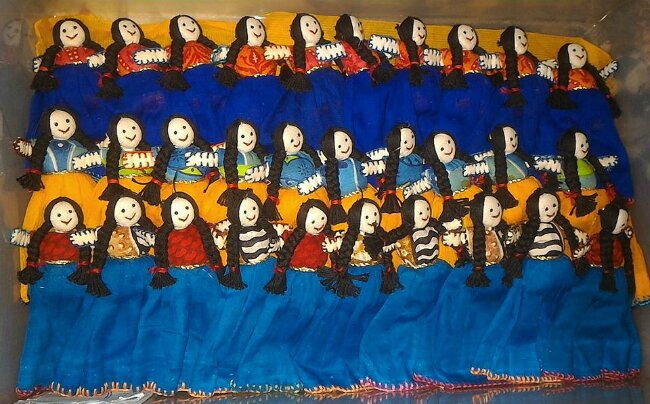 Brijesh Arya founded Pehchan to empower the homeless to challenge the inequities they face in their lives. Pehchan's multi-faceted programs all aim to create self-reliance for Mumbai's families on the street, and often, this begins by giving them an identity. Most of the homeless Pehchan encounters have no identity cards, many of which can help them access basic food rations, not to mention make them feel a part of the city in which they reside. The organization guides the homeless through the application process (many are illiterate, which makes it even more difficult on their own) and the multiple layers of bureaucracy it takes to get an identity card for people with no address. For many, once they receive the card, it becomes one of their most treasured possessions.
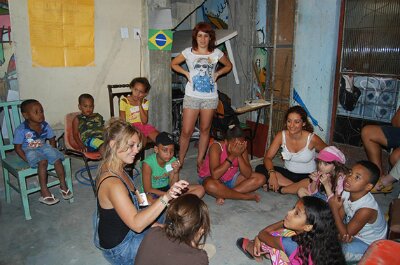 É o caso do Centro Integrado de Apoio às Crianças e Adolescentes da Comunidade, ONG Instalada em Parada de Lucas, bairro marcado por disputas entre facções do narcotráfico e pela falta de locais e atividades de lazer para meninas e meninos, com o objetivo de tirá-los da rua. "É um espaço para brincadeiras, descobertas, aprendizado e liberdade. Para eles chamarem de seu", explica Neuza Nascimento, sua fundadora, que nasceu de uma família muito pobre, trabalhou como doméstica desde os oito anos e foi mães aos 17. Apaixonada por livros, usou a força transformadora da cultura para revolucionar a própria vida e iniciar esta ação coletiva de resguardo infantojuvenil, que já dura 14 anos.
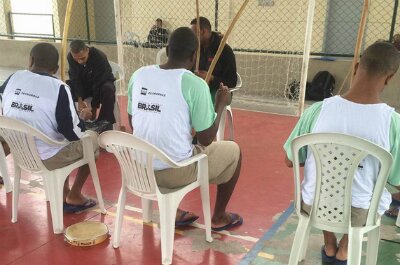 Já o Instituto Terra Nova, através do programa Um Novo Horizonte (financiado pela Petrobras), apoia adolescentes em conflito com a lei, para que encontrem um novo projeto de vida ao experimentarem atividades artísticas e de qualificação profissional, cuidados com a saúde e iniciação ao empreendedorismo — ferramentas para ressignificarem valores pessoais e sociais. Os cursos acontecem dentro das unidades de atendimento do Novo Degase, Departamento Geral de Ações Socioeducativas, órgão vinculado ao Estatuto da Criança e do Adolescente (ECA), e englobam os familiares dos internos, estimulando, em cada um deles, o autoconhecimento, a visão crítica de si mesmos, da sociedade na qual estão inseridos, a confiança e a superação de obstáculos.
 برنامج خدمات سانت أندرو للاجئين يساعدهم على عيش حياة أفضل في القاهرة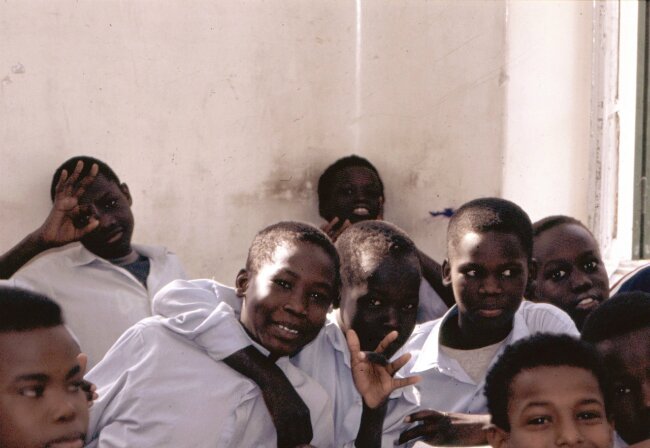
Comments
Women leading the fight to reduce recidivism in Nair
Hi Hilary,
This month, I also wrote about organizations that target transformative programming in prisons, but focusing on underage kids, as the Brazilian Congress is voting to reduce the legal age of criminal responsibility.
When researching, I got in contact again with the work of psychiatrist James Gilligan, who has a very interesting thesis that describes violence as an attempt to replace shame with self-esteem. In my opinion, that's one of the strongest motives that justify the saying that "there’s nothing like going to prison to turn you into a criminal": poor people in conflict with the law are always seen as eternal agents of violence, as if it was in their nature or something – and they are treated like animals because of that –, but they are never seen as violence victims.
I strongly admire people who put their efforts to protect individuals with criminal justice records, raising awareness of the unique challenges that they face and working so they can have a clean start. I was moved by the courage and the strength of these women! <3
Creating an inclusive environment for people with disabilities
Dear Olatawura,
Great piece, since PWD is very important topic right now and caring of this category is a real indicator shows the level of civilization and humanitarian attitude in any country. The project you tackled is interesting since it enhances the PWDs capacities, however, I cannot see any sign that it also removes the "social" and cultural stigma against PWDs. They can have jobs and have some good life standard, but in many communities they are still treated as second-grade citizens. I wish if the program also addresses this issue through awareness campaign to the community eliminates the social stigma.
Awareness Campaign
Thank Shaima. I completely agree that awareness campaign will go a long way in eliminating social stigma and the programs does not overtly focus on this, but there is a subtle awareness impact to the program. My understanding of the initiatives is that it is focusing on awareness through integration into the society and solves multiple problems at the same time. I think most of the stigma from disabilities comes from the assumption of ineptitude and inability to contribute to society, also in countries such as Nigeria most street beggars are people with disabilities . By showcasing their abilities and opening them to employment opportunities with enforcing laws guiding this, the program includes awareness and change of perception in a subtle manner. Regardless, I do agree with you- a combination of subtle and more active awareness campaign could have made a more wholesome program.
Addressing inequality in education
I think the Nigerian case offers some interesting lessons in terms of civil society involvement in education.
Youth rights
Hi Carlin, it is very interesting how MAD includes youth in better education opportunities, I totally agree that a leader could guide them in order to search for opportunities. I was wondering if this model has measured its impact, in array of proving if it helps youth to break the cycle of poverty and bring them the capitals necessary to recover from it.
LGBT and inequality
Hi Widya, as incredible advcances in the recognition of LGBT rights have taken place in Latin America, USA and Europe, it is important to remember that the situation is very different in many places in the world. I am convinced that amazing developments, as the recognition of same sex marriages as a constitutional right in the USA will have a massive impact in the world. Still, in many countries in Asia and Africa thge issue os still almost tabu and LGBT people are subjected to discrimination, violence and ever persecutio. Arus Pelangi is qithout question a very brave collective. I hope that progress does come, and comes fast.
Violencia machista y desigualdad económica
Hola María Fernanda. Sin duda muchas mujeres se sienten indefensas ante los ataques de violencia machista porque no disponen de los recursos económicos suficientes para abandonar sus hogares. Por eso programas integrales, que además facilitan el acceso a una vivienda a las mujeres que lo necesitan, tienen un impacto muchísimo mayor. En este sentido, ¿sabes cuantas mujeres se han beneficiado del programa de Reinserción Social para las Mujeres Víctimas de Violencia Familiar de la Ciudad de México?
El problema de la violencia machista es uno de los mas complejos de resolver.
Correctional Facilities
Hi Hilary, Interesting article on effects of imprisonment and mitigating recidivism. It has always been a mystery to me how people most times come out of jail worse off than they were before, with very little "correction". It is good to see programs like this focusing on ensuring correction and integrating former offenders back into the society in a productive way. I wonder if any of the programs have a system like that of the Parole Officer, but in this case I guess it would be more of a mentorship aspect.
Also I was wondering what the support level/response rate to these programs are? I ask because for some people it is hard to reconcile efforts expended on prisoners and ex-inmates when compared with the populations of people needing assistance outside of the prison system. For more developed countries like the US with little human development challenges, there is constant debate on how much is spent on the prison system, and wondered what the dialogue around it is in a developing country.
Add new comment