 The 'African City of the Future': Johannesburg's 2040 vision
Tariq Toffa, Johannesburg Community Manager
Launched in 2011, the Johannesburg 2040 Growth and Development Strategy (Joburg 2040 GDS) defines Johannesburg's vision for the next 30 years, toward a vibrant, equitable, diverse, "World Class African City of the Future." It consolidates various other City strategies, and included a wide-reaching engagement and feedback process (GDS outreach).
 Joburg 2040 responds to two contexts: continued transformation of the inherited Apartheid City, and the uncertainties of present and future challenges such as migration, globalisation, climate change, natural resource scarcity, and financial markets. Understanding these and other challenges of modern cites as resulting from complex and inter-related factors, key to the Joburg 2040 strategy is its cross-cutting nature, moving away from a narrow sectoral approach toward a more thematic approach to which all targeted City interventions can aim. To this end, three concepts were devised: resilience (the capacity to change and adapt), sustainability (development that does not destroy natural ecology) and livability (quality of life). The City has similarly also defined four inter-related drivers to achieve this: social, environmental, economic and institutional/political change.
One key issue identified, stated in the very opening sentences of the document, is the importance of 'space' in the reshaping of South African cities and society. Although Joburg 2040 seeks to "address spaces in a holistic manner," "the spatial" and "design" are largely focused around "livability" issues of urban form, services, land-use functions, and cultural identity. The absence of spatial consideration in the majority of the document, however, means that when presumed 'non-spatial' interventions ultimately do take form in the urban landscape, they will subsequently exhibit the same lack of spatial articulation that is already much in evidence.
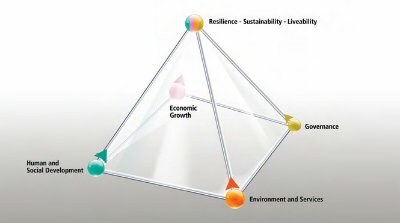 Packing an entire army of complex urban challenges into a concise conceptual package also demands a necessarily wide range of interpretation of the key conceptual terms, which are used liberally throughout the document. In Johannesburg City Parks and Zoo (JCPZ), for example, an arm of the City providing and managing environmental conservation and open recreational and burial spaces, this problem of translation from a high level to a local level is already evident.
 JCPZ is framed by the constitutional mandate that "all spheres of government work together to address poverty, underdevelopment, marginalization." It is also framed by the Joburg 2040 vision, which links environmental concerns to many other issues (poverty, technological innovation, public transport, food security, disaster planning, urban form, incremental development, and socio-economic infrastructure) (some of which are discussed in a previous article). In this context, environmental concerns in Johannesburg, and the global South generally, cannot be an uncritical projection of 'first world' norms and standards. In practice, however, and largely maintaining existing status quo sectoriality, at the local level in JPCZ we find a gross reduction of Joburg 2040's nuanced understandings to the idea that "'green' relates to sustainability and resilience" only (waste, energy, water saving, low carbon, etc.).
The problems of translation and spatiality can be understood as essentially a problem of capacity, for high-level frameworks alone can never bring such a complex conceptual map into being. Rather, creativity is similarly and equally required in the translation of that vision at a number of levels. In practice, this also requires 'translators', capacitated intermediaries who can link, specialize, and work across sectors and narrowly defined stakeholder priorities (also discussed in previous articles on engagement and methodology).
 If this vision for an "African City of the Future" is to avoid being labeled as a spectacular indulgence in jargons, then enabling environments of these kinds, which filter knowledge and imagination both 'upwards' and 'downwards', must be supported. If not, much will simply be lost in translation. Close.
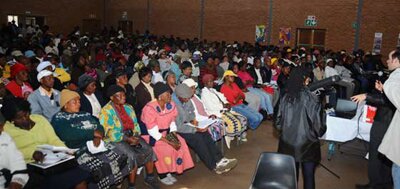
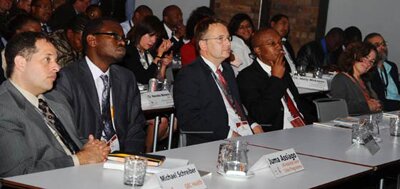
Fig. 1: 2011 launch. Fig. 2: Joburg 2040 paradigm. Fig 3-4: 'GDS outreach'. (Photos by joburg.org.za)
Permalink to this discussion: http://urb.im/c1409
Permalink to this post: http://urb.im/ca1409jbe

 September 2014 — When the UN General Assembly convenes in mid-September for the upcoming 69th session, its responsibilities will include the consideration of the 17 Sustainable Development Goals (SDGs) and targets recently proposed by the UN Open Working Group (OWG) on SDGs. Among the currently proposed goals is Goal 11: "Make cities and human settlements inclusive, safe, resilient and sustainable." The inclusion of a standalone goal focused on sustainable cities and human settlements will be a powerful impetus for the international community to acknowledge and act on the critical challenges and major opportunities that rapid urbanization will present during the next 15 years.
 While Johannesburg is putting in place a new transport infrastructure, Cape Town has numerous other accolades to display its 'green' credentials. Cape Town became the first in Africa to develop an "Energy and Climate Change Strategy" in 2006; and in another first in Africa it was named by the Ethisphere Institute as one of the top 10 cities in the world to become a future global sustainable centre, namely for its 10 percent residential solar power and 10 percent renewable sources goals for 2020. In another first, the City also began in 2008 to purchase a small amount of electricity from the Darling Wind Farm, South Africa's (SA) first commercial wind farm (figure 1). August 2014 also saw the opening of a solar PV factory, the newest and most modern on the continent; and in a socially significant first, SA's first 'off-the-grid' taxi rank opened in the informal suburb of Wallacedean on the margins of Cape Town, which produces its own electricity from rooftop solar (PV) panels.
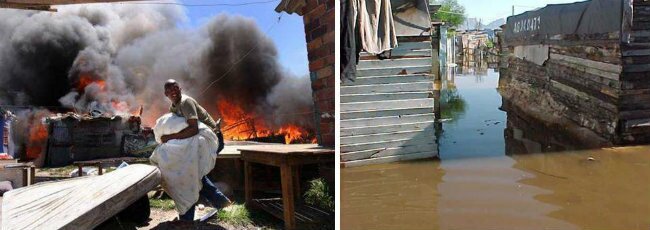 To be sure, investment is needed to make the renewable energy equipment market in South Africa cost-competitive in the long term. However, there are only about 25 years left of the easily extractable coal reserves upon which South Africa is largely dependent, and the country's renewable energy industry is one of the fastest-growing in the world with investments of around R140bn ($14bn). Thus, increasingly, a balance will be needed between investor returns and the needs of the broader society. Here the state, public and multi-stakeholder participation, and stakeholder partnerships all have a role to play.
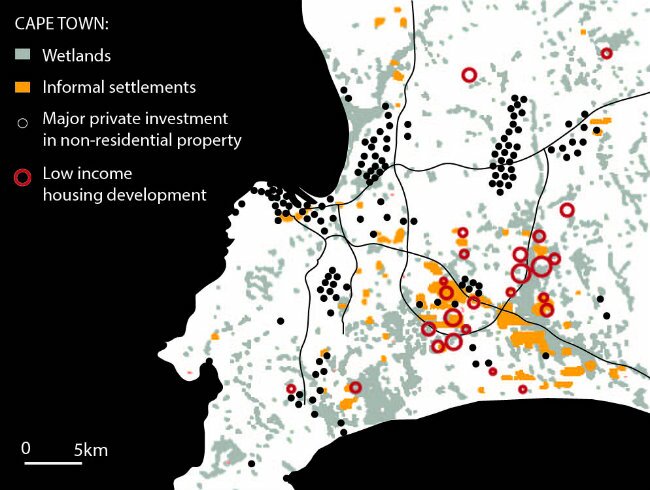 Returning to the Ethisphere Institute's 'top 10 in the world' sustainability ranking; it also added the following in its report: "While much of the city is developing nicely, a good chunk of it remains in squalor conditions. This is a major obstacle." If 'a good chunk of squalor' seems little cause for derailing a 'top in the world' status, what then — we must ask — is 'sustainability', in Cape Town, the global South, and the world? And who or what does it sustain?
 Planeamiento urbano pensando en la sostenibilidad: Un objetivo ambicioso en Cali
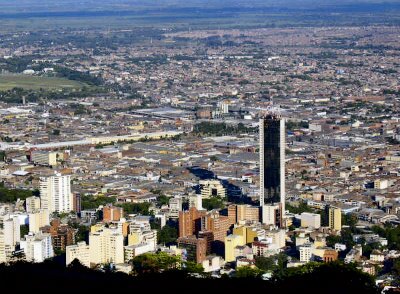 Los planes generales de ordenación urbana son uno de los instrumentos mas poderosos con los que cuentan las alcaldías. En este sentido, el Plan de Ordenamiento Territorial de Cali (POT), que ya ha sido presentado por la alcaldía y se está discutiendo en el Concejo, incluye muchas medidas encaminadas a cumplir con los SDG.
 Pemulangan pendatang ilegal untuk menekan laju urbanisasi Jakarta
 Data sensus terakhir BPS tahun 2010, menyatakan bahwa jumlah penduduk Jakarta lebih dari 9 juta namun jumlah ini menjadi lebih dari 12 juta jika ditambah pendatang yang bekerja di siang hari. Kepadatan penduduk akibat urbanisasi menjadikan banyak hal menjadi tidak dapat dikendalikan oleh pemerintah setempat seperti tumbuhnya pemukiman kumuh, berkurangnya ruang hijau, hunian illegal di ruang publik, polusi, kemacetan lalu lintas, banjir dan banyak masalah kesejahteraan sosial lainnya. Kesemua permasalahan ini menyebabkan kualitas kota menjadi buruk dan pelayanan publik menjadi terhambat.
 Seguridad vecinal
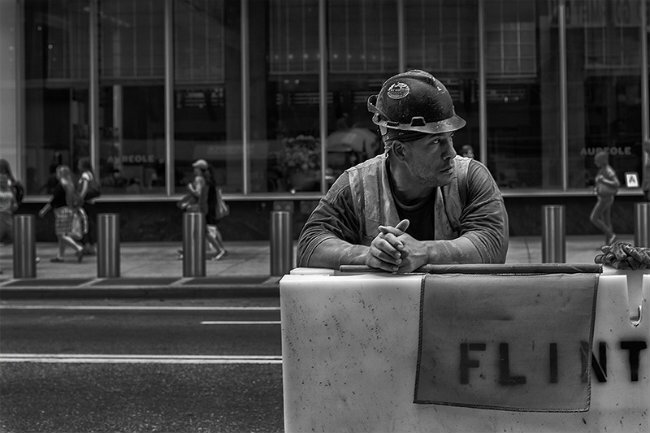 Lo anterior se relaciona con la meta 7a de los Objetivos de Desarrollo Sustantable de las Urbes, la cual sugiere erradicar la pobreza urbana, aumentar el empleo y la productividad y elevar el nivel de vida, especialmente en los barrios marginados. En este sentido, uno de los factores relacionados con el nivel de vida y la productividad de la población es lo referente al ingreso de las personas. Pues bien, como argumenta Caroline Moser bajo el modelo de vulnerabilidad, el ingreso es uno de los capitales indispensables para que las personas puedan vivir en las ciudades de manera adecuada; ya que el resto de los capitales están relacionados a la dinámica monetarizada para poder obtenerlas, como es el caso de la vivienda, los servicios de salud y la alimentación. En este sentido, el bienestar de las personas está condicionado a las estrategias que generen para obtener el ingreso.
 Inspiring and training the next generation of India's urban leaders
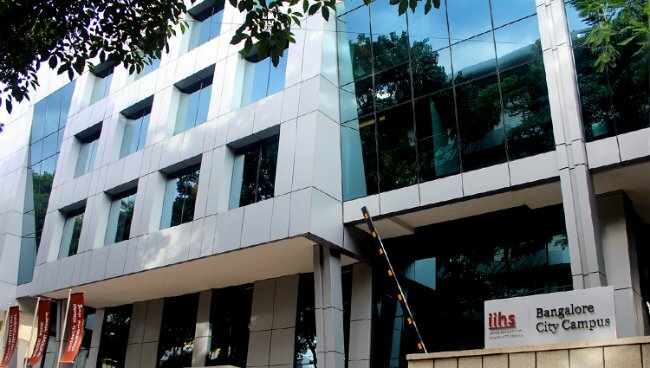 In India, less than five percent of the top-management leaders in the country have been educated and trained in urban practice. At the middle-management level, including senior municipal officials, senior engineers, and even urban planners, the percentage with urban training is still less than 20 percent. In a step to fill this knowledge gap, in 2011, the Indian Institute of Human Settlements in Bangalore opened its doors to train the next generation of urban leaders. The urban-focused, interdisciplinary institution — the first of its kind in the country — has created partnerships with leading universities and scholars from around the world.
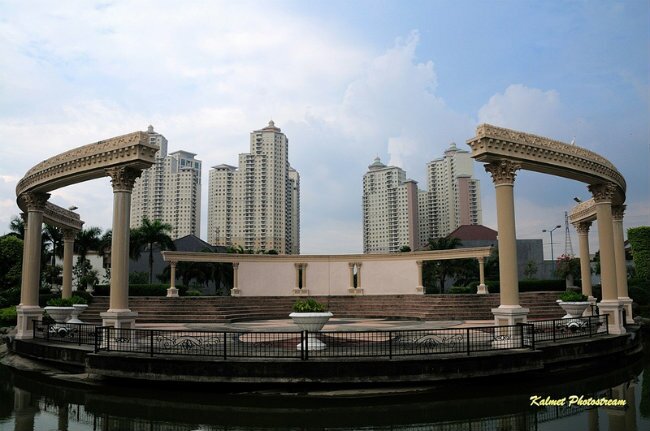 Sebagai kota besar kedua, permasalahan kepadatan penduduk menjadi tak terelakkan. Untuk itu Kota Surabaya telah bertekad untuk melakukan pembangunan dan manajemen kota yang lebih baik, salah satunya dengan menerapkan konsep Smart City ini. Secara umum, Smart city diartikan sebagai sebuah kota yang mampu memanfaatkan sumber daya manusia, modal sosial dan infrastruktur komunikasi modern untuk mewujudkan pertumbuhan ekonomi berkelanjutan dan kualitas kehidupan yang baik dengan manajemen sumber daya yang bijaksana melalui pemerintahan berbasis partisipasi masyarakat.
 التخطيط الحضري والتنمية المستدامة في القاهرة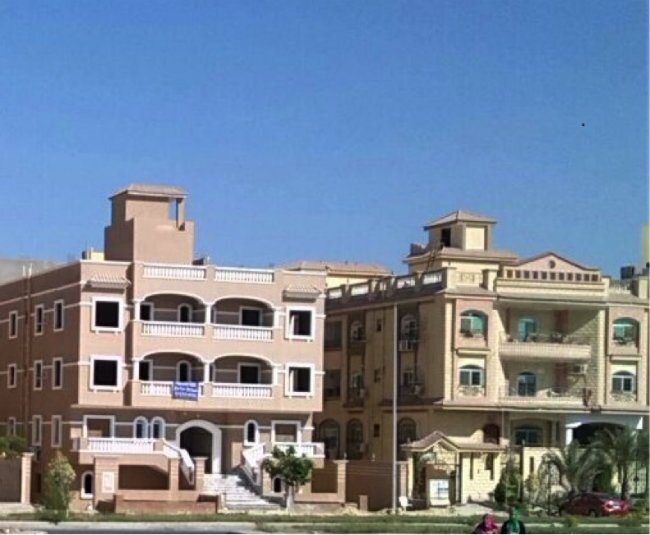

 SDG 11 could boost Malawi's recently elected City Councillors
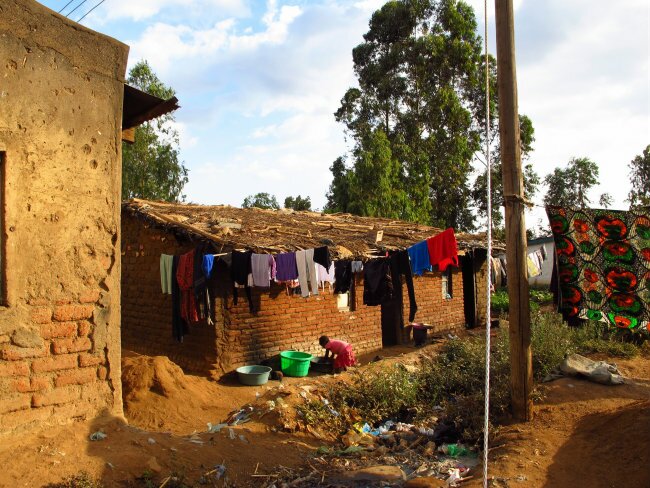 Re-establishment of an elected City Council comes not a moment too soon in Lilongwe. Given the city's high rate of urban growth, strong emphasis on its management is needed. To some extent, this is recognised in Malawi's current Growth and Development Strategy (MGDS II) which contains a sub-theme on urban development, with the goal of creating "a sustainable, economically and socially integrated urbanising system." Urban development is however not identified as a key priority area, and little progress on key strategies such as slum upgrading and reduction, and enforcement of land use plans and regulations can be seen.
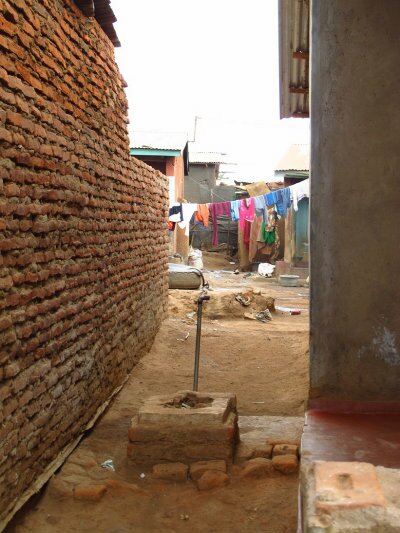 In its current form, Sustainable Development Goal 11 contains important targets that Lilongwe, and other cities in Malawi, should aim to meet. In particular, ensuring access to adequate housing for all, as well as inclusive and participatory human settlements planning and development, are important steps towards resolving
 From a planned city to spontaneous urbanization: Could Ho Chi Minh City go back to a sustainable development plan?
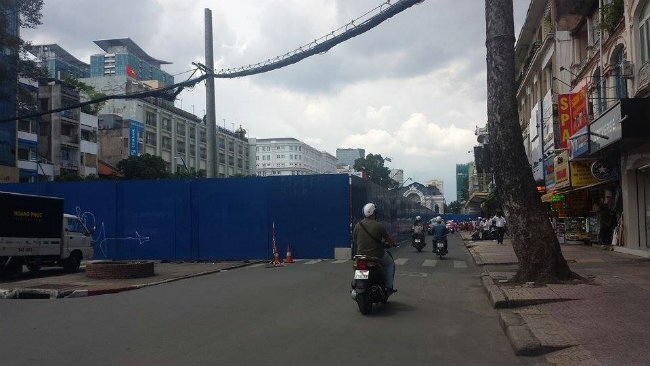 Today, Ho Chi Minh City accommodates nearly 8 million inhabitants, 16 times more than the capacity in the original Coffyn plan. Unfortunately, besides one unsuccessful and unimplemented 1993 general plan, there hasn't been a macro-level plan for Vietnam's biggest city since the end of the war. Instead of focusing on high-tech industry and commercial services, the city has opened its doors to all investment proposals, which subsequently resulted in 15 haphazard industrial zones all over the area, along with one million workers who have migrated from other provinces. Due to the enormous housing demand, the population explosion has led to spontaneous housing zones and multiple slum areas, where the lack of planned drainage systems has increased the frequency as well as the destructiveness of inner-city floods. Ho Chi Minh City has become the so-called "fragmented city."
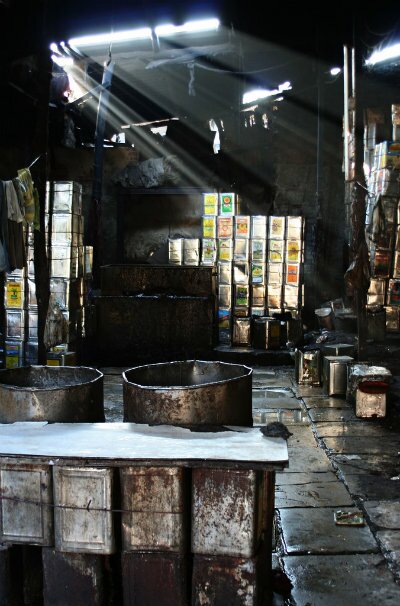 These international goals will catalyze participating nations' existing and future schemes, such as India's Basic Services to the Urban Poor (BSUP), which has been in place for decades. The BUSP tasks local urban governing bodies with improving access to essential services such as clean water, proper sanitation, and regular electricity, as well as securing tenure, improving affordable housing, and enhancing access to social services such as school and healthcare. Despite the longevity of the initiative, urban slum dwellers across India survive each day without these basic necessities in place. It's estimated that there is only tap for every 1,000 people in some slums, compared to an average of 52 per tap on average in the city. Service delivery is woefully inadequate.
 Changing urban planning: an urban SDG for compact cities
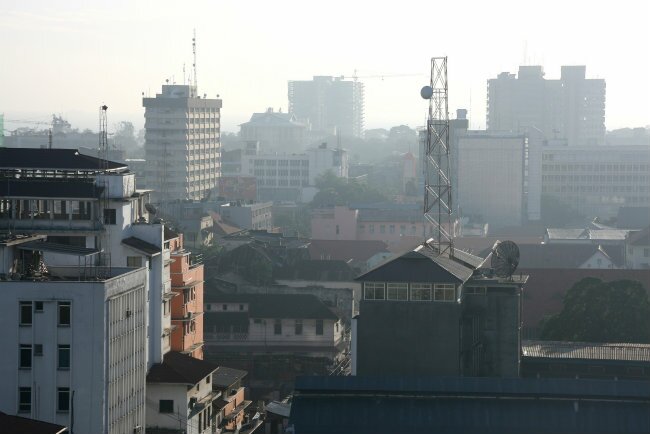 Reports suggest that Dar es Salaam is set to become Africa's next megacity. The city is the most populated region in Tanzania, with new migrants entering the city, and an average annual population growth of nearly five percent. New peripheral districts continue to pop up at the edge of the city, creating new spaces for the changing population, but also making traffic jams a daily experience for many. Urban sprawl continues to be an issue, affecting the experience of living in Dar es Salaam. Traffic jams have social, health, and economic costs. The city's congestion is predicted to cost vehicle users 411/bn Tsh a year (almost USD $250 million). The high costs (in money and in time) of travel results in segregated communities, and worsening inequality as studies show that as a result of poor services and infrastructure, the poor are getting caught within a poverty trap. Put off by high travel costs, the poor remain stuck in their neighbourhoods.
 Sustaining Lagos through institutional reforms
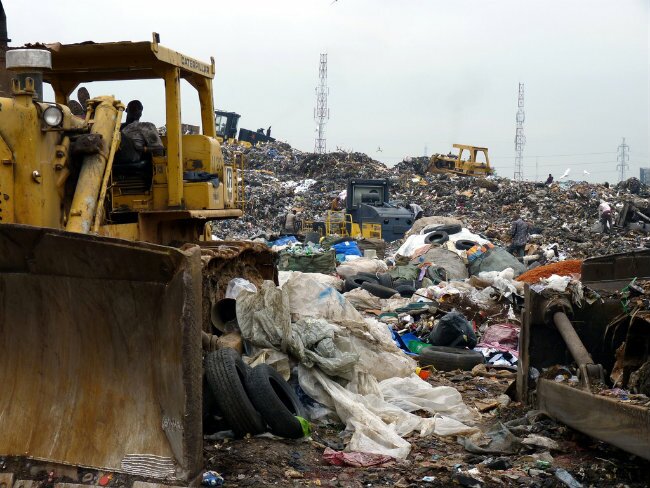 These institutional changes include improved law enforcement, better sanitation and waste management systems, budget reforms, sustainable urban planning and housing schemes, and an overhaul of the public service systems and agencies. In 2005, Lagos formulated and adopted the Lagos State Economic Empowerment and Development Strategy, targeted at 10 focus areas, such as health care and shelter, to encourage sustainable development. Emphasis was placed on public sector reforms through budget reforms, instituting a knowledge-based approach to planning and management to be adopted by all city ministries and parastatals, and instituting an economic summit to encourage and create framework for public–private partnerships to support continued development.
 Sin embargo, las enormes tasas de crecimiento que se produjeron a partir de ese momento y que aún se mantienen se convirtieron en la mayor amenaza para este espacio natural. Barrios enteros y autopistas circunvalares se construyeron en esas fechas sobre las faldas de los Cerros, a los que hay que sumar asentamientos informales, algunos en zonas de alto peligro por la inestabilidad del terreno. Quedaba claro que la supervivencia de los Cerros dependía de la protección legal.
 Entre tanto, la falta de seguridad y los constantes asaltos alejaron a los ciudadanos del disfrute de los Cerros: Bogotá vivía completamente al margen de los mismos. La acción de grupos ciudadanos, en especial los Amigos de la Montaña, buscaron la recuperación de un espacio espectacular en una ciudad en la que existe un inmenso déficit de parques y zonas verdes. Los Amigos de la Montaña lograron que el Acueducto de Bogotá abriera al público un camino junto a uno de los ríos, la Quebrada de la Vieja. El camino está vigilado por la policía y recibe una gran cantidad de visitantes. Desde entonces se han abierto dos más, y se sigue buscando la forma de abrir nuevas vías.
 Self-organized communities and development practices
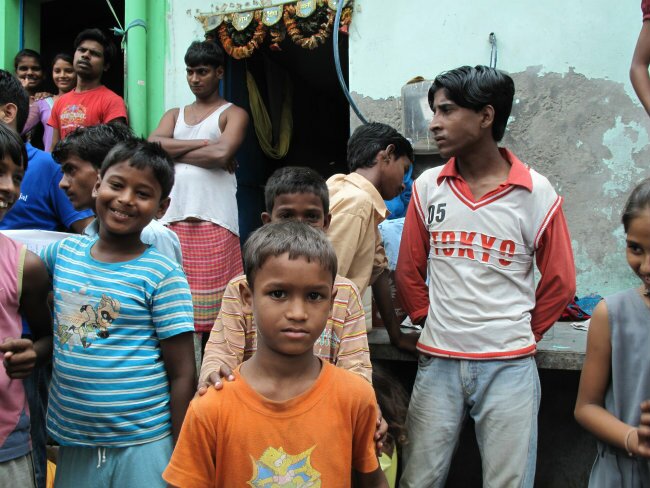 Founded in 2009 by Rakhi Mehra and Marco Ferrario, micro Home Solutions (now mHS City Lab) worked in India for four years on the ground providing solutions to low-income housing issues for urban India. Among the major projects spearheaded by mHS was the Mangolpuri Project, where they realized the multiple benefits of catalyzing the self-construction market. "Moreover, as people are continuing to build regardless, we felt it was important to leverage the opportunity by helping communities build safer and helping them access finance," says mHS co-founder Mehra. "The pilot highlighted the need to build an entire support ecosystem in order to help self-built communities grow properly. Mangolpuri is a resettlement colony with a 99-year lease, which is sufficiently secure tenure for loans to be extended to homeowners. This enabled MFIs to finance constructions. Another important factor was to have a community organization to partner within Mangolpuri. The Baliga Trust partnered with us along with MFI BASIX. This changes the nature of intervention, allowing us to work with the people rather than for them." mHS is now working internationally on similar assignments and engaging with academic and research institutions on workshops and generating research on informal settlements.
 Sustentabilidade urbana na prática: o caso do novo Plano Diretor de São Paulo
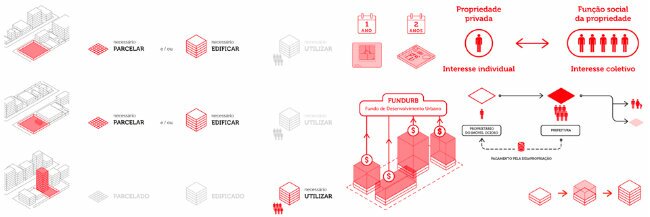 Com o objetivo de reequilibrar a cidade, grande foco foi colocado na questão do acesso à terra urbana — uma das questões críticas na cidade — bem como nas funções e densidades ideais para cada região e eixo, através do sistema de tipologias incentivadas, incentivos ao uso misto, controle da forma urbana, aumento significativo da área destinada à empreendimentos de habitação social e o estabelecimento da cota de solidariedade, que prevê que o desenvolvimento imobiliário no mercado da habitação venha acompanhado da realização também de habitação de interesse social.
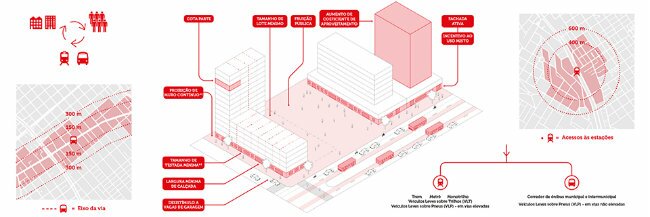 Importante iniciativa do plano de caráter sustentável é o estabelecimento da Macroárea de Estruturação Metropolitana, que consolida um grande eixo de territórios em rápida transformação, com ampla oferta de infraestrutura, mas ainda pouca densidade habitacional. Essa grande área deve se tornar nos próximos anos um grande laboratório de projetos urbanos, possibilitando aplicação de diversos instrumentos urbanísticos a fim de implantar equipamentos estratégicos — funcionando como externalidades positivas —, recuperar áreas contaminadas — fruto de antigas áreas industriais em processo de desativação —, bem como trabalhar de forma integrada a expansão das infraestruturas de drenagem, a recuperação ambiental de rios e córregos e a ampliação da rede de espaços públicos e áreas verdes.
Comments
informal settlements
Priyanka, thanks for sharing the three projects that are been implemented in informal settlements in Delhi, it is very interesting that through community participation the inhabitants can have access to basic services. I totally agree with you that people living in this areas are not consider in institutional planning from the government, one of the arguments is related to the escalation of informal settlements if government provides this services, however institutions may not ignore this effect and the basic needs and vulnerability of these inhabitants. I mean, the establishment of these settlements is the result of lacking urban plans for vulnerable people.
Changing urban planning an urban SDG for compact cities, Gemma
What a comprehensive and great piece of work as usual Gemma. I have a question on your stated outcome that high transportation costs from peripheral/compact cities will result in Segregated communities, I wonder, why the government, within the frame of establishing those compact/newly established cities did not think in a more effective means to solve the traffic jam issue and enable the inhabitants of those cities to commute, through for instance, a metro short line network.. was such topic suggested at any time? Does the government have a future initiative?
Also, I wonder, when you mentioned Urban Agriculture as a source of income, are there any achieved or implemented successful examples in Tanzania?
Best regards,
Shaima
Impact of SDG 11?
Hi all,
I wonder if you're able to elaborate on what impact you think an urban SDG will have on policy-making in your cities? As I've outline in my piece, the MDGs played a role in the development of priorities for Malawi's two previous Growth and Development Strategies, and as such it can be expected that the SDGs will also influence the third Strategy. Thus, an urban SDG can be expected to add pressure Malawian government to include urbanisation as a priority area in the next Strategy (not least because the expected increased financing for urban issues if SDG 11 is kept in the final draft). Is the situation similar in your cities? For instance, Olatawura, you highlight various institutional changes and processes towards sustainability in Lagos implemented over the past decade - do you expect these to be buoyed or receive additional funding if SDG 11 is formally included in the post-2015 development agenda? Did the MDGs have a visible impact on development strategies in your cities?
Cheers,
Nora
Development Goals and Impact.
Hi Nora,
The MDGs definitely had an impact in Lagos, there are efforts addressing all eight focus areas, primary education and hunger have sort of been lumped together with a program that encourages children to attend school paying next to nothing and offering school lunches, poverty eradication is also being tackled through employment opportunities, ongoing malaria prevention programs and more accessible health care through local government clinics placed around the city there about 52 in Lagos. Green spaces and programs to enhance environmental sustainability are also in place. These program are not solely city funded but involve civil societies as well.
But I get your point, and it might be time to start giving a little more focus to cities as priorities, as a starts for wave of change, In Nigeria, many other states and cities are beginning to follow the lead of Lagos. The improvements in lagos is causing a ripple of change or shaming for change if you will of other cities and states...and what is a country if not the sum of its many parts? Focusing on cities might be a faster way to ensure national improvements and development.
As for the SDGs, the impact it might have and hoped for is more funding, from the MDGs the city is already leaning more towards sustainable urban practices and for a city like Lagos, this is imperative given its size, population and significance to the Nigerian economy. I do not foresee a lot of pressure but more facilitation for sustainable goals and practices that will also hopefully spill over to other Nigerian cities. The SDGs will be a welcomed enhancement, lending more legitimacy to the city's sustainable goal and will be important for ensuring inclusiveness of all classes in the journey.
Narrowing in on SDG objectives
Nora, this is a great question. On a national level, there was a lot of focus on the MDGs, though there are mixed opinions on whether or not India achieved the targets. "Its vast population, its diversity, the variability of services and the differing baselines across regions complicate the achievement of the MDGs. There is evidence that while some States are on track, many others lag behind and will lower the country's overall achievement," said an article in the Hindu at the 10-year assessment. In Mumbai, there has definitely been a big focus and improvement on university primary education, as well as reduction in maternal mortality and primary health. I think the key with the MDGs is that there were only 8 of them and they were clear with their objectives and outcomes. An article yesterday in the NYTs about the SDGs by Abhijeet Banerjee says that the SDGs are trying to be all-encompassing and run the risk of being too broad for governments with limited resources to feel they can actually meet the goals. (The article is interesting, see here: http://www.nytimes.com/2014/09/11/opinion/how-to-prioritize-un-goals.htm...). I think this is an important point when thinking about adding an "urban" SDG. There are so many issues related to urban development, so it seems to me the challenge will be ensuring the targets are achievable.
Thanks Carlin for the link.
Thanks Carlin for the link. Very interesting, and also very true as I see it. Still, I'd be tempted to argue that an urban SDG is necessary given that 50% of the world's population lives in cities. On the other hand, shouldn't that mean that every goal should be directly related to cities in one way or another? Or maybe we need a set of SDGs for cities?
Urban SDG - defined
Nora, I definitely agree with you that an urban SDG is absolutely necessary. I wasn't trying to dismiss an urban SDG, but I just wanted to make the point that urban issues are so all-encompassing and widespread that if it is just one of a list of SDG goals, then it will have to sort through what are the most important priorities. Or, like you proposed, perhaps the SDGs need to just divide along urban and rural lines, since there is so much to cover.
Social Housing in Sao Paulo
Hi Eliana, my article on Cali also focuses on adjustments to the Master Plan (known as POT in Colombia). The process is still ongoing, and it also has been opened to participation. Just as you do, I am concerned about the long term prospects of the good intentions registered in the plans, as financial and political constraints do take their toll. Obviously, master plans are nevertheless crucial tools.
I would like to ask you if you can give us some more information on the social housing being proposed for Sao Paulo. Is it going to be built by the administration?
Thanks, Jorge
Special Zones of Public Interest -ZEIS
Hi Jorge, Thank you for your question!
In São Paulo the social housing aspects are related to ZEIS (Special Zones of Public Interest), areas defined in the masterplan to create social housing or regularize informal settlements and ocupations. These can be done by the public companies (from the state and the municipality) and by private real estate companies. To improve the system, the new masterplan brought a new tool, the Solidarity Quota (Cota de solidariedade) which defines that any new enterprise with more than 20.000m2 of área will have to invest in social housing, either providing it in the same condominium (in the case of housing developments), either buying plots for the public company to construct housing units, and finnaly by giving Money to the municipality, increasing the FUNDURB (Urbanization Fund).
Lighting up the urban poor
Hi Carlin, access to basic services is a critical aspect of the fight against poverty. Here in Bogotá the City last year adopted a free minimum supply of water for poor households. The City covers 100% of the cost of this water (50/l per person per day approx). Do you know who covers that subsidy in the case of the connection fees for the electric energy service in Mumbay?
Lighting up the urban poor
Hi Carlin,
Power supply definitely improves lives not just for working hours but for general productivity and cost of that productivity. It is interesting that the connection fees have been subsidised and just leveraging off Jorge's question do you know how the billing works and how affordable it is?
For instance in Lagos, there is flat rate that has to be paid outside of billing for electricity used, it was initially a small fee, but with privatisation and reforms in the National energy sector the fee although still small, has gradually increased. One can imagine the impact on poorer households who live on a tight budget. I ask about the billing system because its one thing to be connected to the grid, and its another thing to be able to afford it. Was wondering if you knew the affordability aspect of being on the grid and how this is worked around. Alo what happens when there is isn't constant supply in that first 6 months?
Power Subsidy
Jorge and Wura, good question about where the subsidy comes from. In the pilot phase of the project for the targeted households, the one-off subsidy is funded by GPOBA, which is a partnership of donors established in 2003 by DFID (the UK's Dept of Int Dev). Actually, the interesting part of this project is that it is considered an "Output Based Approach" (OBA), so 90% of the subsidy will only be delivered to the provider once an independent agent verifies a working connection and six months of supply and billing. Since this approach basically has a built in measurement to gauge effective delivery, the idea is seen as a way to improve the effectiveness of development aid in the many forms OBAs are currently being used. What do you think of this idea?
Heritage, Culture & Sustainable Urbanization
It should not be forgotten that the Urban SDG Goal as reported by the OWG recognizes a central role for heritage in making cities and human settlements inclusive, safe, resilient and sustainable. It does this specifically through inclusion of Target 11.4 which calls for strengthening efforts to protect and safeguard the world’s cultural and natural heritage. Among the key roles heritage plays in the context of sustainable urbanization is promoting social cohesion, well-being, creativity and economic appeal, and is a factor in promoting understanding between communities.
The question of how can heritage, can contribute to a more balanced and sustainable urbanization has been a key concern of the International Council on Monuments and Sites (ICOMOS), including at a key summit held in Paris in 2011 which resulted in a declaration entitled "Heritage as a Driver of Development." This Declaration forms part of a series of initiatives and actions that have been undertaken by ICOMOS over many years in order to promote a development process that incorporates tangible and intangible cultural heritage as a vital aspect of sustainability, and gives a human face to development. Of particular note is the ICOMOS conference held at Moscow and Suzdal in Russia (1978), on the theme of ‘The Protection of Historical Cities and Historical Quarters in the Framework of Urban Development’. The work and ICOMOS reports of Nara (1997), Xi'an (2005) and Quebec (2008) helped to develop the heritage concepts of ‘authenticity’, ‘context’ and ‘spirit of place’. An important step has been the work of ICOMOS in developing Charters that have become international benchmarks, especially for UNESCO and its Member States. Of particular note are the ICOMOS International Cultural Tourism Charter developed in 1977 and updated in 1999, the ICOMOS Charter on Cultural Routes adopted by ICOMOS in 2008 and the ICOMOS Charter for the Interpretation and Presentation of Cultural Heritage Sites, which was also adopted in 2008.
Concerns revolving around heritage and development are also echoed in the theme that UNESCO chosen to celebrate the 40th anniversary of the World Heritage Convention in Kyoto in 2012, ‘World Heritage and Sustainable Development: the Role of Local Communities’.
This topic is important for a number of reasons. The effects of globalisation on societies are manifested in the attrition of their values, identities and cultural diversity, and of their tangible and intangible heritage, in the broadest sense. Therefore, the relationship between development and heritage must be examined. As various aspects of development threaten to degrade and destroy heritage and its inherent values, it is necessary to take up the challenge of conserving this fragile, crucial and non-renewable resource for the benefit of current and future generations. It is now widely agreed that heritage - with its value for identity, and as a repository of historical, cultural and social memory, preserved through its authenticity, integrity and ‘sense of place’ - forms a crucial aspect of the development process in general and urbanization in particular.
With this in mind, our view is that heritage plays an indispensable role in sustainable urbanization, with the following elements being among those that are critical:
Regulating and Redistributing Urban Development
- To preserve historic districts and encourage their restoration and regeneration;
- To establish and direct work on regeneration and increased urban densification, promoting a harmonious, balanced and coherent approach to street and plot layout, streetscapes, massing and height of urban developments, and reclaiming urban wastelands and peripheral urban zones, in order to recreate multifunctional, landscaped urban neighbourhoods; restoring the concept of urban boundaries.
- To promote balanced planning and development in order to ensure the most appropriate allocation of activity zones, including educational, cultural, tourism and leisure facilities.
Revitalising Towns and Local Economies
- To encourage the selective retention and reuse of built heritage in towns and rural villages in order to foster socio-economic regeneration; increase the density of urban cores to contain the anarchic spread of new buildings;
- To support the maintenance of traditional agricultural and craft activities to preserve skills and expertise and provide employment for local communities;
- To maintain and bring back into use local, sustainable, traditional energy production techniques, and develop new sources of energy production, with a view to economic and energy security.
Preserving Space
- To preserve open spaces, which are non-renewable; to maintain rural landscapes and the organisation and scale of their agriculture and forests; to conserve indigenous plant and aquatic heritage; to protect geological and archaeological heritage, groundwater and ecosystems;
- To maintain regional and local communication networks (railway heritage, roads, navigable waterways) to transport people and goods, and to ensure the provision of local services; to promote alternative modes of transport;
- Preserve rural heritage, ensuring its appropriate reuse while maintaining integrity of spatial distribution and functional elements; strictly limit urban sprawl and place conditions on the right to build, stipulating that development should respect the historic landscape and traditional settlement patterns.
student,
Hi Andrew,
Hi Andrew,
Indeed you raise an important issue. Here in Bogotá the historic center is beautiful and quite large, but has been neglected for decades. It is dirty, unsafe during the night, and many buildings are poorly kept. Many bogotanos avoid it altogether, and local business struggle to attract customers outside business hours. The economic and financial centers moved away from the area as it deteriorated, particularly after the 1950s when street disturbances severely damaged many buildings and obliterated much of the transportation infrastructure of the time. The center has not recovered ever since.
The current city administration is working on a plan that seeks to revitalize the center, but not onlythe historic core, but a larger area, what used to be the financial center and surrounding areas. For this project many of the ideas that you bring about are being considered. Still, it is a very complex process, and also has risks. For example, as the historic centers improve, prices skyrocket and many of the local inhabitants and traditional business are forced out. Also, planning has to be careful in order to avoid worsening some problems. For example, the central government is in the process of relocating many of its administrative offices to consolidated building in the enlarged center. This will, without question, bring a lot of economic activity to the area. However, it might worsen the security problems in weekends and at night, when all the office workers leave the ministries.
I am sure that in URB.IM we will have a chance to pick up the topic. I already discussed in in the context of regional cooperation (many historic cities in the region have faced the same issue Bogota is facing now, and were able to make significant improvements, in particular Quito, Lima and Mexico DF).
Thank you for your comment and for following URB.IM!!!
Open Government
Nora, it is great question and indeed very tricky to answer it, because when we almost at the end of MDGs but very little seems to achieve (not to mention failure) despite so much money being spent already especially here in Indonesia. some failures for example in reducing maternal mortality, turns out the number is increasing; for child mortality the number has been stagnant for the last three year, similar to HIV cases that keep increasing. Meanwhile in term of women empowerment, indonesia has hard time in pushing women into politics to fulfill 30% of women quota in parliament. Indonesia also fails in delivering its target in poverty alleviation as level poverty is still at 11,6% and our target is 8%.
MDGs as global agreement will end in 2015 however post 2015 or SDG should continue and include urban issues based on argument that many more people will live in cities in coming future. However there is still on going discussion regarding issues should be included and countries and CSO all over the world are pushing their agenda at the moment.
But, may i know how each of your country try to involve urban issues within Urban SDG agenda? because government of Indonesia and our CSOs are very active in promoting our agenda. for example at the moment there is an Open Government Partnership High-Level Event at New York and my organization and several other CSOs are also attended the meeting.
Involvement in urban SDG agenda
Hi there!
Thanks for comment - I think you raise a very pertinent question on how we can learn from the MDG experience to make 'better' SDGs as well as how to actually reach them..
On the question of involvement in the SDG process, I am not aware of any country-led activities on the urban SDG in Malawi. There is a strong rural bias in development here, and so any engagement in the SDG process is likely to be on other themes (but I don't know of any). At a recent meeting for urban stakeholders we discussed the possible urban SDG, and the general feeling was that action would be taken mainly once SDG 11 had (hopefully) been included, and we could use that to advocate for more focus on urbanisation and urban development in Malawi.
Inspiring and training the next generation of India's urban lead
I found this article to be very interesting and inspiring. Though broad based development goals such as the MDGs have become widely recognized in the global community less attention to date has been paid to Urban Sustainable Development Goals. As you highlight in your article, our world is rapidly urbanizing and India is not exception. It is important to push innovation as you highlight but if the complex system thinking is not built among the practitioner base then negative impacts of more infrastructure led development are glossed over. Especially given the trajectory of India's population growth over the next few decades and the existing human development challenges faced in the nation, a approach that provides policy makers and leaders with an appreciation of the prerequisite for basic human capabilities is indeed encouraging.
The deportation of undocumented visitors to limit overcrowding
Thanks for this article on immigration & deportation. It is a new perspective on an age-old issue of development and work. In particular the Citizenship Counseling program caught my attention. Often with rural-urban migration individuals are seeking a higher standard quality of life or reconnection with family members, among a host of other push factors. This approach to engaging existing residence in providing new arrivals is innovative. I wonder what impact the deportation policy in Jakarta has on migration to other cities. Have these policies been successful in their goal of promoting economic development in other cities across Indonesia? In addition, I wonder what potential negative impacts these policies have on individual livelihoods. I assume that these fines might be difficult for some individuals to meet. If fined and unable to pay are workers/immigrants excluded from returning to Jakarta? I look forward to reading more on this issue, and am very intrigued by their approach.
Add new comment