 El Arte del Paisajismo en un Barrio
Mabe (Maria Beatriz) Garcia-Rincon, Gestor Comunitario de Caracas
Caracas, 25 agosto 2016
En Caracas, los barrios están siendo reorganizados al integrar el arte, cuidadosamente, integrando el paisajismo. El objetivos es ir trayendo la naturaleza como un componente esencial mediante la cuál sana la ciudad, donde el crimen violento ha desatado a esta ciudad en los últimos 17 años.
De esta manera, el arte es predefinido con la utilización de flores, plantas, biodiversidad, y de los espacios públicos como herramientas esenciales para una nueva proyección de lo que significa vivir en un barrio. El proyecto es llamado, “Con las Flores, esta la Union” y que se repitará en barrios en los cinco municipios . Este mismo utiliza un proceso participativo con la que se diseña los paseos de flores, escogidas por los ciudadanos mismos. El proceso explora el diseño con el mapeo estratégico de espacios la cual son compartidos por los residentes mismos. Los espacios son claves en determinar espacios compartidos en común, para que sean apolíticos, fronterizos y hasta re-definiendo las barreras creadas entre grupos anti- sociales violentos, donde las flores integran la idea de paz y belleza dentro del entorno publico.
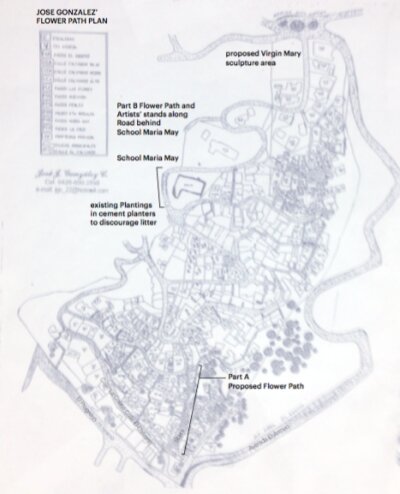
El proceso participativo invita a los consejos comunales, un sistema participativo desarrollado bajo la tutela del Chavismo representando un sistema jerárquico del partido PSUV y organizacionalmente un Estado paralelo, y a su vez se consultan las organizaciones civiles y ONGs que se hayan fundado dentro del barrio por los ciudadanos mismos, así invitando la representación de ideales diversos y plurales. La invitación de actores principales y de ciudadanos también se desarrollará con la idea de crear un mapa de percepciones, donde cada barrio mapea su entorno, donde señaliza en lugares de peligro con el uso de colores didácticos, indicando lugares puntuales donde exista un alto riesgo. El objetivo es de construir el paseo de las flores tomando en cuenta lugares donde pudiese haber un conflicto de tuberías subterráneas, la malutilizacicn de estos espacios públicos, o cualquier otro problema la cuál pudiese ser contencioso desde el punto de perspectiva de los vecinos mismos. Los mapas son colectados y resumidos dentro de un mapa, de tal manera de crear una guía perceptual de las dinámicas sociales del espacio geográfico, in situ.
Los niños y niñas, adolescentes, y los mayores de 60 años , son invitados para participar en talleres , durante los fines de semana con comida y bebidas en una mesa para 10, donde se discuten plantas nativos al habitat del barrio y local. Es una idea ingeniosa , de la cuál , se originó con un bachillerato, la cual, indicó que las flores del diseño deberían de ser repelentes naturales de mosquitoes para así disminuir el Zika, dengue y malaria.Las flores son escogidas con elementos de diseño en mente, con amarillo, morado, y otros coloridos posibilidades basados en un Jardín Inglés.
Un arquitecto y paisajista, especializado en Bromelias, ha sido incluido dentro de l os talleres para enseñar a los residentes el arte detrás de la jardinería, y las clases de jardinera han sido desarrolladas para prevenir crimen, la cuál puede aislar y marginar jóvenes. Las clases promueven una dinámica activa dentro del barrio, basada en la ciencia, biodiversidad, biología y la naturaleza. La presencia de más naturaleza o elementos naturales en barrios, de forma planificada, diseñada, permite que la naturaleza sea una tema que se relacione con la seguridad, la belleza, la paz y no con el riesgo. A veces los barrios, perciben la naturaleza como un riesgo por el desborde de los ríos, y deslaves peligrosos.
El proyecto utiliza el arte del embellecimiento de los espacios comunes dentro de las escaleras la cuál integra la ciencia del arte como motivo para el cambio social. El programa se basa en un modelo participativo [bottom-up] para diseñar los jardines integrando huertos urbanos, infraestructura para estabilizar los muros de contención y evitar deslaves, y la integración de colibríes con la escogencia especifica de ciertos tipos de matas y flores las cual los atrae, y así componer un barrio, estilizado con flores en una composición artística, con vibrante colores. Lo último es una alternativa al arte de mural, y enciende los cincos sentidos con aromas que remplacen la humedad y el olor a agua estancada con eso de flores frescas. Los programas atraen a los mayores de 60 años, a los niños/as, y a los hombre y mujeres retirados o sin empleo, para que sean ellos los que crean los espacios comunes.
La activa participación ha recreado un entusiasmo para la protección de barrios, y ha permitido que se remuevan el vínculo de las escaleras con el acaparo de basura, colillas de cigarros, o de delincuentes; y así atrae a niños, jóvenes y los mas viejos vecinos para que comiencen a dejar sus raíces, muy literalmente, creando así un componente físico, con el diseño de flores, como pinceladas únicas entre los nuevos colores de los jazmines y flores de ‘caracoles amarillas’, que atraen a turistas y activan económicamente a éstos espacios. A su vez, la infraestructura nueva es ideal para el manejo de aguas pluviales las cuales ahora son absorbidas por la tierra y las flores, y estabiliza la montaña contra los deslaves riesgosos para las casas que viven aquí. La gobernanza se vuelve muy fuerte y útil para motivar a tantos actores sociales, enriqueciendo, los vínculos ínter-comunitarios para que estos sean fuertes y crean un sistema de gestión propio en base a los ciudadanos. Cerrar.
Foto: Photo credit: Through Flowers, We Unite
Permalink to this discussion: http://urb.im/c1608
Permalink to this post: http://urb.im/ca1608css
Landscape Architecture in Slums Feeds Social Change
Mabe (Maria Beatriz) Garcia-Rincon, Caracas Community Manager
Caracas, 25 August 2016
In Caracas, slums are integrating the careful art behind landscape architecture and nature as a means to heal a city devastated by violent crime. In this arena, art is defined through flowers, plants, biodiversity and green public spaces. The project is called, “Con la Flores esta la Union” [Through Flowers, we Unite]. The project is meant to spread to one barrio in each of the five municipalities, and involves participatory processes to design flower paths designed by the citizens themselves.
The process involved exploring a design of mapping strategic spaces in each barrio with residents. The spaces are meant to be apolitical boundaries and frontiers between traditional, territorialized gang spots. Transforming them with flowers, the idea is to integrate the idea of peace and beauty into the public space arena.
The participatory process invites Consejos Comunales, a participatory system of government set-up by Chavismo, in a sort of parallel government. The stakeholder engagement begins with creating a map of perceptions, mapped in each neighborhood, where people show or point out with a color coded methodology places ideal for building flower path that transform their immediate surroundings. The maps are collected as individual perceptual guides of social dynamics of varoius spaces.
Then children, youth, and the elderly, are invited to participate in workshop set-up on weekends with food and drink in a ten person dining room set-up where plants native to the local habitat are selected. A great idea came from a few high school students, which was choosing plants known to repeal mosquitoes and thus reducing the potential for Zika, dengue, or malaria, diseases growing in the region. The flowers chosen are carefully designed in an artistic landscape, with yellow, purple, and a English garden typology. A landscape architect specializing in Bromelias, has been included to teach residents about the art of gardening, and a gardening program has been set-up as a way to prevent youth and children from falling pray to teenage pregnancy, drug gangs, or other forms of social disengagement and marginalization. The landscaping classes promote engagement, use of science, biodiversity, biology, and nature. The presence of more nature in barrios as a planned, designed activity, makes nature a topic related to security, beauty, and peace - not risk.
This project uses the art of the beautification of common spaces in the stairwells of barrios to integrate science among art and social change. The program utilizes a bottom-up social participatory model for designing the beautiful gardens to integrate a mudslide prevention process, urban farming, and the integration of hummingbirds through the use of specific flowers that brings this very diverse species of birds to become a part of slums as well as the use of plants to be an artistic composition of the use of vibrant colors, an alternative to street art, bringing beautiful aromas to places that were previously filled with humidity and mold-spore-dense smells. The programs attract the elderly, children, and the retired as well as teen students to become participant members of the creation of their common spaces.
Active participation has enabled enthusiasm for the protection of barrios and the slow removal of stairwells as spaces for trash, cigarette butts, and delinquent activities; and invites children and the elderly to have roots physically planted, an important symbolic act. The activation of these spaces, also invites tourists. Most importantly the project is framed in the context of enabling strong social strong governance, with the backbone idea that gardening and artistic interventions through plants and flowers can transform broken inter-community ties into strong prominent ones, while also creating a system for self-administration, social confidence, and inclusion.
Close.
Photo credit: Through Flowers, We Unite screenshot
Permalink to this discussion: http://urb.im/c1608
Permalink to this post: http://urb.im/ca1608css

 August 2016 — Art can be a powerful medium in discussing typically taboo subjects. In underserved communities all over developing cities, art -- in the form of graffiti, theater, song and dance -- is playing an important role in giving voice to difficult conversations. In Accra, for example, art is helping a marginalized Muslim community better integrate into their neighborhood and surrounding communities. This month, we'll explore a variety of powerful projects that are getting creative in how they are making cities better for all.

 (Re)Tratos nas ruas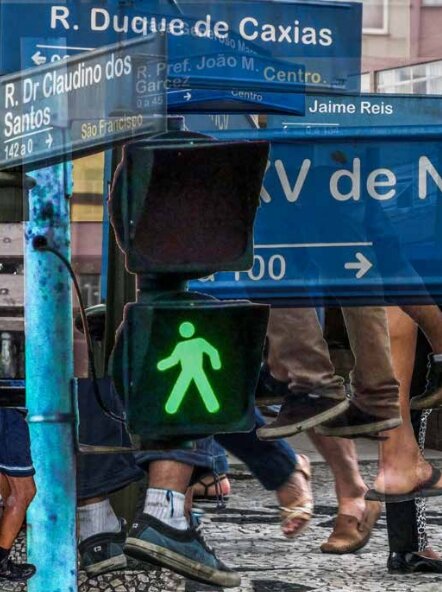

 El arte urbano le cambia la cara a la comuna 13 de Medellín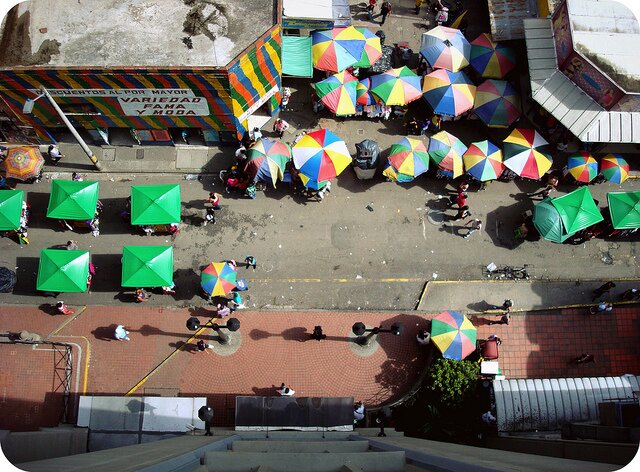

 Social development through art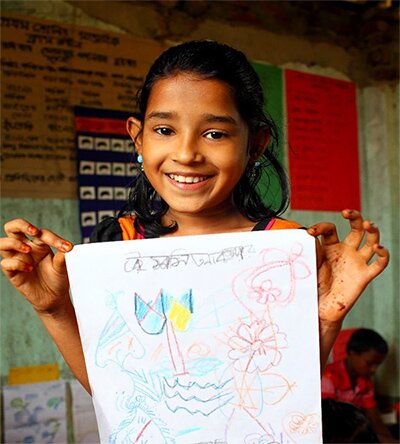

 Mural sebagai bentuk Seni Urban dan Perlawanan Sosial

 O teatro pode transformar a realidade?

 Talking about arts and crafts in Dar es salaam, Tanzania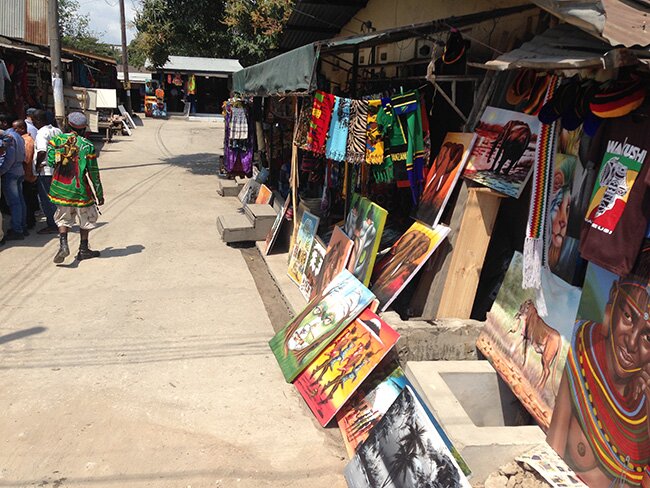

 On community radio, music builds a shared space for the subaltern
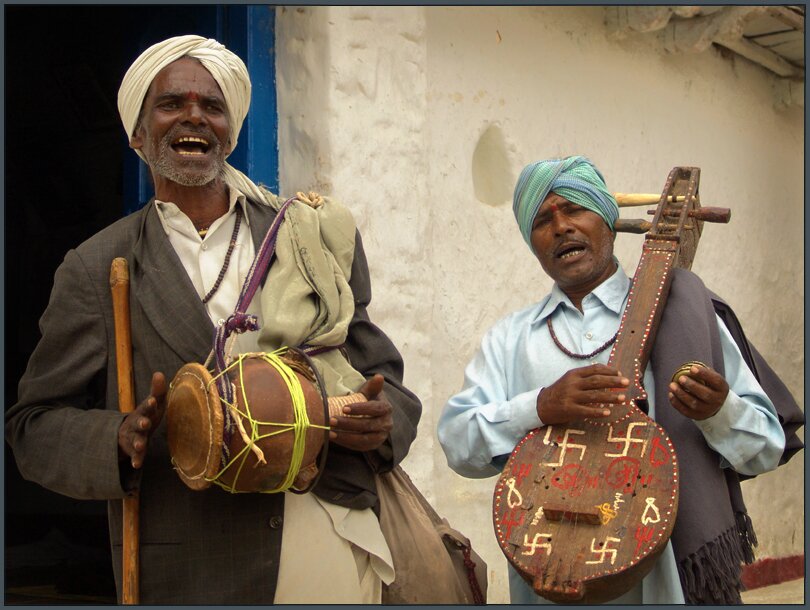 The mainstay of a radio channel is music and the pursuit of original music that would engage their target communities became an all-consuming roller coaster ride. Reminisces GkA founder Arti Jaiman, “Through word of mouth, we gathered inroads into the world of mandalis (troupes) that performed the ragini, a folk form popular in Haryana. Our team travelled to Kota Khandelwala, a small town that hosts a famous ragini competition annually to record music. We discovered a whole thriving world of music that we were barely aware of, a world patronised by local elites where the tradition of storytelling through folk music was still very much alive.”


 The Talking Walls: Strengthening community cohesion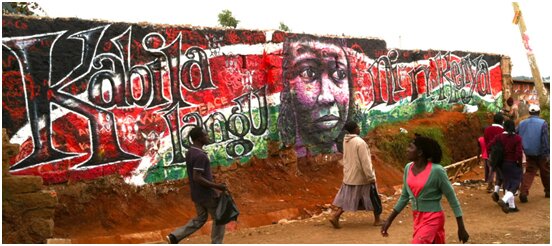

 Estación Arte Viva de la Sabana: usando el arte como motor de transformación social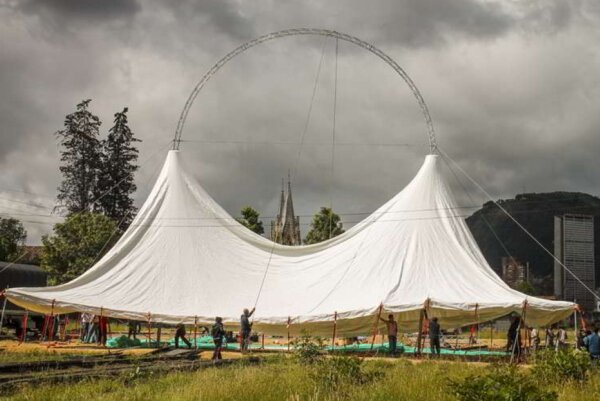

 Reclaiming spaces for public leisure and community participation

 Can art help heal the lingering effects of apartheid planning?

 Accra’s marginalized integrate their community through art

 Drama to Empower: Can theater reduce likelihood of prostitution?

 SALUD-ARTE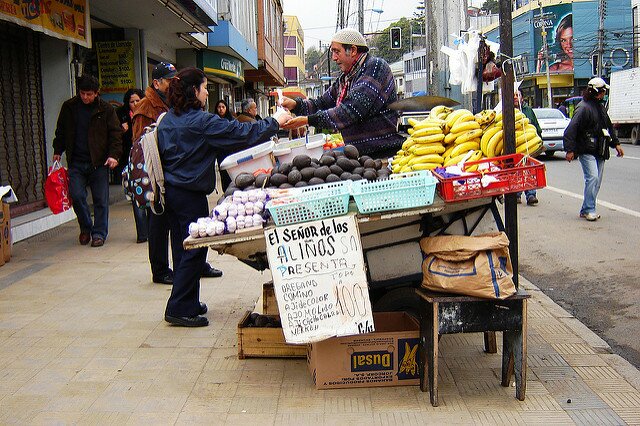

 Creatively reimagining space under flyovers

Comments
Toilets in Homes of Slum Dwellers
How small things ( we take for granted) can go a long way in improving the lives of these workers, especially women is starkly visible in this comment I heard from a woman in a rehabilitation society in Mumbai, who had for the first time got access to a toilet in her home: I finally feel I have got the freedom: freedom to even eat and drink what I want and when I want.
How to encourage people to visit parks?
Hello Peter,
that's a very interesting article about public parks and gardens in Lagos. Many initiatives in public space in the other cities from our network are started by citizens themselves, therefore it is great to see "the other side" and to know that governments are also working on providing better public spaces. However, I can imagine that this is difficult for two reasons: Like you said, there are not that many visitors yet in the new public spaces. Do you know if there are any initiatives to encourage citizens to use these spaces more? Or do officials trust that this will come with time?
Also, I was wondering whether the general feeling in the public towards this parks and gardens initiative is positive or whether citizens think that maybe other, more urgent issues should be tackled first?
Best wishes, Laura.
Re: Initiatives to encourage people to visits parks
Dear Laura,
Thanks for the feedback and great contributions. Like the article noted, visiting parks and gardens is quite novel for Lagos residents. As the commercial center of Nigeria, many have come to see Lagos as a land of 'hustle' which created an environment of long hours of work, though people visits beach and attend parties, very few enjoy serenity that you will get from parks and gardens. The reclamation of spaces for public leisure through parks and gardens is the first step and a lot of people have come to see it as a giant stride from the city's administrator. However, that is not enough, while the pull factors include aesthetics of the transformation that has happened and the opportunity to hold informal meetings, the push factor can be linked to the cost charged at some of the parks. Though some are totally free, but the ones that offers the best satisfaction in terms of facilities are not free which discourages many from patronage. As cited, there is an imperative to sensitize the public about the benefits of visiting these parks, as at now, advocacy on that is very low. Secondly is the cost charged, it would be great to see the cost reduced to the lowest minimum or totally removed while people can pay a token on weekends or special holidays. Thanks
Circo para todos
Jorge, la iniciativa que presentes es un gran proyecto para recuperar espacios públicos desgastados, así como para acercar el arte a la gente con valores cívicos. Es una gran idea, me pregunto si conoces de donde salen los fondos para financiar la operación del programa, y si esta iniciativa podría ser sustentable para presentarla ne otras localidades.
Add new comment