 مهاجران افغانستانی و تبعیض آموزشی
مریم امیری
Tehran, 25 August 2015
یکی از مهمترین پرسشهایی که در رابطه با فقر مطرح می شود، «چرخه فقر» و نحوه رها شدن افراد و خانوارها از آن است. امکان تحصیل یکی از موارد حیاتی است که می تواند کودکان خانوارهای فقیر را از گرفتار شدن در چرخه فقر نجات دهد. در ایران مهاجران افغانستانی معمولا بسیار فقیر و دارای کم درآمدترین مشاغل هستند. بسیاری از آن ها نیز به طور غیرقانونی در ایران ساکن شده اند.آن ها علاوه بر تبعیض های قانونی با انواع تبعیض های اجتماعی که از سوی مردم اعمال می شود نیز مواجه هستند. از جمله اینکه بسیاری از مدارس ایران از ثبت نام آن ها سرباز میزنند. به ویژه اگر والدین آن ها مجوزهای لازم اقامت را نداشته باشند. این کودکان بازمانده از تحصیل معمولا همپای والدین خود در خیابان و یا واحدهای تولیدی کار می کنند و درآمد اندکی برای خانواده خود فراهم می آورند. اما «چرخه فقر» ادامه می یابد.

جمعیت دفاع از کودکان کار و خیابان در سال 1382 با هدف محو کامل کار کودکان، شروع به فعالیت کرد. آموزش کودکان خانوارهای فقیر و کودکان مهاجران افغانستانی از فعالیت های مهم این سازمان غیردولتی است. دفتر این سازمان در یکی از محلات فقیرنشین جنوب تهران واقع شده است و کلاس های سوادآموزی نیز همان جا تشکیل می شوند. اهداف و نحوه عمل این سازمان آن را از تبدیل شدن به یک سازمان خیریه ای بازمیدارد. این سازمان علاوه بر برنامه های آموزشی مستقیم، نقد ساختارهای کلان آموزشی که به بازتولید کودکان کار و بازمانده از تحصیل کمک میکند را نیز در برنامه خود قرار داده است. آموزش خانوارهای فقیر و مهاجر برای بالا بردن آگاهی آنها و بهبود کیفیت زیست کودکان از اقدامات دیگر این سازمان است. شیوه آموزشی جمعیت با شیوه های رسمی آموزش در ایران متفاوت است. در این شیوه علاوه بر آموزش خواندن و نوشتن به کودکان، تلاش می شود مهارت های اجتماعی آن ها نیز ارتقا یابد. مثلا بسیاری از امور مربوط به سازمان به صورت مشارکتی انجام می شود.
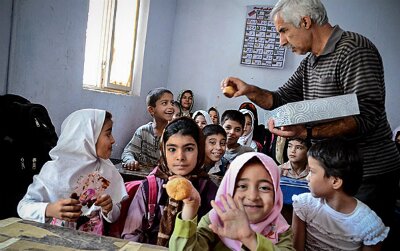
جمعیت دفاع از نیروهای داوطلب برای آموزش استفاده میکند. همه خدماتی که به کودکان داده میشود کاملا رایگان است. علاوه بر این کتاب و لوازم التحریر کودکان نیز توسط جمعیت فراهم می شود. هم اکنون بیش از 160 دانش آموز 7 تا 18 ساله در جمعیت تحصیل میکنند. که بسیاری از آنها افغانستانی هستند.
جمعیت دفاع از کودکان کار و خیابان در طول بیش از یک دهه فعالیت خود و در شرایطی که فعالیت های مدنی در ایران با سنگ اندازی دولتی روبه روست، توانسته سرمایه اجتماعی قابل توجهی از نیروهای داوطلب و آموزش دیده فراهم آورد. شاید تحت تاثیر چنین تلاشهایی است که اخیرا فرمانی از سوی رهبر ایران صادر شده که کودکان مهاجران افغان حتی اگر غیرقانونی باشند می توانند در مدارس ایران ثبت نام کنند.مطمئنا این تصمیم تبعیض بزرگی علیه کودکان مهاجر برمیدارد، ولی تا زمانی که فقر شدید در میان خانوارها (چه ایرانی و چه مهاجر) وجود دارد، کودکان بازمانده از تحصیل هم وجود خواهند داشت.
Photo: Fararu
Permalink to this discussion: http://urb.im/c1508
Permalink to this post: http://urb.im/ca1508tep
Afghan emigrants and educational discrimination
Maryam Amiri, Tehran Community Manager
Tehran, 25 August 2015
Education plays an essential role in addressing the "poverty cycle" and in preventing the next generation from falling into the poverty trap.In Iran, there are more than two million Afghan emigrants, usually are among the poorest and with the lowest-income occupations. Considering that a big proportion of this population does not own residency permits, they face several kinds of formal and informal discriminations. For instance, most Iranian schools refuse to register Afghan children, especially if they do not own residency permits. Thus, the Afghan children are sent to work for low pay instead of to school. And thus, the cycle of poverty continues.
The Society for the Defense of Street and Working Children was formed in 2003 to abolish all kinds of child labor in Tehran. Education is one of their most important activities, and one of their priorities is working with children from poor Afghan families. The society holds classes in their office, located in a poor neighborhood in south of Tehran. The society is distinguished from other charity organizations both by their focus on enabling children and due to the unique methods and goals of their educational program.
One of the organization's objectives is denouncing the formal education structure, which they believe encourages child labor. This system in Iran is based on gradual but important privatization, an approach that makes the cost of education unbearable for poor households. The Society therefore also tries to increase the knowledge of the poor families about their children's education, and teaches them ways to improve their condition. Their methods also include teaching social skills to the children. Overall, the organization is run in a participatory way, which contrasts greatly to the formal education system in Iran.
The Society uses volunteer teachers, and provide free services and facilities for children, including transportation, books, supplies, and food. The education committee of the Society has provided classes for 160 children aged seven to 18.
For more than a decade, the Society for the Defense of Street and Working Children has been leading an important group of volunteer forces working to reduce social discrimination against poor emigrants. In part due to these efforts, the supreme leader of Iran recently issued an order by which all emigrants, even those without a residency permit, can register their children in Iranian schools free of charge. The results of this decision are not clear yet. It clearly removes one of the many discriminations facing immigrant children in Iran, but until intense poverty is eradicated, many families will still force their children to work instead of going to school.
Photo: Fararu
Permalink to this discussion: http://urb.im/c1508
Permalink to this post: http://urb.im/ca1508tep