 چگونه سیاست مالی غلط یک طرح را به ضد خودش تبدیل می¬کند.
مریم امیری
Maryam Amiri, Tehran Community Manager
«مسکن» در ایران همیشه بحث چالش برانگیزی بوده است. در دهه اول پس از انقلاب اسلامی در سال 1357 ، پروژه هایی برای تسکین این مسئله ارائه شد که تقریبا موفقیت آمیز بودند. اما پس از یک دهه و با برگزیذن سیاست های تعدیل ساختاری در اقتصادی ایران، بخش مستغلات و تامین مسکن به کلی به بازار سپرده شد و از آن پس وضعیت مسکن وخیم تر شد. قیمت زمین و مسکن در تمام این سالها افزایش یافت و هم اکنون تامین مسکن برای اقشار کم درآمدی که هر روز به تعدادشان افزوده میشود، به کلی غیرقابل استطاعت است. متعاقب این امر افزایش تعداد سکونتگاههای غیررسمی پیرامون شهرهای بزرگ و به ویژه تهران است که از 5درصد در ابتدای انقلاب به 30 درصد رسیده اند.
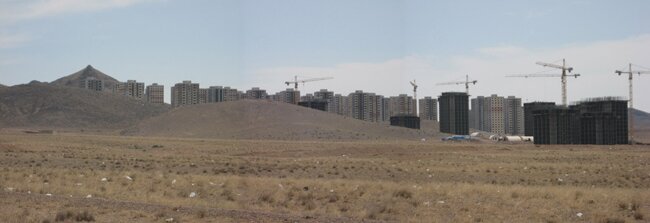
با توجه به این مشکلات و عواقب غیرقابل اجتناب آن، در سال 1389، دولت طرح بزرگی به نام «مسکن مهر» آغاز کرد که هدف آن بهتر کردن وضعیت مسکن به ویژه برای کم درآمدها بود. طرحی بسیار جاه طلبانه که طبق آن قرار بود ظرف 4 سال 2.2 میلیون واحد مسکونی ساخته شود. پایه طرح براساس اجاره 99 ساله زمین برای کسانی است که تا به حال صاحب مسکن نبوده اند. در آغاز طرح قرار بر این بود که متقاضیان مبلغ اندکی (حدود 20 درصد هزینه ساخت) را بپردازند. اما در هر مرحله این مبلغ افزوده شد. دلیل این افزایش تدریجی، تورم شدیدی بود که بخش عمده ای از آن به دلیل اجرای همین طرح ایجاد شد.
از سال 1389 تا 1392، بخش بانکی به ویژه بانک مسکن، حدود 38 میلیارد دلار به سازندگان مسکن مهر وام پرداخت کرده اند. این وام ها عمدتا از طریق پول پرقدرت بانک مرکزی پرداخت شدند. در نتیجه نقدینگی در ایران به شدت رشد کرد که خود عامل شدت گرفتن تورم بود. تورمی که در سال 2013 رکورد 42 درصد را ثبت کرد.
در راستای افزایش تورم عمومی، تورم بخش مسکن نیز افزایش یافت. در نتیجه وام ها ارزش خود را از دست دادند و اکنون وامی که قرار بود 60 درصد هزینه های تامین مسکن را پوشش دهد تنها 12 درصد آن را پوشش می¬دهد. به نظر میرسد طرح به هیچ یک از اهداف خودش دست پیدا نکرد. عدم موفقیت مسکن مهر دولت جدید را برآن داشت که تقریبا طرح را متوقف کند و به راه حلهای دیگر بیاندیشد.
مشکلات بخش مسکن به ویژه در تهران همچنان ادامه دارد و کم درامدها همچنان از دسترسی به مسکن مطلوب محروم هستند. شکست مسکن مهر باعث شد این تجربه به وجود بیاید که محوه تامین مالی چنین طرح های بزرگی تا چه اندازه اهمیت دارد.
بانک مرکزی اکنون در تلاش است وام های رهنی دیگری از طریق بخش بانکی فراهم کند. وام هایی که مستقیما به خریداران مسکن پرداخت خواهد شد و قرار است بخش عمده هزینه مسکن را پوشش دهد. همچنین بازار رهن ثانویه نیز در این طرح به کار گرفته خواهد شد. در این طرح جدید بسیار مهم است که مدل هایی به کار گرفته شود که ذاتا تورم زا نباشد. در این صورت داستان دوباره تکرار خواهد شد.
Photo: Kozo.ir
Permalink to this discussion: http://urb.im/c1412
Permalink to this post: http://urb.im/ca1412tep
A misguided fiscal policy's unintended effect
Maryam Amiri, Tehran Community Manager
Tehran, 23 December 2014
The issue of housing in Iran has always been a very problematic debate. In the first decade after the 1979 revolution, the government led various projects to address the issue, almost all of which were successful. But after 1990, the Government went through a period of economic structural adjustment and surrendered the housing sector to market forces. The condition of the real estate sector has worsened since then. Land and housing prices have increased throughout the years, and now obtaining a house is hardly affordable for poor urban households, which are increasing in number each year. As another result, the number of informal settlements around mega cities, especially Tehran, has been growing from five percent of total houses in 1979 to 30 percent in 2013.
Considering this problem and its inevitable consequences, the government decided to start an immense project in 2010, the Mehr housing project. The goal of the project was to ease the housing problem for low-income populations by building 2.2 million housing units in four years, based on long-term lease of land. Under this scheme, real-estate developers are offered free land in return for building cheap residential units for first-time buyers on 99-year lease contracts. Although at the beginning applicants weren't supposed to pay significant amounts (only about 20 percent of the construction costs), their share gradually increased. This can be explained by an explosive inflation rate, which was caused partly by the project itself.
From 2009 to 2013 the banking sector, particularly Bank Maskan (Housing Bank), gave loans to contractors of the Mehr housing project up to USD $38 billion. These loans were provided by the Central Bank through credit lines for the banking sector from its money supply resources. As a result, liquidity increased rapidly in Iran's economy, and it fueled the inflation rate to reach a new record of 42 percent in 2013.
In the housing sector, too, the inflation rate raised dramatically. As a result, the loans gradually lost their value, covering from 60 percent of the home's value in the beginning to less than 12 percent in 2013. The project seems not to have reached any of its goals. These results dissuaded the new government (elected in 2013) from carrying on with the project, in order to control the inflation rate. Iran's Minister of Urban Development said in early 2013 that the Mehr housing project would be discontinued, but "we will finish incomplete houses." The affordable housing issue is therefore still a problem, as low-income populations are unable to afford the housing prices.
It is now clear that these kinds of mega projects should be financed in a different way. The Central Bank is said to be working on providing mortgage loans through the banking sector. These loans, which will be paid directly to the buyers, are supposed to cover the main part of home value, and it will be accompanied by an expansion in secondary markets in this regard. It is critical that these new models not be inflationary in nature, in order not to repeat the same mistake.
Photo: Kozo.ir
Permalink to this discussion: http://urb.im/c1412
Permalink to this post: http://urb.im/ca1412tep