
Approaches to endemic and infectious disease
 As cities in the developing world grow, slums become more densely packed, exposing residents to unsanitary conditions and increasing the risk of contracting infectious disease. Endemic diseases such as dengue fever, swine flu, malaria, and tuberculosis spread quickly, overwhelming limited health services and infrastructure. With health care facilities remote or non-existent, medication unavailable or unaffordable, health knowledge shaky, and caregivers in short supply, how can informal communities keep contagion in check?
Read on for solutions from Mumbai, Nairobi, Jakarta, São Paulo, and Mexico City — then join the conversation in the comments below.

|

|

|

|

|
 |
Rainy season brings public health risks to Mumbai
Carlin Carr, Mumbai Community Manager
Monsoon clouds moved over Mumbai last week, opening up into a deluge. It's the start of the rainy season in India — a welcome relief from the summer heat and a time to recharge water levels that had dropped to drought levels. While most people celebrate the wet months ahead, the season also brings with it a number of public health and safety hazards. Malaria is among the deadly diseases that raise alarms for public health officials, and it is slum dwellers who are most widely affected.
 Malaria is spread through the bite of the ubiquitous female Anopheles mosquito. These mosquitoes breed in stagnant water where drainage is often clogged. The slums areas of Mumbai are always hardest hit. While some precautions include taking anti-malarial drugs, spraying with repellent or using mosquito nets, these are rarely options for the poor. A study on malaria interventions in Mumbai slums found that in the Parel slum, a central part of the city, 90 percent of slum dwellers live below the poverty line and cannot afford preventive measures against malaria.
While malaria remains a perennial issue, city officials launched a targeted intervention in 2009 that has become a model for other Indian cities. Numbers prove its success: there were 198 deaths due to malaria in 2009; dropping to 145 in 2010; 69 in 2011; and 45 in 2012. According to a Times of India article, the city has created a booklet documenting the approach and an awareness-raising film. "The BMC [Mumbai's city government] adopted a multi-pronged approach to deal with malaria, with focus on slums and construction sites, door-to-door screening, regular fogging and keeping tabs on malaria patients to ensure they underwent the entire treatment so that there was no relapse," says the article from earlier this year.
Malaria is not the only concern; officials have seen a rise in dengue during the rainy season as well. Municipal commissioner Sitaram Kunte said that their focus will now turn to combating this other mosquito-borne illness using the malaria model: "We carried out extensive house-to-house screening programs to keep a check on malaria; similar steps will be taken for dengue. Societies who don't follow the BMC guidelines will be penalized."
In addition, the city needs to ensure that storm drains are cleaned to avoid water logging. While officials has ensured civic organizations that it has taken the necessary measures to prepare the city, experience has proven otherwise. In just the first few days of the monsoon, flooding was rampant.
Monsoon-related illnesses know no boundaries. And while slum areas are most adversely affected, the entire city is on watch. Mumbai's anti-malaria program shows that proactive interventions can not only prevent infections but can also quickly deal with cases that come in. Most importantly, the city has seen how one program can be adapted to lessen the impact of other diseases, with life-saving results.
Photo: Dinesh Bareja

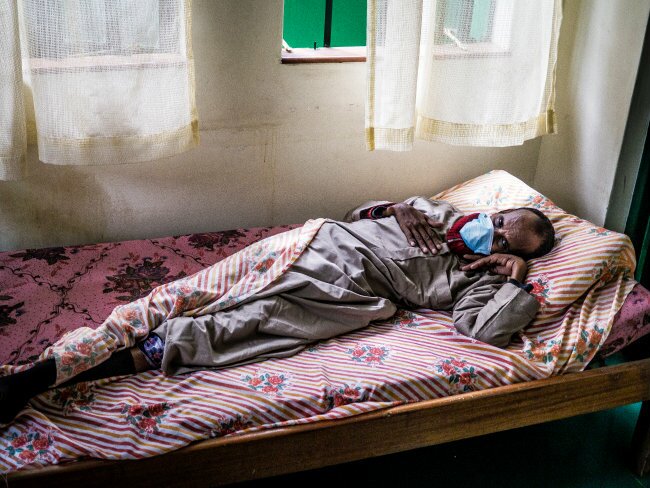 "When you've got people sleeping piled up together to keep warm, the likelihood that they will share infectious diseases rises sharply," explains Hussein Kerrow, a Clinical Officer at the Doctors Without Borders (known as Médecins Sans Frontières, or MSF) Blue House Clinic in Mathare. According to Kerrow, tuberculosis (TB) is one of the most frequent conditions in Mathare because people often live in small cramped quarters without any form of ventilation and, as a result, are more exposed to diseases.
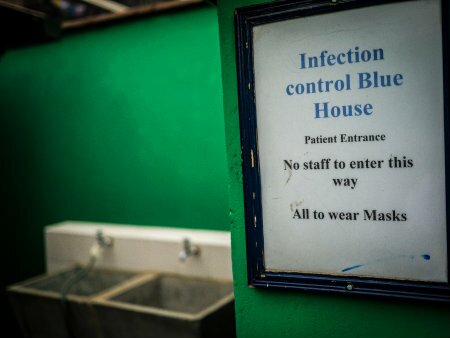 The Blue House Clinic was founded in Mathare in 2001, initially in response to the AIDS pandemic spreading through the area. People living with HIV/AIDS have weak immune systems and as a result are highly susceptible to contracting TB. In response to this problem, MSF drew up a comprehensive care package, which included TB diagnosis, treatment, and psychosocial and nutritional support.
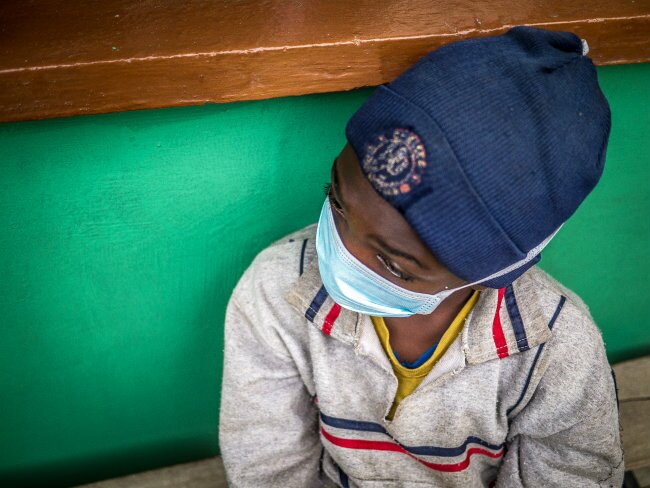 With treatment lasting a minimum of eight months, one of the biggest challenges faced by staff at the Blue House is defaulting patients. "People living in Mathare are often transient and will not be in the city for long periods of time," says Kerrow. "In addition to this, they can be poorly-educated and don't understand that if they want the treatment to really work, then they must see it through right to the end. Although we do have a network of TB centers around the country, we really try to avoid transferring people, especially during the intensive phase."
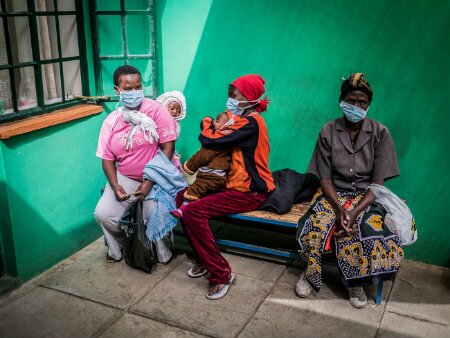 "Here at the Blue House we regularly enroll new patients and discharge ones that have successfully completed their treatment. We feel this is proof that our program continues to have a lasting impact in the area," concludes Kerrow. "Of course there are a few things we would like to see improved, but these are mainly related to the social care angle. We believe it is important to train family members to care for people with TB, who are forced to take a large amount of pills every day and need additional support to what they receive at the clinic. In addition to this, we would like to find a way to target defaulters by involving the community and raising awareness about the importance of bringing the treatment to a full completion."
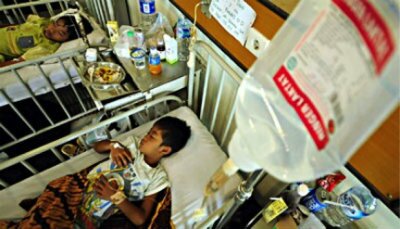 Gerakan Nasional Cegah Demam Berdarah pada tahun 2009 atas initiative PT Johnson Home Hygiene Products (JHHP).
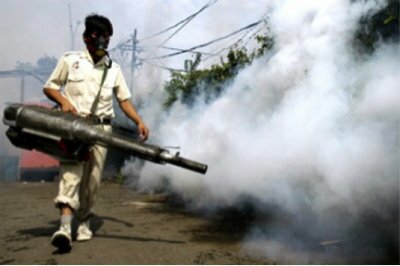 Kebon jeruk Jakarta Barat yang mendapat predikat sebagai daerah dengan tingkat terendah pada kasus demam berdarah. Dalam hal ini Ketua RT Kebon Jeruk secara aktif pada hari kamis berkeliling mengunjungi rumah-rumah warganya dan mengingatkan agar mereka memembersihkan rumah dan penampungan air serta memeriksa jentik nyamuk pada hari jumat. Sehingga lama kelamaan tumbuh kesadaran bersama akan pentingnya menjaga kebersihan lingkungan sekitar untuk mencegah penyebaran DBD.
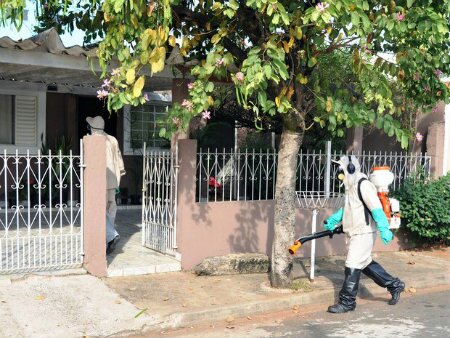 Infelizmente na cidade de São Paulo a doença vem crescendo nos últimos anos. Os casos de dengue contraídos na cidade cresceram 25 por cento nas primeiras 13 semanas de 2013 em relação ao mesmo período do ano passado, segundo balanço da Secretaria Municipal da Saúde. Foram 449 casos contra 358 no mesmo período em 2012. Os distritos com maior número de casos são Cangaíba, na Zona Leste, Jardim Ângela, Capão Redondo, Campo Limpo e Sacomã, na Zona Sul, áreas carentes e populosas que precisam de apoio do governo local e da sua comunidade para combater o problema.
 Por el nivel de contagio de la enfermedad, en el Distrito Federal y en el Estado de México, se suspendieron actividades económicas y productivas durante 20 días aproximadamente. Esta suspensión de actividad incluyó el cierre temporal de lugares públicos, de lugares de entretenimiento, y de índole cultural y deportiva. De acuerdo a la Cámara de Comercio de la Ciudad de México, las pérdidas económicas fueron de $57 millones de pesos por cada día de suspensión de actividades. Sin embargo, las mayores pérdidas fueron las vidas humanas debido a la necesidad de desarrollar estrategias de atención y contingencia ante un virus desconocido.
Add new comment