চট্রগ্রামের ফুটপাথ মার্কেটঃ আনুষ্ঠানিক নীতিমালা প্রণয়নের উপযুক্ত সময়
ললেখিকাঃ তৌসিফা তজল্লী, অনুবাদকঃ ফারজানা নওশিন
উন্নয়নশীল দেশগুলোতেএখন অর্থনৈতিক উন্নয়নের অন্যতম অনানুষ্ঠানিক অংশ ফুটপাথ-মার্কেট। এশিয়ান দেশগুলোর ১০-১৫% কর্মসংস্থান ফেরীওয়ালাদের মাধ্যমে পূর্ণ হয়। বাংলাদেশের বৃহত্তম বন্দর নগরী চট্রগ্রাম এর বাতিক্রম নয়। ফুটপাথে গজিয়ে ওঠা এসকল দোকানের কারণে যানজট, মানুষের ভীর এবং প্রচুর আবর্জনার সৃষ্টি হয় যা চট্রগ্রাম কর্তৃপক্ষের কাছে একটি চ্যালেঞ্জ। তবে, ফুটপাথ মার্কেট যে শুধু গ্রাম থেকে আসা দরিদ্র ফেরীওয়ালাদেরই উপকার করে তা নয়, এই মার্কেটগুলো নিম্ন এবং মধ্যম আয়ের মানুষদের সাশ্রয়ী মূল্যে বাজার করার সুযোগ করে দেয়।
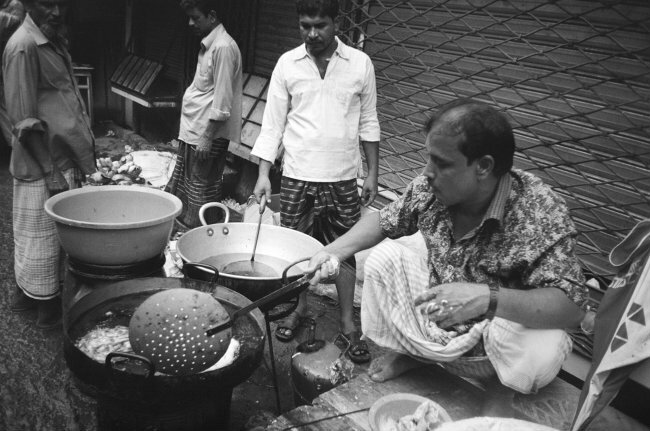 চট্রগ্রাম সম্মেলিত হকারস ফেডারেশনের সাধারণ সম্পাদক মাসুদ রানার মতে বন্দর নগরীতে এখন ১৬০০০ ফেরীওয়ালা আছে। এই সকল ফেরীওয়ালারা প্রধানত সুযোগের সন্ধানে গ্রাম থেকে এবং স্রম-বাজার ছেড়ে দিয়ে হকারস মার্কেটে কাজ করে। স্থানীয় পৌর-কর্তৃপক্ষ দ্বারা সবসময় উচ্ছেদের তাগিদা পেয়ে, ফেরীওয়ালারা মনে করেন যে শহুরে অর্থনীতিতে তাদের গুরুত্ব এবং তাদের জীবিকা নির্বাহ করার অধিকার সরকার দ্বারা স্বীকৃত নয়। নগর পরিকল্পনার নামে স্থানীয় পৌর-কর্তৃপক্ষ বিভিন্ন আইন ও অধ্যাদেশ জারি করে ফেরীওয়ালাদের নিয়ন্ত্রন করার জন্য। যদিও ফুটপাথ-মার্কেট একটি বড় সংখ্যার মানুষের জন্য কর্মসংস্থান তৈরি করে থাকে, তারপরও দুর্ভাগ্যক্রমে চট্রগ্রাম কর্তৃপক্ষের ফুটপাথ-মার্কেট নিয়ে কোন নির্দিষ্ট নীতিমালা নেই। সেজন্য তারা নিজেদের সাহায্য করার জন্য নিজস্ব পরিকল্পনা নিয়ে অগ্রসর করেছে। যে সকল ফেরীওয়ালাদের সাক্ষাৎকার নেয়া হয়েছিল তারা উল্লেখ করেছে যে তাদের একটি “ত্রান সমিতি” আছে যেখানে তারা প্রত্যেকে ১০ টাকা জমা করেন এবং সপ্তাহ শেষে লটারির মাধ্যমে এই টাকা কোন একজন ফেরীওয়ালা পান। এতে করে প্রত্যেকে টাকা পাওয়ার একবার করে সুযোগ পান, যা তাদের ব্যবসায় উন্নতি করার সুযোগ এনে দেয়।
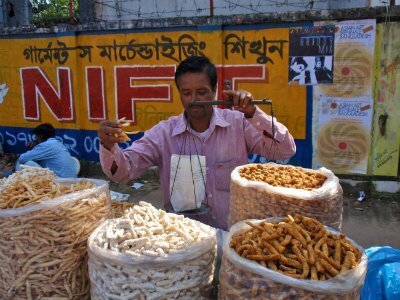 খাবার ফেরীওয়ালাদের জন্য প্রচলিত সমর্থন এখন পর্যন্ত শুধু ঢাকায় নেয়া হয়েছে। বাংলাদেশের একটি গরিষ্ঠ সংখ্যার মানুষ সস্তায় দৈনন্দিন পুষ্টির জন্য রাস্তার খাবারের উপরে নির্ভর করে, কিন্তু খাবার-বিক্রেতারা বেশিরভাগ সময়ই অশিক্ষিত এবং নিরাপদ ভাবে খাবার প্রস্তুত করতে অজ্ঞ হয়ে থাকে। সেজন্য, রাস্তার খাবার গণস্বাস্থ্য ঝুঁকির অন্যতম কারণ এবং শিগ্রই এ বিষয়ে প্রয়োজনীয় পদক্ষেপ নেয়া উচিত। জাতীয় খাদ্য নীতি শক্তিশালীকরন প্রকল্প (এন.এফ.পি.সি.এস.পি) এর একটি উদ্যোগ ছিল রাস্তার খাবার বিক্রেতাদের খাবার প্রস্তুতির স্বাস্থ্যসম্মত অভ্যাস গঠনের প্রশিক্ষণের মাধ্যমে বাংলাদেশে স্বাস্থ্যকর রাস্তার খাবারের ব্যবস্থা করা। এই প্রশিক্ষণ ঢাকার ধানমণ্ডি, লালবাগ এবং মতিঝিল এলাকার খাবার বিক্রেতাদের দেয়া হয়েছে। ব্যক্তিগত স্বাস্থ্য এবং স্বাস্থ্যসম্মত ভাবে খাবার তৈরির প্রশিক্ষণ পেয়েছে তিনশত ফেরীওয়ালা যারা খাবার বিক্রি করে। প্রয়োজনীয় বাসনসহ ১১ টি রাস্তায় খাবার বিক্রির গাড়ি প্রদান করা হয়েছে ফেরীওয়ালাদের প্রশিক্ষণের জন্য। উপরন্তু, একটি ইন্টারমিডিয়েট প্রযুক্তি উন্নয়ন প্রতিষ্ঠান একটি প্রকল্প শুরু করেছে “এনার্জি অ্যান্ড স্ট্রিট ফুড ভেণ্ডর” নামে যা ঢাকা এবং বগুড়া জেলায় কাজ করেছে। এই প্রকল্পের উদ্দেশ্য ছিল খাদ্য গ্রহণকারীদের স্বাস্থ্য পরীক্ষা করা এবং উন্নত জ্বালানি ব্যবহারের মাধ্যমে ফেরীওয়ালাদের জীবিকার উন্নতি করা। এই প্রকল্পে তারা উন্নত জৈবজ্বালানি চালিত চুলা রাস্তার ফেরীওয়ালাদের কাছে পরীক্ষা করিয়েছে এবং তারা মনে করে যে রাস্তার খাবার বিক্রি বেড়ে যাবে যদি জৈবজ্বালানি চালিত চুলা ব্যবহার করা হয়। এই প্রকল্পের ফলাফল থেকে জানা যায় যে সঠিক নির্দেশনার মাধ্যমে রাস্তায় খাবার বিক্রি একটি লাভজনক এবং স্বাস্থ্যসম্মত ব্যবসা হয়ে উঠতে পারে।
ঢাকায় রাস্তায় খাবার বিক্রেতাদের সাহায্য করার এই পদক্ষেপ গুলো প্রমাণ করে যে সঠিক নীতিমালা দ্বারা বাংলাদেশের ফুটপাথ ব্যবসায়ীদের সাহায্য করা সম্ভব। একইরকম পদক্ষেপ এখন চট্রগ্রামে নেয়া উচিত যেন চট্রগ্রামের হাজার হাজার ফেরীওয়ালাদের জীবিকার উন্নতি হয়।
Photo credit: Sudipta Arka Das and John Pavelka
Street vending in Chittagong: Prime time for formal policy intervention
Tausifa Tajallia, Chittagong Community Manager
Street vending has long been an integral component of the urban informal economy in developing countries. Street vendors account for 10-15 percent of employment in Asian cities. Chittagong, the largest port city in Bangladesh, is no exception. Mushrooming street vending in Chittagong is considered a challenge to urban governance due to immense crowds, traffic jams, and garbage created as a result of increasing vending activities on the footpaths. However, in Chittagong, street vending serves not only as one of the major self-employment opportunities for the urban poor and rural migrants, but also as an affordable market space for low and middle classes.
According to Chittagong Sammilito Hawkers Federation General Secretary Masud Rana, there are nearly 16,000 hawkers and street vendors in the city. These vendors are mainly rural migrants coming to Chittagong for job opportunities, as well as individuals marginalized from the formal labor market. Complaining about the constant evictions by the local municipal authority, vendors claim that their economic importance in the urban economy and their livelihood rights are not recognized by the government. In the name of urban management, municipal authorities devise various laws and ordinances to control street vendors. Although street vending serves as a means of employment for a large number of citizens, there is unfortunately no policy in Chittagong that can facilitate street entrepreneurism. Hence, to provide their own access to credit, they have come up with their own strategy: the street vendors interviewed in the city center mentioned their Traan Samity (saving association), where every vendor deposits 10 Taka and by the end of the week one of them gets the money through a lottery system. Everyone gets a chance to take the money once. This system enhances their business by providing access to a credit to invest in their business.
Formal initiatives to support street-food vendors have thus far been concentrated in Dhaka. While a large group of Bangladeshis depend on food vendors for their daily nutrition needs at a cheaper price, street-food vendors are often uneducated and lack awareness of safe food-handling. Therefore, street food is perceived to be a major public health risk that requires necessary intervention. As a part of the National Food Policy Capacity Strengthening Program (NFPCSP), a project on hygienic and sanitary practices of street food vendors entitled Institutionalization of Healthy Street Food System in Bangladesh was carried out in Dhaka. Three hundred street food vendors were trained on safe food-handling practices and personal health and hygiene. Eleven food vending carts equipped with utensils were procured and distributed to the newly-trained street food vendors. In addition, an Intermediate Technology Development Group project titled Energy and Street Food Vendors was conducted to improve the livelihoods of street food vendors and the health of consumers by identifying and improving energy efficient technologies and fuels. The project tested improved biomass stoves with a selection of street food vendors, and concluded that profitability of food-vending could be enhanced with the use of energy-efficient technology. The findings from these projects noted that with proper monitoring and regulation, food-vending can be both profitable and hygienic for vendors and their customers.
These initiatives, taken to help food vendors in Dhaka, demonstrate the positive effect that policy and support can have for street vendors in Bangladesh. Similar interventions should now be replicated in Chittagong to improve the livelihood strategies of thousands of street vendors.
Photo credit: Sudipta Arka Das and John Pavelka