
Slum clearance, planning, and community resistance
 Slum clearance refers to the removal of slum residents for rehousing, usually with the stated goal of preparing the area for demolition and rebuilding. While "urban renewal" can lead to old and decrepit buildings being put to more "productive" and/or lucrative use, these evictions can be disastrous for slum residents. Mega-events and rising property values lead developers and government officials to displace residents, often without proper notice, legal standing, or reimbursement.
Read on to learn about how four participation-based solutions use community resistance to face slum clearance in Mumbai, Lagos, Cairo, and Rio de Janeiro — then share your thoughts in the comments below.

|

|

|

|
 |
Upgrading Mumbai's slums from within
Carlin Carr, Mumbai Community Manager
Mumbai's quest to become a world-class city shines with rhetoric of "clean" and "green." The efforts have spawned policies of making the city slum-free; demolitions, relocations, and high-rise government slum redevelopment buildings define much of the existing plan and actions. Standing in between the government's Shanghai dream and the existing state are the 62 percent of the city's population who live in slums. The "eyesores" are taking up precious city land that has grown in value exponentially over the decades. Plans to deal with the impediments ignore the vibrant upgrading and development that have been taking place inside these settlements all over the city.
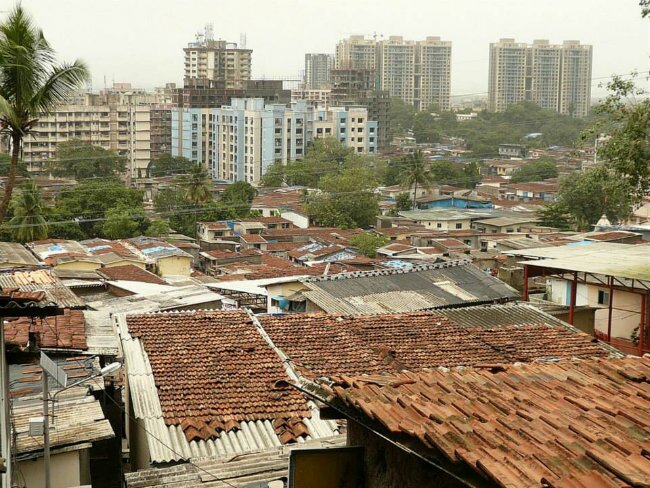 From above, the city's thousands of slums look like crammed, dirty, and resource-deprived places. On the ground, however, it is a different story. A Dharavi-based organization, URBZ, which focuses on "user-generated cities," describes their home turf: "From the point of view of the new migrant, or that of the suburban slum-dweller, parts of Dharavi are aspirational. It is, after all, a centrally located, superbly connected business hub with seven municipal schools and dozens of private or NGO-run educational institutions. It has decent medical facilities and countless shrines and temples tailored to its fantastically diverse population. Over the years people have replaced their shacks with brick and concrete houses, which often double as retail or production spaces."
And, says URBZ, that self-construction process is key to understanding a new way of moving forward with slum areas. URBZ has launched an antidote to the heavy-handed government redevelopment policies: the 'Homegrown Cities' project seeks not only to acknowledge the local construction practices that exist in these neighborhoods, but also to catalyze the process by joining forces with URBZ's international network. "Our aim is not to revolutionize the way construction is done in homegrown neighborhoods, but simply to contribute to a process of constant improvement that is happening already," write Matias Echanove and Rahul Srivastava, co-founders of URBZ. "We intend to become actors in the local development of housing and habitat in homegrown neighborhoods."
 The plan is to develop tiny plots in collaboration with the community, talented local builders and non-local architects and engineers. They will then sell or rent each house to someone from the community at the same price as for any other similar structure. "We see process as a way to creating a long-term relationship with various neighborhoods, which will allow us to get involved at other levels as well," say Echanove and Srivastava. "This will help us highlight the good work being done there, and show that there are alternatives to the wholesale redevelopment of unplanned and incrementally developing neighborhoods. We want to demonstrate that architects, planners, and others can engage meaningfully in local processes, respecting existing morphology, supporting the local economy, and bringing in their skills and creativity."
For the group's pilot project in the Mumbai suburb called Bhandup, URBZ has launched a crowdfunding page. Donations will go toward the operational costs of the pilot project. For more on the Homegrown Cities project, visit its Facebook page or follow @homegrowncities on Twitter.
Photos: Homegrown Cities

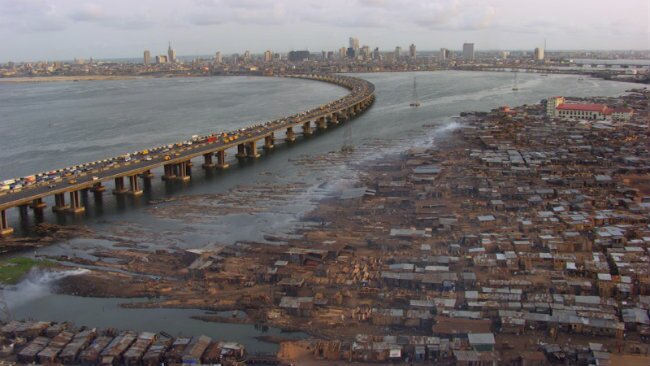 In 2012, the state government issued a demolition order for the settlement. Various organizations stepped in to back up the residents' opposition to the sanctioned demolition of their homes, including the Social and Economic Rights Action Center (SERAC). SERAC works by building awareness about economic, social, and cultural rights, and by broadening individuals' and communities' access and participation in social and economic policy processes. In its fight for the provision of affordable social housing and inclusive housing laws, SERAC created and runs a housing initiative for Lagos slums called the Nigeria Social Housing Initiative (NSHI), with support from the Catholic Organization to Relief and Development Aid (CORDAID) and the Ford Foundation. The NSHI program seeks to undertake innovative approaches towards improving housing conditions in slum communities while also considering the social, economic, and environmental functioning of these neighbourhoods. The initiative focuses on:

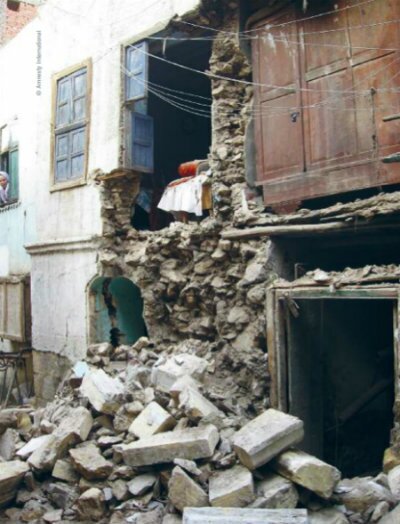 كما شاركت منظمة ال-HLRN في الدعوة ضد عمليات الإخلاء التي تنتج عن خطة Cairo 2050. في عام ٢٠٠٩، قامت المنظمة بالإشتراك مع المركز المصري لحقوق السكن Egyptian Center for Housing Rights و منظمة العفو الدولية Amnesty International لإرسال شكوى إلى رئيس الوزراء السابق، السيد أحمد نظيف. و أوضحت هذه الرسالة أن معظم سكان العشوئيات ليس لديهم أي نوع من الحماية ضد عمليات الإخلاء، و ليس هناك خطة واضحة لإعادة توطين هؤلاء السكان. و دعت الشكوى إلى تضمين السكان في عملية التخطيط لتلبية احتياجاتهم بطريقة مباشرة، و توفير الوحدات السكنية المجانية لجميع العائلات التي تملك وثائق إخلاء صحيحة.
 Mais o envolvimento da sociedade civil nos temas públicos não tem que ser violentos. Quando eles viram pacíficos e utilizam mecanismos criativos, eles conseguem uma mobilização importante e inclusive conseguem soluções às problemáticas. Este é o caso da ONG Meu Rio. Uma organização criada faz pouco menos de dois anos por dois jovens e orgulhosos moradores do Rio, que compreendem a importância da participação da sociedade nos assuntos públicos. Estes próximos anos são de grande importância para a cidade por causa das transformações no contexto da Copa 2014 e os Jogos Olímpicos 2016 e Meu Rio está tendo um papel importante na apertura de canais de participação cidadã.
Add new comment