Cairo | القاهرة

Mapping the city for youth migrants

Migration has often been identified as a central component of urbanisation, and with the rise of a 'mobility' paradigm, whereby movement is recognised as a rising necessity, the focus is on why people move and the nature of such movement. Novel innovations now enable our speed of movement, while services and infrastructure continues to build networks between spaces, people, and opportunities. However, in the case of Sub-Saharan Africa the question has been raised on what happens when urban agglomerations hosting migrants fail to secure livelihoods (see Bryceson, 2011)? Research in migration showcases the articulation of circular patterns of movement, rising rates of return, and greater insecurities in whether goals are achieved. Such raises an additional question - to what extent are those using, adopting, and experiencing, migration becoming stuck within such a mobility paradigm? Further, what do migrants do to get them out of this trap and achieve aspirations? Read more.

Youth focus: Can grassroots movements bring in girls' voices?

Data has emerged showcasing the latest trends of our demographic shift - the global population now articulates a 'youth bulge'. The UN-Population Demographic Profile (2010) show children, and 'youths', comprise 1.6bn, and 1.0bn, of the population in less-developed regions. The population is younger; and Sub-Saharan Africa is no exception. Attention is now turning to youths: what young people do, what opportunities they initiate for their families and nations, and what it means to be 'young' in the developing world. However, an important caveat requires recognition: the focus has been particularly male-focused. Our understanding of girls, within both public and private spaces, remains limited. Such is the debate in this blog post - if we are now looking at 'kids' in the city and development, what are the experiences of girls? What can we learn about the city through an engendered perspective? Fundamentally, who is responsible to grant equal rights? Two models of intervention are discussed be, each using alternative methods to provide rights for girls. However, each acts to reinforce the need to improve our understandings on 'being' a girl. Read more.

هدايا العيد: القاهرة

أثارت جوانب مدينة القاهرة التاريخية، و المعمارية، والثقافية، و الاقتصادية، و السياسية عديد من المؤلفات والكتابات الأدبية المختلفة عن المدينة .و مع أخذ ذلك في الاعتبار، لدي ثلاث اقتراحات لكتب مميزة عن تاريخ القاهرة العريق, و لوجستيات و تعقيدات هذه المدينة.

Who will plan Africa's cities?

Africa's cities are growing — and changing — rapidly. Without appropriate planning, they will become increasingly chaotic, inefficient and unsustainable. In many countries, planning legislation dates back to the colonial era. It is ill-equipped to deal with contemporary urban problems. A shortage of urban planning and management professionals trained to respond to urban complexity with progressive pro-poor approaches exacerbates urban dysfunction. Read more.

رصد المبادرات العمرانية بالقاهرة


منصة المبادرات العمرانية بالقاهرة، موقع أطلقه مختبر عمران القاهرة للتصميم والدراسات "كِلَسّتَر" مؤخراً باللغتين العربية والإنجليزية، "تضم المنصة مبادرات متعددة في الهندسة المعماريّة والفنون والتنمية العمرانيّة والمبادرات الحقوقية وتلك متعددة التخصصات التي تتناول موضوعات تتعلّق بالمدينة والبيئة العمرانيّة والمساحات العامّة في القاهرة." عبر استخدام خريطة تفاعلية تتيح للمستخدمين إضافة مبادرات جديدة كنوع من الخرائط التعاونية.

"Knowledge is Power" national literacy campaign

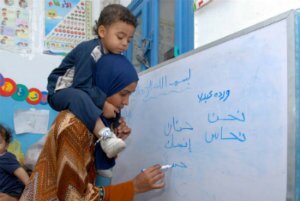
One of the biggest problems faced by those living in poverty in Egypt is illiteracy. Government figures estimate that there are 17 million Egyptians who cannot read and write, the majority of whom are females concentrated in Upper Egypt and the Greater Cairo Region (GCR). In late 2011, the Vodafone Egypt Foundation partnered with the Life Makers Association and UNESCO under a joint campaign titled "Knowledge is Power." The campaign aims to eliminate illiteracy in Egypt by 2017 by providing classes that teach basic reading, writing, and arithmetic skills in nine different governorates. Read more or join the discussion.

'العلم قوة' - الحملة الوطنية لمحو الامية

من أكبر المشاكل التي يواجهها الفقراء في مصر هي مشكلة الامية. تشير الإحصاءات الحكومية على أن هناك إجمالي ١٧ مليون مواطن و مواطنة في مصر، معظمهم إناث في صعيد مصر و منطقة القاهرة الكبرى، لايستطيعون قراءة و كتابة اللغة العربية. في أواخر عام ٢٠١١، قامت مؤسسة فودافون مصر (Vodafone Egypt Foundation) بالاشتراك مع جمعية صناع الحياة (Life Makers Association) و منظمة اليونسكو (UNESCO) لإنشاء حملة مشتركة تحت عنوان 'العلم قوة.' والهدف من هذه الحملة هو القضاء على الأمية في مصر بحلول عام ٢٠١٧ من خلال توفير الفصول التي تعلم أساسيات القراءة، و الكتابة، و المهارات الحسابية في تسع محافظات مختلفة.

Slums? No sir, these are self-built communities

"The Right to Housing" is a documentary series and a part of the "Right to Housing, a Socially Just and Sustainable Built Environment" initiative. This project aims to link urban issues and challenges with the right to housing: it proposes that this right should be respected in the constitution and in laws and that adequate urban policies be put in place to reflect the needs of the people. Read more or join the discussion.

لا يا بيه دي مجهودات ذاتية

تشترك غالبية المجتمعات المهمشة أو العشوائية في صفات كثيرة مثل غياب غالبية الخدمات الأساسية، من مياه الشرب والكهرباء، والصرف الصحي. بالإضافة إلى انتشار القمامة ونقص الخدمات التعليمية ووقوع بعض المناطق تحت كابلات الضغط العالي والتعرض للأخطار العمرانية مثل انهيار المباني والإخلاء القسري.

Operation Anti-Sexual Harassment/Assault

"All I remember is hands all over my body, grabbing under the layers of pullovers I was wearing, touching my breasts, opening my bra. More hands on my back and legs, my pants being pulled down. I tried to see the end of circle of men, but saw rows of men surrounding me, all pushing towards me. One man moved towards me in the middle of maybe forty men. When I could reach his hand, I just hugged the stranger and told him to help me. We moved further into the square and the man started moving faster. At that point I was not sure anymore whether he would help me or whether he was collaborating with the rest of the men. I panicked. I looked for other people to help. I saw a guy wearing one of the Operation Anti Sexual Harassment t-shirts and I started shouting louder. Luckily he saw me and made his way towards me. He grabbed me and held me and told me he would help me. I fell, the guy helped me up and I got up and was surrounded by women and men of the Anti Harassment group." Read more or join the discussion.

Pages